
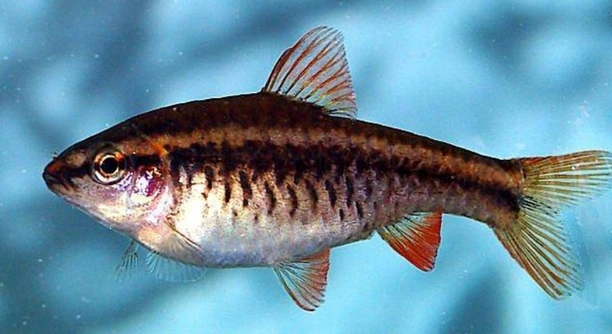
Cherry barbs are popular fish in the aquarium world, and many aquarium owners are interested in breeding them. However, there are a lot of misconceptions about the process. Let’s clear up some common myths and reveal the truths behind breeding these vibrant fish.
Breeding cherry barbs can be straightforward with the right conditions. However, many myths surround their breeding habits. By understanding proper water parameters, diet, and environmental factors, you can increase the chances of successful breeding. Dispelling these myths will help clarify the process.
The facts behind cherry barb breeding may surprise you. Keep reading to uncover what really works when breeding this species in your aquarium.
The Importance of Water Conditions for Breeding Cherry Barbs
Water quality is crucial when breeding cherry barbs. They thrive in soft, slightly acidic water, with temperatures ranging from 75 to 80°F. Ensuring the water is clean and stable will reduce stress on the fish, making them more likely to breed successfully. If the water is too harsh or fluctuates frequently, it can hinder their reproductive cycle. Regular water changes are also important, as they help maintain optimal conditions for both the parents and the eggs.
Maintaining water conditions that mimic their natural habitat will promote healthy breeding. Keep the tank clean and adjust the water parameters as needed for the best results.
If you want successful breeding, start by testing the water regularly. A stable environment supports cherry barb health and fertility, making it easier for them to spawn and for eggs to hatch.
Choosing the Right Tank Setup
The tank setup plays a big role in encouraging cherry barbs to breed. Providing plenty of plants, hiding spots, and a gentle filtration system creates a stress-free environment. Use fine-leaved plants like Java moss to give the barbs places to lay eggs. Keep the water surface free of debris to ensure the eggs have space to hatch.
Providing a separate breeding tank can help control water conditions more easily. A smaller, well-planted space with minimal distractions allows the barbs to feel secure. Use a sponge filter to prevent the fry from being sucked in while keeping the water clean.
A tank with low lighting and peaceful surroundings will keep the barbs comfortable. If they feel secure, they’re more likely to breed. Adding a few other peaceful species to the tank can help create a balanced, calm environment for cherry barbs to thrive.
The Role of Diet in Breeding Success
Diet is key to ensuring your cherry barbs breed successfully. Feed them a varied diet that includes high-quality flake food, live foods like daphnia, and occasional frozen foods. A balanced diet promotes the health and vitality of the fish, making breeding more likely.
Proper nutrition supports both the males and females in reaching breeding condition. Rich in protein and healthy fats, these foods increase the likelihood of successful egg production. Supplementing with live foods can also help increase fertility and improve the overall health of the breeding pair.
Ensure you’re not overfeeding your fish, as excess food can pollute the water. Offer small meals throughout the day to avoid waste. The right diet will keep your cherry barbs active, healthy, and ready to spawn when the time comes.
The Importance of Proper Lighting
Cherry barbs need the right lighting to feel comfortable and breed. Dim or natural light is best, as bright lights can stress them out. Set up the tank near a window for some indirect sunlight, or use a low wattage aquarium light on a timer to mimic day and night cycles.
A regular light cycle helps trigger breeding behavior. A consistent day and night routine signals to the fish when to spawn. Keep the lighting soft to prevent stressing the fish, and avoid harsh artificial lights, which can disrupt their natural rhythm.
Temperature Control for Breeding Success
Maintaining the right temperature is essential for breeding cherry barbs. The water should stay between 75°F and 80°F. Temperatures outside this range can slow down or prevent breeding, as they disrupt the fish’s biological processes. Use a reliable heater to maintain the desired temperature.
A stable temperature also prevents stress, making the environment conducive to spawning. Fluctuating temperatures may cause cherry barbs to feel insecure, affecting their readiness to breed. Ensure the heater is placed at one end of the tank to maintain even warmth across the space.
FAQ
What are the best tank mates for cherry barbs?
Cherry barbs are peaceful and do well with other non-aggressive species. Small, calm fish like tetras, rasboras, and guppies are excellent companions. Avoid aggressive fish, as they can stress out the cherry barbs and prevent them from breeding. Also, make sure that tank mates don’t outcompete the cherry barbs for food.
It’s important to ensure the other fish in the tank share similar water temperature and pH preferences. Avoid adding large, predatory fish that could see the smaller cherry barbs as a meal. Keeping the tank peaceful and balanced will encourage cherry barbs to breed successfully.
How can I tell if my cherry barbs are ready to breed?
Female cherry barbs become plump when they are ready to breed. Their belly will visibly round out as they fill with eggs. Male cherry barbs often become more colorful, especially during breeding season. They develop a bright red hue, which is a signal to the female.
Observing their behavior is key. When ready to breed, the males become more active and begin to chase the females. They may perform a courtship dance, which is part of their natural mating ritual. If you notice these signs, it may be time to separate them for breeding.
Can cherry barbs breed in a community tank?
Yes, cherry barbs can breed in a community tank, but it’s not always ideal. The presence of other fish may stress them out, which can interfere with their breeding. To increase the chances of successful breeding, consider providing a separate breeding tank with fewer distractions.
However, if you have a peaceful community tank and the water conditions are ideal, breeding may still occur. Just be sure that the tank has plenty of plants and hiding spots to provide security for both the eggs and the fry once they hatch.
How long does it take for cherry barb eggs to hatch?
Cherry barb eggs typically hatch within 24 to 36 hours after fertilization, depending on water temperature and conditions. Warmer water speeds up the process, while cooler water may slow it down. After hatching, the fry will remain attached to the substrate for a few days before becoming free-swimming.
During this time, it’s important to maintain optimal water conditions to prevent any harmful bacteria from affecting the eggs and fry. Keep the tank clean and provide gentle filtration to ensure the fry can grow safely without being swept away.
How do I care for cherry barb fry after they hatch?
After hatching, the fry will need careful attention. Start by feeding them infusoria or other microscopic foods until they are large enough to eat newly hatched brine shrimp. Keep the water clean by performing regular water changes and maintaining stable temperature and pH levels.
Once the fry are free-swimming, you can start offering crushed flake food or liquid fry food. Be sure not to overfeed, as uneaten food can pollute the water. It’s also essential to separate them from the adults to avoid predation.
How can I prevent cherry barb fry from being eaten by the adults?
To prevent the adult cherry barbs from eating the fry, consider separating the fry into a different tank after hatching. If you don’t have a separate breeding tank, use a breeding net or a mesh divider to keep the fry away from the adults. This will help protect the fry until they’re large enough to fend for themselves.
If you choose to leave the fry in the same tank, make sure to provide plenty of hiding spots, like dense plants or moss, where the fry can escape. This gives them a better chance of surviving long enough to grow.
What type of plants are best for breeding cherry barbs?
Cherry barbs prefer plants with fine leaves, like Java moss, Java ferns, or Anubias. These plants provide the perfect spots for females to lay their eggs. Floating plants like duckweed or water lettuce can also help create a shaded environment, giving the fish a sense of security.
When setting up the breeding tank, include plants that are dense enough to offer coverage, but not so dense that they restrict water flow. This balance helps maintain healthy water conditions for both the adults and the fry while encouraging breeding.
How many cherry barbs should I keep together for breeding?
It’s best to keep at least one male and two to three females together for successful breeding. The males will compete for the females’ attention, which encourages courtship behavior. Having multiple females reduces stress on any one female and ensures that the male can mate with them.
This setup also helps maintain balance within the tank. With more females, the males are less likely to chase one female excessively. This ensures a more natural and less stressful environment for both the males and females during the breeding process.
Can I breed cherry barbs in hard water?
Breeding cherry barbs in hard water is not ideal. They prefer soft, slightly acidic water for breeding. Hard water can make it difficult for the fish to breed successfully, as it can affect their reproductive health and make it harder for eggs to hatch. If your water is hard, consider using a water softener or mixing your tap water with distilled water to lower the hardness.
It’s important to test the water regularly to ensure the hardness levels are within the preferred range. By adjusting the water conditions to match their natural habitat, you’ll have a better chance of breeding success.
Final Thoughts
Breeding cherry barbs can be a rewarding experience, especially if you create the right environment for them. These fish are relatively easy to care for, as long as you meet their basic needs for water quality, temperature, and diet. With the right setup, your cherry barbs will feel secure and comfortable, which is crucial for successful breeding. Remember, patience is key. It may take some time before they start breeding, but with consistent care, you’ll eventually see positive results.
While cherry barbs are generally peaceful, creating a stress-free environment for them to breed is essential. Choose tank mates that won’t cause stress, as other fish can interfere with their natural breeding process. A calm, well-planted tank with proper filtration and lighting will encourage your cherry barbs to feel at ease. Regular water changes and careful monitoring of the water temperature will also help maintain the ideal conditions for breeding.
Ultimately, the process of breeding cherry barbs requires attention to detail, but the effort is well worth it. By paying attention to factors like diet, tank setup, and temperature control, you’ll increase your chances of breeding success. Don’t forget that once the fry hatch, they require a little extra care, but with the right feeding and protective measures, they’ll grow into healthy young fish. Keep your cherry barbs in a healthy and well-maintained tank, and they will likely reward you with a new generation of fry to enjoy.

Hello,
If you enjoy the content that we create, please consider saying a "Thank You!" by leaving a tip.
Every little bit helps us continue crafting quality advice that supports the health, happiness, and well-being of pets around the world, for pets of all shapes, sizes, and species.
We really appreciate the kindness and support that you show us!