
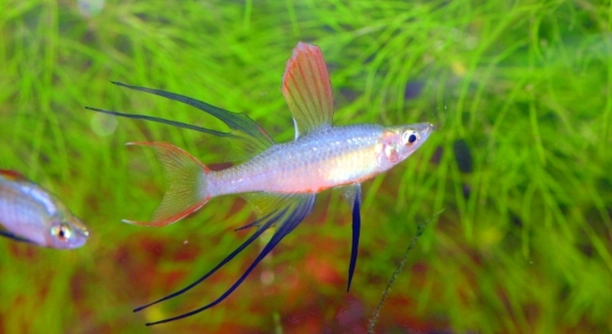
Do you ever find yourself wondering which type of filter will keep your Threadfin Rainbowfish tank clean, clear, and healthy? Choosing the right filter is important for their delicate nature and long-term wellbeing.
The best filter for Threadfin Rainbowfish tanks is a sponge filter, as it provides gentle water flow, efficient biological filtration, and oxygenation. This prevents stress caused by strong currents while maintaining stable water quality for these sensitive fish.
Proper filtration plays a key role in ensuring your Threadfin Rainbowfish thrive, and learning about different filter options will guide you toward the best choice.
Why Sponge Filters Are the Best Choice
Sponge filters are highly recommended for Threadfin Rainbowfish because they combine gentle water flow with effective biological filtration. These fish thrive in calm environments, and sponge filters prevent stressful currents. The porous material supports beneficial bacteria growth, which keeps ammonia and nitrite levels safe. This is especially important since Threadfin Rainbowfish are sensitive to water changes. Additionally, sponge filters provide oxygenation by releasing small bubbles, which helps maintain stable oxygen levels throughout the tank. They are also cost-effective, easy to clean, and ideal for smaller aquariums where Threadfin Rainbowfish are often kept. Their simplicity makes them reliable, ensuring that your tank remains clean without overwhelming your fish. Many aquarists prefer sponge filters because they protect fry and smaller fish from being sucked into stronger filters. By choosing this option, you create a safe and balanced home that supports the natural beauty and health of your Threadfin Rainbowfish.
Sponge filters are practical, affordable, and safe, making them one of the best options for aquariums that house delicate species like Threadfin Rainbowfish.
A sponge filter requires very little maintenance, which makes it easy to manage for both new and experienced fish keepers. Cleaning usually involves squeezing the sponge in old tank water to remove debris without harming beneficial bacteria. Because of this, the filter continues supporting biological balance without disrupting the aquarium. Another benefit is their compatibility with air pumps, which not only drive filtration but also add extra oxygen to the water. This creates a healthier environment for the Threadfin Rainbowfish, ensuring they remain active and colorful. While more advanced filtration systems exist, sponge filters stand out for their simplicity and effectiveness. They provide everything these sensitive fish need while avoiding risks that come from stronger equipment. This makes them an excellent long-term choice for maintaining stable water conditions and promoting the wellbeing of your aquarium.
Considering Other Filter Options
Some fish keepers may prefer to explore other types of filters, but it is important to choose carefully for the comfort of Threadfin Rainbowfish.
Hang-on-back filters, for example, are commonly used in small to medium aquariums. They provide mechanical and chemical filtration, which can be useful for keeping water clear. However, they produce stronger currents that may overwhelm Threadfin Rainbowfish if not adjusted properly. Using baffles or sponges on the intake can reduce flow and make them safer. Canister filters are another option, often praised for their power and versatility. While they are excellent for larger tanks, they may be unnecessary in smaller setups where Threadfin Rainbowfish are usually kept. Internal filters also exist, though they vary in size and strength, so careful selection is needed to prevent excessive turbulence. Each of these options can work under the right conditions, but they require more adjustments and maintenance compared to sponge filters. Ultimately, your choice depends on balancing the filtration needs of the tank with the natural sensitivity of the fish.
Maintenance and Care for Filters
Regular maintenance is essential for keeping filters effective in Threadfin Rainbowfish tanks. Cleaning schedules should be followed carefully to avoid harming beneficial bacteria. A gentle rinse in old tank water is usually enough to remove built-up debris.
When maintaining a sponge filter, avoid using tap water for cleaning, as chlorine can kill the bacteria that support the nitrogen cycle. Instead, squeeze the sponge gently in aquarium water removed during a water change. This method preserves bacteria colonies while refreshing the filter. Checking the air pump and tubing for blockages or wear is also important to ensure steady performance. A well-maintained sponge filter not only extends its lifespan but also helps prevent sudden changes in water quality. Performing small, consistent care routines makes managing your aquarium much easier while keeping your Threadfin Rainbowfish safe.
For hang-on-back and canister filters, maintenance often involves replacing cartridges or rinsing filter media. It is important not to replace everything at once, since this can wipe out beneficial bacteria. Alternating media cleanings or replacing only part of it at a time helps maintain biological balance. Stronger filters should also be monitored closely for flow rate adjustments, since currents can increase after cleaning. Taking the extra time to maintain these filters properly will ensure they continue to support healthy water conditions without disrupting your fish. A stable cleaning routine, combined with careful observation, allows your Threadfin Rainbowfish to thrive in a clean and balanced environment.
How Filtration Affects Water Quality
Filtration directly impacts water quality by managing waste, toxins, and oxygen levels. Threadfin Rainbowfish are sensitive, so keeping stable parameters through proper filtration prevents stress, improves coloration, and supports long-term health in their aquarium environment.
A sponge filter ensures steady biological filtration by cultivating colonies of bacteria that convert ammonia into safer compounds. This process is vital since even small traces of ammonia or nitrite can harm Threadfin Rainbowfish. Beyond this, the bubbles produced by the filter encourage oxygen exchange, creating a stable and breathable habitat. Hang-on-back and canister filters can also improve water clarity and chemical balance, though adjustments may be required to reduce current strength. Consistent filtration keeps the tank water clean, odor-free, and safe, which allows these fish to display their natural behaviors. Monitoring water parameters alongside filtration ensures that the aquarium remains a suitable and stress-free home for your Threadfin Rainbowfish.
Common Mistakes with Filters
One common mistake is over-cleaning filters, which removes beneficial bacteria. Without these bacteria, ammonia and nitrite levels rise quickly, creating dangerous water conditions that can harm Threadfin Rainbowfish and disrupt the natural balance of the tank.
Another mistake is using filters with strong currents. Threadfin Rainbowfish prefer calm waters, so powerful filtration can cause stress and lead to health problems. Adjusting the flow rate or using sponge filters prevents these issues and creates a more comfortable and stable environment for them.
Choosing the Right Filter Size
Selecting the correct filter size is important for water stability. A filter that is too small will not handle waste effectively, while one that is too large may create strong currents. Choosing a filter rated slightly above your tank’s capacity provides balance. Always match filter strength with fish needs.
Signs Your Filter Needs Attention
Unusual noises, reduced water flow, or cloudy tank water are all signs that your filter requires cleaning or maintenance. Addressing these issues early helps prevent stress for your Threadfin Rainbowfish while keeping their tank safe, clean, and balanced.
FAQ
What type of filter is best for Threadfin Rainbowfish?
Sponge filters are generally the best choice because they provide gentle water flow, consistent biological filtration, and oxygenation. These fish are sensitive to strong currents, so a sponge filter creates a calm, safe environment. Hang-on-back or canister filters can also work if adjusted carefully.
How often should I clean a sponge filter?
Sponge filters should be cleaned every two to four weeks, depending on tank size and fish load. Use water from the tank, not tap water, to rinse the sponge. This preserves beneficial bacteria that are essential for maintaining a stable nitrogen cycle.
Can I use a hang-on-back filter for Threadfin Rainbowfish?
Yes, but you must manage the flow. Hang-on-back filters often create strong currents, which can stress these fish. Adding a sponge or baffle to the intake reduces water speed, making it safer while still providing mechanical and chemical filtration.
What maintenance is required for canister filters?
Canister filters need periodic cleaning and media replacement. Avoid changing all media at once to maintain beneficial bacteria. Check hoses and seals regularly to prevent leaks or flow issues. Adjust the flow rate as needed to protect your Threadfin Rainbowfish from strong currents.
How do I know if my filter is too strong?
Signs of strong filtration include fish struggling to swim, staying at the bottom, or hiding frequently. Excessive surface agitation may also indicate the flow is too high. Using baffles or switching to a gentler filter can improve comfort and reduce stress.
Is biological filtration important for Threadfin Rainbowfish?
Yes, biological filtration is critical. Beneficial bacteria in the filter convert toxic ammonia and nitrites into less harmful nitrates. Sponge filters excel at maintaining these bacteria, which ensures safe water quality and reduces stress for your fish.
Can I rely solely on chemical filtration?
Chemical filtration, like activated carbon, helps remove impurities and odors, but it cannot replace biological filtration. Threadfin Rainbowfish still require a stable bacterial colony to process waste effectively, so chemical media should complement, not replace, biological filters.
How often should I check my filter?
Check the filter at least once a week for proper flow and signs of clogging. Regular monitoring ensures the filter continues working efficiently, water parameters remain stable, and your fish are not exposed to sudden changes in water quality.
Can sponge filters handle heavily stocked tanks?
Sponge filters work best in lightly to moderately stocked tanks. In very heavily stocked setups, multiple sponge filters or a combination with a hang-on-back or canister filter may be necessary to maintain water quality and adequate oxygen levels.
What should I do if my filter fails?
If your filter stops working, perform an immediate partial water change to reduce toxins. Try to fix or replace the filter as quickly as possible. Maintaining aeration with an air stone temporarily can prevent oxygen depletion while resolving the issue.
Are internal filters suitable for Threadfin Rainbowfish?
Internal filters can work if the flow is gentle. Position the intake to minimize strong currents and ensure that filtration does not disturb the fish. These filters are more common in small tanks and need careful observation to maintain a comfortable environment.
How can I extend the life of my filter?
Regular maintenance, gentle cleaning, and avoiding overloading the filter with debris help prolong its lifespan. Inspect parts like tubing, impellers, and seals to prevent damage. Using recommended filter media and keeping the water parameters stable also supports long-term performance.
Do I need multiple filters in one tank?
Multiple filters can be useful in larger tanks or heavily stocked setups. Using two sponge filters or combining sponge and hang-on-back filters improves circulation, oxygenation, and biological filtration. Always ensure the flow is not too strong for Threadfin Rainbowfish.
Can I clean my filter too often?
Yes, over-cleaning can remove beneficial bacteria, causing ammonia and nitrite spikes. Gentle rinsing in aquarium water is sufficient. Avoid replacing all filter media at once to maintain biological balance.
What are the signs my filter isn’t working properly?
Cloudy water, foul odors, unusual noises, and weak or no water flow indicate problems. Fish may also appear stressed, hiding, or swimming erratically. Addressing these signs promptly prevents water quality issues and protects your Threadfin Rainbowfish.
This FAQ provides guidance on choosing, maintaining, and monitoring filters to ensure Threadfin Rainbowfish thrive. Following these recommendations supports a balanced and stress-free aquarium environment, keeping water quality stable while protecting delicate fish.
Word count: 510
Final Thoughts
Choosing the right filter for a Threadfin Rainbowfish tank is crucial for maintaining a healthy environment. These fish are sensitive to water quality and strong currents, so selecting filtration that provides gentle flow and effective biological support is essential. Sponge filters remain the most reliable choice for most tanks because they combine these qualities with simplicity and low maintenance. They allow beneficial bacteria to thrive, converting harmful ammonia and nitrites into safer compounds, while also providing oxygenation. This helps prevent sudden fluctuations in water parameters that can stress Threadfin Rainbowfish, affecting their color, behavior, and overall health. For tanks with higher fish populations or larger sizes, combining sponge filters with hang-on-back or canister filters can improve circulation and maintain water quality without creating excessive currents. Careful consideration of tank size, fish load, and filter capacity ensures the tank remains stable and safe.
Maintaining the filter properly is just as important as choosing the right type. Over-cleaning or using tap water to rinse filter media can destroy beneficial bacteria and destabilize water quality. Gentle rinsing in aquarium water during routine water changes preserves these bacteria and keeps the nitrogen cycle intact. Filters also need periodic inspection to check for blockages, wear, or decreased flow. Adjusting flow rates for hang-on-back or canister filters prevents stress caused by strong currents, which Threadfin Rainbowfish do not tolerate well. Consistent care helps prolong the life of the filter while keeping the tank clean and safe. Even simple daily observations, such as checking water clarity and fish behavior, can indicate whether the filter is functioning correctly. This proactive approach prevents problems before they become serious, making tank maintenance more manageable and less stressful for the fish.
Overall, investing time in proper filtration, maintenance, and monitoring creates a stable and supportive environment for Threadfin Rainbowfish. The right filter supports water clarity, biological balance, and oxygenation, all of which are essential for their well-being. Paying attention to flow strength, filter capacity, and cleaning routines ensures that these sensitive fish remain active, healthy, and vibrant. While other filters like hang-on-back and canister options are suitable under certain conditions, sponge filters consistently provide the best combination of gentle flow, biological support, and ease of maintenance. By understanding the specific needs of Threadfin Rainbowfish and implementing proper filtration practices, you can create an aquarium that allows these fish to thrive while minimizing stress. This careful balance between equipment choice and consistent care is key to enjoying a visually stunning and healthy aquatic environment.
Word count: 412

Hello,
If you enjoy the content that we create, please consider saying a "Thank You!" by leaving a tip.
Every little bit helps us continue crafting quality advice that supports the health, happiness, and well-being of pets around the world, for pets of all shapes, sizes, and species.
We really appreciate the kindness and support that you show us!