
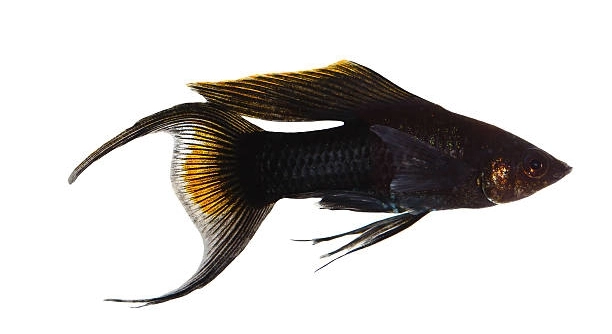
Pregnant Black Mollies require careful observation to ensure their health remains stable throughout gestation. Stress can impact both the mother and her developing fry, so recognizing early signs is important for maintaining a balanced aquarium environment.
Common stress signals in pregnant Black Mollies include changes in swimming behavior, loss of appetite, clamped fins, erratic movements, hiding, discoloration, and increased aggression. Identifying these indicators early allows for timely intervention, promoting the well-being of both the female and her offspring.
Monitoring your fish closely can prevent serious complications, supporting a safe and healthy pregnancy for your Black Molly. Awareness of subtle changes is key to their long-term care.
Changes in Swimming Behavior
When a pregnant Black Molly experiences stress, her swimming patterns often shift noticeably. She may float near the surface more than usual or dart quickly across the tank, avoiding areas she normally frequents. Some pregnant mollies may cling to corners or the bottom of the tank, seeming hesitant to move freely. These behavioral changes often indicate that the fish feels unsafe or uncomfortable in her environment. Common triggers include sudden water temperature shifts, overcrowding, or aggressive tank mates. Over time, persistent stress can reduce her energy levels, affect her appetite, and even delay the birthing process. Observing these patterns daily can help you spot problems before they escalate. Small adjustments to lighting, hiding spots, and water flow can make a significant difference. Providing calm conditions and consistent routines helps restore normal swimming behavior. This allows the Black Molly to remain active and healthier during gestation, reducing risks associated with stress.
Swimming changes are often the earliest visible signs of stress. Quick action can prevent further health decline and support a stable pregnancy.
Noticing erratic swimming or hesitation may seem minor, but it is a strong indicator of discomfort. Early recognition helps you address environmental or social factors, allowing your Black Molly to regain calm behavior. Maintaining proper water parameters, ensuring gentle filtration, and separating aggressive tank mates can significantly improve her condition. Consistency in feeding schedules and tank maintenance reduces sudden disturbances, helping the fish feel secure. Observing how she interacts with plants, decorations, or other fish can provide clues about what causes stress. Adjustments such as adding floating plants or shaded areas often give her a sense of safety. Over time, monitoring these swimming patterns allows you to see improvements or persistent issues. Taking notes on behavior daily can track progress, providing insight for future care decisions. Ensuring the Black Molly has space to swim freely without intimidation encourages healthy movement and promotes successful birthing. Recognizing and addressing these subtle signals helps maintain her well-being through pregnancy.
Loss of Appetite
A stressed pregnant Molly often eats less or refuses food entirely. Appetite loss can appear gradually or suddenly and may coincide with other stress indicators.
Loss of appetite is a critical warning that stress is affecting the fish’s health. Maintaining consistent feeding and monitoring water quality can help reverse this issue.
When a Black Molly stops eating, it is often linked to environmental discomfort or illness. Low appetite can weaken her, reducing energy needed for carrying and delivering fry. Even small changes in water temperature or chemical balance can discourage feeding. Stress from tank mates, sudden movements, or lack of hiding places may also trigger avoidance of food. To support her, offer high-quality, nutrient-rich foods in smaller portions, reducing competition and encouraging intake. Observing her feeding patterns carefully helps determine if the issue is temporary or persistent. If she continues to refuse food, testing water parameters and removing potential stress sources is essential. Creating a quiet, secure environment with minimal disturbances often restores appetite, ensuring she receives necessary nutrition to complete her pregnancy safely and maintain overall health.
Clamped Fins
Clamped fins happen when a pregnant Black Molly holds her fins close to her body. This is a clear sign of stress or discomfort in the tank environment.
Clamped fins often indicate that the fish is feeling threatened or unwell. Poor water quality, rapid temperature changes, or aggression from other fish can lead to this condition. Observing clamped fins alongside other symptoms, like hiding or lethargy, helps identify the level of stress. To address it, check water parameters, remove aggressive tank mates, and provide hiding spots. Ensuring stable conditions encourages the Molly to relax and spread her fins normally again, which supports overall health and pregnancy.
Persistent clamped fins can affect swimming efficiency and limit movement. Giving the fish a calm environment with minimal disturbances encourages her to regain normal fin posture. Regular monitoring allows you to track progress and detect other stress-related behaviors early.
Erratic Movements
Erratic movements are sudden bursts of speed or aimless swimming, often signaling discomfort or fear in pregnant mollies.
Erratic swimming can result from water quality issues, overcrowding, or aggressive companions. These sudden movements are often accompanied by attempts to hide or avoid certain areas of the tank. Pregnant mollies may swim in circles or rush across the tank without apparent reason. This behavior stresses the fish further and can impact her overall health. Observing these patterns helps identify environmental stressors that need correction. Providing stable water conditions, reducing noise, and ensuring safe hiding spots can calm her movements.
Over time, consistent monitoring and adjustments reduce erratic swimming. Offering familiar surroundings, gentle filtration, and minimal sudden disturbances supports a calmer, healthier pregnancy for your Black Molly. Understanding the triggers behind this behavior allows you to create a safer and more comfortable environment, reducing stress and improving her well-being during gestation.
Hiding
Pregnant Black Mollies often hide more when stressed. She may stay behind decorations, plants, or in corners of the tank, avoiding open spaces or other fish.
Hiding behavior is a natural response to fear or discomfort. Consistently providing secure spots allows her to feel safer and reduces overall stress.
Discoloration
Stress can cause a pregnant Molly’s color to fade or appear dull. Changes in pigmentation are often linked to water conditions, illness, or tension from other tank mates. Monitoring her colors closely helps detect problems early and indicates when adjustments are necessary.
Increased Aggression
Stress can make a pregnant Molly more aggressive toward tank mates. She may nip, chase, or display dominance to protect herself or her developing fry.
How can I tell if my Black Molly is stressed?
Stress in Black Mollies can show in several ways. Common signs include clamped fins, hiding, loss of appetite, erratic swimming, faded colors, or increased aggression. Observing your fish daily helps you catch subtle changes. Even small shifts in behavior or appearance can indicate discomfort, poor water quality, or social tension in the tank. Pregnant mollies are especially sensitive, so early detection is crucial to ensure both the mother and fry remain healthy. Providing hiding spaces and maintaining stable tank conditions helps reduce stress and encourages normal behavior.
What water conditions help reduce stress in pregnant Mollies?
Pregnant Black Mollies thrive in clean, stable water. Ideal temperature ranges from 75°F to 82°F, with a pH between 7.0 and 8.0. Ammonia and nitrite should be at 0 ppm, and nitrates kept low through regular water changes. Sudden fluctuations in temperature or pH can trigger stress and cause behavioral or physical changes. Gentle filtration is important because strong currents may overwhelm pregnant mollies. Adding plants or decorations provides hiding spaces, making the environment more secure. Regular testing and consistent maintenance allow the fish to feel safe and reduce the likelihood of stress-induced health issues during pregnancy.
How often should I feed my pregnant Black Molly?
Pregnant mollies benefit from small, frequent meals rather than large portions once a day. Feeding twice or three times daily with high-quality flakes, pellets, or live foods ensures proper nutrition. Overfeeding can pollute the water, increasing stress and health risks. Observing her eating habits helps adjust portions if she seems uninterested or stressed. If she refuses food temporarily, it may signal mild stress or environmental issues rather than illness. Removing uneaten food promptly prevents water quality problems. Balanced nutrition is key to supporting a healthy pregnancy and preparing her body for the energy demands of birthing.
Can tank mates cause stress for a pregnant Molly?
Yes, aggressive or overly active tank mates can stress a pregnant Molly. Nipping, chasing, or crowding increases anxiety and may cause hiding or erratic movements. Separating the female or providing visual barriers like plants and decorations can reduce interactions. Non-aggressive, calm tank mates are ideal during gestation. Observing how she interacts with others daily helps identify tensions early. Stress from companions can affect appetite, color, and behavior, and may even impact fry development. Creating a peaceful tank environment with sufficient space ensures the pregnant Molly feels secure and supported throughout her pregnancy.
What role does hiding play in reducing stress?
Hiding is a natural stress relief for pregnant Mollies. Providing shelters such as plants, caves, or decorations gives her safe spaces to retreat. This reduces anxiety, encourages rest, and allows her to feel in control of her environment. Lack of hiding spots may increase erratic swimming and aggression. Observing her preferred hiding areas helps optimize tank layout and ensures she has multiple options to escape disturbances. Encouraging hiding can improve her overall health, appetite, and comfort during pregnancy, making birthing safer and less stressful for both mother and fry.
How long does stress affect a pregnant Molly?
The duration depends on the severity of stressors and how quickly the environment improves. Minor issues like mild water fluctuations may only cause temporary behavioral changes lasting a few days. Chronic stress from poor water quality, aggressive tank mates, or inadequate hiding spaces can persist, impacting health and pregnancy outcomes. Addressing the root causes promptly is essential to restore normal behavior and reduce risks. Monitoring daily and making gradual, consistent improvements—like stabilizing water parameters, adding shelters, and reducing disturbances—supports recovery and helps ensure a healthy pregnancy.
When should I seek professional help for a stressed Molly?
If stress signs persist despite improving water conditions and tank environment, professional advice may be needed. Symptoms like continuous hiding, loss of appetite for several days, severe discoloration, or erratic swimming could indicate underlying illness. Consulting an experienced aquarist or veterinarian ensures proper diagnosis and treatment. Early intervention prevents complications during pregnancy and protects both the mother and her fry. Maintaining records of behavior, water parameters, and feeding patterns can help professionals provide accurate recommendations for care and recovery.
Pregnant Black Mollies are delicate and require careful attention to ensure their health and the well-being of their developing fry. Stress can impact many aspects of their life, from appetite and swimming patterns to color and social behavior. Observing subtle changes in behavior is essential because mollies often hide signs of distress until it becomes more serious. Small adjustments in the tank environment, such as stabilizing water conditions, adding hiding spots, and reducing aggressive interactions, can make a big difference in keeping a pregnant Molly calm and healthy. Daily monitoring allows you to detect early stress signals and take action before the situation worsens. Being aware of your fish’s usual behavior helps you recognize when something is off, which is a key part of responsible fishkeeping.
Maintaining water quality is one of the most important factors in preventing stress. Mollies are sensitive to changes in temperature, pH, and chemical levels. Even minor fluctuations can trigger unusual behavior or physical symptoms, such as clamped fins or faded colors. Performing regular water tests and partial water changes keeps the tank stable and supports a healthy pregnancy. Feeding plays a role too, and offering nutritious, balanced meals in small amounts ensures the fish receives enough energy without polluting the water. Observing how your Molly responds to food can indicate her stress levels and overall health. Providing calm surroundings, consistent routines, and proper nutrition all work together to create an environment where your pregnant Molly can thrive.
Stress management also involves attention to social dynamics within the tank. Aggressive or overly active tank mates can increase anxiety, leading to hiding, erratic movements, or even aggression. Ensuring the pregnant Molly has enough space and safe areas to retreat reduces tension. Decorations, plants, and floating barriers provide comfort and a sense of security. Each Molly may have different preferences, so observing how she interacts with her environment helps optimize her living conditions. Reducing sudden disturbances, loud noises, or excessive handling further promotes a peaceful atmosphere. By focusing on these factors, you create a supportive environment that allows the fish to remain calm and healthy, increasing the chances of a successful and safe pregnancy for both mother and fry.

Hello,
If you enjoy the content that we create, please consider saying a "Thank You!" by leaving a tip.
Every little bit helps us continue crafting quality advice that supports the health, happiness, and well-being of pets around the world, for pets of all shapes, sizes, and species.
We really appreciate the kindness and support that you show us!