
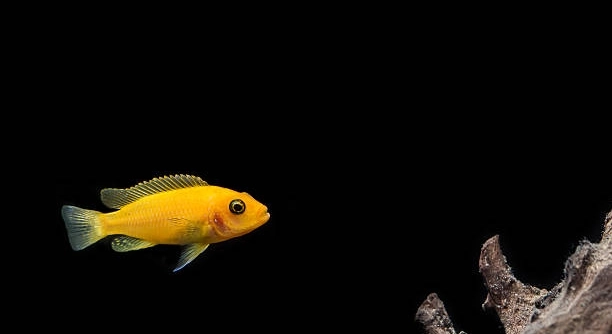
Cichlids are fascinating fish that often display unique behaviors in their tanks. One common action is quivering, which can catch the attention of anyone observing their movements closely. Understanding this behavior can improve care and interaction.
When a cichlid quivers, it is typically a form of communication or a display related to breeding, territory, or stress. This trembling motion can signal readiness to spawn, warn intruders, or indicate environmental discomfort requiring attention.
Observing these subtle movements provides insight into your fish’s health and mood, helping you create a more balanced and supportive aquarium environment.
Understanding Cichlid Quivering
Cichlid quivering can appear subtle or pronounced depending on the fish and situation. Often, this behavior is linked to breeding instincts, where the male or female signals readiness to mate. Some cichlids quiver near a chosen spawning site, showing their partner that the location is suitable for laying eggs. Other times, quivering occurs when a fish is asserting its territory or establishing dominance. Environmental factors, like water temperature or tank setup, can also influence this behavior. Observing patterns in quivering helps determine whether it is natural or a response to stress. Changes in diet, lighting, or tank companions may trigger more noticeable quivering. Maintaining a consistent environment reduces unnecessary stress and allows natural behaviors to occur. Watching these movements over time can deepen your understanding of your cichlid’s needs, giving you insight into their health, mood, and interactions with other fish in the tank.
Quivering is primarily a natural behavior linked to reproduction, communication, and environmental response in cichlids.
Paying close attention to these signals can help you respond appropriately to your fish’s needs. Understanding timing, location, and frequency ensures a healthier, calmer tank.
Signs of Stress and Discomfort
Stress in cichlids often presents through repeated or unusual quivering.
When cichlids quiver excessively, it may indicate stress caused by poor water quality, incorrect temperature, overcrowding, or aggressive tank mates. These fish are sensitive to changes, and sudden movements or loud vibrations in the room can trigger trembling. Quivering can also reflect discomfort due to illness or parasites, making monitoring essential. Adjusting water parameters, providing hiding spaces, and separating aggressive fish can reduce stress. Consistent feeding routines and regular tank maintenance support overall well-being. Tracking behavior over time helps identify patterns that might suggest health issues before they become severe. Stress-induced quivering can appear alongside loss of appetite, faded coloration, or rapid gill movement. By addressing these factors, you can create a safer, more comfortable habitat. Observing your fish closely, responding to environmental triggers, and maintaining a clean, stable tank all contribute to reducing unnecessary quivering caused by stress or discomfort.
Breeding Behavior
Quivering is common during breeding, especially when cichlids prepare to lay eggs or attract a mate. Both males and females may display trembling near chosen sites. This behavior signals readiness and communicates intentions clearly to potential partners.
During spawning, males often quiver to attract females and establish dominance over a territory. Females may quiver in response, indicating they are ready to lay eggs. The quivering is a key part of the courtship ritual, helping synchronize mating behavior. Observing the timing, intensity, and location of quivering can reveal which fish are ready to breed and how they interact with one another. Providing flat surfaces or rocks supports natural breeding activities.
Some species also quiver to clean or prepare spawning sites. This includes moving substrate or fanning fins near eggs to aerate them. Watching these actions closely shows the dedication of cichlids to protecting their young. Recognizing this pattern helps you support healthy reproduction and reduce stress for both adults and fry.
Environmental Triggers
Water quality and temperature directly affect quivering frequency. Small changes can prompt trembling in sensitive fish.
Cichlids respond to environmental conditions in noticeable ways. Poor water quality, rapid temperature fluctuations, or insufficient oxygen levels can increase quivering. Adjusting pH, maintaining proper filtration, and keeping consistent temperatures prevent stress-induced trembling. Tank size and structure also matter. Overcrowding or lack of hiding spots can trigger quivering as a defensive or anxious response. Observing the timing and location of quivering helps pinpoint environmental triggers, enabling timely adjustments to improve comfort and reduce unnecessary stress for your fish.
Regular monitoring of water parameters, maintaining stable temperatures, and providing adequate space and shelter supports calmer behavior. These steps create a more predictable environment, reducing sudden trembling linked to stress. Attention to tank mates and aggressive interactions further minimizes quivering caused by territorial disputes. By combining consistent care and observation, quivering becomes easier to interpret, allowing you to meet the specific needs of each cichlid in the tank.
Communication with Other Fish
Quivering is often a form of communication among cichlids. It can indicate dominance, submission, or readiness to interact with tank mates. Observing these signals helps understand social dynamics in the aquarium.
Some quivering is defensive, warning other fish to keep distance. Recognizing these behaviors prevents conflicts and promotes harmony among tank inhabitants.
Health Indicators
Frequent or unusual quivering can signal health problems. Fish may be reacting to parasites, infections, or internal stressors. Monitoring these signs early allows timely intervention.
Supporting Natural Behavior
Providing proper tank conditions encourages normal quivering related to breeding or social interaction. Clean water, hiding spaces, and compatible companions help fish feel secure.
FAQ
Why does my cichlid quiver constantly?
Constant quivering can indicate stress, illness, or environmental discomfort. Check water quality, temperature, and tank conditions. Overcrowding or aggressive tank mates may also cause repeated trembling. Observing the fish’s other behaviors, such as appetite and coloration, helps determine whether the quivering is normal or a warning sign that adjustments are needed.
Is quivering always related to breeding?
No, quivering is not always linked to breeding. While it is common during mating rituals, cichlids also quiver to establish territory, communicate with other fish, or respond to environmental changes. Monitoring when and where the quivering occurs helps distinguish between reproductive and non-reproductive causes.
Can quivering indicate illness?
Yes, excessive or unusual quivering may signal health issues. Parasites, infections, or internal stressors can trigger trembling. Watch for additional signs such as faded coloration, loss of appetite, rapid gill movement, or lethargy. Early detection allows for timely treatment, improving the chances of recovery.
How can I reduce stress-related quivering?
Maintaining stable water conditions is essential. Keep temperature, pH, and filtration consistent. Provide hiding spaces and ensure tank mates are compatible. Avoid sudden movements near the tank, loud noises, or frequent rearrangements. Gradual changes and proper care help cichlids feel secure, reducing unnecessary quivering.
Does tank setup affect quivering?
Yes, the layout of the tank can influence quivering. Open spaces may expose fish to stress, while hiding spots, rocks, or plants provide security. Territorial disputes often increase in poorly structured tanks. Creating a well-organized environment promotes calmer behavior and supports natural communication and breeding behaviors.
Is quivering a sign of aggression?
Sometimes quivering serves as a warning to other fish. Dominant cichlids may quiver near intruders to assert control over territory. Recognizing these signals prevents unnecessary fights and helps manage tank dynamics effectively. Separating overly aggressive fish can reduce tension and maintain harmony.
Should I intervene when my cichlid quivers?
Intervention depends on the cause. If quivering is linked to breeding or normal social behavior, it is best to observe. If it stems from stress, illness, or poor water conditions, make adjustments immediately. Monitoring environmental factors and fish interactions ensures timely and appropriate responses.
Can diet affect quivering?
Yes, inadequate nutrition or sudden dietary changes can stress cichlids, leading to trembling. A balanced diet with appropriate protein, vegetables, and occasional live foods supports health. Regular feeding schedules and proper portions help reduce stress-induced quivering.
How do I know if quivering is normal?
Normal quivering is usually brief, rhythmic, and occurs in predictable situations like spawning or social interaction. Irregular, prolonged, or frantic quivering often signals stress, poor water conditions, or illness. Careful observation over time provides context for distinguishing normal from abnormal behavior.
Can quivering affect other fish?
Yes, quivering can influence tank dynamics. It may signal aggression, dominance, or readiness to breed, affecting interactions with other fish. Understanding these signals allows for better management of social hierarchies, reducing conflicts and creating a balanced environment.
How often should I monitor my cichlid’s behavior?
Daily observation is ideal. Noticing subtle changes in quivering patterns, activity, or feeding habits allows early detection of stress, illness, or environmental issues. Keeping a simple log of behaviors can help track patterns and make care adjustments as needed.
Does age affect quivering behavior?
Younger cichlids may quiver more frequently as they explore, establish territories, or practice breeding behaviors. Older fish may show quivering linked to health or stress. Age-related observation helps interpret behavior accurately and adjust care practices for each life stage.
Can quivering be triggered by light or sound?
Yes, sudden changes in lighting or loud noises can startle cichlids, causing brief quivering. Gradual adjustments in lighting and minimizing vibrations or external disturbances help maintain calm, reducing unnecessary trembling and promoting stable behavior.
Are there specific species that quiver more?
Certain cichlid species are more prone to quivering due to temperament, breeding habits, or social behaviors. Territorial or highly social species may show more noticeable trembling. Recognizing species tendencies helps predict behaviors and manage tank conditions effectively.
What should I do if quivering persists despite good care?
Persistent quivering may require professional advice. A veterinarian experienced with fish can check for parasites, disease, or internal issues. Continued observation, maintaining optimal tank conditions, and documenting behaviors provide valuable information for accurate assessment and treatment.
Can quivering indicate happiness or comfort?
In some cases, quivering is part of normal, positive behavior. During courtship or playful interactions, quivering may reflect engagement or readiness to interact. Context and accompanying behaviors help distinguish between signs of comfort and stress.
Is monitoring quivering enough to assess fish health?
Quivering alone is not a complete health indicator. It should be considered alongside appetite, color, energy levels, and overall behavior. Combining observations gives a clearer picture of your cichlid’s well-being and helps detect issues early.
How long does quivering usually last?
Duration varies depending on cause. Breeding quivering may last minutes to hours during courtship, while stress-related trembling can persist until the environment is corrected. Noting duration and frequency helps identify whether behavior is normal or requires intervention.
Can quivering affect tank breeding success?
Yes, quivering plays a critical role in mating and territory establishment. Supporting natural behaviors with proper environment, hiding spaces, and compatible pairs increases the likelihood of successful breeding. Observing quivering patterns helps manage breeding programs effectively.
What tools can help monitor quivering?
Recording video or keeping a behavior log helps track quivering over time. Measuring water parameters, maintaining a clean tank, and noting fish interactions provide context to better understand behavior and address potential concerns.
Does quivering change with seasons or temperature shifts?
Temperature and seasonal light variations can influence quivering. Slight changes may trigger courtship, stress, or increased activity. Maintaining stable tank conditions helps minimize unnecessary trembling and supports natural behavioral patterns throughout the year.
Are there preventative measures to reduce unwanted quivering?
Providing consistent water conditions, balanced nutrition, hiding spots, and compatible tank mates reduces stress-induced quivering. Regular monitoring, gentle handling, and gradual adjustments create a stable environment, encouraging natural behaviors and minimizing unnecessary trembling in cichlids.
Can quivering indicate a problem with tank mates?
Yes, interactions with aggressive or overly dominant fish may trigger quivering. Observing social dynamics helps identify incompatible pairs, allowing adjustments like separation or rearrangement of territories to ensure a harmonious tank environment.
Is quivering more noticeable in small tanks?
Smaller tanks can amplify stress-related quivering due to limited space and territorial conflicts. Larger, well-structured tanks with hiding places provide room for natural behaviors and reduce stress-induced trembling. Proper space management is key for calmer cichlid activity.
Should I record quivering for future reference?
Documenting quivering helps track patterns, identify triggers, and measure improvements after environmental or health adjustments. Logs and videos provide valuable insights for long-term care and ensure timely intervention when necessary.
Can quivering indicate reproductive readiness in females?
Yes, female cichlids often quiver to show they are ready to lay eggs. Observing this alongside male courtship behavior helps manage breeding and provides insight into natural reproductive cycles.
Does quivering vary between individual fish?
Individual temperament and personality influence quivering frequency and intensity. Some cichlids naturally quiver more than others. Recognizing individual differences helps interpret behavior accurately and tailor care to each fish’s needs.
How quickly should I respond to unusual quivering?
Immediate assessment is important. Check water quality, tank setup, diet, and interactions with other fish. Early intervention prevents prolonged stress or potential health issues and ensures the well-being of your cichlids.
Can quivering affect other behaviors?
Quivering can influence feeding, social interaction, and breeding behavior. Persistent trembling may reduce appetite or disrupt normal routines. Understanding context ensures appropriate adjustments to maintain balance in the tank.
Is professional help ever necessary?
Yes, if quivering persists despite optimal care, consulting a veterinarian or fish specialist is recommended. Expert guidance helps identify hidden health problems and ensures proper treatment for your cichlids.
How does quivering relate to tank hierarchy?
Quivering often reflects social ranking. Dominant fish may quiver to assert authority, while submissive fish may respond with trembling or retreat. Recognizing these cues supports management of tank dynamics and reduces conflict.
Can quivering be affected by tank decorations?
Yes, the presence or absence of hiding spots, rocks, and plants can influence quivering. Properly arranged decorations provide security and reduce stress, allowing natural behaviors to occur without unnecessary trembling.
Does age or maturity change quivering patterns?
Younger or sexually mature fish may quiver more during exploration or breeding. Older fish may show quivering related to health or stress. Observing changes over time helps distinguish normal age-related behavior from concerning signs.
Are some quivers more concerning than others?
Rapid, erratic, or prolonged trembling usually indicates stress or illness. Smooth, rhythmic quivering during courtship or social interaction is normal. Context and duration help determine whether intervention is needed.
Can I separate fish if quivering causes stress?
Yes, temporarily separating aggressive or stressed fish can reduce quivering and prevent injury. Providing multiple hiding spots or rearranging territories also helps maintain calm without long-term separation.
Does quivering affect fry or young cichlids?
Adult quivering can signal protection or courtship near eggs or fry. Understanding these cues ensures safe breeding and helps monitor the care of young fish.
What are the most common triggers for quivering?
Breeding behavior, territorial disputes, stress from poor water conditions, aggressive tank mates, sudden environmental changes, and illness are the most frequent triggers. Recognizing these factors helps manage quivering effectively.
Can quivering indicate happiness in the tank?
Occasionally, quivering is part of normal interaction, like courtship or playful movements. Observing accompanying behavior such as active swimming, healthy appetite, and vibrant color indicates positive engagement.
How do I differentiate between normal and concerning quivering?
Normal quivering is brief, rhythmic, and context-specific. Concerning quivering is prolonged, irregular, or accompanied by stress indicators like loss of appetite or faded coloration. Detailed observation over time provides clarity for proper care.
Is quivering influenced by tank lighting?
Yes, sudden changes or intense lighting can startle fish, triggering brief trembling. Gradual adjustments in light levels help maintain calm and minimize unnecessary quivering.
Can quivering help me understand my fish better?
Yes, careful observation of quivering patterns reveals breeding readiness, social dynamics, stress levels, and overall health. Interpreting these behaviors improves care and strengthens your understanding of cichlid behavior.
Should I change water frequently to reduce quivering?
Regular water changes support stable conditions, which reduces stress-related trembling. Maintain a consistent schedule to prevent sudden shifts that may provoke quivering.
Cichlid quivering is a natural behavior that serves multiple purposes in the aquarium. It can indicate breeding readiness, territorial communication, or a response to environmental conditions. Observing quivering closely allows you to understand what your fish are experiencing and helps you respond appropriately. The behavior is often rhythmic and brief during normal interactions, especially around breeding or social displays. Noticing when, where, and how your cichlid quivers provides insight into their mood, health, and social structure. Small details, such as the location in the tank, the intensity of trembling, and the reactions of other fish, can reveal whether quivering is a normal behavior or a sign of stress. Paying attention to these cues ensures that you can support your fish’s natural behavior and maintain a calm and balanced environment.
Maintaining optimal tank conditions plays a crucial role in managing quivering. Water quality, temperature, and tank setup directly affect fish behavior, and small inconsistencies can trigger unnecessary trembling. Providing hiding spots, plants, or rocks helps cichlids feel secure and reduces stress-related quivering. Tank mates and social dynamics also influence quivering, as aggressive or overly dominant fish can prompt trembling in more submissive individuals. Monitoring fish interactions and adjusting tank conditions when necessary promotes harmony and reduces conflict. Regular observation, consistent feeding, and careful attention to changes in behavior allow you to identify potential health concerns early. If quivering persists or seems unusual, checking water parameters and assessing the fish for illness, parasites, or other stressors is important. By combining environmental management with attentive observation, you create a stable setting that allows natural behaviors to occur while minimizing stress-induced trembling.
Quivering can also provide valuable information about the overall well-being of your cichlids. It is a form of communication, signaling social status, reproductive readiness, or discomfort, depending on the context. Understanding these signals requires careful and patient observation over time. Changes in frequency, duration, or intensity of quivering may indicate shifts in health, stress levels, or social hierarchy. Supporting natural behavior while monitoring for signs of distress ensures that fish remain healthy and active. Interpreting quivering correctly allows you to respond to the needs of each fish and create a more harmonious tank environment. Consistency, patience, and attention to detail are key in maintaining the well-being of cichlids. By respecting their natural behaviors and providing appropriate care, quivering becomes an informative behavior rather than a cause for concern, helping you better manage your aquarium and support the health and happiness of your fish.

Hello,
If you enjoy the content that we create, please consider saying a "Thank You!" by leaving a tip.
Every little bit helps us continue crafting quality advice that supports the health, happiness, and well-being of pets around the world, for pets of all shapes, sizes, and species.
We really appreciate the kindness and support that you show us!