
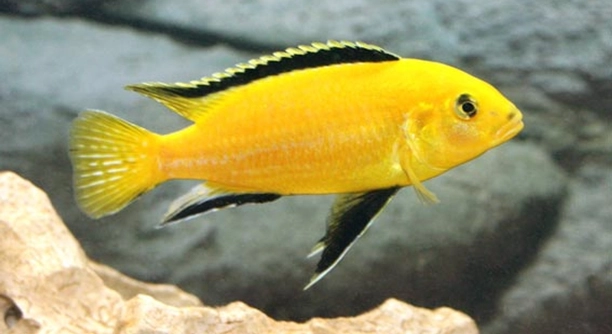
Cichlids are fascinating fish that form strong connections with their partners. Observing their interactions can be both relaxing and rewarding. Many aquarists enjoy learning the subtle ways these fish express attachment and trust.
Bonding between cichlid pairs is often demonstrated through synchronized swimming, mutual grooming, shared territory defense, coordinated feeding, nest building together, gentle nipping, and close proximity. These behaviors indicate trust, attachment, and a stable partnership essential for reproductive success.
Recognizing these behaviors can enhance your understanding of cichlid relationships and help maintain a harmonious aquarium environment.
Synchronized Swimming
Cichlid pairs often swim together in a coordinated manner, moving side by side or mirroring each other’s turns. This behavior is more than just play; it is a clear sign of trust and connection. When you observe your cichlids gliding together across the tank, it demonstrates their comfort with each other’s presence. They tend to match speed and direction, creating an almost choreographed display. This coordinated swimming helps reinforce their bond, especially when they are navigating around decorations, rocks, or plants. Pairs that swim closely also tend to be more protective of each other, alerting one another to potential threats or disturbances. Over time, this behavior can become a daily routine, reflecting the stability of their relationship. It is common to notice that cichlids that swim together frequently also spend more time sharing space for resting or feeding, showing their partnership extends beyond mere movement.
Synchronized swimming helps strengthen communication and trust between cichlid pairs, fostering a more stable and secure pairing.
Watching their swimming patterns can reveal subtle changes in mood, health, and partnership strength, giving you insight into their daily interactions.
Mutual Grooming
Mutual grooming in cichlids involves gentle nibbling or cleaning of each other’s bodies and fins. This action is more than hygiene; it is a direct sign of care and bonding. Pairs that groom each other frequently demonstrate a higher level of trust and comfort. Grooming helps reduce stress by providing tactile reassurance and can prevent minor injuries or parasites from becoming serious issues. Over time, these grooming sessions often become regular, predictable behaviors that strengthen their attachment. Mutual grooming also signals to other tank mates that the pair is well-connected and confident in their bond, often discouraging aggression from outsiders. Observing cichlids carefully, you might notice that grooming usually occurs in quieter areas of the tank, indicating they value privacy during these interactions. The act is gentle and deliberate, not rushed, highlighting the importance of connection over function.
Mutual grooming reflects trust, attachment, and cooperation, crucial for a healthy cichlid relationship.
Pairs that groom each other are typically more cohesive in defending territory, sharing food, and responding to changes in their environment. This behavior also indicates emotional comfort, as both fish must feel secure to allow another close contact. Mutual grooming is often paired with other bonding behaviors, like swimming together or nest building, forming a clear picture of partnership strength. Watching these moments can teach aquarists how cichlids communicate affection and maintain stability. It also allows for early detection of stress or illness if one fish begins avoiding grooming. Over time, these actions become essential for their daily routine, enhancing cooperation and reducing conflicts. Consistent observation can help you notice patterns, such as which times of day or tank areas are preferred for grooming, offering insight into their comfort and trust. Overall, mutual grooming is a quiet but powerful indicator of a healthy, bonded pair.
Shared Territory Defense
Cichlid pairs often defend their area together, chasing intruders or asserting dominance over their space. This teamwork strengthens their bond and keeps their environment secure, showing coordination and mutual understanding.
When a cichlid pair patrols and guards their territory, it demonstrates more than instinct. They communicate through posture, color changes, and quick movements, signaling each other about potential threats. By defending rocks, plants, or nesting sites together, they reinforce their partnership. Pairs that defend territory effectively tend to have fewer conflicts with other tank mates because both fish act in unison. Observing how they respond to intruders reveals their communication style and level of cooperation. Over time, this behavior also helps them maintain a stable environment, which reduces stress and promotes overall health for both individuals. Territorial defense requires energy and trust, showing the depth of their connection and commitment to one another.
This cooperative behavior often extends beyond defense, influencing feeding routines and resting areas. Pairs that work together maintain order, ensuring both have access to resources. Their coordination is a clear indicator of a strong partnership, built on shared responsibility and understanding. Watching this behavior can be both fascinating and informative, offering insights into how cichlids communicate and support each other consistently.
Nest Building Together
Cichlid pairs frequently build nests side by side, arranging sand, rocks, or plants. This shared effort is a direct reflection of their bond and readiness to reproduce.
Working together on a nest requires coordination and mutual focus. One fish may move materials while the other arranges them or guards the area. This behavior strengthens trust, as both must rely on each other to create a safe and suitable environment. Nest building also signals commitment and compatibility, with each fish contributing in ways that complement the other’s actions. Over time, patterns emerge, showing preferred areas, techniques, and even subtle roles within the pair. The act itself is both functional and social, reinforcing attachment and preparing them for future reproductive tasks. Observing this behavior closely can help you understand how pairs manage cooperation, problem-solving, and shared responsibilities.
A nest built together reflects more than preparation for eggs; it represents collaboration, communication, and long-term partnership. Pairs that invest time in nest construction tend to coordinate other activities smoothly, such as feeding, cleaning, and defending territory. The shared focus strengthens their connection and ensures both fish feel secure in their environment. Watching how they negotiate tasks, divide effort, and respond to minor disruptions provides insight into their compatibility. Over time, the nest also becomes a familiar space that reinforces daily routines and trust. This consistent cooperation is a strong indicator of a stable, bonded cichlid pair.
Gentle Nipping
Cichlid pairs often engage in gentle nipping, lightly touching fins or bodies without causing harm. This behavior is a way to communicate and reinforce their connection, showing comfort and familiarity between the two fish.
Gentle nipping helps establish boundaries and social understanding. It is a subtle way to interact, signaling attention or reassurance without aggression. Over time, this behavior becomes a regular form of communication, indicating trust and cooperation within the pair.
Close Proximity
Cichlid pairs frequently stay close together, resting or swimming near each other. This proximity reflects comfort and security, showing they feel safe in each other’s presence.
Staying near each other strengthens bonds and provides a sense of mutual protection. Close proximity allows for quick coordination in defense, feeding, or nest building. It also reinforces emotional attachment, reducing stress and promoting a harmonious environment. Pairs that remain close often demonstrate stronger cooperation and overall stability in their interactions, highlighting the depth of their partnership. Observing how they share space can give insight into their comfort levels and the health of their relationship.
Coordinated Feeding
Pairs often eat near each other, sharing food without conflict. This coordination demonstrates trust and understanding between the cichlids.
How can I tell if my cichlid pair is bonded?
A bonded cichlid pair often displays several consistent behaviors that show trust and attachment. Look for synchronized swimming, where both fish move side by side or mirror each other’s movements. Mutual grooming, gentle nipping, and close proximity while resting or swimming are also strong indicators. Pairs that defend territory together and build nests collaboratively show even deeper connections. Consistent coordinated feeding and shared spaces without aggression further confirm their bond. Observing these behaviors over time provides clear insight into the strength of their relationship.
Why do cichlids swim together so often?
Swimming in unison is more than just companionship. It signals comfort and trust between the two fish. Coordinated movement helps them communicate silently, respond to potential threats, and maintain social structure. Pairs that swim together often share responsibility for territory defense, feeding, and nest maintenance. This behavior also reduces stress and strengthens their partnership. In many cases, cichlids that swim in sync display higher reproductive readiness, as the coordination demonstrates compatibility and mutual understanding. Watching their swimming patterns reveals not only attachment but also how they cooperate daily.
Is mutual grooming important for cichlids?
Yes, mutual grooming plays a significant role in maintaining bonds. When cichlids clean or gently nibble each other’s fins or body, it shows trust and reduces tension. Grooming also helps prevent minor injuries and keeps scales or fins healthy. This cooperative behavior strengthens attachment, signaling comfort and reliability. Pairs that groom regularly tend to coordinate better in other activities like feeding, defending territory, and building nests. Lack of grooming may indicate stress, illness, or discomfort in the pairing, making it an important behavior to observe closely.
What does gentle nipping mean in a cichlid pair?
Gentle nipping is a subtle form of communication. Unlike aggressive biting, it is light and deliberate, usually around fins or the body. It helps establish boundaries and reinforces familiarity between the pair. This behavior indicates comfort and trust, showing the fish feel safe enough to interact physically without fear of conflict. Pairs that nudge each other lightly often display better coordination in daily tasks, like feeding and nest building, and maintain more stable interactions. Observing gentle nipping can help you understand the social dynamics and attachment level of your cichlid pair.
Why do cichlids stay close to each other?
Close proximity is a clear sign of security and trust. When pairs swim, rest, or feed near each other, they feel safe in each other’s presence. Staying close helps with quick coordination during defense, feeding, or nest preparation. It also reduces stress and fosters emotional attachment. Pairs that maintain proximity are typically more cohesive, displaying stronger cooperation and stability. Watching how often and where they stay together gives insight into their comfort level and overall bond.
How do cichlids defend territory as a pair?
Territory defense is a cooperative behavior that strengthens bonds. When both fish chase away intruders or guard nesting sites, it demonstrates teamwork and mutual understanding. Coordinated defense reduces conflict with other tank mates and helps maintain a stable environment. This shared responsibility reinforces trust and attachment, showing that each fish relies on the other to secure their shared space. Pairs that defend territory together are generally more confident and demonstrate higher overall stability in their behaviors.
Can nest building indicate a strong bond?
Yes, nest building together is one of the clearest signs of partnership. Each fish often has a role, whether moving materials or arranging them carefully. This requires coordination, trust, and shared focus. A well-constructed nest reflects their compatibility and readiness to reproduce. Observing how they build, defend, and maintain the nest can show how committed and cohesive the pair is. Pairs that engage in collaborative nest building usually display more consistent cooperation in feeding, grooming, and swimming behaviors, making it a key indicator of bond strength.
Does coordinated feeding matter for their relationship?
Feeding together without conflict shows trust and understanding. Cichlids that coordinate meals share space comfortably and avoid aggression, demonstrating attachment and cooperation. This behavior also strengthens their partnership by reinforcing daily routines and stability. Observing how they eat near each other, without stress or dominance issues, can indicate the overall health of their bond. Pairs that coordinate feeding typically show better cooperation in other activities, such as nest building and territory defense, which are essential for maintaining a harmonious relationship.
How can observing these behaviors improve my aquarium management?
Watching bonding behaviors gives valuable insight into the health and comfort of your cichlid pair. You can detect stress, illness, or changes in social dynamics early. Understanding these interactions helps maintain a peaceful environment, ensures proper feeding, and supports reproduction when desired. Observing swimming patterns, grooming, proximity, and nest building allows you to make informed adjustments to tank layout, enrichment, and care routines. Strong bonds also reduce aggression and promote a stable social structure. Tracking these behaviors regularly improves overall tank harmony and ensures both fish thrive.
Cichlids are fascinating fish, and observing their bonds can be very rewarding. Over time, it becomes clear that pairs communicate in subtle but meaningful ways. Whether it is swimming together, grooming each other, building nests, or defending their territory, these behaviors show trust and cooperation. Paying attention to these signs can help you understand your fish better and provide an environment where they feel safe and comfortable. Watching them interact is not only interesting but also helps you ensure they are healthy and content in their home.
When a pair of cichlids demonstrates these bonding behaviors consistently, it is often a sign of a stable and balanced relationship. Mutual grooming and gentle nipping, for example, indicate that the fish feel secure with one another. Coordinated feeding and close proximity show that they can share space and resources without conflict. Even territorial defense and nest building are not just practical behaviors; they reflect partnership, communication, and cooperation. Observing these activities regularly can give you insight into their comfort level, mood, and even their readiness to reproduce. Paying attention to these subtle cues allows you to manage your aquarium more effectively.
Maintaining a healthy environment is important to support these bonds. Providing enough space, hiding spots, and resources can reduce stress and encourage natural behaviors. Changes in water quality, tank layout, or diet can affect how pairs interact, so consistent care is essential. Supporting these behaviors can strengthen their bond and help maintain harmony within the tank. Over time, recognizing these signs will make you more aware of your cichlids’ needs, allowing you to respond appropriately and create an environment where they thrive together. Observing, understanding, and supporting their behaviors can make caring for cichlids a more engaging and satisfying experience.

Hello,
If you enjoy the content that we create, please consider saying a "Thank You!" by leaving a tip.
Every little bit helps us continue crafting quality advice that supports the health, happiness, and well-being of pets around the world, for pets of all shapes, sizes, and species.
We really appreciate the kindness and support that you show us!