
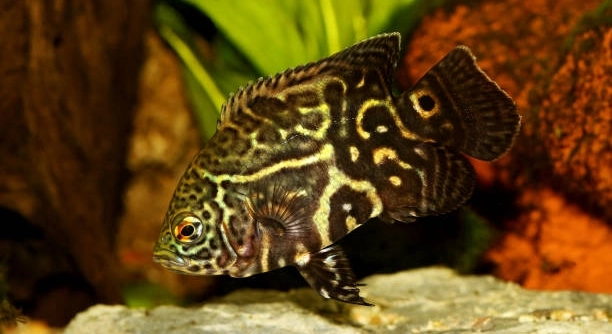
Oscar fish are known for their energetic and lively behavior. However, there may be times when they become unusually still, raising concerns for their owners. Understanding the reasons behind this behavior can help ensure the well-being of the fish.
An Oscar fish may go still due to various factors, such as stress, illness, or water quality issues. If the fish is lethargic for an extended period, it could indicate a more serious problem, requiring immediate attention and investigation.
Addressing the cause of an Oscar fish’s stillness can help improve its health. By understanding these key factors, you can take appropriate steps to provide a healthier environment for your fish.
Common Causes for an Oscar Fish to Go Still
Oscar fish are active and curious creatures, so it can be alarming when they suddenly stop moving. Several factors can contribute to this stillness, such as water quality, tank conditions, or even the fish’s health. Poor water conditions, such as high ammonia levels or low oxygen, can make the fish lethargic. Additionally, environmental stress, such as sudden changes in temperature or inappropriate tank mates, might also cause an Oscar to go still. Overcrowding or a lack of hiding spots can increase stress, making them less active. It’s important to check for any changes in the environment and adjust accordingly.
A sudden drop in water temperature can be particularly stressful. If the temperature falls too low, the Oscar will become sluggish and may refuse to eat. Even a slight change can have a noticeable effect.
Another factor is improper feeding. If your fish is not eating or is overfed, this can also lead to inactivity. A well-balanced diet should be provided to avoid such issues. Pay attention to the type of food you’re offering and ensure it meets the fish’s needs.
Stress and Illness
Stress is one of the leading causes of an Oscar fish going still. When Oscars experience stress, they can retreat into a corner of the tank, avoiding interaction with the environment around them. Often, this is a sign of distress. It’s crucial to look for signs like clamped fins, fading colors, or refusal to eat. These are all indicators of potential stress or illness.
Fish can also develop infections or diseases that make them less active. These can be caused by poor water conditions, contamination, or an introduction of sick fish into the tank. To prevent this, regular water changes and quarantine periods for new fish are essential. Proper maintenance of the tank, including filtration, ensures the environment stays healthy. If an Oscar fish does become sick, early detection is key to recovery. Keeping a close eye on their behavior and physical condition can make a significant difference.
Poor Water Quality
When the water quality in the tank isn’t optimal, your Oscar fish can become still and lethargic. High levels of ammonia, nitrites, or nitrates can harm the fish’s health. Make sure to test the water regularly and keep these levels within a safe range. A reliable filtration system and regular water changes are essential.
Water temperature is another factor to monitor closely. If the temperature fluctuates too much or falls outside the optimal range (about 74-81°F or 23-27°C), your Oscar may show signs of stress. Low oxygen levels can also cause them to become sluggish. Ensure your tank has adequate aeration, especially in larger setups. Regular maintenance of the tank’s filtration system will prevent harmful buildup of toxins. Keep an eye on the water’s clarity and odor, which can indicate issues that need attention.
Tank Size and Space
Oscar fish require plenty of space to move around. In a tank that’s too small, they can become stressed and inactive. A minimum of a 75-gallon tank is recommended for one Oscar fish, with additional space if you plan to keep more. They are territorial and need enough room to establish their space and avoid conflict with other tank mates.
If your tank is overcrowded or lacks hiding spots, your Oscar may retreat and become still. Too many fish in a tank can lead to aggression or stress. Additionally, Oscar fish need space to swim freely. Overcrowding reduces the water quality and increases stress levels, making the fish less active. It’s essential to evaluate the tank’s setup and adjust it according to the size of your fish and the number of tank mates. A spacious, well-arranged tank helps promote the health and activity level of your Oscar fish.
Illness and Infections
Oscar fish are susceptible to various diseases that can make them appear still. These can include external parasites, internal infections, or fungal issues. Symptoms like discoloration, open sores, or swelling might indicate a problem. If you notice these signs, prompt action is needed to address the illness.
Infections can spread quickly if untreated. If your Oscar shows signs of illness, it’s important to quarantine the fish and start treatment immediately. Use appropriate medications for the specific infection. Maintaining good water quality and a stress-free environment will also support recovery. Keeping a close watch on their behavior can help catch problems early.
Stress from Tank Mates
Sometimes, an Oscar fish will become still due to stress caused by its tank mates. Oscars are territorial and can feel threatened by other fish. Aggressive species or overly active fish can increase anxiety levels, leading to inactivity. Observe interactions closely to assess compatibility.
Ensure your tank mates are compatible with your Oscar. Aggressive or overly timid fish can cause stress, so choose companions wisely. Oscars do well with larger, peaceful fish that won’t invade their space. If your Oscar shows signs of stress, you might need to rearrange the tank or even separate certain fish.
FAQ
Why is my Oscar fish not eating and staying still?
There could be a few reasons why your Oscar fish is not eating and staying still. Stress, water quality issues, or illness are common causes. Poor water conditions like high ammonia or nitrite levels can cause your fish to feel unwell, which might lead to lethargy and loss of appetite. Stress from tank mates or environmental changes can also affect the fish’s behavior. If the Oscar is refusing to eat and staying still for an extended period, it’s important to address the water quality and look for signs of illness.
How can I tell if my Oscar fish is sick?
Sick Oscar fish often display certain signs, such as lethargy, refusal to eat, discolored spots, or visible lesions on their bodies. Fins that are clamped against the body or excessive rubbing against tank objects can also signal distress. In severe cases, you may notice swelling, abnormal swimming patterns, or rapid gill movement. If any of these signs are present, it’s crucial to examine the water conditions, remove any potential sources of stress, and treat the fish accordingly. Quick intervention can prevent further complications.
What are some signs of stress in an Oscar fish?
Stress in an Oscar fish can manifest in several ways. A stressed Oscar may stop eating, swim erratically, or hide more than usual. You might also notice that it becomes more aggressive or less active. If the Oscar seems to be in a corner of the tank or hiding frequently, it could be an indicator that something is wrong. Stress can also cause the fish’s colors to fade, or they may rub against objects or scratch themselves. Keep an eye on their behavior to catch these signs early.
Can water temperature affect my Oscar fish’s activity level?
Yes, water temperature plays a significant role in your Oscar’s activity levels. Oscars thrive in water temperatures between 74-81°F (23-27°C). If the water is too cold or too hot, the fish may become sluggish and inactive. Water that is too cold can lower the fish’s metabolism, while water that is too hot can increase stress. Regularly check the temperature of the water using a reliable aquarium thermometer to ensure it’s within the optimal range. A stable temperature is essential to keep your fish healthy and active.
What should I do if my Oscar fish is not moving?
If your Oscar fish isn’t moving, the first step is to check the water quality. Test for ammonia, nitrites, and nitrates, and ensure the pH and temperature are within the appropriate range. If water conditions are poor, perform a water change and adjust the tank setup. Look for signs of illness such as bloating, lesions, or discolored spots, and check for any external parasites. If the water quality is fine and no signs of illness are visible, it could be stress-related. Consider adjusting the tank environment, ensuring there are enough hiding places, and removing any aggressive tank mates.
Can overcrowding in the tank cause my Oscar fish to go still?
Yes, overcrowding in the tank can stress your Oscar fish, leading to inactivity or lethargy. Oscars are territorial and need ample space to swim and explore. In a cramped environment, they may feel threatened and may not engage as actively. Overcrowding can also lead to poor water quality, as the more fish in the tank, the harder it is to maintain clean water. To keep your Oscar healthy, make sure the tank is large enough for the number of fish you have. A 75-gallon tank is generally recommended for one Oscar fish.
How often should I clean my Oscar fish tank to prevent inactivity?
Cleaning your Oscar fish tank regularly is crucial for maintaining good water quality, which can prevent inactivity. A partial water change of about 25-30% should be done weekly. This helps keep ammonia and nitrates in check. You should also clean the filter and remove any excess food or waste. Be careful not to disrupt the beneficial bacteria in the tank, as they help break down toxins. Regular cleaning will ensure that the water remains healthy and the tank environment stays stress-free for your Oscar.
Why is my Oscar fish not swimming?
An Oscar fish that isn’t swimming could be experiencing several issues. It might be ill, stressed, or dealing with poor water quality. First, check the water parameters and ensure the temperature, pH, and ammonia levels are correct. If the water conditions are fine, stress from other tank mates or a lack of space could be causing the fish to retreat. Make sure the tank is large enough and has enough hiding spots. If the Oscar continues to be immobile, consider quarantining the fish and checking for signs of illness.
Is it normal for Oscar fish to go still after feeding?
It’s not uncommon for Oscar fish to become still after a meal. Some fish, including Oscars, can become less active after eating, as their metabolism is busy digesting food. However, if the fish remains still for too long or shows other signs like bloating or discoloration, it could indicate a problem. If the inactivity lasts more than a few hours, check the water conditions and monitor the fish for other symptoms that could indicate an issue with digestion, illness, or stress.
How can I prevent my Oscar fish from becoming too stressed?
To prevent stress, ensure that your Oscar fish has enough space and a comfortable environment. A minimum of 75 gallons is recommended for one Oscar fish. Avoid overcrowding the tank, and select compatible tank mates that won’t stress your Oscar. Provide hiding spots and plants to make the fish feel secure. Keeping the water quality high by performing regular water changes, maintaining the correct temperature, and checking the filtration system will reduce the chances of stress. Lastly, avoid sudden changes in the environment or adding new tank mates too quickly.
Final Thoughts
An Oscar fish going still can be concerning, but it’s important to remember that this behavior is often a sign of an underlying issue. Whether it’s poor water quality, stress, or illness, addressing the root cause can often restore the fish’s health. Start by checking the water conditions. Oscars need clean water with proper levels of ammonia, nitrites, and nitrates. Keeping the water temperature stable within the recommended range of 74-81°F (23-27°C) also helps maintain their energy levels. If the water quality is poor, perform a water change and make necessary adjustments to the filtration system.
Stress is another common factor that can cause your Oscar fish to become inactive. Oscars are territorial creatures, and they can feel threatened by aggressive tank mates or overcrowded conditions. Make sure that your fish has enough space to move freely, and consider separating aggressive fish or adjusting tank decor to provide more hiding spots. Sometimes, simply rearranging the tank can help reduce stress. If your fish is being harassed by others, isolating them can help calm them down. Remember, Oscars are sensitive to changes in their environment, so be mindful of sudden shifts.
If you’ve ruled out water quality and stress as factors, it may be time to check for signs of illness. Infections, parasites, or other health issues can cause an Oscar to appear still. Look for any physical signs such as lesions, swelling, or abnormal swimming patterns. If you suspect your Oscar is sick, it’s important to treat the issue promptly. Isolating the fish in a quarantine tank can prevent the spread of illness to other tank mates. Quick action can often lead to a successful recovery, and your Oscar will be back to its active self in no time. Regular observation and care are key to maintaining a healthy environment for your fish.

Hello,
If you enjoy the content that we create, please consider saying a "Thank You!" by leaving a tip.
Every little bit helps us continue crafting quality advice that supports the health, happiness, and well-being of pets around the world, for pets of all shapes, sizes, and species.
We really appreciate the kindness and support that you show us!