
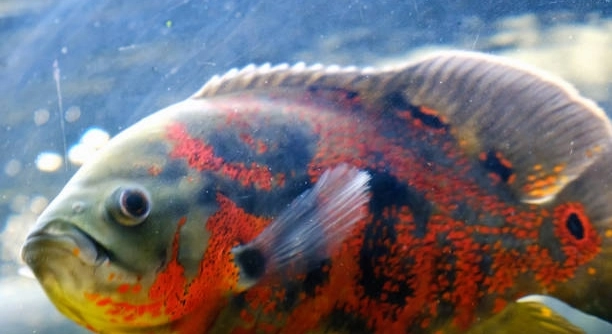
Do you ever find yourself making changes to your Oscar fish’s tank and then noticing sudden odd behavior or stress?
Oscar fish can react strongly to even minor changes in their environment. These reactions are often caused by shifts in water quality, tank layout, temperature, or the introduction of new tank mates.
Each change in the tank can affect your Oscar in a different way, and understanding these effects can help prevent future issues and improve your fish’s well-being.
Changing the Water Too Quickly
Oscar fish are sensitive to sudden changes in water parameters. When you do a large water change all at once, it can cause a rapid shift in pH, temperature, or hardness. This may stress your Oscar and lead to erratic swimming, loss of appetite, or even hiding. While water changes are necessary, doing them too fast or replacing too much at once can have a negative impact. Stick to smaller, more frequent changes—about 20–30% at a time. Make sure the new water is close in temperature and properly treated to remove chlorine. Even if the tank looks clean, your Oscar can feel the change in water chemistry right away. For a fish that thrives on consistency, even slight imbalances are enough to throw things off. Patience is key, and slow, steady routines will help your Oscar stay calm and healthy.
Changing too much water at once can overwhelm your Oscar and disturb the biological balance of the tank.
Small, regular water changes help maintain clean conditions while giving your Oscar time to adjust. It’s not just about removing waste, but also protecting stability. An Oscar may not show distress right away, but over time, poor water habits can lead to illness. Avoiding sudden changes will go a long way in keeping your fish active, alert, and safe in its tank.
Rearranging Tank Decorations
Even small changes to the layout can confuse your Oscar and cause stress.
Oscar fish are territorial and rely on visual markers in the tank to feel secure. When you move or remove decorations, they may become disoriented. A favorite hiding spot or familiar plant placement provides comfort and routine. Rearranging everything at once can lead to aggressive behavior or hiding. It may seem fun to redesign the tank, but for your Oscar, it’s like waking up in a completely different space. Try moving things gradually and observe how your fish responds. If you add new decorations, give your Oscar time to explore. Avoid cluttering the tank too much, and leave clear swimming areas open. Rearranging during water changes can double the stress, so it’s better to do these separately. A balanced, predictable setup helps your Oscar feel in control, reducing the risk of sudden behavioral shifts. Keep things simple and consistent for the best results.
Adding New Tank Mates
Oscar fish don’t always welcome new tank mates. Even peaceful additions can lead to tension, especially if space is limited. Oscars are territorial and may act aggressively or become withdrawn when their space feels threatened.
When you introduce new fish, your Oscar may start chasing, nipping, or displaying territorial behavior. It’s not always about aggression—sometimes they feel unsafe or overstimulated. Tank mates that are too small may even be seen as food. Before adding any fish, make sure the tank is large enough and provides hiding spots for all. Quarantine new fish to prevent disease, and monitor your Oscar closely after introduction. Watch for changes in eating, swimming patterns, or visible stress. Add tank mates slowly, ideally one at a time, and choose species known to be compatible with Oscars.
Introducing new fish without planning can cause long-term issues. It can upset the tank’s balance and make your Oscar anxious. Some Oscars may adjust eventually, but others continue to act out. A well-matched tank mate needs to be close in size, able to defend itself, and uninterested in challenging the Oscar. Even if they seem calm at first, things can change as they mature. A peaceful tank is possible with careful choices and close monitoring.
Sudden Temperature Fluctuations
Oscars are tropical fish that rely on stable water temperatures. Sudden drops or spikes can cause them to lose energy or become sick. Heaters that malfunction or inconsistent room temperatures are often behind these changes.
If the water becomes too cold, your Oscar might stop eating and become sluggish. Temperatures that rise too high can increase aggression and reduce oxygen levels in the water. Try to keep the temperature between 74°F and 80°F. A reliable aquarium heater with a built-in thermostat helps a lot. Also, use a thermometer to track daily changes. Avoid placing the tank near windows, vents, or radiators that can influence the temperature. Sudden changes during water changes are common too, so always match the new water to the tank temperature. Stable conditions make your Oscar feel safe and reduce stress. Preventing temperature swings is a simple step with a big impact on their health and behavior.
Changing the Lighting Setup
Bright or sudden lighting changes can make your Oscar feel exposed. A strong new light or long lighting hours may lead to stress or hiding. Oscars prefer a stable light routine with dim areas where they can retreat.
Switching from soft lighting to intense LEDs can shock your fish. Always adjust lighting slowly.
Altering the Filtration System
When you upgrade or replace your filter, your Oscar may react to changes in flow or water clarity. A stronger current can cause stress, especially if the fish is used to calmer water. The filter also holds beneficial bacteria that help maintain safe water levels. Replacing it all at once can disrupt the tank’s cycle. Always rinse new filter media in tank water before use, and if possible, run the new filter alongside the old one for a few weeks. This gives the tank time to adjust and avoids harming the balance your Oscar depends on. Smooth transitions are key here.
Introducing Strong Scents Nearby
Strong household scents like air fresheners, candles, or sprays near the tank can affect your Oscar. Fish breathe through their gills, and airborne chemicals can reach the water. Keep any scented products far away to protect your fish’s health.
FAQ
Why does my Oscar fish stop eating after a tank change?
Oscars often stop eating when they’re stressed, and sudden tank changes can trigger that. Whether it’s a big water change, new tank mates, or different decorations, it can disrupt your Oscar’s sense of safety. When they feel unsure of their surroundings, they tend to retreat and eat less. Give them time to adjust, and avoid making multiple changes at once. Keep the water parameters steady, and try to offer familiar food. If they still refuse to eat after a few days, check water quality and watch for signs of illness. Sometimes, it’s just a matter of patience.
How can I tell if my Oscar is stressed?
Stress in Oscars shows up in several ways. You might notice they hide more often, lose their appetite, or show pale or darkened colors. Some may breathe heavily or dart around the tank suddenly. Aggression or excessive digging can also be signs. It’s important to rule out water issues first—test for ammonia, nitrites, and pH. If water quality is fine, think back to any recent changes in the tank. Even a small shift in temperature or lighting can affect them. The key is to watch their behavior closely and respond calmly to what they’re showing you.
What temperature range is best for Oscar fish?
The ideal water temperature for Oscar fish is between 74°F and 80°F (23°C–27°C). Stability is just as important as the number. Rapid changes outside of this range can lead to stress or illness. A good aquarium heater and thermometer will help keep things consistent. Avoid placing the tank where it’s exposed to direct sun or cold drafts. If your home’s temperature fluctuates a lot, consider using a second heater or insulation around the tank. Keeping a stable temperature helps your Oscar stay active, eat regularly, and avoid problems like ich or infections linked to temperature stress.
Can changing the tank decorations really upset an Oscar?
Yes, even small layout changes can upset an Oscar fish. They are territorial and use decorations as landmarks to understand their space. When you remove or shift these, it can make them feel insecure or threatened. This often leads to hiding or aggressive behavior. If you need to clean or move things, try doing it in stages. Move one or two items at a time, not everything all at once. Watch your Oscar’s behavior afterward—if they seem nervous, give them time to adjust. A stable and familiar environment helps them feel safe and reduces stress overall.
Is it okay to use tap water for Oscar tanks?
Tap water is fine as long as it’s treated properly. Untreated tap water usually contains chlorine or chloramine, which can harm your fish. Use a water conditioner before adding it to the tank. Also, check your tap water’s pH and hardness, as these can vary by location. Oscars prefer slightly acidic to neutral pH (around 6.5–7.5). Matching the temperature of the new water to the tank is also important—sudden temperature shifts can cause stress. Regular testing and conditioning can turn regular tap water into a safe environment for your Oscar.
Why is my Oscar acting aggressive after adding a new fish?
Oscar fish are naturally territorial, especially in smaller tanks. Adding a new fish can make your Oscar feel like its space is being invaded. They may chase or nip at the new tank mate, even if it’s not a threat. Make sure your tank is large enough—at least 75 gallons for one Oscar, more if you have others. Choose tank mates carefully; they should be close in size and temperament. Adding hiding spaces and breaking line of sight can help ease tensions. If aggression continues, it may be necessary to separate them or rethink tank stocking choices.
How often should I clean the tank to keep my Oscar healthy?
Cleaning should be done regularly, but not too aggressively. A good routine is doing partial water changes—about 20–30%—once a week. Use a gravel vacuum to remove waste from the substrate. Clean the filter media gently in tank water (never tap water) to preserve beneficial bacteria. Avoid over-cleaning, as it can remove the good bacteria that help balance the tank. Scrape algae off the glass as needed, and wipe down equipment if it looks dirty. A steady routine keeps the environment clean without shocking your Oscar with too many changes at once.
Final Thoughts
Oscar fish are beautiful and intelligent, but they need a stable and well-managed tank to stay healthy. They notice even the smallest changes, and their reactions can be strong. Things like water temperature, lighting, and tank layout may seem minor to us, but to your Oscar, they can feel very different. That’s why it’s so important to make changes slowly and with care. Sudden shifts in their environment can cause stress, affect their behavior, and even lead to illness if not managed properly. Keeping your tank consistent helps your Oscar feel secure and reduces the chances of stress-related issues.
If you ever notice your Oscar acting differently after a change, it’s best to pause and review what might have triggered it. A small adjustment like moving a decoration or changing the filter flow could be enough to cause discomfort. Always watch their behavior after making changes, and give them time to adapt. If you need to make several updates, do them one at a time over a few days or weeks. That way, your Oscar isn’t overwhelmed. Also, test your water regularly. Poor water quality is often behind most problems, and regular testing can help catch issues early before they affect your fish.
In the end, caring for an Oscar fish means staying consistent and paying attention. They are sensitive to their surroundings and depend on you to keep their tank balanced and safe. It’s not about having the fanciest setup or biggest decorations—it’s about keeping everything stable and clean. The more you learn about your Oscar’s needs and habits, the easier it becomes to spot when something isn’t right. And when things are done carefully, your Oscar will show it through active swimming, good appetite, and bright colors. A calm, steady tank means a calm, happy fish. Keeping your Oscar’s space peaceful takes effort, but it’s worth it when you see them thriving.

Hello,
If you enjoy the content that we create, please consider saying a "Thank You!" by leaving a tip.
Every little bit helps us continue crafting quality advice that supports the health, happiness, and well-being of pets around the world, for pets of all shapes, sizes, and species.
We really appreciate the kindness and support that you show us!