
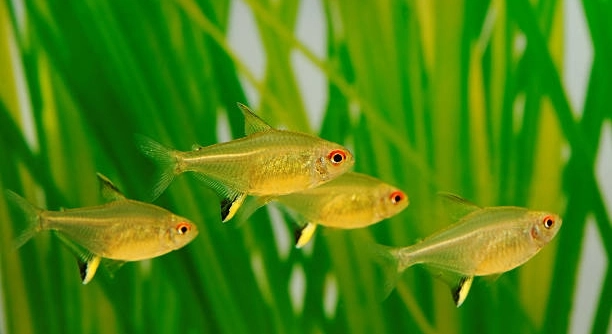
Lemon tetras are small, bright fish that brighten any community tank. They are active swimmers, but even these lively fish can get startled by sudden movements or unfamiliar changes in their environment. Watching them react is interesting and gentle.
When lemon tetras are spooked, they typically dart quickly to hide among plants or decorations. They may swim in tight groups and display rapid fin movements, signaling stress and an instinctive response to potential threats within their surroundings.
Observing these reactions can help you create a safer, calmer environment for your fish. Learning their behaviors improves both their comfort and your enjoyment of the tank.
Common Triggers That Startle Lemon Tetras
Lemon tetras are sensitive to changes in their tank. Sudden movements near the aquarium, loud noises, or bright flashes of light can make them dart nervously. Even small vibrations on the table or a sudden hand in the tank can trigger panic. They are also affected by other fish, especially larger or more aggressive species. If the water conditions suddenly change, such as temperature shifts or high levels of chemicals, they may display stress behaviors. Lemon tetras prefer stable surroundings and clear hiding spaces, so keeping the tank predictable helps minimize spooking. Regular maintenance routines, like feeding at the same time each day, also provide a sense of security. Observing your tetras closely allows you to notice subtle signs of unease, like rapid fin movements or sudden group clustering. Over time, you can learn which situations consistently trigger stress, making it easier to protect your fish.
Monitoring your tank’s environment carefully reduces unnecessary stress and keeps your tetras healthier and calmer overall.
By identifying the specific triggers, you can create a calmer tank. Providing plenty of plants and decorations allows them to hide and feel safe. Grouping lemon tetras together encourages natural schooling behavior, which helps them feel secure when startled. Avoid tapping the glass or making abrupt changes in lighting, and always acclimate new fish slowly. Even small adjustments, like gradually increasing light or introducing new objects, can prevent panic responses. Over time, consistent care builds trust in their environment, and your tetras become less reactive. Watching them settle into familiar routines shows the effectiveness of maintaining a stable habitat. This attention to detail is key to ensuring that lemon tetras thrive and display their natural, playful personalities without unnecessary stress.
Recognizing Stress Signs
Rapid swimming, hiding, and fin clamping are common stress indicators. They can happen in response to sudden stimuli or unsafe conditions.
Identifying these signs early allows you to intervene before stress affects their health. Over time, lemon tetras can develop patterns that indicate discomfort, making it easier to adjust the environment. Observing behavior closely ensures that you notice subtle changes, such as brief bursts of darting or unusual coloration shifts. Stress may also affect appetite, causing them to eat less or skip feeding altogether. Ensuring water quality is optimal, decorations provide hiding spots, and light levels are consistent helps reduce these reactions. Keeping their tank peaceful and predictable improves both their well-being and your experience as an owner. Regular observation is essential, and understanding what constitutes normal behavior versus stress responses is key to maintaining a healthy, comfortable aquarium for lemon tetras.
How Lemon Tetras React Instantly
When startled, lemon tetras often swim in tight, fast-moving groups. They dash to the nearest hiding spot and may freeze for several seconds. Their fins spread rapidly, and their bright yellow color can become slightly more intense.
These fish rely on schooling to feel safe. When one tetra senses danger, the whole group reacts almost instantly, moving together in coordinated bursts. Hiding among plants or decorations is a natural defense mechanism. Rapid swimming and sudden turns help them avoid perceived threats. Observing these behaviors can show you how sensitive lemon tetras are to their surroundings. Regularly seeing these responses helps you recognize when the tank environment might need adjustments. Consistent monitoring ensures the fish remain calm.
Sometimes, their reactions include jumping or skimming near the water surface. This behavior can be alarming but is natural for sudden stress. It’s important to reduce abrupt disturbances to keep them safe. Proper tank layout, with plenty of cover and stable water conditions, helps minimize extreme responses. By providing predictable surroundings, you help your tetras stay relaxed while still enjoying their active, playful nature.
Creating a Calm Environment
Dense plant coverage and hiding spots reduce stress in lemon tetras. Small caves, driftwood, and leafy areas provide safety and comfort.
Stable water conditions, consistent lighting, and gentle handling keep tetras relaxed. Avoid sudden temperature swings or abrupt changes in water chemistry. Introduce new tank mates gradually to prevent startling them. Decorations should be arranged to create natural pathways and shelters. Observing their behavior while making changes ensures minimal stress. Even subtle vibrations from nearby activity can trigger reactions, so placing the tank in a quiet area helps. Over time, they learn to explore confidently when they feel secure. A calm environment encourages natural swimming patterns, reduces panic, and supports overall health.
Frequent monitoring of water quality is essential for a stress-free habitat. Parameters like temperature, pH, and nitrate levels should remain stable. Plants not only provide hiding spaces but also improve oxygen levels and water quality, which further contributes to a safe environment. Adjusting the light gradually rather than abruptly helps prevent startling responses. Avoid tapping the glass or reaching suddenly into the tank. Grouping lemon tetras in appropriate numbers allows them to rely on schooling behavior, enhancing their sense of security. By maintaining these conditions, their natural behaviors thrive, and the aquarium becomes a peaceful, enjoyable setting for both the fish and you.
Sudden Movements
Lemon tetras are easily startled by sudden movements outside the tank. Quick hand gestures or tapping on the glass can make them dart or hide. Keeping activity around the tank calm helps them feel secure and reduces stress reactions.
Even shadows or reflections can trigger a startle response. They may swim rapidly or cluster together for safety. Maintaining a stable environment minimizes these moments of panic and allows them to swim naturally without constant fear.
Importance of Water Quality
Stable water conditions are essential for lemon tetras’ well-being. Rapid changes in temperature, pH, or ammonia levels can stress them, leading to unusual behavior or hiding. Monitoring water parameters consistently ensures they stay healthy and calm.
Feeding and Routine
Consistent feeding routines reassure lemon tetras. Sudden changes in diet or timing can cause stress, so offering food at predictable intervals helps maintain their comfort and natural behaviors.
FAQ
How do I know if my lemon tetras are stressed?
Stress in lemon tetras often shows through behavior. They may dart around the tank quickly, hide frequently, or cluster tightly with other fish. Clamped fins, faded colors, and reduced appetite are additional signs. Observing them daily helps you notice subtle changes and act early to reduce stress.
Can sudden light changes affect lemon tetras?
Yes, bright or sudden light changes can startle them. Lemon tetras prefer consistent, moderate lighting. Abrupt shifts may trigger rapid swimming or hiding. Gradually adjusting light intensity during maintenance or using a timer for aquarium lights helps keep their environment predictable and calming.
What tank setup helps prevent spooking?
Dense plants, driftwood, and decorations that create hiding spots are essential. These provide security and allow lemon tetras to retreat when they feel threatened. Open swimming areas combined with safe shelters encourage natural schooling while reducing stress. The layout should balance exploration space and protection.
Do lemon tetras get used to humans?
Over time, they can become accustomed to gentle, consistent movements near the tank. Avoid sudden hand gestures or tapping. Feeding them at predictable times also helps them associate humans with positive experiences, reducing startle responses. Patience and consistency are key.
Is tank size important for stress reduction?
Yes, a spacious tank gives lemon tetras room to swim freely while maintaining hiding areas. Crowded conditions increase stress and aggressive behavior. A minimum of 20 gallons for a small group is recommended. Proper filtration and regular water maintenance further support a calm habitat.
How do I introduce new fish without causing panic?
Introduce new fish gradually using a quarantine or divider system. This allows lemon tetras to adjust to newcomers without feeling threatened. Monitor reactions closely and provide plenty of hiding spaces. Slowly integrating new fish over days reduces startle responses and maintains peace in the tank.
Can water temperature changes stress lemon tetras?
Yes, rapid fluctuations in temperature can cause immediate panic or long-term health issues. Maintaining a stable temperature, ideally between 72-78°F, is critical. Using a reliable heater and thermometer ensures consistency. Gradual adjustments are necessary if changes are needed for tank maintenance.
How does noise affect them?
Lemon tetras are sensitive to vibrations and loud noises outside the tank. Placing the aquarium away from heavy traffic areas and keeping background noise low helps them feel secure. Sudden bangs or strong vibrations can provoke rapid swimming, hiding, or clustering behavior.
What should I do if they keep spooking despite precautions?
Evaluate the tank for unseen stressors such as aggressive tank mates, reflections, or water quality issues. Rearranging plants, adding more hiding spots, and maintaining stable conditions usually reduces ongoing stress. Observing behavior and making small adjustments gradually helps them feel safe again.
Are there long-term effects of frequent spooking?
Repeated stress can weaken the immune system, reduce appetite, and affect growth. Chronic stress may make them more susceptible to disease. Consistent care, a stable environment, and attentive observation are essential to prevent long-term health issues and ensure lemon tetras remain active and healthy.
How can I make them feel secure in a community tank?
Keep compatible fish with similar temperaments and avoid aggressive species. Ensure there are enough hiding spots and open swimming areas. Feeding consistently and minimizing sudden disturbances will help all fish coexist peacefully while reducing stress-related reactions.
Do lemon tetras ever stop reacting to minor disturbances?
With time and a stable environment, they can become less reactive to minor, non-threatening disturbances. Familiarity with routine, tank layout, and human presence reduces panic responses, but sudden, large changes may still startle them temporarily. Consistency is key to building confidence and calm behavior.
What role does schooling play in stress reduction?
Schooling is a natural defense mechanism. When lemon tetras are in groups, they feel safer and are less likely to panic individually. Keeping them in small groups of at least six helps them display natural behaviors while reducing stress from external stimuli.
Can diet affect their stress levels?
Yes, proper nutrition supports overall health and resilience. Feeding high-quality flake or pellet food supplemented with occasional live or frozen treats maintains energy levels and reduces stress. Irregular feeding or poor nutrition can make them more sensitive to environmental changes.
How often should I check water quality?
Regular monitoring is crucial. Check parameters like pH, ammonia, nitrite, nitrate, and temperature at least weekly. Sudden changes can provoke startle responses. Maintaining stable, clean water is one of the most effective ways to keep lemon tetras calm and healthy.
Are there any signs of chronic stress to watch for?
Persistent hiding, clamped fins, faded coloration, loss of appetite, and erratic swimming may indicate chronic stress. Addressing tank conditions, reviewing tank mates, and providing more shelter can improve their comfort. Consistent observation helps prevent long-term health problems caused by ongoing stress.
How does tank location affect their behavior?
Placing the tank in a quiet area away from high traffic or vibration sources reduces spooking. Avoid direct sunlight or areas near loud appliances. A stable, low-stress location ensures they feel secure and maintain natural swimming patterns.
Can handling water changes differently reduce stress?
Yes, performing gradual water changes and avoiding sudden large-volume replacements helps. Using water conditioners and matching temperature during changes prevents shocking the fish. Gentle, predictable maintenance keeps lemon tetras calm and less reactive during routine tank care.
How do I encourage natural behavior despite occasional spooking?
Provide plenty of plants, hiding spaces, and open swimming areas. Maintaining a stable environment and consistent routines allows them to explore, feed, and school naturally. Over time, even minor disturbances will have less impact, letting their playful, active behavior shine.
Is it normal for lemon tetras to hide a lot at first?
Yes, new or recently stressed tetras often hide while acclimating. This behavior is natural and temporary. Giving them time, stable conditions, and adequate shelters encourages confidence and reduces startle responses as they become familiar with their environment.
Lemon tetras are small, lively fish that can bring a lot of energy and color to an aquarium, but they are also sensitive creatures. When they get startled, their reactions can be sudden and sometimes worrying to observe. They dart quickly, cluster tightly with others, or hide among plants and decorations. These behaviors are natural and are part of their survival instincts. Even though it might look chaotic, it is how they cope with perceived threats. Understanding these behaviors helps you create a safer and more comfortable environment for them. By paying attention to their movements, you can identify when they feel stressed and take steps to minimize those triggers. Over time, you begin to notice patterns, like which areas of the tank they prefer or which situations cause panic. This knowledge allows you to make simple adjustments, like rearranging plants, providing more hiding spots, or changing the location of the tank, to make them feel more secure.
Maintaining a calm environment is one of the most effective ways to prevent frequent spooking. Lemon tetras respond strongly to sudden changes in light, water conditions, or tank activity. Even vibrations or shadows outside the tank can trigger panic reactions. Keeping the tank stable and predictable helps them feel safe. Regular water testing, maintaining a consistent temperature, and providing clean, filtered water are essential steps. A tank with plenty of plants, decorations, and shelters gives them the option to hide and feel protected. Feeding routines also contribute to stability, as predictable feeding times help them feel secure. Grouping them in small schools encourages natural behavior, as they instinctively rely on one another for safety. Even small adjustments, like introducing new tank mates slowly or gradually changing decorations, can make a big difference in their comfort level. By focusing on these details, you reduce stress and allow lemon tetras to display their playful and active personalities.
Observing lemon tetras closely not only helps you understand their behavior but also strengthens your ability to care for them effectively. Stress and frequent spooking can have long-term effects on their health, including weaker immune systems, reduced appetite, and slower growth. By creating a calm, stable environment, you help prevent these issues and support their overall well-being. Over time, they become more confident and less reactive to minor disturbances, which allows them to enjoy their surroundings and swim freely. Taking the time to adjust the tank layout, monitor water quality, and maintain consistent routines shows that their comfort and safety are priorities. Lemon tetras thrive in environments where they feel secure, and small, consistent efforts from you can make a noticeable difference. Watching them swim together calmly, exploring plants, and interacting naturally is a rewarding experience that comes from understanding their needs and providing a supportive home. These steps ensure they remain healthy, active, and visually vibrant, making them a delightful addition to any aquarium.

Hello,
If you enjoy the content that we create, please consider saying a "Thank You!" by leaving a tip.
Every little bit helps us continue crafting quality advice that supports the health, happiness, and well-being of pets around the world, for pets of all shapes, sizes, and species.
We really appreciate the kindness and support that you show us!