
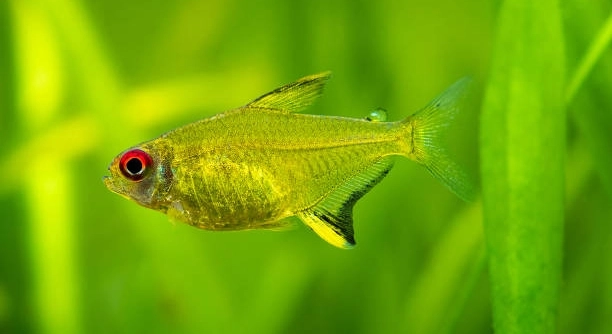
Are your lemon tetras swimming erratically or hiding more than usual in their tank? Observing subtle changes in behavior and appearance can indicate stress in these delicate freshwater fish. Noticing early signs helps maintain their health.
Lemon tetras exhibit stress through changes in coloration, erratic swimming patterns, reduced appetite, frayed fins, increased hiding, gasping at the surface, and social withdrawal. Recognizing these signs promptly allows for corrective measures to improve their environment and wellbeing.
Identifying stress early ensures your lemon tetras remain healthy and vibrant, creating a harmonious and balanced aquarium environment for them to thrive.
Changes in Coloration
Lemon tetras often show stress through noticeable changes in their coloration. Their bright yellow may fade, or they may develop dull or washed-out patches. These changes can be subtle at first, appearing only under certain lighting conditions or during specific activities. Stress-related color changes are typically linked to environmental factors, such as water quality, temperature fluctuations, or aggressive tank mates. Monitoring your fish closely can help you detect these shifts early, preventing further health issues. A consistent feeding schedule, proper tank maintenance, and reducing sudden disturbances in the aquarium can all help restore their natural vibrancy. Over time, maintaining stable water parameters and providing a calm environment encourages your tetras to regain their typical lively appearance, reflecting a balanced and healthy habitat. Observation and consistency are key.
Color changes are a clear, early indicator of stress in lemon tetras and should never be ignored.
Paying attention to subtle shifts in hue allows you to respond quickly. Addressing environmental factors and maintaining stability can prevent prolonged stress, keeping your fish active and healthy.
Erratic Swimming Patterns
Erratic swimming is a common sign of stress in lemon tetras. They may dart around the tank, bump into decorations, or swim in unusual patterns. Such behavior often results from sudden changes in water conditions, overcrowding, or excessive noise and vibrations near the tank. Observing these patterns carefully can help pinpoint the issue and make necessary adjustments.
Lemon tetras swimming erratically should be checked for water quality, tank mates, and overall environment stability.
Addressing the root causes of erratic swimming requires a careful review of tank conditions. Start with water quality tests to ensure ammonia, nitrite, and nitrate levels are within safe ranges. Overcrowding can cause continuous stress, so maintaining an appropriate number of fish is essential. Provide hiding spots like plants or small decorations to reduce anxiety, and avoid sudden loud noises around the tank. Temperature fluctuations should also be minimized, as rapid changes can trigger panic swimming. Consistent care, observation, and small adjustments will help your lemon tetras regain calm, regular swimming behavior and reduce the risk of injuries from collisions within the tank.
Reduced Appetite
Stress in lemon tetras often leads to a noticeable decline in appetite. Fish may ignore food, eat less than usual, or show hesitation during feeding times. Monitoring feeding behavior can help detect stress early before it affects overall health.
A reduced appetite is commonly linked to poor water quality, sudden temperature changes, or aggressive tank mates. When stressed, lemon tetras may spend more time hiding or swimming anxiously, avoiding food entirely. Consistently offering high-quality, easily digestible food while keeping the environment stable can encourage them to eat normally. Small, frequent feedings may also help stimulate appetite without overwhelming them.
Persistent refusal to eat can weaken your tetras and make them more prone to illness. Observing feeding patterns, adjusting environmental factors, and maintaining a regular feeding routine support recovery. Over time, with stable conditions and attention to stress triggers, lemon tetras generally resume normal eating habits and regain their energy.
Frayed Fins
Frayed or torn fins are a visible sign of stress and poor tank conditions. They can result from fighting, sharp decorations, or aggressive tank mates. Regular inspection of fins is important to prevent infections and promote healing.
Frayed fins may also indicate a bacterial or fungal infection triggered by stress. Maintaining clean water, providing adequate hiding spaces, and avoiding overcrowding are crucial steps in preventing further damage. If damage is severe, isolating the affected fish and treating with appropriate medications can accelerate recovery and reduce the risk of spreading disease to other tank mates.
Proper tank care, including regular water changes and careful monitoring of fish interactions, supports fin regeneration. Removing sharp objects and observing social behavior ensures tetras can swim freely without risk of injury. Over time, with consistent care and stress reduction, fins generally heal, and fish regain normal movement, restoring both appearance and overall wellbeing.
Increased Hiding
Lemon tetras that are stressed tend to hide more often than usual. They may stay behind plants, decorations, or corners of the tank, avoiding open swimming areas and other fish. This behavior is a natural response to perceived threats or discomfort.
Frequent hiding can indicate issues such as poor water quality, sudden changes in lighting, or aggressive tank mates. Reducing stressors and providing secure, calm spaces helps tetras feel safe and encourages more normal activity over time.
Gasping at the Surface
When lemon tetras gasp at the surface, it often signals low oxygen levels or poor water quality. Continuous observation and testing of water parameters are necessary to ensure a healthy environment. Stress can exacerbate these behaviors, making prompt action essential.
Social Withdrawal
Stressed lemon tetras may distance themselves from the school, swimming alone or ignoring interactions with other fish. This separation is an early behavioral sign that something in the tank is affecting their comfort and wellbeing.
FAQ
How can I tell if my lemon tetras are stressed?
Stress in lemon tetras shows through both behavior and appearance. Common signs include faded coloration, frayed fins, erratic swimming, increased hiding, reduced appetite, gasping at the surface, and social withdrawal. Watching your fish closely and noting changes in these behaviors helps identify stress early.
What causes stress in lemon tetras?
Stress can result from poor water quality, overcrowding, sudden temperature fluctuations, aggressive tank mates, or frequent disturbances around the aquarium. Even minor changes in lighting or water parameters can affect these delicate fish. Maintaining stable and clean conditions is crucial for their wellbeing.
How can I improve water quality for my tetras?
Regular water changes, proper filtration, and monitoring ammonia, nitrite, and nitrate levels are essential. Avoid overfeeding, as leftover food can deteriorate water quality quickly. Using a water conditioner and testing kits ensures the tank remains safe and stress-free for your tetras.
Why do my lemon tetras hide so much?
Excessive hiding usually indicates fear or discomfort. It may result from aggressive tank mates, sudden noise, or poor tank layout. Providing plants, decorations, or small caves gives them secure spaces to feel safe, gradually reducing hiding behavior.
Can stress affect their appetite?
Yes. Stressed lemon tetras often eat less or refuse food entirely. Offering small, high-quality meals at consistent times and maintaining a calm, stable environment can encourage them to eat normally again.
Are frayed fins always caused by fighting?
Not always. Frayed fins can result from aggression, sharp tank decorations, or poor water conditions. Stress makes fins more vulnerable to damage and infections, so addressing the environment and reducing stress is key to recovery.
How can I prevent my lemon tetras from stressing?
Maintain stable water parameters, avoid overcrowding, and provide hiding spaces. Keep sudden noises and vibrations around the tank to a minimum. Regular observation allows you to spot early signs of stress and respond quickly, preventing long-term health problems.
Is it normal for tetras to gasp at the surface?
Occasional surface breathing can happen, but frequent gasping often signals low oxygen or poor water quality. Check water parameters and aeration to ensure your tetras have enough oxygen and a healthy environment.
What should I do if a fish continues showing stress signs?
Identify and remove potential stressors, like aggressive tank mates or sharp decorations. Ensure optimal water conditions and consider isolating the affected fish if needed. Consistent care and monitoring usually help fish recover gradually.
Can stress lead to illness in lemon tetras?
Yes. Prolonged stress weakens their immune system, making them more susceptible to infections and diseases. Quick intervention, proper tank maintenance, and minimizing stress factors are essential to protect their health.
How often should I check my tetras for stress signs?
Daily observation is best. Watching their swimming patterns, coloration, eating habits, and interactions with other fish allows you to detect changes early. Early detection helps prevent serious health issues and keeps your aquarium balanced.
Can changing tank mates reduce stress?
Yes. Aggressive or overly active fish can stress lemon tetras. Choosing peaceful, compatible species and ensuring sufficient space helps reduce competition, aggression, and stress levels.
Does temperature affect stress?
Absolutely. Lemon tetras are sensitive to sudden temperature changes. Keeping water within a consistent range suitable for tropical fish prevents shock, discomfort, and stress-related behaviors.
Are there signs of recovery after stress?
Yes. Fish regain normal coloration, start eating consistently, swim actively, and rejoin their school. Fins heal, hiding decreases, and social behavior returns once the environment stabilizes and stressors are minimized.
Can diet help reduce stress?
Providing high-quality, varied food supports their immune system and energy levels. Avoid overfeeding or sudden diet changes, which can increase stress. Small, frequent meals of proper nutrition encourage resilience and overall health.
What role does tank layout play in stress?
A well-structured tank with plants, hiding spots, and open swimming areas allows tetras to feel secure and explore safely. Poor layout or overcrowding increases anxiety and leads to stress-related behaviors.
How long does it take for stressed tetras to recover?
Recovery time depends on the severity and duration of stress. Minor stress can resolve in days, while prolonged issues may take weeks. Consistent care, environmental stability, and proper nutrition accelerate healing.
Should I separate stressed tetras from the group?
Only if necessary. Isolation can reduce aggression or allow treatment for illness. Otherwise, maintaining social interaction in a peaceful environment supports normal behavior and comfort.
Can lighting affect stress levels?
Yes. Sudden or very bright lighting can trigger stress. Gradual changes and providing shaded areas help tetras adjust, reducing anxiety and abnormal behaviors.
Is it possible to prevent stress entirely?
Complete prevention is difficult, but minimizing environmental changes, providing proper care, and observing behavior closely reduces the risk. Consistency and attentiveness are the best ways to keep lemon tetras healthy and calm.
How can I tell if my tetras are happy and healthy?
Healthy lemon tetras display vibrant coloration, active swimming, regular eating, healthy fins, and social interaction with the group. They spend less time hiding and rarely gasp at the surface when the environment is stable.
Final Thoughts
Keeping lemon tetras healthy and happy requires careful attention to their environment and behavior. These small, vibrant fish are sensitive to changes in water quality, temperature, and tank conditions, so monitoring these factors regularly is essential. Observing your tetras closely helps identify early signs of stress, such as faded coloration, frayed fins, erratic swimming, reduced appetite, and increased hiding. Acting promptly when these signs appear can prevent more serious health problems. Simple steps like maintaining clean water, consistent feeding schedules, and providing adequate hiding spaces make a big difference in reducing stress and promoting overall wellbeing.
Understanding the behavior of lemon tetras is key to ensuring they thrive in your aquarium. Social interactions play a crucial role in their mental and physical health, so keeping them in groups and choosing compatible tank mates is important. Stress often manifests through withdrawal from the school, isolation, or frantic swimming, which are clear indicators that the tank environment needs adjustment. Providing plants, decorations, or small shelters allows tetras to feel secure while exploring. Maintaining stable water parameters and avoiding sudden changes in lighting or temperature helps create a calm and predictable environment. Consistency is vital, as lemon tetras respond best to routine care and minimal disturbances.
Taking a proactive approach to stress prevention and recovery ensures your tetras live a long, healthy life. While occasional signs of stress may occur, consistent care and observation allow you to correct issues quickly. Paying attention to diet, water quality, tank layout, and social dynamics all contribute to a balanced habitat where lemon tetras can flourish. Recovery from stress takes time, so patience is necessary, but small adjustments often lead to visible improvements in behavior, coloration, and overall activity. By being attentive and responsive to their needs, you can maintain a vibrant, healthy aquarium where your lemon tetras feel secure and comfortable, making their environment both safe and enriching.

Hello,
If you enjoy the content that we create, please consider saying a "Thank You!" by leaving a tip.
Every little bit helps us continue crafting quality advice that supports the health, happiness, and well-being of pets around the world, for pets of all shapes, sizes, and species.
We really appreciate the kindness and support that you show us!