
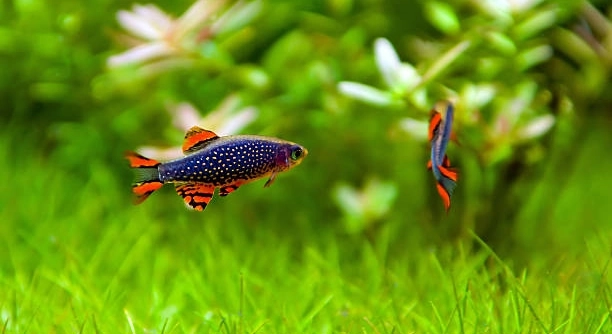
Celestial Pearl Danios are small, colorful fish that many aquarists enjoy keeping. Observing their behavior can be relaxing, and noticing the eggs adds another layer of interest to caring for them at home.
Celestial Pearl Danio eggs are tiny, spherical, and translucent with a slight golden hue. They are usually sticky, allowing them to attach to plants or tank surfaces, and their small size requires careful observation during breeding.
Learning to recognize these eggs can improve breeding success and help ensure the health of both adults and fry in your aquarium.
How to Identify Celestial Pearl Danio Eggs
When I first started observing my Celestial Pearl Danios, I noticed their eggs are extremely small, often less than a millimeter in diameter. They have a subtle, almost transparent golden color, which can make them easy to miss. Most of the eggs are sticky, so they tend to attach themselves to fine-leaved plants, moss, or even the tank glass. I found that checking under leaves or in dense plant areas is the best way to spot them. The eggs are usually round and uniform in shape, with a faint shine that catches the light when the tank water moves. Timing also matters; eggs are usually laid in the early hours after lights turn on. Temperature and water quality influence egg production, and observing adults during mating behavior helps predict when eggs will appear. Patience and careful observation are key to identifying these tiny eggs effectively.
Eggs are sticky, small, and have a slight golden glow, often hidden among plants or moss in the aquarium.
Spotting these eggs early can help separate them for safe hatching. I’ve found that observing adult behavior and monitoring dense plant areas greatly increases the chance of locating them before adults disturb the eggs. Regularly inspecting these spots prevents accidental loss and allows careful collection for breeding purposes. Understanding their placement and timing is essential for maintaining a healthy breeding setup, and careful handling ensures the eggs remain viable during transfer or observation.
Caring for Celestial Pearl Danio Eggs
Once eggs are located, it is important to handle them gently. Removing them with minimal disturbance reduces stress for both adults and eggs. Using a fine, soft net or tweezers works best for transferring eggs to a separate breeding tank. I usually fill the breeding tank with soft, clean water, keeping parameters similar to the main tank. Adding fine-leaved plants or spawning mops gives eggs surfaces to attach and remain safe. Light aeration can help prevent fungus but must not create strong currents that dislodge eggs. Temperature control is crucial; slightly warmer water can speed development, but avoid sudden changes that might harm the eggs. Monitoring daily helps detect any unfertilized or fungus-affected eggs. Removing these promptly prevents spread to healthy eggs. Observing eggs during the incubation period, which lasts about two to three days, is both fascinating and reassuring. Consistent care maximizes hatching success and sets up healthy fry for growth.
Careful handling and proper tank setup ensure the eggs remain safe until hatching.
Creating a calm, stable environment allows eggs to develop fully. I always check water conditions and gently remove debris or unfertilized eggs to prevent contamination. Using plants or spawning mops, I provide natural surfaces for eggs to cling to. Light aeration keeps water oxygenated without disturbing the delicate eggs. Keeping temperatures consistent supports proper development, and watching over them daily helps catch any issues early. This careful attention leads to higher hatching rates and healthier fry. Over time, observing the eggs grow and hatch becomes a rewarding part of keeping Celestial Pearl Danios, teaching patience, observation skills, and respect for the subtle details of their care.
Common Issues with Celestial Pearl Danio Eggs
Sometimes eggs fail to develop properly. Unfertilized eggs often turn cloudy or white within a day. Fungus can appear if water conditions are not ideal. Overcrowding or disturbance from adults may also damage eggs before hatching, reducing overall survival rates.
Monitoring water quality and keeping the breeding tank calm are essential. I always remove any eggs that appear discolored or fuzzy to prevent fungus from spreading. Gentle filtration or light aeration helps maintain oxygen without creating strong currents. Observing adult behavior is important too; if they seem stressed or overly active near the eggs, separating them temporarily can prevent accidental eating or damage. Using fine-leaved plants as hiding spots helps protect eggs while allowing water circulation.
Temperature and water parameters greatly influence egg health. I maintain stable temperatures around 26–28°C, keep water clean, and avoid sudden changes. Fertilized eggs remain transparent and develop small dark eyes, while unhealthy eggs turn cloudy quickly. I also notice that keeping light levels moderate prevents stress for adults and reduces algae growth, which can interfere with eggs. Daily inspection is necessary to remove any dead or fungus-affected eggs. Patience is key, as careful observation and minimal interference often result in higher hatching success.
Hatching and Fry Care
Eggs usually hatch within 2–3 days depending on temperature. Fry are tiny, transparent, and initially stay close to the surface or hidden among plants. They are highly sensitive to water quality and gentle care is required.
After hatching, I keep the fry in a separate tank with very light aeration and plenty of cover. I feed infusoria or newly hatched baby brine shrimp in small amounts several times a day. Water changes are frequent but minimal, around 10–15% daily, to maintain cleanliness without shocking the fry. Gradually, I introduce finely crushed flake food as they grow larger. Observation is constant; I look for signs of stress or illness and remove any weak fry to prevent contamination. Over the first few weeks, maintaining stable temperature, clean water, and appropriate food is crucial for survival.
Providing the right environment and food ensures fry develop healthily. I find that having plants or spawning mops in the tank gives them hiding spots and prevents overcrowding near the surface. Temperature consistency is critical, as sudden drops can stunt growth. Feeding in small, frequent portions avoids leftover food that can foul the water. Watching their behavior helps me adjust care, such as changing feeding times or adding extra cover. By paying attention daily, the fry grow steadily, and it is rewarding to see them mature into healthy adult Celestial Pearl Danios.
Best Practices for Breeding Tanks
Using a separate breeding tank reduces stress on adults and protects eggs. I always provide fine-leaved plants or spawning mops for eggs to attach. Light aeration helps maintain oxygen without creating strong currents that can dislodge eggs or fry.
Maintaining stable water parameters is key. I keep the temperature around 26–28°C and test water for ammonia and nitrite daily. Minimal water changes prevent waste buildup while keeping conditions safe. Observing adult behavior helps decide when to remove them to prevent egg predation. A calm environment increases the chances of successful hatching and healthy fry development.
Feeding Newly Hatched Fry
I feed newly hatched fry with infusoria or microscopic food several times a day. Small portions prevent overfeeding and keep water clean. Regular observation ensures all fry get enough nutrition without contamination.
Transitioning Fry to Adult Food
Once fry are about two weeks old, I gradually introduce finely crushed flake food. This helps them adjust to adult diets without digestive issues. Feeding small amounts multiple times daily encourages growth while avoiding leftover food that can pollute the water. I continue monitoring water quality and fry health during this transition.
Avoiding Common Mistakes
Overcrowding eggs or fry leads to stress and higher mortality rates. Keeping the tank calm and properly maintained ensures better survival and growth.
FAQ
What do Celestial Pearl Danio eggs look like?
Celestial Pearl Danio eggs are very small, round, and slightly translucent with a golden tint. They are sticky, which helps them attach to plants, moss, or tank surfaces. Healthy eggs are uniform in shape, while unfertilized ones often turn white or cloudy within a day.
How long does it take for the eggs to hatch?
Under optimal conditions, eggs usually hatch in about two to three days. Temperature plays a significant role—warmer water speeds up development, while cooler water slows it down. I keep the tank around 26–28°C to maintain consistency and ensure a predictable hatching schedule.
Do adults eat their eggs?
Yes, adult Celestial Pearl Danios may eat their eggs if left in the main tank. I’ve learned it’s safer to move eggs to a separate breeding tank to prevent this. Fine-leaved plants or spawning mops give eggs surfaces to stick to and reduce the risk of predation.
How can I tell if an egg is fertilized?
Fertilized eggs remain transparent and develop small dark eyes as they mature. Unfertilized eggs quickly turn white or cloudy and can develop fungus. I remove any unhealthy eggs promptly to prevent contamination and protect the remaining healthy ones.
What should I feed the fry?
For the first few days, I feed fry infusoria or other microscopic food. Once they grow slightly, finely crushed flake food or baby brine shrimp works well. Feeding small portions several times a day ensures all fry get enough nutrition without fouling the water.
How do I prevent fungus on eggs?
Fungus often appears if water quality is poor or eggs are disturbed. Light aeration, stable temperatures, and clean water help prevent fungus. Removing unfertilized or dead eggs quickly reduces the risk of spreading fungus to healthy eggs.
When should I move fry to adult food?
After about two weeks, fry can gradually transition to finely crushed flake food. Introducing adult food slowly helps avoid digestive problems. I continue feeding small amounts multiple times daily and monitor their growth and water quality during this period.
How can I increase hatching success?
Stable water parameters, calm tank conditions, and proper separation from adults are essential. I provide plenty of plant coverage or spawning mops, maintain consistent temperature, and remove any dead eggs. Daily observation ensures early problems are addressed before they affect hatching success.
Is tank size important for breeding?
Yes, a small separate breeding tank works best. It limits stress, prevents adults from disturbing eggs, and allows better control of water parameters. I use 5–10 gallons for a small group of eggs and fry, providing plants for attachment and hiding spots.
Can eggs survive in the main tank?
Sometimes, eggs survive in the main tank, but survival rates are low. Adults may eat eggs, and water flow or movement can dislodge them. I’ve found moving eggs to a controlled breeding tank consistently improves survival and results in healthier fry.
How often should I check the eggs?
Daily inspection is important. I check for fungus, discoloration, or damage. Removing dead or unhealthy eggs prevents spread to healthy ones. Observing development also helps estimate hatching times and monitor water conditions to keep them optimal.
Do eggs need special lighting?
Moderate lighting works best. Too much light can stress adults or encourage algae growth, which interferes with eggs. I keep the tank well-lit but avoid direct or intense light to maintain a calm environment for eggs and developing fry.
How can I tell when fry are ready to swim freely?
Fry usually start swimming freely a day or two after hatching. They often stay near surfaces or plants initially. Once they move actively and begin seeking food independently, they are ready to explore more of the tank and interact with their environment safely.
What is the survival rate of Celestial Pearl Danio fry?
Survival varies depending on care, water quality, and feeding. With proper handling, clean water, and frequent small feedings, I usually see a high survival rate. Removing dead or weak fry early also helps prevent contamination and ensures stronger fry thrive.
Can I breed Celestial Pearl Danios without plants?
Plants help eggs attach and hide, but breeding is possible with spawning mops or other artificial surfaces. I’ve used fine mesh or synthetic mops successfully, though plants provide extra protection and create a more natural environment for both eggs and fry.
How long should fry stay in the breeding tank?
Fry remain in the breeding tank until they are large enough to join the main tank safely, usually around 6–8 weeks. By this time, they are strong enough to compete for food and are less vulnerable to adults. I transfer them gradually to avoid stress.
What is the best water temperature for eggs and fry?
Keeping water between 26–28°C works best. Temperatures too low slow development, while sudden changes can harm eggs or fry. I monitor the temperature closely and adjust gently when needed to maintain a stable environment throughout development.
How often should I change water for fry?
I perform small daily changes of about 10–15% to maintain cleanliness without shocking fry. Large water changes can stress them, so gradual adjustments help maintain water quality while ensuring a safe and stable environment for growth.
Are there signs of healthy fry?
Healthy fry are active, transparent, and feed readily. They grow steadily and show no signs of fungus, discoloration, or abnormal behavior. I keep a close eye during the first weeks to ensure proper growth and remove any fry showing signs of weakness.
Can eggs hatch without direct care?
Some eggs may hatch on their own, but survival is lower without attention. I’ve found that monitoring water quality, removing unhealthy eggs, and providing a calm environment greatly increases hatching success and produces stronger, healthier fry.
How long until fry resemble adult Danios?
Fry gradually develop color and patterns over several weeks. By around 6–8 weeks, they start showing the distinct spots and body shape of adults. Patience and consistent care are essential to ensure proper growth and healthy development.
What are common mistakes during breeding?
Overcrowding, poor water quality, leaving adults with eggs, and inconsistent temperature are common issues. I’ve learned that separating eggs, maintaining clean water, and providing stable conditions prevent most problems and increase the chance of healthy fry.
Is it necessary to remove eggs from the main tank?
While not always required, removing eggs reduces predation and increases survival rates. I always transfer eggs to a small breeding tank with plants or mops, which provides protection and a controlled environment for proper development.
How do I prevent fry from overcrowding?
Providing enough space, plants, and hiding spots helps reduce stress and competition. I occasionally separate fry into smaller groups if numbers are high. This ensures each fry has access to food and prevents injuries caused by overcrowding.
Can Celestial Pearl Danios lay eggs continuously?
Yes, under optimal conditions, adults may spawn frequently. I monitor the tank to remove eggs regularly to prevent adults from eating them and to maintain clean water. Providing consistent conditions helps manage spawning without overwhelming the tank.
Do fry need special water parameters compared to adults?
Fry are more sensitive. I keep water clean, stable, and slightly warmer than in the main tank. Avoiding sudden changes in temperature or chemistry helps fry grow safely and reduces stress during their early development.
How long do I wait before feeding newly hatched fry?
I start feeding shortly after they begin swimming freely, usually within 24 hours. Infusoria or microscopic food works best initially. Delaying feeding too long can stunt growth, but overfeeding can foul water, so balance is important.
Is it normal for some eggs not to hatch?
Yes, a small percentage of eggs may be unfertilized or fail to develop. Removing these prevents fungus or bacterial growth from affecting healthy eggs. I focus on maintaining stable conditions to maximize hatching rates.
Can eggs stick to tank glass?
Yes, sticky eggs often attach to plants, moss, or tank surfaces, including glass. I check glass surfaces carefully during daily inspections to ensure no eggs are overlooked or damaged.
How long do eggs remain viable?
Fertilized eggs are viable for 2–3 days before hatching. Unfertilized or damaged eggs lose viability quickly, turning cloudy or developing fungus. Timely observation and handling improve survival rates and help plan for successful hatching.
What should I do if eggs fall off plants?
If eggs detach, I carefully collect them using a fine net or soft tweezers and place them in a safe area of the breeding tank. Gentle handling prevents damage and ensures they remain in optimal conditions for development.
Do I need special equipment for breeding?
Basic equipment includes a small breeding tank, fine-leaved plants or spawning mops, light aeration, and a thermometer. Additional tools like a fine net or pipette help handle eggs carefully. I’ve found this setup sufficient for consistent breeding success.
How can I tell when fry are eating properly?
Active swimming, approaching food, and consistent growth indicate proper feeding. I watch closely during the first few days and adjust feeding frequency or food type if some fry appear weaker or miss out. Consistent observation ensures healthy development.
Are Celestial Pearl Danios easy to breed?
They are relatively easy compared to many other species if conditions are right. I focus on stable water, separation of eggs, and proper feeding, which consistently produces healthy fry without major difficulties. Patience and careful observation make the process smoother.
How do I maintain water quality with so many fry?
Frequent small water changes, gentle filtration, and careful feeding prevent waste buildup. I remove debris or dead fry promptly and monitor ammonia and nitrite levels to keep the environment safe for all developing fry.
Can eggs survive without plants?
Yes, eggs can attach to artificial surfaces like spawning mops, but plants provide extra protection and hiding spots. I often combine both for better coverage and safety, ensuring higher survival rates during development.
What is the best way to handle eggs?
Handle eggs with soft tools, minimal disturbance, and steady hands. I avoid touching them directly and move them carefully to prevent damage. Gentle handling improves survival and ensures healthy fry development.
How can I encourage adults to spawn?
Maintaining stable water, feeding high-quality food, and providing plants or mops for egg attachment encourages spawning. I also ensure adults are healthy and stress-free, which increases the likelihood of regular egg-laying behavior.
Do eggs need hiding places?
Yes, providing plants or mops gives eggs surfaces to stick to and protects them from accidental damage or predation. I always make sure the breeding tank has enough coverage to maximize survival.
Can temperature swings affect hatching?
Sudden changes in temperature can harm eggs or slow development. I keep water stable, ideally between 26–28°C, to ensure proper growth and successful hatching. Stability is crucial for both eggs and fry.
How do I clean a breeding tank without disturbing eggs?
I perform small water changes using a gentle siphon and avoid direct contact with eggs. Light aeration keeps water oxygenated without creating strong currents. I remove debris carefully to maintain cleanliness while protecting eggs.
How often should I feed fry after two weeks?
Small, frequent feedings—3–5 times daily—work best. I gradually switch to finely crushed flake food, ensuring all fry have access and water remains clean. Observation helps adjust feeding frequency as they grow.
What signs indicate eggs are unhealthy?
Cloudiness, discoloration, fungus growth, or deformation are all signs. I remove such eggs immediately to prevent affecting healthy ones. Healthy eggs remain transparent, round, and develop dark eyes before hatching.
Can fry survive in the same tank as adults?
Young fry are vulnerable to being eaten. I keep them in a separate breeding tank until they are strong enough to survive in the main tank, usually around 6–8 weeks. This ensures higher survival rates.
Do I need to change water immediately after eggs hatch?
No, immediate changes can stress fry. I maintain clean, stable water and perform small, gradual changes to remove waste while keeping conditions safe for delicate fry. Observation ensures water quality remains high.
Are Celestial Pearl Danios egg-layers or livebearers?
They are egg-layers. Eggs are externally fertilized and require careful handling to ensure survival. Live-bearing methods do not apply, so providing the right environment for egg attachment is essential.
Can I use tap water for breeding tanks?
Tap water is fine if properly conditioned. I always remove chlorine or chloramines and test parameters before introducing eggs or fry. Stable, clean water is more important than the source itself.
What happens if eggs are left too long with adults?
Adults may eat the eggs or disturb them, reducing survival. I transfer eggs to a separate tank soon after spawning to maximize hatching success and avoid unnecessary losses.
How long should I wait before introducing fry to the main tank?
Usually 6–8 weeks. Fry are stronger, more active, and able to compete for food safely. Gradual acclimation helps prevent stress and ensures a smooth transition to the main tank.
Can stress affect egg production?
Yes, stressed adults may produce fewer eggs or none at all. I maintain calm conditions, proper feeding, and stable water parameters to encourage consistent egg-laying behavior.
Is lighting important for fry growth?
Moderate lighting helps fry find food and encourages natural behavior. I avoid intense light, which can stress both fry and adults, and provide enough coverage for hiding and shelter.
Do fry need constant observation?
Regular observation helps catch issues like fungus, water quality problems, or weak fry. I check daily, adjusting feeding, water changes, and temperature as needed to ensure healthy development.
Can I combine fry from different spawns?
Yes, if they are similar in size, but overcrowding can become an issue. I provide enough space, hiding spots, and monitor feeding to prevent stress and competition.
What is the best way to remove unfertilized eggs?
Using a soft pipette or gentle tweezers, I carefully remove cloudy or discolored eggs without disturbing healthy ones. Prompt removal prevents fungal spread and protects viable eggs.
Can fry survive in lower temperatures?
Growth slows in cooler water. I maintain 26–28°C for optimal development. Sudden temperature drops can harm fry, so stable, warm conditions are essential for healthy growth.
How do I know when fry are fully independent?
When they actively swim, feed on their own, and explore the tank, they are independent. I continue monitoring until they are strong enough for the main tank.
Is algae harmful to eggs or fry?
Algae can reduce water quality and cover eggs, making monitoring harder. I control algae with moderate lighting, clean water, and regular tank maintenance. Some coverage may provide hiding spots, but excessive growth is harmful.
Can I use a sponge filter for fry tanks?
Yes, sponge filters provide gentle aeration and prevent fry from being sucked into filtration. I find this method effective for keeping water clean without harming delicate fry.
How do I encourage fry to eat?
Offer small, frequent portions of suitable food. Observation helps ensure all fry eat. I also gently swirl water to distribute food evenly without stressing them.
Are Celestial Pearl Danios good for beginners?
Yes, with stable water, proper feeding, and basic breeding care, they are manageable. Patience and attention to detail lead to successful hatching and healthy fry.
Can I breed them year-round?
Yes, if conditions are stable and adults are healthy. I maintain consistent temperature, clean water, and proper feeding to allow frequent spawning throughout the year.
How do I handle fry when transferring to a new tank?
I acclimate them gradually by mixing water from both tanks, keeping changes slow. Gentle netting or pouring helps reduce stress and ensures safe transfer.
Is water hardness important for eggs?
Moderate hardness works best. Extreme hardness or softness can affect egg adhesion and development. I test water and adjust only if necessary, aiming for stable, balanced conditions.
What is the typical survival rate of well-cared-for fry?
With proper care, removal of dead eggs, and stable conditions, I usually see 70–90% survival. Attention to water quality, food, and protection from adults ensures the best outcomes.
Do fry need hiding spots immediately after hatching?
Yes, even tiny fry benefit from coverage. Plants or spawning mops provide protection and reduce stress, helping them survive the first critical days.
How can I tell if fry are stressed?
Signs include lethargy, clumping at tank edges, or refusal to eat. I adjust water, food, and tank conditions immediately to reduce stress and support healthy growth.
Can I use live plants for fry tanks?
Yes, live plants provide attachment surfaces for eggs, hiding spots for fry, and help maintain water quality. I choose soft, fine-leaved plants to avoid harming delicate fry.
Is it necessary to separate fry by size?
If there is significant size variation, I separate them to reduce competition and bullying. Smaller fry get better access to food, while larger fry grow without harming weaker ones.
Can I leave eggs unattended for a day?
Yes, short absences are fine if water is stable. Daily checks are ideal, but one day of minimal observation usually does not harm eggs if conditions remain suitable.
What is the most common reason eggs fail to hatch?
Poor water quality, predation by adults, or fungal growth are typical causes. I prevent this by maintaining clean water, separating eggs, and removing unhealthy ones promptly.
How long do I need to observe fry after hatching?
Daily checks during the first few weeks are essential. I monitor feeding, growth, water quality, and behavior to catch issues early and ensure healthy development.
Are Celestial Pearl Danio eggs sensitive to handling?
Yes, they are delicate. I handle them gently with soft tools and avoid direct contact to prevent damage. Minimal disturbance improves survival and hatching success.
Can fry live without plants in the breeding tank?
Yes, but plants or spawning mops provide cover and reduce stress. I always include some form of attachment or hiding spot to improve survival rates.
How do I clean fry tanks without harming fry?
I perform gentle, small water changes and use soft tools to remove debris. Sponge filters or light aeration maintain oxygen without harming delicate fry. Observation ensures safety during maintenance.
What is the best way to increase hatching success?
Stable water, gentle handling, separation from adults, proper temperature, and clean conditions all contribute. I combine these practices consistently for the highest survival and healthiest fry.
How long should I wait before feeding fry after hatching?
Feeding begins within 24 hours of free swimming. Infusoria or microscopic food is best initially. Observing feeding ensures all fry get nutrition without fouling
Celestial Pearl Danio eggs are small, delicate, and fascinating to observe. Spending time watching them develop teaches patience and careful attention to detail. The eggs’ tiny size and slight golden tint make them easy to miss, so close observation is important. Sticky eggs attach to plants, moss, or surfaces, which helps protect them in the early stages. Healthy eggs remain transparent and develop dark eyes, while unfertilized or damaged eggs turn cloudy quickly. Keeping an eye on these signs allows for early intervention, which is essential for successful hatching. Over time, learning to recognize healthy eggs and handle them gently becomes second nature, and it improves overall success in raising fry.
Providing the right environment for both eggs and fry is key. Stable water temperature, usually between 26–28°C, ensures proper development, while gentle aeration keeps oxygen levels safe without dislodging eggs or stressing fry. Plants or spawning mops offer attachment surfaces and hiding spots, which reduces stress and prevents accidental damage. Small, regular water changes help maintain cleanliness and prevent the buildup of harmful substances. Feeding fry the right type of food at the correct stages supports healthy growth. Infusoria or microscopic food works best immediately after hatching, while finely crushed flake food or baby brine shrimp can be introduced gradually as fry grow. Observing feeding behavior and growth patterns helps ensure all fry are thriving and allows adjustments when necessary.
Raising Celestial Pearl Danios from eggs to healthy fry requires patience, consistency, and careful observation. Separating eggs from adults reduces predation, and removing any unhealthy or fungus-affected eggs protects the remaining batch. Gradually transitioning fry to adult food while maintaining stable water conditions prepares them for life in the main tank. Regular monitoring of water quality, temperature, and fry health ensures they continue to grow well. While challenges like fungus, predation, or overcrowding can arise, attention to detail and proper care significantly increases survival rates. Overall, understanding the needs of Celestial Pearl Danio eggs and fry and providing the right environment creates a rewarding experience that allows these small, colorful fish to thrive.

Hello,
If you enjoy the content that we create, please consider saying a "Thank You!" by leaving a tip.
Every little bit helps us continue crafting quality advice that supports the health, happiness, and well-being of pets around the world, for pets of all shapes, sizes, and species.
We really appreciate the kindness and support that you show us!