
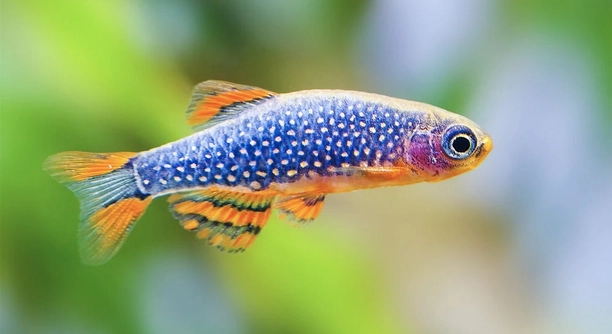
Are your danios thriving in their aquarium, or do you notice subtle signs of stress that may affect their long-term health? Maintaining a healthy environment is key to keeping these small fish vibrant and active in your care.
Implementing simple upgrades such as optimized filtration, stable water parameters, balanced nutrition, and enriched habitat structures significantly contributes to the long-term health of danios. These measures reduce stress, prevent disease, and support natural behaviors essential for their well-being.
Even small changes can make a noticeable difference in your danios’ daily life and overall vitality. These upgrades are easy to integrate for lasting results.
Upgrade Your Filtration System
A reliable filtration system is one of the most important upgrades for danios. Efficient filters remove waste, excess food, and harmful chemicals, keeping the water clean and safe. Danios are active swimmers, producing more waste than many other small fish. A high-quality filter maintains water clarity, reduces ammonia spikes, and stabilizes the tank environment. Upgrading to a system with both mechanical and biological filtration ensures that beneficial bacteria thrive, helping to break down toxins naturally. Consistent water movement also mimics their natural habitat, keeping them comfortable and encouraging normal swimming behavior. Some advanced filters include adjustable flow rates, which allow you to tailor the current to your danios’ activity level. A clean, well-filtered tank not only improves fish health but also reduces the frequency of full water changes, saving time and effort while supporting long-term stability.
Proper filtration reduces stress and prevents common water-related illnesses, supporting healthier, more active fish over time.
Maintaining your filter involves routine cleaning without disturbing beneficial bacteria. Rinse filter media in removed tank water instead of tap water to avoid killing helpful microorganisms. Replace worn components according to the manufacturer’s instructions. Monitoring filter performance ensures consistent water flow, and combining it with partial water changes creates a stable, balanced environment. A properly upgraded filtration system promotes growth, vibrant colors, and longevity in your danios, making it an essential investment for long-term health.
Stable Water Parameters
Keeping water parameters stable is essential for danio health. Sudden fluctuations in temperature, pH, or hardness can stress fish and lead to disease.
Regular testing and small, consistent adjustments prevent dangerous swings and maintain optimal living conditions for your danios.
Maintaining stable water parameters requires attention to temperature, pH, and other chemical levels. Danios thrive in slightly hard, neutral water with a temperature between 20–24°C (68–75°F). Installing a reliable heater or thermometer helps avoid sudden drops or spikes. Avoid overfeeding and remove uneaten food promptly, as decaying material can change water chemistry. Partial water changes with pre-conditioned water keep conditions consistent. By observing your fish daily, you can detect early signs of stress, such as clamped fins or erratic swimming, and adjust care accordingly. A stable environment reduces disease risk, encourages natural behavior, and supports long-term vitality, making your aquarium a safe, comfortable home for your danios.
Provide Enriched Habitat
Adding plants, decorations, and hiding spots gives danios a more stimulating environment. These elements reduce stress and encourage natural exploration and social behavior within the tank.
Live plants help improve water quality by absorbing nitrates and offering shelter. Floating plants provide shaded areas, which danios use to feel secure, while rooted plants offer spaces to swim around and weave through. Smooth rocks or small caves create additional hiding places, giving timid fish a safe retreat. Even simple decorations can break up open swimming space, preventing dominance struggles and promoting peaceful interaction. Providing variety in textures, heights, and hiding spots ensures that each fish can express its natural behaviors without constant stress or competition.
A well-planned habitat also encourages active swimming, boosting exercise and overall health. Varied environments reduce boredom and support long-term mental and physical well-being in danios, making your tank more dynamic and engaging.
Maintaining the habitat involves gentle cleaning of plants and decorations, removing algae or debris without disrupting the fish. Rearranging items occasionally can provide fresh stimulation while keeping water chemistry stable. The goal is a balanced, natural environment that supports both activity and comfort, helping danios thrive over time.
Balanced Diet
Providing a varied and balanced diet is crucial for long-term danio health. Feeding only one type of food can lead to nutrient deficiencies and weaker immune systems.
High-quality flakes or pellets should form the base of their diet, supplemented with live or frozen foods like brine shrimp, daphnia, or bloodworms. These additions supply essential proteins and micronutrients that promote growth, coloration, and vitality. Occasional vegetable matter, such as blanched spinach or zucchini, contributes fiber and supports digestion. Feeding small amounts two to three times daily prevents overfeeding, reducing waste and maintaining water quality. Monitoring each fish’s intake ensures that all individuals receive proper nutrition, minimizing competition at feeding times.
Over time, a diverse diet enhances longevity, strengthens immune defenses, and supports natural behavior. Rotating food types and including occasional treats keeps danios interested in feeding, encouraging consistent eating habits. Avoiding fillers or low-quality foods prevents obesity and nutrient imbalance, ensuring your fish remain healthy and active. Careful portion control, along with variety, helps sustain their long-term health while maintaining a clean and stable tank environment.
Regular Water Changes
Consistent water changes are essential to keep ammonia, nitrite, and nitrate levels in check. Replacing a portion of the water regularly maintains a cleaner, healthier environment for danios.
Partial water changes also help stabilize pH and temperature, reducing stress. Removing debris and uneaten food prevents toxins from building up, which supports overall fish health and longevity.
Maintain Proper Lighting
Providing appropriate lighting helps regulate danios’ natural day-night cycle. A consistent light schedule encourages normal activity, feeding, and rest patterns.
Use timers to maintain around 10–12 hours of light per day. Too much light can promote algae growth, while too little can affect behavior and coloration. Proper lighting enhances plant growth and supports a visually appealing, balanced aquarium environment.
Monitor Fish Behavior
Paying attention to behavior can help catch issues early. Changes in swimming patterns, appetite, or social interactions often indicate stress or illness.
Regular observation allows for timely adjustments in care. Acting quickly when problems arise prevents minor issues from escalating, ensuring your danios stay healthy and active.
FAQ
How often should I change the water in my danio tank?
Water should be partially changed at least once a week, replacing 20–25% of the tank volume. This keeps ammonia, nitrite, and nitrate levels low, reduces debris buildup, and stabilizes pH. Regular changes also support healthy bacteria, helping maintain a balanced ecosystem for your danios.
What is the ideal temperature for danios?
Danios thrive in temperatures between 20–24°C (68–75°F). Sudden fluctuations can stress fish, weaken their immune system, and lead to disease. Using a reliable heater and thermometer helps maintain a stable temperature, while monitoring daily ensures your tank remains comfortable and consistent.
How do I know if my danios are stressed?
Signs of stress include clamped fins, erratic swimming, loss of appetite, and hiding excessively. Stress can be caused by poor water quality, overcrowding, or sudden environmental changes. Observing behavior daily allows you to adjust care quickly, improving health and reducing the risk of illness.
What should I feed my danios?
A balanced diet consists of high-quality flakes or pellets, supplemented with live or frozen foods like brine shrimp, daphnia, or bloodworms. Occasional vegetables such as blanched zucchini or spinach provide fiber. Feed small amounts two to three times daily to avoid overfeeding and maintain water quality.
How can I prevent diseases in my danio tank?
Maintaining clean water, a stable environment, and a balanced diet are key. Quarantining new fish before adding them to the main tank reduces the risk of introducing disease. Monitoring behavior and removing uneaten food promptly helps prevent infections and supports long-term health.
Can danios live with other fish?
Danios are generally peaceful and can coexist with other small, non-aggressive species. Avoid housing them with larger, aggressive fish that may bully or eat them. Providing enough space, hiding spots, and open swimming areas ensures all species can thrive comfortably.
How important is tank size for danios?
Tank size affects swimming space, water quality, and social behavior. A minimum of 20 gallons is recommended for a small group of danios. Larger tanks provide more stable water conditions and reduce stress from overcrowding, supporting healthier, more active fish.
How do I clean decorations and plants without harming my fish?
Gently remove debris from plants and decorations using soft brushes or rinsing with tank water. Avoid harsh chemicals or tap water with chlorine, as this can harm beneficial bacteria and your fish. Regular cleaning keeps the habitat visually appealing and safe.
What are the benefits of adding live plants?
Live plants improve water quality by absorbing nitrates and providing oxygen. They create shaded areas and hiding spots, reduce stress, and encourage natural behaviors. Plants also enhance the visual appeal of the tank, making it more stimulating for danios and easier to maintain overall balance.
How can I monitor water quality effectively?
Use reliable test kits to regularly measure ammonia, nitrite, nitrate, and pH levels. Observing these parameters helps detect early issues before they harm your fish. Maintaining a log or schedule ensures consistent monitoring, allowing for timely interventions to keep your tank stable and safe.
How do I introduce new danios to an established tank?
Acclimate new fish gradually by floating the bag in the tank and slowly mixing tank water over an hour. This reduces shock from temperature or pH differences. Quarantining new arrivals before introduction also prevents disease transmission, ensuring a smooth transition for both new and existing fish.
What should I do if a danio appears sick?
Isolate the affected fish in a separate tank to prevent spreading disease. Check water quality, diet, and environmental conditions. Identify the symptoms to choose the correct treatment, and maintain a clean, stable habitat to support recovery. Acting quickly improves the chances of full recovery.
How important is observing my fish daily?
Daily observation allows you to notice subtle changes in behavior, feeding, or appearance. Early detection of stress or illness enables prompt intervention, preventing minor issues from escalating and ensuring your danios remain healthy, active, and comfortable in their tank environment.
Can danios thrive in a community tank without constant supervision?
While danios are resilient, regular care is essential. Monitoring water quality, feeding, and observing behavior ensures early detection of problems. A well-maintained tank with proper filtration, habitat enrichment, and balanced nutrition supports long-term health, even if you are not able to watch them constantly.
How do I encourage natural behavior in danios?
Provide open swimming areas, plants, and hiding spots to mimic natural environments. A balanced diet and consistent light cycles support activity levels and social interaction. Small environmental changes, like rearranging decorations occasionally, can stimulate exploration while maintaining a stable and safe habitat.
Are there specific signs of aging in danios?
Older danios may swim less actively, lose some coloration, or show slower responses. Maintaining optimal water quality, diet, and habitat enrichment helps them live comfortably into their later years, supporting health and reducing stress despite natural aging processes.
How often should I check my filter?
Filters should be checked weekly to ensure proper flow and remove any trapped debris. Cleaning or replacing media as recommended prevents blockages and maintains effective mechanical and biological filtration, which is critical for long-term water quality and fish health.
Is it necessary to adjust lighting for danios?
Yes, maintaining 10–12 hours of light per day supports natural circadian rhythms. Too much light promotes algae growth, while too little can affect behavior and coloration. Timers help maintain a consistent schedule, enhancing overall health and supporting plant growth in the tank.
What are the most common mistakes new danio owners make?
Overfeeding, poor water maintenance, overcrowding, and ignoring behavior changes are frequent issues. Addressing these by establishing a routine, monitoring water quality, and providing a balanced diet ensures healthier, more active fish with reduced stress and disease risk.
How can I ensure long-term danio health without overcomplicating care?
Focus on stable water parameters, proper filtration, balanced nutrition, enriched habitat, and regular observation. Small, consistent steps create a safe, stimulating environment, allowing your danios to thrive naturally while keeping maintenance straightforward and manageable.
Final Thoughts
Maintaining the long-term health of your danios does not need to be complicated. Small, consistent upgrades can make a significant difference in their well-being. Simple steps such as improving filtration, stabilizing water parameters, and providing a balanced diet create a solid foundation for a healthy tank. Danios are active, social fish, and their environment plays a major role in how they grow, interact, and display natural behaviors. By focusing on the basics, you ensure that they remain active, colorful, and less prone to stress or illness. Regular observation helps identify subtle changes early, allowing for timely adjustments in care before minor issues escalate. Even small improvements in water quality, habitat enrichment, or feeding practices can have noticeable effects on their vitality over time. Consistency is key, and a little effort each week prevents major problems in the future.
Adding habitat enrichment, such as live plants, hiding spots, and varied decorations, encourages natural behavior while reducing stress. Danios are naturally curious and active, and a stimulating environment keeps them engaged and comfortable. Providing open swimming areas alongside places to retreat offers a balance that supports social hierarchies and prevents conflict. At the same time, live plants improve water quality and oxygen levels, supporting overall health. Feeding a varied diet with high-quality flakes, pellets, and occasional live or frozen foods ensures that nutritional needs are met. Vegetables like blanched zucchini or spinach add fiber and promote healthy digestion. Small adjustments in diet, habitat, or tank maintenance routines can have long-lasting effects. Over time, these efforts combine to create a stable, comfortable environment where your fish thrive, maintaining both physical health and natural behavior.
Even with proper care, attention to detail remains important. Monitoring water chemistry, performing regular partial water changes, and checking filters are essential for a stable environment. Observing behavior, noting feeding habits, and watching for signs of stress or illness allow you to act promptly. These steps prevent small problems from developing into larger ones, ensuring your danios live longer, healthier lives. Lighting, tank size, and water flow all contribute to a balanced ecosystem, and small adjustments in these areas support long-term vitality. By approaching care methodically and consistently, you create a habitat that supports active, healthy, and happy danios. The effort is manageable when broken down into simple, routine steps, and the benefits are clear in their appearance, behavior, and longevity. Thoughtful care ensures that your aquarium remains both visually appealing and a safe, thriving environment for your fish.

Hello,
If you enjoy the content that we create, please consider saying a "Thank You!" by leaving a tip.
Every little bit helps us continue crafting quality advice that supports the health, happiness, and well-being of pets around the world, for pets of all shapes, sizes, and species.
We really appreciate the kindness and support that you show us!