
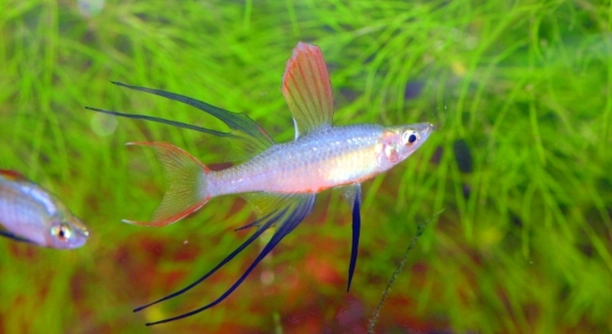
Threadfin Rainbowfish are lively freshwater fish that bring vibrant colors to any aquarium. Observing them swim together is often a joyful experience. However, sudden separation among these fish can be concerning for hobbyists and caretakers alike.
Sudden separation in Threadfin Rainbowfish is commonly caused by changes in water conditions, including temperature fluctuations, pH imbalance, or inadequate oxygen levels. Stress, overcrowding, and social hierarchy shifts can also prompt temporary or prolonged isolation within the group.
Understanding these causes will help maintain a harmonious tank and ensure the health and well-being of your Threadfin Rainbowfish over time.
Common Water Issues Affecting Threadfin Rainbowfish
Maintaining stable water conditions is crucial for Threadfin Rainbowfish. Sudden shifts in temperature can stress these fish, making them more likely to separate from the group. Similarly, pH levels that are too high or too low can cause discomfort, impacting their behavior. Poor water quality due to ammonia, nitrite, or nitrate accumulation also disrupts their natural social structure. Even small fluctuations in oxygen levels can create tension in the tank. Regular water testing, partial water changes, and proper filtration help maintain balance. Observing fish behavior alongside water parameters can reveal early signs of stress. Overcrowding amplifies these problems, as fish struggle to find space and maintain hierarchy. Creating a stable, clean, and well-oxygenated environment encourages cohesion among Threadfin Rainbowfish, reducing instances of sudden separation. Consistency is key, as even minor changes can quickly alter their group dynamics and overall health.
Proper water maintenance ensures healthier, more active, and cohesive fish in your aquarium.
Monitoring water consistently prevents minor issues from escalating into major stressors that affect your fish’s behavior, health, and social interactions.
Social and Behavioral Factors
Social hierarchy plays a significant role in group dynamics.
Aggression, dominance, or even timid behavior can lead certain fish to isolate themselves. Threadfin Rainbowfish establish pecking orders, and newcomers may take time to integrate. Stress from frequent disturbances or incompatible tank mates further contributes to separation. Ensuring enough hiding spots and maintaining a balanced group size can reduce tension. Providing a calm environment allows fish to feel secure, encouraging natural schooling behavior.
Behavioral observation is essential for identifying individuals at risk of isolation and adjusting the tank setup accordingly.
Fish personality differences also impact interactions. Some Threadfin Rainbowfish are naturally more assertive, while others are shy, which can lead to uneven group distribution. Minor injuries from nipping or chasing can increase stress, causing temporary or extended separation. Even feeding habits influence cohesion, as dominant fish may monopolize food, leaving weaker fish to retreat. Introducing environmental enrichment such as plants, driftwood, or rocks allows for personal space and safe areas to reduce confrontations. Consistent routines in feeding and maintenance help maintain predictability, reducing stress-induced separation. Understanding both social behavior and environmental needs is key to sustaining a harmonious and vibrant aquarium.
Tank Setup and Space
Overcrowding often causes Threadfin Rainbowfish to separate. Each fish needs enough space to swim freely and establish territory. Limited space can increase stress and trigger avoidance behavior. Proper tank size and thoughtful decoration reduce tension, allowing fish to interact naturally.
Providing at least 30 gallons for a small group creates enough room for movement. Decorations such as plants and rocks offer hiding spots, which help shy or weaker fish feel secure. Avoid placing too many structures in open swimming areas, as it can block sightlines and restrict natural schooling behavior. A balanced setup supports social harmony.
Water circulation and filtration also play a role in tank space. Uneven flow or stagnant zones may force some fish to avoid certain areas, causing separation. Arranging filters and decorations to create consistent flow encourages fish to explore the tank fully. Observing their movement patterns helps identify areas of tension. Adjusting tank layout gradually ensures all fish feel comfortable without sudden disruptions. Proper planning supports both health and social cohesion.
Feeding and Nutrition
Unequal feeding can lead to dominant fish isolating weaker ones, causing separation.
Feeding small amounts multiple times a day ensures all fish receive adequate nutrition. High-quality flakes, pellets, and occasional live foods maintain energy levels. Overfeeding should be avoided, as leftover food degrades water quality and increases stress.
A consistent feeding schedule supports predictable behavior. Dominant fish may still attempt to control access, but structured feeding prevents prolonged stress on others. Providing multiple feeding spots allows shy fish to eat safely. Offering a varied diet helps maintain health and coloration, encouraging normal social behavior. Attention to feeding habits ensures all Threadfin Rainbowfish remain active, reducing isolation and promoting group cohesion over time.
Stress Triggers
Sudden changes in lighting, noise, or movement around the tank can stress Threadfin Rainbowfish. Stress often leads to separation, as fish seek safe areas away from perceived threats. Maintaining a calm, consistent environment minimizes these disturbances and encourages normal schooling behavior.
Introducing new tank mates or rearranging decorations can also increase stress. Gradual adjustments help fish adapt without disrupting social cohesion. Observing their reactions allows for timely interventions before prolonged isolation occurs.
Disease and Health Issues
Illness can cause a fish to isolate from the group. Parasites, infections, or poor water quality weaken fish, prompting them to separate. Early detection and treatment prevent further spread and support recovery.
Monitoring behavior closely helps identify sick individuals quickly. Signs include lethargy, faded colors, and erratic swimming. Quarantining affected fish and adjusting water conditions improves outcomes and reduces stress on the rest of the group. Prompt attention ensures the health and cohesion of all Threadfin Rainbowfish.
Seasonal Changes
Temperature fluctuations with seasonal shifts may cause temporary separation. Maintaining consistent conditions reduces stress.
Threadfin Rainbowfish are sensitive to seasonal variations, particularly in outdoor or unheated tanks. Sudden drops in temperature can make fish sluggish, causing them to retreat to warmer areas or hide. Seasonal light changes also affect their activity levels and feeding patterns. Providing stable water temperature, adequate heating if necessary, and consistent lighting helps minimize stress-induced separation. Planning for these changes ensures fish remain active and cohesive regardless of external conditions.
FAQ
Why do Threadfin Rainbowfish suddenly separate from their group?
Separation usually occurs due to stress, environmental changes, or social dynamics. Water temperature fluctuations, pH imbalance, overcrowding, and insufficient oxygen levels are common triggers. Illness or injury can also make a fish withdraw temporarily. Observing tank conditions and behavior helps identify the reason for isolation.
How can I reduce stress in my aquarium?
Maintaining stable water parameters is essential. Regular water changes, proper filtration, and monitoring temperature prevent sudden fluctuations. Minimizing loud noises, sudden movements, and excessive light changes also helps. Adding hiding spots with plants or decorations gives fish safe areas, reducing stress and encouraging natural behavior.
Does tank size affect separation?
Yes. Overcrowding increases competition and tension, causing some fish to retreat. Providing adequate space allows fish to swim freely, establish territory, and maintain social cohesion. For a small group, at least 30 gallons is recommended, with thoughtful decoration placement to avoid blocking swimming areas.
Can feeding habits cause fish to separate?
Dominant fish may control access to food, leaving weaker fish isolated. Feeding small portions multiple times daily, offering varied diets, and providing multiple feeding spots allows all fish to eat safely. Consistent feeding schedules reduce competition and maintain group cohesion.
What signs indicate illness-related separation?
Lethargy, faded colors, clamped fins, or erratic swimming are common indicators. Sick fish often isolate to conserve energy or avoid aggression. Quarantining affected individuals and treating the condition promptly prevents spread and restores normal group behavior.
How do social hierarchies influence separation?
Threadfin Rainbowfish establish pecking orders. Dominant or aggressive individuals can push others to hide or swim away. Shy or weaker fish may retreat temporarily, which is normal behavior. Ensuring enough space, hiding spots, and balanced group sizes reduces conflict and promotes stability.
Do seasonal changes affect fish behavior?
Yes. Temperature drops or shifts in daylight can make fish less active and more likely to separate. Maintaining stable water conditions and consistent lighting helps reduce stress and ensures fish remain active and cohesive during seasonal transitions.
Can rearranging the tank cause temporary separation?
Sudden changes in decorations or new additions can disrupt fish comfort. Gradual rearrangement helps fish adapt without prolonged isolation. Observing reactions and making small adjustments prevents unnecessary stress and maintains social harmony.
Is it normal for fish to separate occasionally?
Yes. Temporary separation is natural and allows fish to rest, feed safely, or avoid conflict. Persistent isolation or signs of stress, illness, or injury, however, indicate a problem that needs attention.
How can I encourage cohesion among Threadfin Rainbowfish?
Stable water parameters, adequate space, consistent feeding, and a calm environment are key. Providing plants, rocks, and hiding spots allows personal space while encouraging schooling. Regular observation helps identify potential issues early, ensuring fish remain healthy and social.
What should I do if separation continues despite adjustments?
Evaluate water quality, tank size, and social dynamics. Check for disease or injury. Consider temporary quarantine for aggressive or sick fish. Adjust decorations, feeding strategies, and lighting gradually. Persistent issues may require re-evaluating tank population or environment to restore balance and cohesion.
Can multiple factors cause separation simultaneously?
Yes. Often, water conditions, social stress, and illness interact. A fish may be stressed by poor water quality while also being dominated by peers. Addressing all potential factors together ensures the best chance of restoring normal behavior.
How long does it take for fish to reintegrate after separation?
It varies depending on the cause. Minor stress or temporary retreat may last hours or days, while illness or severe social tension may take weeks. Providing a stable environment and monitoring interactions supports faster reintegration.
Are younger fish more likely to separate?
Juveniles are often more timid and may isolate to avoid aggressive older fish. Gradually introducing young fish and ensuring enough space reduces stress and encourages group integration.
Does lighting impact Threadfin Rainbowfish behavior?
Sudden bright lights or constant intense lighting can stress fish, prompting retreat. Consistent lighting schedules and moderate brightness encourage natural activity and schooling behavior, minimizing unnecessary separation.
Can water flow or filtration affect separation?
Uneven water circulation may create zones that fish avoid. Proper placement of filters and decorations ensures uniform flow, allowing fish to move freely. Observation of swimming patterns helps identify areas of tension caused by poor water movement.
How can I tell if separation is harmful?
If fish show lethargy, poor appetite, faded colors, or prolonged hiding, separation may indicate stress or illness. Prompt evaluation of water quality, social dynamics, and health is necessary to prevent long-term problems.
Should I intervene if fish separate temporarily?
Not always. Temporary separation can be normal for rest or feeding. Intervention is only needed if isolation persists, signs of stress or illness appear, or aggression prevents some fish from accessing food or shelter.
Are certain tank mates more likely to cause separation?
Aggressive or very active species may intimidate Threadfin Rainbowfish, leading to retreat. Careful selection of compatible species and observation after introductions reduces conflict and promotes peaceful coexistence.
Can decorations alone influence separation?
Yes. Dense or poorly arranged decorations may block swimming space or sightlines, causing some fish to isolate. Strategic placement of plants, rocks, and open swimming areas encourages natural schooling and reduces tension.
What role does water temperature play in behavior?
Temperature fluctuations can stress fish, reduce activity, and prompt retreat. Maintaining stable, appropriate temperatures supports energy levels, feeding behavior, and social interaction. Sudden changes should be avoided to minimize unnecessary separation.
How often should I monitor my fish for signs of separation?
Daily observation is ideal. Watching swimming patterns, feeding behavior, and interactions helps detect stress, illness, or environmental issues early. Early intervention prevents minor problems from developing into serious behavioral or health concerns.
Can I use hiding spots to manage separation?
Yes. Providing plants, rocks, or small caves gives fish personal space when needed. This reduces stress, prevents conflict, and allows shy or weaker fish to regain confidence before rejoining the group naturally.
Do older fish behave differently in groups?
Older or more dominant fish may assert control, influencing others’ movements and feeding access. Monitoring interactions and ensuring sufficient space for all age groups helps maintain balance and reduces prolonged isolation.
Is separation more common in small tanks?
Yes. Limited space increases stress, aggression, and competition for resources. Providing larger tanks with thoughtful decoration placement minimizes separation and supports natural schooling behavior among Threadfin Rainbowfish.
How do I handle long-term separation?
Investigate all environmental, social, and health factors. Adjust tank setup, feeding routines, and water conditions as needed. Quarantine sick or aggressive fish if necessary. Consistent monitoring and gradual changes promote reintegration and restore group cohesion.
Can separation indicate aggression issues?
Yes. Persistent chasing, nipping, or territorial disputes can isolate weaker fish. Reducing population density, adding hiding spots, and balancing group sizes can decrease aggression and improve social stability.
How important is observation in preventing separation?
Observation is critical. Monitoring behavior helps detect stress, illness, or conflict early. Timely intervention maintains fish health, encourages schooling, and prevents prolonged or harmful separation in the tank.
What role does enrichment play in cohesion?
Environmental enrichment like plants, driftwood, and open swimming spaces allows personal areas and reduces conflict. This encourages natural behavior and minimizes unnecessary separation, supporting a harmonious aquarium.
How can I ensure all fish reintegrate successfully?
Provide stable water conditions, adequate space, and consistent feeding. Monitor interactions, adjust tank layout gradually, and quarantine or treat affected fish if necessary. Observing behavior closely supports a healthy, cohesive group over time.
Does isolation affect health?
Extended separation increases stress, reduces feeding efficiency, and can weaken the immune system. Ensuring environmental stability and monitoring interactions helps maintain both social and physical health of Threadfin Rainbowfish.
Can lighting and temperature changes together worsen separation?
Yes. Sudden shifts in light and water temperature amplify stress, making fish more likely to retreat. Gradual adjustments and stable conditions help minimize behavioral disruption and support normal schooling patterns.
How do I balance social dynamics in mixed groups?
Ensure enough space, hiding spots, and feeding areas. Introduce new fish slowly and monitor interactions. Adjust tank setup and population density to reduce aggression and support natural social behavior among all fish.
Is occasional separation ever normal?
Yes. Temporary retreat for rest, feeding, or minor stress is natural. Persistent isolation, health issues, or aggression indicate the need for intervention to restore balance and well-being.
How long does it take to resolve separation caused by stress?
Minor stress may resolve within hours or days. Severe environmental or social stress can take weeks. Consistent monitoring, gradual adjustments, and supportive care accelerate reintegration and maintain a cohesive group.
Does diet variety impact separation?
A varied diet ensures all fish remain healthy and active. Nutritional deficiencies or feeding competition can increase stress and cause isolation. Multiple feeding spots and high-quality food encourage cohesion and reduce conflict.
Can separating aggressive fish help the group?
Yes. Temporary quarantine of aggressive individuals prevents harm to others and allows weaker fish to regain confidence. Gradual reintroduction supports social stability and reduces prolonged isolation.
How do I know if water quality is causing separation?
Frequent testing for ammonia, nitrites, nitrates, pH, and oxygen levels identifies imbalances. Behavioral changes, such as hiding or sluggish swimming, indicate water-related stress, prompting corrective actions to restore normal social behavior.
Are some Threadfin Rainbowfish naturally more solitary?
Yes. Individual personality differences exist. Some fish are more timid or less social. Providing space, hiding spots, and a calm environment allows them to feel secure while still encouraging occasional group interaction.
Can temperature, diet, and social stress combine to affect behavior?
Yes. Multiple stressors often interact, causing separation. Addressing all factors—stable water temperature, adequate diet, balanced group size, and hiding spots—supports cohesion and overall health of the fish.
What is the best way to maintain long-term group cohesion?
Stable water conditions, sufficient space, varied diet, hiding spots, and consistent routines are essential. Observation, gradual adjustments, and early intervention when problems arise ensure a healthy, cohesive aquarium for Threadfin Rainbowfish.
How does age diversity affect separation?
Younger or smaller fish may isolate to avoid older, dominant individuals. Balanced group sizes, gradual introductions, and sufficient space reduce tension and encourage integration.
Can sudden noises or vibrations cause fish to separate?
Yes. Loud sounds, tapping, or vibrations stress fish and can prompt retreat. Minimizing disturbances and creating a calm environment encourages natural schooling behavior and reduces unnecessary separation.
How important is monitoring behavior daily?
Daily observation allows early detection of stress, illness, aggression, or environmental issues. Timely intervention maintains health, reduces prolonged isolation, and promotes cohesion among all fish.
Can adding plants help prevent separation?
Yes. Plants provide hiding spots, reduce aggression, and offer natural boundaries. Thoughtful placement encourages safe exploration and helps shy or weaker fish rejoin the group naturally.
Does the type of tank affect behavior?
Tank shape, size, and decoration layout influence movement, social interaction, and stress. Long tanks with open swimming space and adequate hiding areas support natural schooling and minimize separation among Threadfin Rainbowfish.
How do I know if separation is temporary or serious?
Temporary separation is brief and fish remain healthy. Persistent isolation, faded colors, lethargy, or poor feeding indicate a more serious problem requiring environmental, dietary, or medical intervention.
Are aggressive behaviors always obvious?
Not always. Subtle chasing, nipping, or displacement can cause weaker fish to isolate without visible injuries. Close observation helps identify early signs and allows for timely adjustments to maintain social harmony.
Does consistent lighting improve social behavior?
Yes. Predictable light schedules reduce stress and encourage natural activity patterns. Consistent lighting supports feeding, schooling, and overall group cohesion, reducing the likelihood of separation.
Can adjusting water flow help integrate separated fish?
Yes. Uniform water circulation encourages fish to explore the entire tank and reduces avoidance of certain areas. Proper flow supports healthy movement, feeding, and natural social interactions.
Is temporary separation more common in new setups?
Yes. Fish may isolate while adapting to new conditions, tank mates, and decorations. Gradual introductions, stable water conditions, and sufficient hiding spots help them adjust quickly and safely.
How do I prevent future separation issues?
Maintain stable water conditions, provide adequate space, ensure a varied diet, and create hiding spots. Monitor interactions, address stressors promptly, and introduce changes gradually to support long-term social stability.
What is the role of quarantine in preventing separation?
Quarantining new or sick fish prevents disease spread and reduces stress on the main group. Healthy, stable fish are more likely to maintain cohesion, minimizing unnecessary isolation.
Can isolation affect reproduction?
Yes. Stressed or isolated fish may reduce breeding behavior. Stable conditions, social stability, and a calm environment support reproductive activity and overall health.
How do I reintroduce a separated fish safely?
Ensure water parameters are stable, observe interactions closely, and provide hiding spots. Gradual reintegration reduces aggression and stress, allowing the fish to rejoin the group safely and naturally.
Can tank decorations reduce stress-induced separation?
Yes. Hiding spots, plants, and open swimming spaces allow fish to feel secure, reducing conflict and promoting natural schooling behavior. Thoughtful decoration placement supports both comfort and social cohesion.
Are water tests sufficient to prevent separation?
Water testing is necessary but not sufficient alone. Behavioral observation, proper tank setup, feeding routines, and social management are equally important to prevent prolonged isolation and maintain healthy group dynamics.
Can separation happen without obvious cause?
Yes. Subtle stressors such as minor temperature fluctuations, small changes in lighting, or individual personality differences can trigger temporary isolation. Careful observation and stable conditions help mitigate these issues.
Does tank lighting intensity affect fish comfort?
Bright or inconsistent lighting can stress fish, leading to retreat. Moderate, consistent lighting supports normal behavior, feeding, and social interaction, reducing the chance of separation.
Is water hardness a factor in separation?
Extreme water hardness levels can stress Threadfin Rainbowfish. Maintaining moderate, stable hardness suited to their needs supports health, behavior, and group cohesion, preventing stress-related isolation.
How often should I adjust tank conditions?
Adjust gradually when needed. Sudden changes in temperature, lighting, or decoration placement increase stress and separation risk. Small, incremental adjustments allow fish to adapt comfortably.
Does fish temperament influence separation?
Yes. Bold or aggressive fish may dominate, causing timid individuals to isolate. Providing space, hiding spots, and balanced group composition helps reduce tension and supports cohesion.
Are temporary retreats always negative?
No. Short-term isolation for feeding, rest, or stress avoidance is normal. Concern arises when separation is prolonged, accompanied by health decline, or linked to aggression within the group.
Can poor water flow create isolated zones?
Yes. Stagnant areas or uneven flow may lead fish to avoid sections of the tank. Proper circulation encourages exploration and normal social interactions, minimizing separation.
How do I maintain long-term harmony in the tank?
Consistently monitor water quality, observe behavior, maintain appropriate population density, provide hiding spots, and follow regular feeding schedules. These practices promote health, reduce stress, and encourage natural group cohesion.
Can separation indicate environmental imbalance?
Yes. Persistent isolation often signals problems with water parameters, tank setup, or social stress. Identifying and correcting these issues restores comfort and encourages fish to rejoin the group.
Does introducing new fish often trigger separation?
Yes. New introductions can disrupt social hierarchy, causing temporary or prolonged isolation. Gradual acclimation and careful observation support smooth integration and reduce stress for existing and new fish.
How important is water temperature consistency?
Very important. Sudden fluctuations stress fish, reduce activity, and can cause separation. Stable, species-appropriate temperatures support energy levels, feeding, and normal social behavior, maintaining group cohesion.
Can feeding multiple times a day help prevent isolation?
Yes. Frequent, small feedings ensure all fish eat, reduce competition, and prevent dominant individuals from isolating others. This supports natural behavior and cohesive schooling among Threadfin Rainbowfish.
Are shy fish more prone to separation?
Yes. Timid or weaker fish often isolate to avoid confrontation. Providing hiding spots, adequate space, and calm conditions encourages confidence and gradual reintegration into the group.
Does tank shape matter for social cohesion?
Yes. Long tanks with open swimming areas support schooling and reduce tension. Thoughtful placement of hiding spots and decorations ensures personal space while maintaining group interaction.
Can disease outbreaks trigger prolonged separation?
Yes. Sick fish often retreat to conserve energy, while healthy fish may avoid them. Early detection, treatment, and quarantine help prevent prolonged isolation and maintain overall group cohesion.
Is separation a sign of long-term stress?
Persistent isolation, behavioral changes, and health decline indicate chronic stress. Addressing environmental, dietary, and social factors is necessary to restore comfort, activity, and cohesion among Threadfin Rainbowfish.
Can gradual changes prevent separation better than sudden adjustments?
Yes. Gradual adjustments in lighting, decorations, tank mates, or feeding reduce stress, allowing fish to adapt without isolating. Sudden changes often trigger retreat and prolonged separation.
How can I monitor for subtle stress signs?
Watch for faded colors, clamped fins, unusual hiding, or changes in swimming patterns. Early observation allows intervention before separation becomes prolonged or harmful.
Does water chemistry fluctuation affect behavior immediately?
Even small changes in pH, hardness, or oxygen levels can stress fish, causing retreat or temporary isolation. Regular testing and adjustments help maintain stable, comfortable conditions.
How do I support weaker fish in a group?
Provide multiple feeding spots, hiding areas, and calm zones. Ensure sufficient space and observe interactions to prevent bullying. Supporting weaker fish encourages reintegration and reduces prolonged separation.
Can tank lighting schedules impact group behavior?
Yes. Consistent light cycles support natural activity, feeding, and schooling behavior. Sudden changes or overly intense lighting can stress fish and cause temporary retreat.
Are there environmental signs that predict separation?
High ammonia, nitrites, or nitrates, temperature swings, and overcrowding often precede isolation. Regular monitoring of water parameters and behavior prevents escalation.
Does fish coloration indicate stress or separation risk?
Yes. Faded or dull colors can signal stress, illness, or discomfort, often preceding retreat. Healthy, vibrant coloration usually reflects comfort and normal social interaction.
Can separating aggressive fish improve overall cohesion?
Yes. Removing or quarantining aggressive individuals temporarily prevents harassment, allowing weaker fish to reintegrate and maintain group harmony.
How do I balance group dynamics with new fish?
Introduce slowly, monitor behavior, and provide hiding spots. Adjust population density and space to reduce
Final Thoughts
Threadfin Rainbowfish are naturally social creatures, and their behavior often reflects the conditions of their environment. Sudden separation is usually a sign that something in their tank has changed or is not optimal. It can stem from stress, illness, social tension, or water quality issues. Observing your fish regularly provides valuable insights into their comfort and overall health. Even small changes, like a slight temperature drop or a new decoration, can affect their behavior. By paying close attention, it becomes easier to identify the root cause of separation and take corrective action quickly. Consistent monitoring helps prevent minor problems from escalating into long-term stress or health concerns.
Maintaining a stable and balanced aquarium is key to minimizing separation. Proper water parameters, including temperature, pH, and oxygen levels, are fundamental for the well-being of Threadfin Rainbowfish. Providing adequate space and thoughtful tank decoration ensures that all fish can move freely and have personal hiding spots. Overcrowding should be avoided, as it can increase tension and lead to isolation. Feeding routines and diet quality also play a significant role. Small, frequent feedings with high-quality food allow weaker or shy fish to access nutrition without being intimidated by dominant individuals. Environmental enrichment such as plants, rocks, or gentle water flow supports natural behavior and encourages cohesion among the fish. A calm, predictable environment allows them to swim together comfortably and reduces prolonged separation.
Social dynamics are equally important. Threadfin Rainbowfish establish pecking orders, and individual personalities influence group behavior. Dominant fish may occasionally push weaker ones to the side, while timid fish may seek temporary retreat to avoid conflict. Recognizing these social patterns helps in adjusting tank arrangements and managing aggression. Introducing new fish gradually and providing adequate hiding spots ensures smooth integration without causing stress to the group. Seasonal changes, lighting adjustments, and sudden noises can also influence behavior, so maintaining consistency in the aquarium environment is essential. Overall, understanding the combination of environmental factors, social behavior, and health considerations allows caretakers to create a stable, healthy habitat. This approach not only minimizes sudden separation but also supports the long-term well-being, activity, and harmony of Threadfin Rainbowfish, ensuring a vibrant and cohesive aquarium.

Hello,
If you enjoy the content that we create, please consider saying a "Thank You!" by leaving a tip.
Every little bit helps us continue crafting quality advice that supports the health, happiness, and well-being of pets around the world, for pets of all shapes, sizes, and species.
We really appreciate the kindness and support that you show us!