
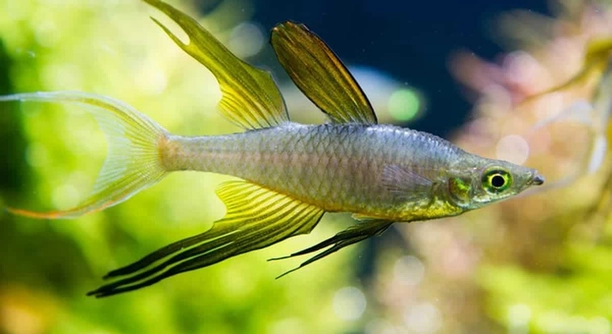
Do you enjoy keeping colorful fish but notice your Threadfin Rainbowfish suddenly changing hues? These small, vibrant fish often display shifts in color that can surprise even experienced aquarists. Observing their colors can reveal a lot about their well-being.
Threadfin Rainbowfish change color suddenly due to a combination of stress, environmental changes, social interactions, or health factors. Adjustments in lighting, water quality, diet, or the presence of other fish can trigger rapid shifts in pigmentation.
Understanding why these fish change color can help maintain a healthy aquarium environment. Observing their behavior alongside color changes offers valuable insight into their needs.
Stress and Its Effect on Color
Stress is one of the most common reasons Threadfin Rainbowfish change color suddenly. Factors such as sudden loud noises, aggressive tank mates, or overcrowding can cause noticeable shifts in their appearance. When stressed, these fish often display duller colors or patchy patterns, which signals their discomfort. Water quality also plays a significant role in stress levels. Poor water conditions, including fluctuating pH or high ammonia levels, can quickly impact the fish’s pigmentation. Observing behavior is just as important as monitoring color. A stressed fish may hide more frequently, swim erratically, or reduce feeding. Changes in the tank environment, such as new decorations or sudden lighting changes, can also trigger stress responses. By maintaining a calm, stable, and well-maintained aquarium, sudden color changes due to stress can often be minimized, keeping the fish healthy and vibrant.
Managing stress in Rainbowfish involves careful observation, stable water conditions, and a peaceful tank environment that supports their natural behavior.
Monitoring tank conditions, like water quality and social interactions, provides valuable insight into the causes behind color changes. Keeping the environment stable reduces stress, allowing your fish to maintain bright, consistent colors. Observing subtle shifts early ensures issues are addressed before serious health problems arise.
Water Quality and Temperature
Poor water quality or sudden temperature changes can cause Threadfin Rainbowfish to change color. These fish are sensitive to even minor fluctuations, and pigment changes often indicate stress.
Maintaining consistent temperature, proper filtration, and regular water changes is essential. Unstable conditions can lead to faded or uneven coloration, affecting overall health.
Water chemistry plays a critical role in Rainbowfish coloration. Parameters such as pH, hardness, and ammonia levels must remain within suitable ranges. Sudden temperature shifts can disrupt metabolism and stress the fish, resulting in rapid color changes. Filtration helps remove toxins, while partial water changes maintain stability and prevent harmful buildups. Even small adjustments in tank care, like cleaning decorations or avoiding overfeeding, can improve water conditions and stabilize colors. Rainbowfish are sensitive to nitrate and nitrite levels; testing water regularly ensures a safe environment. Beyond chemical balance, proper aeration and lighting contribute to overall well-being. Fish housed in clean, well-regulated tanks display more vibrant and consistent coloration. Observing subtle behavioral signs alongside water parameters allows for early detection of stressors, ensuring your fish remain healthy and colorful.
Social Interactions
Aggression or dominance among tank mates can cause sudden color changes. Threadfin Rainbowfish may darken or pale depending on their position in the social hierarchy.
Observing fish behavior is key. A dominant fish may display brighter colors to assert control, while submissive fish often fade. Conflicts over territory, food, or mates increase stress and trigger color shifts. Group dynamics affect all fish in the tank, so even minor disputes can influence their appearance. Ensuring enough space and hiding spots reduces tension and stabilizes coloration. Regular monitoring of interactions helps prevent prolonged stress and keeps the fish healthy.
Introducing new fish requires careful adjustment. Gradually acclimating newcomers and providing adequate space prevents bullying and maintains consistent color among all Rainbowfish.
Health and Diet
Nutritional deficiencies or illness can directly affect coloration. Poor diet or parasite infections may cause sudden fading or patchy colors.
High-quality, varied diets support natural pigmentation. Providing live or frozen foods rich in carotenoids and proteins enhances color intensity. Illnesses such as bacterial infections, parasites, or fin rot can quickly alter appearance. Early detection is essential. Signs include lethargy, reduced appetite, or unusual swimming behavior. Treating infections promptly and improving diet often restores vibrant colors. Maintaining clean water and a balanced feeding routine helps prevent health-related color changes, supporting long-term vitality.
Regular observation of both diet and physical health ensures Rainbowfish maintain strong, consistent coloration. Adequate nutrition combined with preventive care reduces stress on their immune system and enhances overall well-being, promoting natural, bright colors over time.
Lighting Effects
Lighting changes can trigger sudden color shifts in Threadfin Rainbowfish. Bright or dim lights may make colors appear more intense or faded.
Prolonged exposure to strong artificial light can stress the fish, while inadequate lighting may dull their natural hues. Maintaining a consistent light schedule supports stable coloration.
Breeding Behavior
During breeding, male Threadfin Rainbowfish often intensify their colors to attract females. This temporary change is natural and signals readiness to mate.
Color intensification may be accompanied by more active swimming and display behaviors. Females may also show subtle changes, though less pronounced. Observing these shifts helps distinguish breeding-related color changes from stress or illness.
Environmental Adjustments
Changes in tank setup or decorations can lead to sudden color changes. Fish adapt their pigmentation to new surroundings.
Providing familiar hiding spots and gradual adjustments reduces stress and supports consistent coloration.
FAQ
What causes Threadfin Rainbowfish to suddenly lose color?
Sudden loss of color in Threadfin Rainbowfish is often related to stress, poor water quality, or illness. Stress can result from aggressive tank mates, overcrowding, or sudden environmental changes. Illnesses like bacterial infections, parasites, or fin rot may also cause fading. Maintaining stable water conditions and monitoring fish behavior helps prevent sudden color loss.
Can diet affect the color of my Rainbowfish?
Yes, diet has a direct impact on coloration. Rainbowfish require foods rich in carotenoids and proteins to maintain vibrant colors. Live, frozen, or high-quality flake foods can enhance pigmentation. A poor or unbalanced diet may lead to dull or uneven coloration over time, even if water conditions are ideal.
Why do my Rainbowfish darken when new fish are added?
Adding new fish can alter social hierarchies. Threadfin Rainbowfish may darken or fade depending on dominance or submission. Submissive fish often lose brightness, while dominant individuals may intensify their colors to assert control. Gradual introductions and sufficient hiding spaces reduce stress and color fluctuations caused by social interactions.
Do lighting changes influence Rainbowfish color?
Yes, lighting can make a noticeable difference. Bright lighting can intensify colors, while dim or inconsistent lighting may dull them. Sudden changes in light exposure can stress fish, causing temporary color shifts. Maintaining a consistent light schedule mimics natural conditions and supports stable coloration over time.
Is breeding responsible for color changes in Rainbowfish?
During breeding, male Threadfin Rainbowfish often intensify their colors to attract females. Females may show more subtle changes. These temporary shifts are normal and indicate reproductive readiness rather than stress or illness. Observing behavior alongside color changes helps distinguish breeding-related changes from other causes.
How can water quality impact color?
Poor water quality is a major factor. High ammonia, nitrite, or nitrate levels, fluctuating pH, and unstable temperatures can all trigger color changes. Rainbowfish require clean, stable water to maintain healthy pigmentation. Regular water tests, partial water changes, and proper filtration help prevent color loss due to environmental stress.
Can stress alone cause dramatic color changes?
Stress can significantly impact Rainbowfish appearance. Loud noises, aggressive tank mates, overcrowding, or sudden changes in the environment can all trigger fading or darkening. Providing a stable environment, adequate space, and hiding spots helps reduce stress and maintain natural coloration.
How quickly do Rainbowfish recover color after stress?
Recovery depends on the cause and severity of stress. Minor stress may result in color returning within hours or days. Chronic stress, illness, or poor water conditions may take longer, and intervention like adjusting tank conditions or treating disease may be necessary. Observing their behavior helps gauge recovery.
Can environmental changes cause long-term color alterations?
Significant changes in tank setup, decorations, or lighting can cause temporary or long-term color shifts. Fish often adapt their pigmentation to surroundings. Gradual adjustments and maintaining familiar hiding spots help minimize prolonged fading or stress-induced changes.
Are there signs that color change is due to illness rather than normal behavior?
Yes. Illness-related color changes are often accompanied by lethargy, reduced appetite, fin damage, or unusual swimming patterns. If the fish display sudden, persistent fading alongside these signs, it may indicate infection or parasite issues. Prompt treatment and improved tank care support recovery and coloration.
How can I prevent sudden color changes in my Rainbowfish?
Maintaining a consistent, well-maintained aquarium is key. Stable water quality, proper diet, controlled lighting, and peaceful social conditions all support vibrant coloration. Regular observation and early intervention when changes occur help prevent stress or illness from causing lasting pigment shifts.
Does age affect color changes in Threadfin Rainbowfish?
Yes, younger fish often display more vivid, fluctuating colors as they grow, while older fish may naturally dull over time. Age-related color changes are gradual and not linked to stress or illness. Monitoring growth and ensuring proper nutrition supports healthy, consistent coloration throughout their lifespan.
Can tank size influence coloration?
Tank size affects social behavior and stress levels. Overcrowded tanks increase competition, stress, and sudden fading, while adequately sized tanks allow natural behaviors and stable color expression. Providing enough space for swimming, hiding, and establishing territories supports vibrant, consistent coloration.
Are there ways to naturally enhance Rainbowfish color?
Yes. A varied, high-quality diet, stable water conditions, consistent lighting, and stress-free social environments all contribute to vibrant colors. Introducing plants or natural decorations can reduce stress and encourage natural pigmentation. Regular monitoring ensures adjustments are effective without causing further stress.
How often should I monitor Rainbowfish for color changes?
Daily observation is recommended. Subtle shifts in color, behavior, or appetite may indicate stress, illness, or environmental issues. Early detection allows corrective measures to maintain health and vibrant coloration, preventing prolonged problems or more serious health concerns.
Can temperature fluctuations cause sudden color shifts?
Yes. Threadfin Rainbowfish are sensitive to temperature changes. Rapid increases or decreases can stress them, causing darkening or fading. Keeping water temperature stable within recommended ranges supports natural coloration and overall health, while preventing stress-related pigment changes.
Is it normal for Rainbowfish to have temporary color changes?
Temporary changes are common. Stress, lighting, breeding behavior, or minor environmental adjustments can cause short-term shifts. Temporary color changes that resolve quickly are typically not a cause for concern, as long as fish behavior and appetite remain normal.
What steps should I take if my fish’s color changes suddenly?
First, check water parameters for stability and cleanliness. Observe for stress, aggression, or illness. Adjust tank conditions gradually, ensure proper diet, and isolate sick fish if needed. Prompt attention helps prevent long-term color loss and supports fish health.
How do hiding spots influence color stability?
Providing adequate hiding spaces reduces stress and allows fish to feel secure. Fish that feel safe maintain brighter, more stable coloration, while a lack of hiding spots can increase stress, leading to sudden fading or darkening of colors.
Can stress from handling affect coloration?
Yes. Frequent netting, moving, or sudden contact can cause temporary color loss. Minimizing handling and ensuring gentle care supports natural pigmentation and reduces stress-induced fading or darkening.
Does water hardness impact Rainbowfish color?
Water hardness can influence pigmentation over time. Threadfin Rainbowfish prefer moderately hard water. Sudden changes in hardness may stress the fish, causing color shifts. Maintaining consistent hardness levels helps preserve natural, vibrant colors.
Are color changes reversible?
Most sudden color changes are reversible if the cause is addressed promptly. Stress, environmental shifts, or diet deficiencies can be corrected, allowing fish to regain natural coloration. Chronic illness or long-term neglect may cause more permanent fading, so early intervention is critical.
What role does tank decor play in color changes?
Tank decorations and substrate color can influence perceived pigmentation. Bright or reflective surfaces may enhance appearance, while dull or dark surroundings may make colors seem faded. Arranging decor to mimic natural habitats supports comfort and stable coloration.
How can I differentiate stress-induced color change from natural variation?
Stress-induced changes are often rapid and accompanied by behavioral signs like hiding, erratic swimming, or loss of appetite. Natural variation is gradual, linked to age, breeding, or minor environmental adjustments, and typically does not affect overall health or activity levels.
Are male and female Rainbowfish affected differently by color changes?
Yes. Males often display more dramatic color shifts, particularly during breeding or dominance displays. Females may show subtle changes in response to stress or social dynamics, but their pigmentation is generally less pronounced than males.
How long does it take for a Rainbowfish to regain color after improvement in conditions?
Recovery time varies. Minor stress may resolve within hours, while recovery from illness or prolonged poor conditions can take days or weeks. Observing behavior, appetite, and gradual color return indicates progress and overall health improvement.
What is the best way to track color changes over time?
Regular observation, photography, or journaling helps track subtle changes. Recording water parameters, diet, social interactions, and lighting schedules alongside appearance provides insight into patterns and helps identify causes of color fluctuations efficiently.
Are sudden color changes more common in certain tank setups?
Yes. Small, overcrowded tanks, poor filtration systems, and unstable environments increase the likelihood of sudden changes. Proper tank size, clean water, consistent lighting, and peaceful social arrangements minimize stress and support stable, vibrant coloration.
How can I support natural coloration in my Rainbowfish long-term?
Maintaining stable water conditions, a varied diet, proper lighting, adequate space, and low-stress social environments supports long-term color stability. Regular observation and timely intervention prevent prolonged fading, ensuring fish remain healthy, active, and visually vibrant throughout their lifespan.
Do color changes affect overall health?
Yes. Frequent or extreme color changes often indicate stress, illness, or environmental problems. Addressing underlying causes promptly supports both coloration and overall health, preventing long-term issues and promoting active, healthy fish.
Can seasonal changes impact color?
Seasonal variations in temperature, light exposure, and feeding patterns can influence pigmentation. Gradual adjustments and consistent tank conditions help Rainbowfish adapt without sudden fading or darkening, maintaining healthy colors year-round.
Is it normal for juvenile Rainbowfish to change color more often than adults?
Yes. Juveniles undergo rapid growth and development, which can cause frequent, temporary color shifts. Adults typically display more stable coloration, with changes linked primarily to social dynamics, stress, or health factors. Monitoring growth and tank conditions ensures proper development and color retention.
Can tankmates with different species affect color?
Yes. Aggressive or highly active species may stress Rainbowfish, causing fading or darkening. Peaceful, compatible tankmates reduce stress and support stable coloration. Observing interactions and separating incompatible species helps maintain consistent pigmentation.
Does pH fluctuation cause sudden color changes?
Yes. Threadfin Rainbowfish prefer slightly acidic to neutral pH. Rapid shifts in pH can stress them, leading to sudden fading or darkening. Maintaining stable pH supports natural pigmentation and overall well-being.
Can color changes indicate reproductive cycles in females?
Females may show subtle color changes during reproductive readiness, though less pronounced than males. Observing behavior alongside these shifts helps distinguish normal reproductive changes from stress or illness.
How often should I test water to prevent color-related issues?
Testing water at least weekly is recommended. Monitoring pH, ammonia, nitrite, nitrate, and hardness ensures stable conditions. Early detection of changes allows adjustments to prevent stress-induced or illness-related color shifts.
What are the key signs that a color change is serious?
Persistent fading, darkening, patchy colors, or accompanying lethargy, loss of appetite, fin damage, or erratic swimming indicates a serious issue. Immediate attention to water quality, diet, and potential illness is necessary.
Are there natural remedies to support color recovery?
Providing high-quality foods, maintaining stable water conditions, reducing stress, and adding plants or natural decorations can support natural color restoration. These adjustments improve overall health and accelerate the return of vibrant pigmentation.
How can I prevent recurring color changes?
Maintaining a balanced diet, stable environment, adequate tank size, compatible tankmates, and consistent lighting prevents recurring stress-related or health-related color shifts. Regular observation ensures early intervention when minor changes occur.
Do color changes indicate aging?
Gradual fading over years is normal as Rainbowfish age. Unlike stress or illness, this process is slow and does not affect activity or appetite. Supporting proper nutrition and water conditions helps maintain brightness for as long as possible.
What role does aquarium substrate play in color perception?
Substrate color affects how vibrant fish appear. Lighter or reflective substrates enhance colors, while dark or dull substrates may make them seem faded. Selecting substrate that contrasts well with Rainbowfish supports visual vibrancy.
Can overcrowding cause permanent color loss?
Prolonged overcrowding increases stress and competition, which can lead to long-term fading if not addressed. Ensuring adequate space, hiding spots, and proper social dynamics prevents permanent color loss and supports overall health.
How does acclimation affect color when moving fish to a new tank?
Gradual acclimation reduces stress and prevents sudden fading. Sudden transfers without proper adjustment can cause temporary or prolonged color changes. Using slow water mixing and minimal handling supports natural pigmentation.
Can certain medications affect coloration?
Yes. Some treatments, particularly those containing copper or strong chemicals, may temporarily alter pigmentation. Following dosage instructions carefully and monitoring fish ensures minimal impact on color.
Are color changes more visible in males than females?
Yes. Males exhibit more vivid and dramatic color shifts, especially during breeding, dominance displays, or stress. Female changes are subtler, often reflecting social dynamics or minor stressors rather than major pigmentation shifts.
How does temperature stress compare to other stressors?
Temperature fluctuations are one of the most immediate causes of color changes. Even slight deviations can trigger darkening or fading. Compared to social or dietary stress, temperature stress often produces faster and more noticeable shifts.
Can consistent observation prevent serious issues related to color changes?
Yes. Monitoring behavior, appearance, water parameters, and diet helps identify problems early. Early intervention prevents long-term color loss, stress, or illness, ensuring Rainbowfish remain healthy and visually vibrant.
How can I differentiate between temporary and permanent color changes?
Temporary changes often resolve within hours to days with minor adjustments. Permanent changes result from chronic stress, prolonged illness, or aging. Observing duration, behavior, and environmental factors helps determine the type of change.
What is the most effective long-term strategy to maintain vibrant colors?
Providing a stable environment, high-quality diet, proper lighting, compatible tankmates, and adequate space supports long-term pigmentation. Regular observation and timely intervention ensure Rainbowfish retain healthy, consistent colors throughout their lifespan.
How important is observation of behavior alongside color changes?
Behavioral observation is critical. Changes in swimming, feeding, or social interactions often precede visible color shifts. Tracking behavior alongside appearance helps identify stress, illness, or environmental issues before they impact pigmentation.
Can seasonal tank maintenance influence coloration?
Yes. Regular cleaning, water changes, and adjustments to lighting or temperature during seasonal shifts maintain stable conditions. Proper maintenance prevents stress-induced fading or darkening, supporting consistent coloration year-round.
Do natural plants in the tank affect color stability?
Plants provide hiding spots, reduce stress, and improve water quality. Their presence supports stable coloration by creating a more natural and comfortable environment for Rainbowfish.
How does social hierarchy affect long-term coloration?
Dominant fish often display brighter, more intense colors, while submissive individuals may remain dull. Maintaining balanced groups with sufficient space reduces chronic stress and supports healthy, consistent pigmentation across all fish.
Can repeated minor stress events accumulate to cause permanent color changes?
Yes. Frequent minor stressors, even if individually insignificant, can accumulate over time and lead to prolonged fading or dulling of colors. Consistently managing stress, environment, and social dynamics helps prevent long-term effects.
Are there supplements that support vibrant coloration?
Certain high-quality fish foods contain natural color-enhancing ingredients like carotenoids. Including these in the diet supports healthy pigmentation. Over-supplementation is unnecessary if diet is balanced and water quality is maintained.
What are early warning signs of color-related health problems?
Subtle fading, patchy coloration, dark streaks, or uneven patterns alongside changes in behavior, appetite, or activity levels indicate early health issues. Prompt attention prevents escalation and supports recovery.
How can tank lighting schedules optimize coloration?
Consistent lighting mimics natural day-night cycles, reducing stress and supporting natural pigmentation. Sudden or irregular changes can trigger temporary fading or darkening. Gradual adjustments during maintenance help maintain stable colors.
Do color changes indicate specific deficiencies in diet?
Yes. Lack of carotenoids or protein can dull pigmentation over time. Providing a varied, high-quality diet ensures sufficient nutrients to support vibrant, natural coloration.
Can water additives enhance or harm coloration?
Some additives, like those for stabilizing pH or improving water clarity, can support coloration indirectly. Strong chemicals or overuse may stress fish, causing fading or patchy colors. Use additives carefully and monitor fish response.
Is it normal for Rainbowfish to adjust colors based on surroundings?
Yes. Threadfin Rainbowfish naturally adapt pigmentation to blend with surroundings or react to lighting. This is temporary and should not be confused with stress-induced or illness-related fading.
How does tank size influence long-term coloration?
Adequate space reduces competition, stress, and territorial disputes, supporting stable, vibrant coloration. Overcrowding increases stress, leading to fading or uneven pigmentation over time.
Are there specific signs that indicate a need for water parameter adjustment?
Rapid or repeated color changes, alongside behavioral shifts, often indicate imbalances in pH, ammonia, nitrites, nitrates, or temperature. Regular testing and corrective actions maintain both health and vibrant coloration.
Can seasonal feeding changes affect color?
Yes. Adjusting diet to include nutrient-rich foods during seasonal growth or breeding periods supports optimal pigmentation. Lack of proper nutrition during these times can result in duller, patchy colors.
Do tank decorations with bright colors influence fish pigmentation?
Decor colors can affect perceived brightness. Reflective or contrasting surfaces may enhance appearance, while dark or muted surroundings may make colors appear faded. Choosing appropriate decor helps highlight natural pigmentation.
Can stress from water flow changes cause color shifts?
Yes. Threadfin Rainbowfish prefer moderate, stable flow. Sudden increases or decreases can stress fish, causing temporary fading or darkening. Gradual adjustments maintain comfort and coloration.
Are all color changes reversible if conditions improve?
Most are, especially those caused by stress, diet, or minor environmental changes. Chronic illness, prolonged poor conditions, or age-related fading may be less reversible. Early intervention maximizes recovery chances.
Do color changes always indicate a problem?
Not always. Temporary shifts can result from breeding, social interactions, or environmental adaptation. Persistent or accompanied behavioral changes are more likely linked to stress or illness.
How can observation and preventive care work together to maintain color?
Regular monitoring, combined with stable water conditions, proper diet, adequate lighting, and peaceful social arrangements, ensures vibrant, consistent coloration. Preventive care allows early detection of issues before permanent changes occur.
Are there visual differences between stressed, ill, or naturally changing colors?
Yes. Stress-induced changes are often rapid and accompanied by behavior shifts. Illness-related changes are persistent with other health signs. Natural changes, like breeding or aging, are gradual and typically not associated with altered activity.
How important is diet variety in maintaining long-term pigmentation?
Variety ensures adequate nutrients to support natural coloration. A consistent diet rich in carotenoids, proteins, and vitamins prevents fading, enhances vibrancy, and supports overall health over time.
Do males require different care than females for maintaining coloration?
Males may display more intense colors and respond more noticeably to breeding or dominance stress. While care requirements are similar, monitoring social interactions and stress is especially important to preserve
Final Thoughts
Threadfin Rainbowfish are beautiful, vibrant fish that naturally attract attention in any aquarium. Their sudden color changes can be startling, but understanding the reasons behind these shifts is essential for proper care. Many factors, including stress, water quality, diet, social interactions, lighting, and breeding behavior, influence how and when these fish alter their coloration. Being aware of these influences allows aquarists to respond quickly and effectively, helping maintain a healthy, stable environment where the fish can thrive. Consistent observation and attention to their daily behavior are key to preventing prolonged stress or health problems. When fish appear dull or patchy, it is often an early warning sign, and acting promptly can prevent more serious issues. Paying close attention to subtle shifts in color, swimming patterns, and appetite provides valuable insight into their overall well-being.
Water quality is one of the most critical aspects of keeping Rainbowfish vibrant. Stable parameters for pH, temperature, hardness, and ammonia levels ensure the fish remain healthy and maintain natural coloration. Filtration, regular partial water changes, and careful monitoring are all necessary steps to prevent fluctuations that could stress the fish and trigger fading. Diet also plays a major role in pigmentation. High-quality foods rich in carotenoids and proteins promote bright colors and overall vitality. Live or frozen foods, along with a balanced flake or pellet diet, provide essential nutrients that directly impact coloration. Neglecting any of these aspects can lead to gradual or sudden dulling of colors, which may indicate underlying health concerns. Ensuring a clean, well-maintained, and nutritionally supportive environment is the foundation of keeping Rainbowfish consistently vibrant.
Social dynamics and tank setup further influence coloration. Threadfin Rainbowfish respond to dominance, aggression, and overcrowding with color changes, making it important to provide adequate space and hiding spots. Lighting schedules should be consistent to mimic natural conditions, reducing stress and supporting stable pigmentation. During breeding periods, males intensify their colors naturally, which is normal, but the behavior should be distinguished from stress or illness. Observing fish in context, rather than judging color alone, gives a clearer picture of their health and comfort. By combining proper water care, balanced nutrition, stress management, and attentive observation, aquarists can maintain the bright, vibrant colors of Threadfin Rainbowfish over the long term, ensuring their fish remain healthy, active, and visually striking.

Hello,
If you enjoy the content that we create, please consider saying a "Thank You!" by leaving a tip.
Every little bit helps us continue crafting quality advice that supports the health, happiness, and well-being of pets around the world, for pets of all shapes, sizes, and species.
We really appreciate the kindness and support that you show us!