
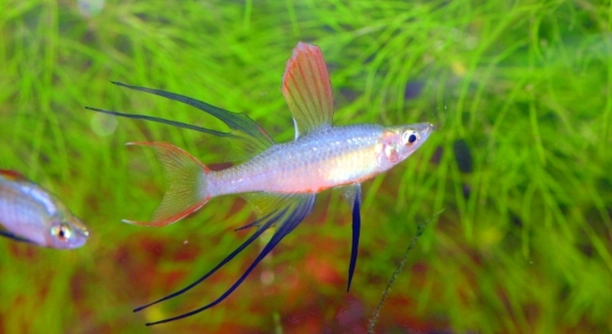
Do your Threadfin Rainbowfish tanks sometimes feel like they could use a little extra care? Many hobbyists find small changes can make a big difference in water quality, fish behavior, and overall tank appearance.
Improving a Threadfin Rainbowfish tank can be achieved through straightforward upgrades such as enhancing filtration, adjusting lighting, adding live plants, reorganizing decorations, optimizing feeding routines, monitoring water parameters, and ensuring sufficient swimming space for fish activity.
Even minor improvements can transform your tank, making it healthier and more visually appealing for your fish and for you to enjoy daily.
Upgrade Your Filtration System
A strong filtration system is essential for maintaining a healthy Threadfin Rainbowfish tank. Old or weak filters may not remove enough waste, which can lead to poor water quality and stress for your fish. Consider investing in a filter rated for slightly more water than your tank holds, as this ensures efficient cleaning. Upgrading to a filter with multiple media types can also improve chemical, mechanical, and biological filtration. Regular maintenance, such as rinsing sponges and replacing activated carbon, will keep your system running smoothly. A well-filtered tank reduces the risk of algae growth and keeps water clearer, making your fish more active and vibrant. Some advanced filters even include adjustable flow settings, which allow you to mimic gentle currents that Threadfin Rainbowfish enjoy. Proper circulation ensures oxygen distribution throughout the tank, supporting both plants and fish. This single upgrade can make a noticeable difference in your tank’s overall health and stability.
Upgrading your filter improves water clarity, oxygen levels, and overall tank health, keeping your Threadfin Rainbowfish happier and more active.
A stronger filtration system not only removes waste but also stabilizes water parameters, which is critical for sensitive species. Threadfin Rainbowfish thrive in clean water with stable temperatures and pH. Adding biological media encourages beneficial bacteria growth, which breaks down harmful ammonia and nitrites naturally. Combining mechanical and chemical filtration ensures debris is removed and toxins are minimized. A well-maintained filter reduces maintenance time and stress for both fish and the caretaker. Over time, fish exhibit better color, increased activity, and lower susceptibility to disease. Adjusting flow rates and positioning intake outlets properly prevents fish from being stressed by strong currents. Pairing filtration upgrades with regular water testing creates an environment that supports longevity and vitality.
Enhance Lighting and Plant Growth
Proper lighting is important for both Threadfin Rainbowfish and live plants. Bright, consistent light encourages plant photosynthesis and helps fish display their natural colors.
Adding full-spectrum lighting and arranging plants strategically creates a balanced environment. Light cycles should mimic natural day and night patterns for fish health.
Live plants benefit from sufficient light, which promotes growth and oxygen production. Well-lit tanks help fish feel secure and reduce stress, while plants provide hiding spots and natural filtration. Using timers ensures consistent lighting without overexposure. Combining lighting upgrades with careful plant selection enhances tank aesthetics. Threadfin Rainbowfish respond well to gentle, evenly distributed light, which supports both behavior and coloration. Proper lighting also minimizes algae overgrowth by balancing plant and nutrient needs, contributing to overall tank stability and a vibrant, thriving ecosystem.
Rearrange Decorations for Better Swimming Space
Providing open swimming space is essential for Threadfin Rainbowfish. Crowded tanks can stress them and limit natural movement. Rearranging decorations creates areas for swimming, hiding, and exploring without overcrowding.
Proper layout encourages natural behavior while maintaining aesthetic appeal. Moving rocks, driftwood, and ornaments away from the center increases swimming space. Grouping taller plants or decorations along the edges provides vertical hiding spots without restricting horizontal movement. Consider leaving at least two-thirds of the tank open to allow free swimming. This setup reduces aggression and stress, as fish can establish territories while still interacting socially. Open space also improves water circulation and ensures better oxygen distribution, benefiting both fish and plants. The tank feels cleaner and more organized, making maintenance easier. Threadfin Rainbowfish display their full colors and active swimming patterns when they have ample space to navigate, and a well-planned layout supports both health and visual appeal.
This approach supports fish well-being, reduces stress, and enhances natural behavior, creating a balanced and functional tank environment.
Creating a dynamic tank requires balancing open areas with strategic decoration placement. Avoid blocking filters or disrupting plant clusters, which can limit water flow or light penetration. Positioning structures thoughtfully provides resting and hiding spots while keeping swimming areas clear. Using varied textures and heights can simulate a natural environment, making fish feel secure. Observing fish behavior after rearrangement ensures the setup meets their needs. Some species prefer mid-level swimming, while others explore top or bottom zones. By monitoring interactions and adjusting decorations accordingly, the tank becomes more engaging and suitable for long-term health. Even small changes, like repositioning a rock or a plant cluster, can significantly improve fish activity, comfort, and coloration.
Optimize Feeding Routines
Feeding consistency is crucial for Threadfin Rainbowfish. Uneven schedules or overfeeding can harm water quality and fish health.
Offering a balanced diet at the same time daily encourages healthy growth. Varying food types, such as flakes, pellets, and occasional live or frozen options, ensures nutritional needs are met. Monitor portions carefully to prevent leftover food from decomposing. Using feeding rings or designated areas can reduce waste and keep the substrate cleaner.
A structured feeding routine promotes digestion, coloration, and natural behavior. Avoid sudden diet changes, as Threadfin Rainbowfish may become stressed or refuse food. Tracking food intake helps detect health issues early. Supplementing with occasional treats like brine shrimp or daphnia supports vitality. Overfeeding can cause bloating or water pollution, so small, frequent meals are preferable. Observing fish during feeding provides insight into social dynamics and hierarchy within the tank, helping to manage aggression and ensure all fish receive adequate nutrition.
Monitor Water Parameters Regularly
Keeping track of water conditions is critical for Threadfin Rainbowfish. Regular testing for pH, ammonia, nitrites, and nitrates ensures a stable environment.
Consistent monitoring helps prevent sudden fluctuations that can stress or harm fish. Maintaining proper temperature and water hardness supports overall health. Small, gradual adjustments are safer than drastic changes, reducing risk of illness.
Add Live Plants
Live plants improve water quality by absorbing excess nutrients and producing oxygen. They also provide hiding spots and natural boundaries, which reduce stress and encourage natural behavior among Threadfin Rainbowfish.
Maintain Proper Tank Temperature
Threadfin Rainbowfish thrive in water temperatures between 24–28°C. Using a reliable heater and thermometer ensures a stable environment.
Use Gentle Water Flow
Strong currents can stress Threadfin Rainbowfish. Adjust filter flow or add flow-reducing accessories to create gentle, consistent water movement that mimics natural conditions.
FAQ
What is the ideal tank size for Threadfin Rainbowfish?
Threadfin Rainbowfish are active swimmers and need ample space. A minimum 30-gallon tank is recommended for a small group, but larger tanks allow more swimming room and better water stability. Crowding can lead to stress, aggression, and poor health, so space is essential.
How often should I perform water changes?
Weekly water changes of 20–30% are recommended to maintain water quality. Consistent partial changes remove excess nutrients, waste, and toxins, preventing sudden spikes in ammonia or nitrites. Larger tanks may allow slightly longer intervals, but regular monitoring is essential.
What should I feed Threadfin Rainbowfish?
A varied diet keeps them healthy. High-quality flakes or pellets serve as the main food, while occasional live or frozen foods, like brine shrimp or daphnia, provide protein and encourage natural hunting behavior. Feeding small portions 1–2 times daily prevents overfeeding and water pollution.
Can Threadfin Rainbowfish live with other fish?
Yes, they are generally peaceful and do well with other non-aggressive species of similar size. Avoid fin-nipping or territorial fish. Schools of at least six individuals reduce stress and improve social behavior, ensuring they feel secure and active.
How do I prevent algae growth in the tank?
Algae can be controlled through balanced lighting, regular water changes, and not overfeeding. Live plants compete with algae for nutrients, reducing its growth naturally. Algae-eating tank mates like snails or small catfish can also help, but do not rely solely on them.
What is the best water temperature and pH?
Threadfin Rainbowfish thrive in temperatures between 24–28°C and a pH range of 6.5–7.5. Stability is key, so sudden changes should be avoided. Using a reliable heater, thermometer, and regular testing ensures a consistent environment that supports health and coloration.
Do Threadfin Rainbowfish need a specific lighting setup?
Moderate, full-spectrum lighting works best. It supports plant growth and allows fish to show their natural colors. A consistent day-night cycle of 10–12 hours mimics natural conditions and reduces stress, while timers can help maintain this schedule without manual intervention.
How can I encourage natural behavior in my fish?
Providing open swimming space, live plants, and hiding spots encourages exploration and social interaction. Observing them during feeding and adjusting decoration placement supports natural schooling behavior. Gentle water flow mimics their native streams and rivers, making the environment more comfortable and engaging.
What signs indicate my Threadfin Rainbowfish is stressed or unhealthy?
Watch for loss of color, erratic swimming, hiding excessively, or refusing food. Poor water quality, overcrowding, or incorrect temperature can cause stress. Regular water testing, proper feeding, and ensuring adequate space and hiding spots help prevent these issues and support long-term health.
How often should I clean the tank and decorations?
Partial cleaning during weekly water changes is sufficient. Rinse decorations gently with tank water to remove debris. Avoid harsh chemicals, as residues can harm fish. Maintaining the substrate, plants, and filter ensures a healthy and stable environment. Proper cleaning routines prevent disease and keep the tank visually appealing.
Can I breed Threadfin Rainbowfish in a home aquarium?
Yes, with the right conditions. Separate males and females until ready to breed, provide dense plant cover for spawning, and maintain pristine water conditions. Eggs are sensitive, so parents may need to be removed after spawning. Temperature and diet adjustments can encourage breeding behavior.
Are there common diseases to watch for?
Threadfin Rainbowfish are generally hardy, but they can be affected by ich, fin rot, or fungal infections if stressed or kept in poor water conditions. Early detection, quarantine of sick fish, and maintaining optimal water quality are critical for prevention and treatment.
How can I reduce aggression in the tank?
Aggression is minimized by keeping schools of six or more fish, providing open swimming space, and using decorations to break sightlines. Avoid introducing aggressive tank mates and monitor interactions. Adjusting lighting and flow may also calm overly active or dominant individuals.
Is it necessary to use a water conditioner?
Yes, a water conditioner neutralizes chlorine, chloramine, and heavy metals in tap water. This prevents gill and skin irritation and promotes overall fish health. Always use the correct dosage and follow manufacturer instructions to ensure safe water conditions.
How long do Threadfin Rainbowfish typically live?
With proper care, they can live 5–7 years or longer. Maintaining stable water conditions, providing a balanced diet, and ensuring a suitable tank environment significantly contribute to longevity and quality of life.
Can I keep other species in the same tank without affecting the Rainbowfish?
Compatibility depends on size, temperament, and environmental needs. Stick to peaceful, similarly sized fish that prefer the same water parameters. Monitor behavior and remove aggressive species immediately to maintain a harmonious and stress-free community tank.
This FAQ provides clear, practical guidance to ensure Threadfin Rainbowfish remain healthy, active, and vibrant while keeping the tank easy to maintain and enjoyable to observe.
Final Thoughts
Maintaining a healthy Threadfin Rainbowfish tank requires attention to both fish and environment. Small changes, like upgrading the filtration system or rearranging decorations, can have a significant impact on water quality and fish behavior. Consistent care ensures that fish remain active, vibrant, and stress-free. Observing the tank regularly allows you to notice subtle changes in behavior or appearance, which often indicate health issues or environmental problems. By taking a structured approach to tank management, from feeding schedules to water parameter monitoring, you can create a stable and supportive environment for your fish.
In addition to technical adjustments, the overall layout and design of the tank matter. Open swimming areas combined with strategically placed plants and decorations provide both physical and psychological benefits to Threadfin Rainbowfish. These fish thrive in a spacious environment that allows natural schooling behavior while offering hiding spots when they feel threatened. Proper lighting enhances the appearance of the tank and supports live plant growth, which in turn helps with oxygenation and nutrient control. Even minor changes, such as adjusting flow rates or repositioning a plant, can improve fish comfort and encourage natural activity. Paying attention to these details makes a noticeable difference in fish health and overall tank aesthetics.
Finally, routine maintenance and observation are key to long-term success. Regular water changes, cleaning, and monitoring of temperature, pH, and other parameters reduce the risk of stress and disease. Following a balanced feeding schedule ensures that fish receive proper nutrition without overloading the tank with excess waste. Incorporating live plants, gentle water flow, and adequate lighting creates a natural and supportive environment that encourages thriving behavior. Over time, these small but consistent efforts lead to a stable, visually appealing, and healthy tank. Threadfin Rainbowfish, when properly cared for, display their natural colors, energy, and personality, rewarding consistent attention and thoughtful adjustments with a lively and balanced aquatic environment.

Hello,
If you enjoy the content that we create, please consider saying a "Thank You!" by leaving a tip.
Every little bit helps us continue crafting quality advice that supports the health, happiness, and well-being of pets around the world, for pets of all shapes, sizes, and species.
We really appreciate the kindness and support that you show us!