
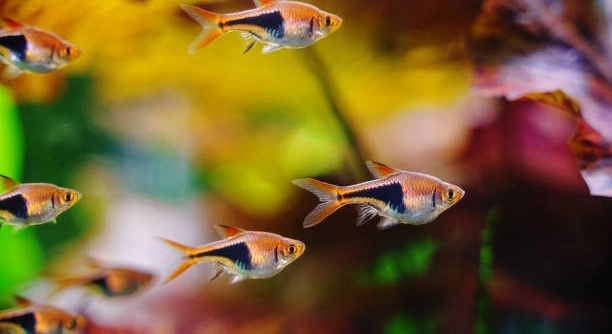
Rasboras are small, colorful fish that bring life to any aquarium. Sometimes, these lively swimmers suddenly become reclusive, hiding in corners or remaining motionless. Observing their behavior closely can reveal the reasons behind their sudden withdrawal.
Rasboras typically become reclusive due to stress, poor water quality, or lack of proper hiding spots. Environmental changes, incompatible tank mates, or inadequate nutrition can trigger retreating behavior, prompting the fish to seek safety and reduce activity within the aquarium.
Understanding the causes of this behavior helps create a comfortable habitat for your rasboras. Small adjustments can restore their activity and improve overall tank harmony.
Environmental Stressors Affecting Rasboras
Rasboras are highly sensitive to changes in their surroundings. Sudden shifts in water temperature or pH can make them feel insecure, causing them to hide more often. Bright lighting or strong currents may also push them to seek shelter, as they prefer calm and stable conditions. Overcrowding is another significant factor. When there are too many fish in a tank, rasboras may feel threatened and retreat to corners or dense plant areas. Even subtle changes, like moving decorations or introducing new tank mates, can trigger reclusive behavior. Maintaining consistency in the aquarium helps rasboras feel safe, encouraging them to swim freely. Observation is key. Watching how they respond to different elements allows adjustments before stress escalates. By ensuring clean water, gentle currents, and adequate space, you can minimize stress-related hiding.
Stable environmental conditions give rasboras confidence and encourage natural, active swimming behavior in their tank.
Regular water testing, slow acclimation to new setups, and carefully choosing compatible tank mates create a harmonious habitat. Plants, caves, and hiding spaces allow comfort without isolating them completely. Gradual adjustments prevent sudden stress, and consistent feeding schedules further stabilize their behavior. Overcrowding should be avoided to reduce competition and aggression. By understanding these environmental needs, rasboras will display more social and lively activity, making the tank more enjoyable to observe.
Dietary Factors Contributing to Reclusiveness
Poor nutrition can make rasboras lethargic and withdrawn. A lack of variety in their diet affects both energy and overall health.
Balanced meals with live or frozen foods, along with quality flakes or pellets, support their activity. Nutritional deficiencies can lead to dull coloration, decreased swimming, and frequent hiding, making them appear reclusive even in ideal environmental conditions. Feeding small amounts multiple times a day mimics natural behavior and prevents overeating. Supplementing with occasional treats like brine shrimp or daphnia adds stimulation and encourages movement. Overfeeding, however, can pollute water and induce stress, which also promotes hiding. Observing feeding responses is important. If rasboras hesitate to eat or remain at the tank’s bottom, dietary adjustments are necessary. Combining proper nutrition with stable water conditions enhances their confidence and encourages active swimming. Ensuring they have enough food while maintaining water quality reduces stress and promotes overall well-being, helping rasboras regain their natural, social behavior within the aquarium environment.
Tank Mates and Social Dynamics
Rasboras are peaceful fish that thrive with compatible tank mates. Aggressive or overly active species can stress them, leading to hiding. Careful selection of companions ensures a calm environment and reduces competition for space and food.
Incompatible tank mates are a common reason rasboras become reclusive. Fish that nip fins or dominate feeding areas create constant stress. Even subtle signs of aggression, like chasing or cornering, can cause rasboras to retreat. Keeping species with similar temperament and size promotes harmony. Schools of rasboras also feel safer in groups, as they rely on numbers for confidence. Observing interactions helps identify tension, and separating problematic fish can prevent ongoing stress. A balanced, peaceful community tank allows rasboras to swim openly and display natural behaviors without fear of attack.
Grouping rasboras with calm, medium-sized fish encourages social behavior. Overcrowding should be avoided, and hiding spots maintained to offer security. Monitoring their interactions daily ensures that each fish feels safe, reducing stress-induced reclusiveness. Adjustments in tank composition or placement of plants and shelters can improve comfort, allowing rasboras to remain active. When they feel secure, they regain confidence, swim in open areas, and display vibrant colors, showing that social stability is key to their well-being.
Lighting and Aquarium Layout
Lighting intensity and placement directly affect rasboras’ comfort. Too bright or uneven lighting can trigger hiding, while dim or natural lighting encourages exploration and activity.
The arrangement of decorations, plants, and hiding spaces influences rasboras’ behavior. Dense plants, caves, and shaded areas provide security, helping them feel less exposed. Sparse or cluttered layouts increase stress, making fish withdraw. Properly positioned lighting avoids glare and maintains day-night cycles. Combining soft lighting with varied terrain allows rasboras to explore confidently while retreating when needed. Regularly adjusting plant growth and decorations prevents overcrowding and maintains open swimming areas. A thoughtfully designed layout ensures comfort, reduces stress, and encourages active behavior, supporting the natural instincts of rasboras to balance safety and exploration.
Water Quality and Maintenance
Clean, stable water is essential for rasboras’ well-being. High ammonia, nitrite, or nitrate levels can stress them, causing hiding and reduced activity. Regular testing and water changes keep conditions safe and comfortable.
Temperature fluctuations also affect behavior. Rasboras prefer consistent warmth, and sudden drops or spikes can make them reclusive. Monitoring heaters and avoiding drafts ensures stability, helping fish feel secure.
Overcrowding Effects
Overcrowded tanks limit swimming space and increase competition for food and shelter. Rasboras in dense setups often hide more, displaying stress and anxiety. Maintaining appropriate stocking levels prevents territorial disputes and allows all fish to thrive. Schools of five or more provide comfort without overwhelming the tank.
Observation and Behavior Patterns
Watching rasboras closely reveals signs of stress. Lethargy, staying near the bottom, or hiding frequently indicate discomfort. Early observation allows timely adjustments in diet, tank mates, or environment, preventing long-term behavioral issues.
Seasonal and Environmental Changes
Changes in seasons or room conditions can influence rasboras’ activity. Variations in light, temperature, or humidity may make them temporarily reclusive. Consistent monitoring and gentle adjustments help maintain stability and reduce stress, ensuring they remain active and healthy.
FAQ
Why is my rasbora hiding all the time?
Constant hiding usually indicates stress, poor water conditions, or unsuitable tank mates. Check water parameters, ensure proper temperature, and observe interactions with other fish. Providing adequate plants and hiding spots helps them feel safe and reduces constant retreating behavior.
Can rasboras get used to new tank mates?
Yes, but it requires patience. Introduce calm, similar-sized species gradually. Observe interactions for signs of aggression. If bullying occurs, separate the aggressive fish or adjust tank layout. Rasboras generally adapt well when stressors are minimized, and social groups are stable.
How often should I change water for rasboras?
Partial water changes of 20-25% weekly are ideal. This maintains low ammonia and nitrate levels. Frequent changes prevent buildup of toxins that can stress fish. Always treat new water to remove chlorine or chloramines before adding it to the tank.
What is the best diet to prevent reclusiveness?
A varied diet with high-quality flakes, pellets, and occasional live or frozen foods keeps rasboras active. Feed small portions multiple times daily. Overfeeding can reduce water quality, causing stress. Nutritional variety supports energy, coloration, and natural swimming behavior.
Do lighting conditions affect rasbora behavior?
Yes, overly bright or uneven lighting can stress rasboras, causing hiding. Soft, consistent lighting with shaded areas encourages exploration. Maintaining a natural day-night cycle helps regulate activity and reduces fear-driven retreating behavior. Plants and decorations provide necessary shade and security.
How can I tell if my rasboras are stressed?
Signs include staying at the tank bottom, hiding frequently, loss of color, or reduced appetite. Sudden lethargy or erratic swimming also indicates stress. Early detection allows adjustments in water quality, tank layout, or diet to restore normal behavior.
Do rasboras prefer groups or solitary living?
Rasboras are schooling fish and feel safer in groups of five or more. Solitary fish often become reclusive. Group living encourages social behavior, active swimming, and confidence while minimizing stress from perceived threats.
Can overcrowding cause hiding?
Yes, too many fish increase competition and territorial disputes. Overcrowded tanks force rasboras into corners or dense plant areas. Maintaining proper stocking levels allows all fish to swim freely, access food, and maintain a healthy social dynamic without constant hiding.
Will rearranging the tank stress rasboras?
Significant changes in decorations or plants can cause temporary hiding. Introduce alterations gradually and maintain familiar hiding spots. This reduces stress and allows rasboras to explore their environment at a comfortable pace.
How long does it take for rasboras to become confident again?
Recovery depends on stress severity and environmental adjustments. With stable water, compatible tank mates, proper diet, and secure hiding spots, rasboras usually regain normal activity within days to a few weeks. Regular observation ensures their progress and well-being.
Are temperature changes a common reason for hiding?
Yes, rasboras are sensitive to sudden temperature fluctuations. Keep the tank within their preferred range, typically 22-28°C (72-82°F). Consistent warmth prevents stress-induced hiding and supports healthy metabolism and energy levels.
Is it normal for rasboras to hide during the day?
Some rasboras naturally seek shelter during daylight, especially in tanks with bright lighting or sparse cover. Providing plants, caves, or shaded areas balances safety and activity, allowing them to swim openly while feeling secure.
How do I encourage shy rasboras to come out?
Maintain stable water conditions, offer varied diet, and ensure peaceful tank mates. Arrange plants and decorations to provide both open swimming areas and hiding spots. Gradually, rasboras will explore more confidently and display natural social behavior.
Can water chemistry changes make rasboras reclusive?
Yes, shifts in pH, hardness, or ammonia levels can stress rasboras. Regular testing and consistent water treatment prevent sudden changes, supporting active behavior and reducing hiding tendencies. Adjustments should be gradual to avoid additional stress.
Is it normal for rasboras to hide when introducing new fish?
Yes, initial hiding is common as they assess new tank mates. Provide plenty of cover and monitor interactions. Gradually, rasboras adapt if the newcomers are non-aggressive and the environment remains stable, reducing long-term reclusiveness.
Do seasonal changes affect their behavior?
Fluctuations in room temperature, light, or humidity may cause temporary hiding. Maintaining stable tank conditions and gentle adjustments during seasonal changes helps rasboras remain active and healthy, minimizing stress-driven retreating behavior.
Can stress from handling cause hiding?
Yes, excessive or rough handling during netting or maintenance can trigger temporary hiding. Minimize disturbance, perform careful tank cleaning, and allow fish to settle in familiar areas to reduce anxiety and encourage normal activity.
Are certain rasbora species more prone to hiding?
Some species, like the Harlequin Rasbora, may be naturally more cautious. Providing groups, hiding spots, and gentle tank conditions accommodates their temperament, ensuring they feel secure while remaining active.
How do I know if hiding is due to illness or stress?
Signs of illness include faded color, clamped fins, labored breathing, or unusual spots. Stress-related hiding usually comes without physical symptoms. Observing behavior, water quality, and diet can help differentiate and guide appropriate care.
Can adding plants reduce hiding?
Yes, live or artificial plants create secure areas, allowing rasboras to retreat without fear. Balanced coverage encourages exploration, social interaction, and confidence while preventing constant hiding in stressful situations.
What is the role of schooling in reducing reclusiveness?
Being in a group provides safety, confidence, and social stimulation. Rasboras in schools are more active, swim openly, and rely on collective awareness to feel secure, reducing stress-driven hiding and promoting natural behaviors.
How long should rasboras hide before concern arises?
Short periods of hiding are normal, especially during acclimation or after environmental changes. Prolonged or persistent hiding, coupled with reduced appetite or color loss, indicates stress, poor water quality, or illness, requiring immediate attention to prevent worsening health.
Can rearranging food locations help shy rasboras?
Yes, placing food near open areas encourages exploration. Gradually moving feeding spots fosters confidence, stimulates natural foraging behavior, and reduces prolonged hiding caused by fear or insecurity.
Do rasboras need a dimmer area at all times?
Providing shaded zones is essential. Even active fish need areas to retreat for security. Proper balance between open swimming space and sheltered spots ensures comfort and reduces stress-related hiding.
How do I balance hiding spots and open areas?
Arrange decorations and plants to create layered spaces. Dense clusters for safety, open areas for swimming, and shaded spots for relaxation allow rasboras to regulate their activity based on confidence and environmental comfort.
Can water current intensity cause hiding?
Strong currents can overwhelm rasboras, making them retreat. Gentle, consistent flow encourages swimming while allowing them to rest in calmer zones. Adjusting filter output or redirecting flow reduces stress-induced hiding and supports natural behavior.
What should I do if rasboras hide after a tank move?
Allow them time to acclimate, provide hiding spots, and maintain stable water parameters. Gradual familiarization with new surroundings helps them regain confidence and reduces prolonged reclusive behavior.
Do rasboras hide more at night?
Some species are naturally more cautious during low light. Providing shaded areas during the day helps balance activity, and observing behavior ensures that nighttime hiding is normal rather than stress-related.
Can adding floating plants improve comfort?
Yes, floating plants diffuse light, reduce glare, and provide overhead cover. This encourages exploration, reduces fear, and allows rasboras to feel safe while swimming openly.
How does tank size influence hiding?
Smaller tanks can increase stress due to limited space and territorial disputes. Proper tank size allows sufficient swimming area, reduces competition, and minimizes hiding, supporting healthy social behavior and activity levels.
Is frequent water testing necessary?
Yes, regular testing ensures stable parameters, preventing stress-induced hiding. Monitoring pH, ammonia, nitrites, and nitrates allows proactive adjustments, supporting overall health and encouraging natural activity in rasboras.
Can introducing enrichment reduce reclusiveness?
Yes, adding plants, caves, and varied decorations provides stimulation. Exploration encourages movement, confidence, and social behavior, reducing prolonged hiding caused by boredom or insecurity.
How do I identify if hiding is temporary or serious?
Short-term hiding after changes is normal. Persistent withdrawal, loss of appetite, or color fading signals stress, poor water quality, or illness. Observation, testing, and corrective action help restore normal activity.
Can seasonal lighting adjustments help rasboras?
Yes, mimicking natural light cycles supports activity and reduces stress. Gradual changes in intensity and duration help rasboras feel secure, minimizing hiding caused by sudden environmental shifts.
Is it normal for rasboras to hide during feeding?
Occasional hesitation is normal, especially with new food or in shy individuals. Gradually placing food near open areas encourages confidence, ensuring they participate in feeding without excessive retreating.
Does adding driftwood or rocks improve comfort?
Yes, these provide shelter and break up open spaces. Layered hiding spots and secure zones reduce stress, encourage exploration, and support social behavior, minimizing prolonged reclusiveness in rasboras.
How do I manage shy individuals in a group?
Ensure adequate hiding spaces, gentle feeding, and compatible tank mates. Over time, shy rasboras often become more active when surrounded by confident peers and a stable environment, gradually reducing hiding tendencies.
Can sudden noises affect behavior?
Yes, loud or continuous vibrations can stress rasboras. Minimizing external disturbances, such as tapping the glass or loud room activity, helps them feel secure and reduces retreating behavior.
Should I quarantine new fish to prevent stress?
Yes, quarantining reduces the risk of disease and aggressive interactions. Gradual introduction after monitoring ensures established fish, including rasboras, remain calm and confident in their environment.
Do rasboras hide more during water changes?
Yes, they may retreat during disturbances. Performing changes slowly and minimizing sudden splashes reduces stress. Providing hiding spots nearby allows them to feel safe while maintenance is performed.
Can seasonal water temperature swings cause hiding?
Yes, rapid changes stress rasboras. Maintaining consistent temperatures with heaters or room control prevents retreating behavior and supports healthy activity levels throughout the year.
How do I encourage young rasboras to be less shy?
Provide gentle lighting, stable water conditions, and small groups. Gradual exposure to tank mates and exploration opportunities helps young fish gain confidence and reduces prolonged hiding.
Can overfeeding affect hiding behavior?
Yes, uneaten food pollutes water, causing stress. Feeding small, controlled portions maintains water quality, encourages regular activity, and prevents hiding caused by discomfort from poor conditions.
Do rasboras ever hide for no reason?
They rarely hide without cause. Even brief hiding usually relates to stress, environmental changes, or diet. Identifying and correcting underlying issues restores normal behavior and reduces unnecessary retreating.
Are certain tank decorations better than others for reducing hiding?
Balanced arrangements with plants, caves, and open areas work best. Avoid excessive clutter or bare tanks. Proper layout supports security while allowing active swimming, reducing prolonged hiding behavior.
How long should I monitor behavior after changes?
Observe for several days to weeks after adjustments. Consistent activity, normal feeding, and reduced hiding indicate successful adaptation. Persistent retreating signals the need for further evaluation of tank conditions.
Can lighting color influence comfort?
Yes, softer tones mimic natural environments, reducing stress. Harsh or overly bright light can trigger hiding. Adjusting intensity and providing shaded zones encourages confidence and exploration.
Does water current direction matter?
Yes, rasboras prefer gentle, evenly distributed flow. Strong localized currents can cause hiding. Redirecting filters or using diffusers creates comfortable swimming conditions, supporting natural activity and reducing stress-related retreating.
Are seasonal changes in room humidity a factor?
Indirectly, humidity affects temperature stability. Sudden fluctuations may stress rasboras, prompting hiding. Maintaining consistent conditions and monitoring tanks during seasonal shifts helps prevent retreating behavior.
How do I know if hiding is natural or abnormal?
Short-term hiding after feeding, tank rearrangements, or new introductions is natural. Persistent hiding, loss of appetite, or color fading indicates stress or illness, requiring observation and corrective measures to restore normal behavior.
Can regular interaction help shy rasboras?
Yes, consistent feeding routines and gentle observation build familiarity. Gradual exposure encourages confidence, reduces hiding, and promotes natural swimming and social behavior.
Is hiding more common in newly purchased fish?
Yes, acclimation to a new tank often causes temporary hiding. Providing secure areas and maintaining stable water quality helps them settle and gradually become more active.
Do rasboras hide when sick?
Yes, illness often triggers retreating behavior. Watch for additional symptoms like clamped fins, faded colors, or labored breathing. Early treatment and supportive care restore activity and reduce prolonged hiding.
Can adding floating cover reduce stress?
Yes, floating plants provide shade, reduce glare, and create a sense of security. This encourages exploration and reduces fear-driven hiding, improving overall behavior and confidence in rasboras.
Are hiding patterns predictable?
To some extent. Observing daily activity and feeding responses reveals preferred hiding spots and peak active times. Understanding patterns helps optimize tank layout, feeding, and social interactions, reducing unnecessary stress.
Can stress from transportation affect behavior?
Yes, transport is stressful. Rasboras may hide for several days after introduction. Providing stable water, hiding spots, and gentle acclimation aids recovery and restores normal activity levels.
How important is water hardness for comfort?
Water hardness affects osmoregulation. Sudden shifts in hardness can stress rasboras, causing hiding. Maintaining stable, appropriate levels for the species supports health and natural behavior.
Can tank noise cause hiding?
Yes, vibrations or sudden loud sounds trigger fear responses. Minimizing external disturbances helps rasboras feel safe, encouraging open swimming and reducing prolonged retreating.
Do rasboras need hiding spots if they are confident?
Even confident fish benefit from optional cover. Hiding spots reduce stress from occasional disturbances and provide comfort, balancing safety with activity.
How do I know if hiding is due to diet?
Reduced appetite, color fading, and lethargy alongside hiding indicate dietary deficiencies. Offering varied, high-quality foods and feeding small, frequent portions restores energy and normal behavior.
Can lighting schedules influence activity?
Yes, consistent light-dark cycles support circadian rhythms. Sudden changes can trigger hiding. Gradual adjustments and providing shaded zones encourage active swimming and natural routines.
Are floating plants better than bottom plants for hiding?
Both are useful. Floating plants diffuse light and create overhead cover, while bottom plants provide security and retreat spaces. A combination encourages exploration while reducing stress-driven hiding.
Do rasboras hide more in small tanks?
Yes, limited space increases stress and competition. Adequate tank size, proper stocking, and well-planned layout allow swimming, socialization, and reduced hiding behavior.
Can stress from other species affect them?
Aggressive or dominant fish cause anxiety, prompting hiding. Selecting compatible, peaceful species and monitoring interactions ensures rasboras remain active and confident in their environment.
How do I adjust hiding spaces over time?
Regularly trim plants, reposition decorations, and maintain open swimming areas. Gradual changes prevent stress while offering variety, keeping rasboras active and engaged without causing excessive retreating.
Can seasonal algae growth impact hiding?
Yes, dense algae can reduce visibility and space, causing stress. Regular maintenance and balanced lighting prevent overgrowth, promoting confidence, natural behavior, and reduced hiding.
Do rasboras hide during breeding?
Some may seek shelter to lay eggs or avoid disturbance. Providing secluded areas supports natural reproduction without stress while maintaining overall tank harmony.
Can adding gentle water movement help?
Yes, mild currents stimulate swimming and circulation without overwhelming fish. Proper flow encourages activity and reduces fear-induced hiding, supporting health and engagement.
How do I help rasboras after illness?
Maintain stable water, provide hiding spots, and offer high-quality diet. Gradual reintroduction to tank mates restores confidence and encourages normal swimming behavior post-recovery.
Can tank decorations reduce stress permanently?
Properly arranged decorations create a lasting sense of security. Combined with stable water, compatible mates, and good diet, they reduce hiding and promote confident activity over time.
Do rasboras hide more during filtration changes?
Yes, sudden filter adjustments or cleaning can cause temporary hiding. Perform maintenance gently, provide cover, and allow recovery to minimize stress and encourage normal behavior.
Are certain feeding methods better for shy rasboras?
Hand-feeding or placing food near sheltered areas encourages timid fish to emerge. Gradual exposure builds confidence, reduces hiding, and promotes regular, natural feeding behavior.
Can temperature fluctuations cause prolonged hiding?
Yes, sudden drops or spikes stress rasboras. Maintaining consistent temperatures with reliable heaters and monitoring prevents retreating behavior and supports healthy activity levels.
How do I maintain stable conditions long-term?
Regular water testing, partial changes, consistent feeding, stable lighting, and monitoring tank mates ensure comfort. Gradual adjustments prevent stress, reducing hiding and promoting active, healthy rasboras.
Can seasonal plant growth affect hiding?
Rapid plant growth may create dense cover, causing fish to hide excessively. Regular trimming maintains balance between security and open swimming areas, reducing unnecessary stress-induced retreating.
Do rasboras hide more in new tanks?
Yes, initial acclimation often leads to temporary hiding. Providing cover, maintaining stable parameters, and gradual exposure to tank mates help them adjust and regain confidence.
Can hiding be a sign of adaptation?
Short-term hiding is natural while adjusting to new conditions. Persistent hiding usually indicates stress, illness, or environmental issues requiring attention. Observation ensures rasboras adapt safely and confidently.
How important is tank placement in the room?
Avoid high-traffic, noisy areas. Placement in quiet zones reduces stress, encouraging activity and minimizing hiding caused by frequent disturbances.
Can small decorations make a big difference?
Yes, even minimal hiding spots like small caves or rock clusters provide security. Strategic placement supports confident swimming and reduces retreating behavior.
Is gradual change better than sudden adjustments?
Absolutely. Slow changes in water, layout, lighting, or tank mates reduce stress. Gradual adjustments prevent prolonged hiding and help rasboras adapt naturally and confidently.
How do I know if my interventions are working?
Observe swimming patterns, feeding behavior, coloration, and interactions. Increased activity, social behavior, and reduced hiding indicate successful adjustments and improved overall well-being.
Can stress from nearby aquariums affect behavior?
Yes,
Rasboras are small, lively fish that bring energy and color to any aquarium. Their behavior can sometimes be puzzling, especially when they suddenly become reclusive. Understanding the reasons behind their hiding is essential for maintaining a healthy tank. Factors such as water quality, tank mates, diet, lighting, and tank layout all influence how comfortable rasboras feel. Stress from environmental changes, overcrowding, or incompatible companions can quickly make them withdraw. Observing their behavior closely provides valuable insights into their needs and preferences. By paying attention to water parameters, temperature, and filtration, you can create a stable environment that encourages active swimming and social interaction. Small adjustments often make a noticeable difference in confidence and overall well-being. Rasboras are sensitive to sudden shifts, so consistent care and careful monitoring are key to preventing prolonged hiding and stress-related behaviors.
Providing the right habitat goes beyond water quality and temperature. Decorations, plants, and hiding spots play a crucial role in making rasboras feel secure. Dense plants, caves, and shaded areas allow them to retreat when necessary while also offering opportunities to explore and interact with other fish. Lighting should be soft and evenly distributed to avoid glare or overly bright areas that can make them feel exposed. Feeding routines also affect behavior. A balanced, varied diet delivered in small portions encourages activity and reduces stress. Overfeeding or poor-quality food can degrade water conditions and lead to retreating behavior. Grouping rasboras in small schools enhances their sense of security, as they naturally rely on numbers for confidence. Proper tank management, including observing social dynamics and avoiding aggressive species, ensures that all fish feel comfortable and reduces hiding caused by fear or competition.
It is important to remember that occasional hiding is normal for rasboras, especially during acclimation, feeding, or minor environmental changes. However, prolonged reclusiveness is often a sign that adjustments are needed. Maintaining stable conditions, providing adequate hiding spots, and carefully selecting tank mates all contribute to their comfort and confidence. Gradual changes, patience, and observation help rasboras feel safe, encouraging them to display natural behaviors such as schooling, active swimming, and feeding. Attention to detail in water quality, diet, and tank design ensures that these fish remain healthy and engaged. By understanding and responding to their needs, you can create an environment where rasboras thrive, remain active, and contribute to a harmonious aquarium setting. Regular monitoring and small, thoughtful adjustments make a lasting difference in their behavior and overall health.

Hello,
If you enjoy the content that we create, please consider saying a "Thank You!" by leaving a tip.
Every little bit helps us continue crafting quality advice that supports the health, happiness, and well-being of pets around the world, for pets of all shapes, sizes, and species.
We really appreciate the kindness and support that you show us!