
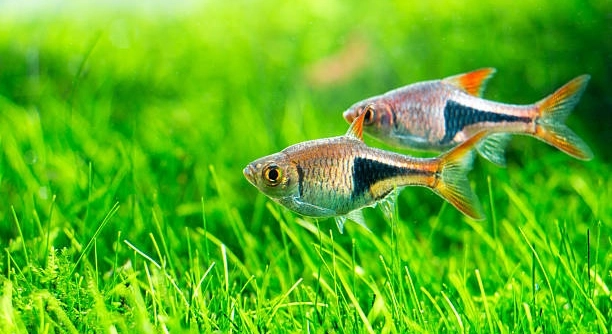
Are your rasboras no longer schooling together like they used to in your tank? You may have noticed changes in their usual group behavior. These small shifts can indicate that your fish are losing interest in social interaction.
Rasboras losing social interest often display behaviors such as isolation from the group, reduced swimming coordination, and lack of response to conspecifics. Observing these patterns provides insight into their social well-being and overall health in captivity.
Understanding these early signs can help you take steps to restore harmony in your aquarium. Proper attention to social behavior is essential for your rasboras’ long-term health.
Isolation from the School
When rasboras start spending more time alone rather than swimming with their group, it can indicate declining social interest. You might notice one or two fish lingering near the tank corners or hiding among plants while the rest of the school moves together. This behavior can stem from stress, illness, or environmental changes in the aquarium. Tank overcrowding or sudden shifts in water temperature often make fish feel insecure, prompting them to isolate. In some cases, dominant individuals may push weaker fish away, creating natural separation, but prolonged isolation is concerning. Watching these patterns over several days helps determine if this behavior is occasional or persistent. If ignored, it can lead to further health complications, as social interaction is crucial for rasboras’ mental and physical well-being. Correcting tank conditions, ensuring proper space, and observing the group dynamics closely can help reintegrate isolated fish and restore normal schooling behavior.
Persistent isolation is a clear signal that something in the tank needs attention, either environmental or health-related.
Addressing isolation requires careful observation of tank conditions, water parameters, and interactions among fish. Correcting issues such as overcrowding or inconsistent temperature can help reinstate normal behavior. Providing hiding spots and maintaining proper nutrition encourages comfort and reduces stress, which often restores social cohesion. Gradual adjustments and consistent monitoring are key, as abrupt changes can worsen separation. Understanding individual personalities within the school also helps, as some rasboras are naturally more reserved. By prioritizing their environment and observing subtle behavioral cues, you can effectively encourage reintegration and support the overall harmony of the tank. Over time, your rasboras are likely to resume schooling and regain interest in their social group, reflecting improved health and comfort.
Reduced Response to Conspecifics
A lack of reaction to other fish is a noticeable sign of decreased social interest. Rasboras may ignore tail nudges or fail to follow group movements, appearing detached from the school.
Reduced responsiveness can be caused by stress, illness, or unsuitable tank conditions. If water quality declines, fish may conserve energy and disengage from social activity. Changes in lighting or the sudden introduction of new species can also alter behavior. Consistent observation is necessary to identify triggers and prevent further detachment.
Maintaining stable water parameters and minimizing disturbances are critical steps. Regular monitoring of temperature, pH, and ammonia levels ensures a safe environment that supports social activity. Proper feeding schedules and balanced nutrition also help maintain energy levels, encouraging fish to interact naturally. If illness is suspected, isolating affected individuals and consulting a veterinarian can prevent the spread of disease and help restore normal behavior. Enriching the tank with plants and open swimming areas stimulates movement and group cohesion, making fish more likely to respond to one another. Over time, addressing these factors encourages rasboras to re-engage with their group and regain typical social behavior, improving overall well-being in the aquarium.
Loss of Synchronized Swimming
Rasboras that no longer swim in coordinated patterns may be losing interest in group activity. Their movements become disjointed, and the once fluid school behavior may break into small, uneven clusters, showing a clear decline in social cohesion.
This change often signals stress or discomfort. Inconsistent water parameters, sudden environmental changes, or insufficient space can disrupt the natural swimming rhythm of the school. When fish no longer feel secure, they stop following the group, which affects overall harmony. Observing these shifts over time helps determine whether this is a temporary adjustment or a persistent behavioral change.
Reintroducing stability in the tank environment often restores synchronized swimming. Maintaining steady temperature, clean water, and adequate swimming space encourages fish to move together again. Adding plants and open areas allows fish to coordinate naturally, while gentle observation ensures no individual dominates or isolates others. Over time, consistent conditions promote a return to the typical, harmonious movement of the school.
Decreased Feeding Interaction
Rasboras that avoid group feeding or appear uninterested in shared food may be losing social interest. They may linger at the bottom or edges while others actively eat.
This behavior can indicate stress, illness, or low energy levels. Fish that are unwell or uncomfortable with tank conditions often conserve energy, avoiding normal social feeding behavior. Monitoring their eating patterns can reveal subtle health or environmental issues.
Ensuring a balanced diet and maintaining consistent feeding routines can help restore engagement. Feeding at regular intervals and observing each fish’s response allows for early detection of problems. Addressing water quality, reducing stressors, and providing proper nutrition supports both health and social behavior. Over time, previously disengaged fish may resume active participation during feeding, signaling improved comfort and group cohesion.
Hiding More Often
Rasboras that spend excessive time in hiding may be signaling a loss of social interest. They often remain behind plants, decorations, or tank corners instead of participating with the school, indicating discomfort or stress.
Frequent hiding can result from poor water conditions, sudden changes, or conflicts within the group. Monitoring behavior helps identify if this is temporary or persistent.
Reduced Color Vibrancy
A noticeable dulling of colors in rasboras can indicate declining social engagement. Bright colors often reflect health and activity, while faded hues may signal stress, illness, or disengagement from the group.
Avoiding Tank Mates
Fish that deliberately keep distance from others show clear signs of social withdrawal. Avoidance can lead to long-term isolation and disrupt the school’s overall cohesion.
FAQ
What causes rasboras to lose social interest?
Rasboras can lose social interest due to stress, illness, poor water quality, or environmental changes. Sudden temperature shifts, overcrowding, or aggressive tank mates can also impact behavior. Identifying the underlying cause helps restore normal social patterns and keeps the school cohesive.
How can I tell if my rasboras are stressed?
Signs of stress include hiding more often, dulling of colors, reduced response to other fish, loss of synchronized swimming, and decreased feeding activity. Stress can also manifest in erratic swimming or staying at the surface or bottom of the tank.
Is water quality important for social behavior?
Yes, poor water quality is a common factor affecting social interaction. High ammonia, nitrite, or nitrate levels can stress fish and reduce activity. Regular testing and maintenance, including water changes and filter cleaning, support healthy behavior and engagement with the school.
Can illness cause rasboras to isolate?
Yes, illness often leads to isolation. Fish may avoid the group when feeling unwell to conserve energy or prevent the spread of infection. Observing changes in appetite, coloration, or movement can help detect health issues early. Quarantining sick fish and treating them promptly is important.
How does tank environment affect their social behavior?
A cramped or poorly arranged tank can disrupt schooling. Rasboras need enough swimming space and hiding spots to feel secure. Overcrowding or lack of enrichment can lead to isolation, stress, and reduced group cohesion. Proper decoration and adequate space encourage natural interaction.
Will changing tank mates affect rasboras’ social interest?
Introducing new species can temporarily disturb social patterns. Aggressive or much larger fish may intimidate rasboras, causing them to hide or isolate. Gradual introductions and observing group dynamics help maintain harmony and reduce social withdrawal.
Can diet impact social behavior?
Yes, nutrition affects energy levels and activity. Poor or inconsistent feeding can lead to lethargy, decreased participation in schooling, and avoidance of feeding groups. A balanced diet with appropriate portions supports both health and social engagement.
What steps can I take to restore social interest?
Restoring social behavior involves stabilizing the tank environment, maintaining water quality, and observing group dynamics. Providing hiding spots, reducing stressors, and ensuring proper nutrition help rasboras feel secure. Gradual adjustments and consistent care encourage reintegration with the school.
How long does it take for rasboras to regain interest in their group?
Recovery time varies depending on the cause of social withdrawal. Fish may respond quickly to improved conditions, while prolonged stress or illness can take several days to weeks to fully restore normal schooling and interaction. Patience and careful monitoring are essential.
Should I consult a professional if behavior doesn’t improve?
Yes, if isolation, loss of color, or other signs persist despite proper care, consulting a veterinarian or experienced aquarist is advisable. Professional guidance can identify underlying health issues and recommend targeted solutions to restore social behavior.
Can I prevent social withdrawal in rasboras?
Prevention focuses on stable tank conditions, compatible tank mates, proper nutrition, and regular observation. Minimizing sudden changes, maintaining clean water, and providing sufficient space help ensure rasboras remain active, healthy, and socially engaged within their school.
How do I monitor social behavior effectively?
Observe daily swimming patterns, feeding activity, color vibrancy, and interactions within the school. Keeping a simple log of behavior changes can help detect early signs of withdrawal or stress and allow timely intervention to maintain a healthy, cohesive group.
Are some rasboras naturally less social?
Yes, individual personalities exist. Some may be more reserved, but persistent withdrawal, isolation, or health decline is different from natural temperament and should be addressed to maintain overall school harmony.
Can environmental enrichment improve social behavior?
Yes, adding plants, open swimming areas, and decorations encourages natural movement and interaction. Enrichment reduces stress, promotes engagement, and supports the physical and mental health of the school.
What role does consistency play in maintaining social interest?
Consistency in feeding, water parameters, and routine tank care helps rasboras feel secure. Sudden changes can cause stress and social withdrawal, while stable conditions support normal schooling behavior and active participation in group life.
Rasboras are naturally social fish that thrive when they interact with their school. Observing changes in their behavior can help you understand when something is affecting their social interest. Isolation, hiding, loss of synchronized swimming, and reduced feeding interaction are clear signs that your fish may be stressed, unwell, or uncomfortable with their environment. These behaviors are not just minor quirks; they reflect the overall health and well-being of your tank. By paying attention to these signals, you can act before the issue escalates and ensure that your rasboras maintain a balanced and active social life. Consistent observation is key, as some changes in behavior may be subtle at first but can grow into more serious problems over time.
Maintaining stable water conditions is one of the most important steps in supporting your rasboras’ social behavior. Regular water testing, timely water changes, and proper filtration help prevent stress caused by poor water quality. Temperature, pH levels, and ammonia, nitrite, and nitrate concentrations all play a role in creating a comfortable environment. Beyond water quality, the physical setup of the tank also matters. Providing enough space for swimming, as well as hiding spots among plants and decorations, gives rasboras both security and freedom to interact naturally. Avoiding overcrowding and ensuring compatible tank mates further reduce stress and encourage engagement within the school. A calm, well-maintained environment allows rasboras to exhibit their natural behaviors and strengthens the cohesion of the group.
Nutrition and routine care also play a significant role in maintaining social interest. A consistent feeding schedule with a balanced diet keeps energy levels stable and encourages participation in group activities like schooling and feeding. Changes in behavior can sometimes result from insufficient nutrition, so providing a variety of foods that meet dietary needs is essential. Observing your fish daily allows you to notice early signs of stress or illness, which can then be addressed before they lead to prolonged social withdrawal. In some cases, individual personalities may influence behavior, but persistent signs of disinterest should not be ignored. By combining stable environmental conditions, proper nutrition, and careful observation, you can support the health, happiness, and social engagement of your rasboras. These steps create a thriving aquarium where your fish can interact naturally and remain active members of their school.

Hello,
If you enjoy the content that we create, please consider saying a "Thank You!" by leaving a tip.
Every little bit helps us continue crafting quality advice that supports the health, happiness, and well-being of pets around the world, for pets of all shapes, sizes, and species.
We really appreciate the kindness and support that you show us!