
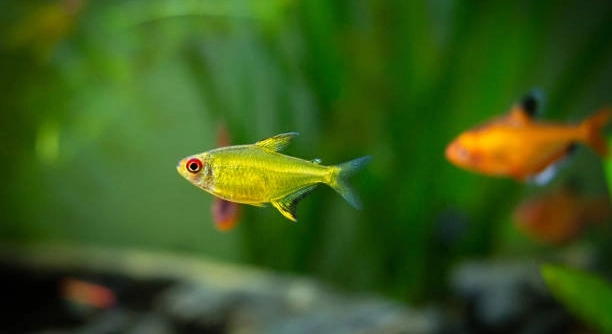
Lemon tetras are small, vibrant fish that brighten any freshwater aquarium. Observing them swim actively is rewarding, but sometimes they appear sluggish or less lively, raising concerns about their overall health and wellbeing in the tank environment.
Lethargy in lemon tetras is often caused by poor water quality, inadequate nutrition, sudden temperature changes, or underlying illnesses. Stress from overcrowding, incompatible tank mates, or lack of hiding spots can also significantly reduce their activity levels.
Recognizing these signs early is crucial for maintaining a healthy aquarium. By understanding the main causes of lethargy, you can take steps to improve your lemon tetras’ vitality.
Poor Water Quality
Water quality is one of the most important factors affecting lemon tetra health. Dirty water can quickly stress fish, leading to lethargy and other health problems. High levels of ammonia, nitrites, or nitrates can harm their delicate gills and reduce oxygen absorption, making swimming difficult. Sudden changes in pH or hardness can also shock their system, causing them to hide or remain motionless. Regular testing and partial water changes help maintain a stable environment. Using a good filter and avoiding overfeeding will reduce waste accumulation. Plants and decorations can help create hiding spots and reduce stress, but they do not replace consistent water care. Observing your tetras’ behavior daily can help you notice small changes in activity before serious issues develop. Clean, stable water is essential for keeping them lively and healthy. Even small improvements in water quality can make a noticeable difference in their energy and overall wellbeing.
Maintaining stable water conditions ensures lemon tetras swim actively and stay alert. Regular testing is key to their health.
A properly maintained aquarium with clean water promotes natural behavior and vibrant coloration. Tetras in stable environments are more active and social, often swimming in coordinated groups. Stress reduction through consistent care prevents lethargy and reduces the risk of disease. Water temperature should remain consistent, as sudden drops or spikes can make fish sluggish. Filtration systems help remove waste and harmful chemicals, but frequent monitoring is still necessary. Plants, gravel, and decorations add comfort, allowing tetras to explore and hide as needed. Overcrowding should be avoided to reduce stress and maintain oxygen levels. By creating a balanced environment, lemon tetras will display energetic swimming patterns and healthier interactions. Even small daily checks, such as observing swimming habits and checking water clarity, contribute to long-term wellbeing. The effort invested in water management directly impacts their activity and lifespan.
Improper Diet
Feeding lemon tetras the wrong diet can result in low energy and poor health.
A balanced diet with high-quality flake, frozen, or live foods supports their activity and growth.
Providing a varied diet ensures tetras receive essential nutrients for energy and immune function. Overfeeding can lead to water pollution and sluggish behavior. Small, frequent feedings encourage regular activity and prevent digestive problems. Including protein-rich foods like brine shrimp or daphnia supports muscle development, while plant-based components supply necessary fiber. Observing how quickly they eat can help determine portion sizes. Rotating food types prevents nutritional deficiencies and keeps fish engaged. Avoiding sudden changes in diet reduces stress and helps maintain consistent energy levels. Homemade or commercial foods should be chosen carefully to avoid additives that could harm sensitive tetras. A well-fed lemon tetra will swim actively, interact with tank mates, and display brighter coloration, reflecting overall health. Proper nutrition works hand in hand with water quality to prevent lethargy.
Sudden Temperature Changes
Lemon tetras are sensitive to rapid shifts in water temperature, which can cause lethargy and stress. Even a few degrees difference can make them hide or swim sluggishly. Maintaining a stable, moderate temperature is essential for their activity and overall health.
Rapid temperature swings affect metabolism, causing tetras to reduce movement. Sudden cold can slow digestion, while heat can increase oxygen demand beyond what the water provides. Both situations stress the fish and weaken their immune system, making them more prone to illness. Using a reliable heater and thermometer helps maintain consistency. Avoid placing the tank near drafts, heaters, or direct sunlight, which can cause fluctuations. Gradual changes are necessary when adjusting temperature for cleaning or new fish introduction, keeping tetras active and reducing shock.
Keeping temperature stable ensures normal behavior and energy levels. Consistent warmth allows tetras to swim, feed, and interact naturally. Monitoring daily is recommended.
Stress from Tank Environment
Overcrowding and aggressive tank mates can make lemon tetras stressed, causing them to appear inactive or hide. Proper space and peaceful companions are crucial for reducing anxiety.
Stress affects behavior, making fish swim less and sometimes lose color. Inadequate hiding spots or sudden loud noises can worsen the condition. Providing plants, caves, and gentle water flow helps tetras feel secure. Observing interactions ensures no fish are bullied or isolated, which can lead to chronic lethargy. Maintaining a calm, well-arranged tank encourages activity and healthy social behavior.
A well-planned environment prevents stress-related issues. Balanced stocking levels and compatible species allow tetras to swim freely and maintain normal activity. Regularly rearranging decorations or adding plants can keep the environment stimulating without overwhelming the fish. Proper care reduces chronic stress, allowing lemon tetras to remain vibrant and energetic.
Illness and Disease
Lemon tetras can become lethargic when affected by illness or parasites. Common issues include bacterial infections, fin rot, or protozoan parasites. Prompt recognition and treatment are key to preventing further health decline.
Sick fish may show additional signs like clamped fins, loss of appetite, or unusual swimming patterns. Quarantining affected individuals can prevent the spread of disease and give them a better chance to recover.
Poor Oxygen Levels
Low oxygen in the aquarium can cause tetras to float near the surface or remain inactive. Adequate aeration and regular water movement are necessary to maintain proper oxygen levels for their energy and survival.
Old or Weak Fish
Aging lemon tetras naturally become less active. Weak or elderly fish may rest more often, swim slower, and require gentler care. Providing stable conditions and minimal stress helps them maintain comfort in their later stages of life.
FAQ
Why is my lemon tetra so lazy?
Lemon tetras may appear lazy due to stress, poor water quality, illness, or improper diet. Changes in water temperature or sudden tank disturbances can also make them less active. Observing their environment and checking water parameters helps identify the cause quickly.
How can I tell if my tetra is sick?
Signs of illness include clamped fins, faded colors, loss of appetite, unusual swimming patterns, or staying at the bottom of the tank. Lethargy combined with these symptoms often indicates a health problem that needs prompt attention.
What water conditions are best for lemon tetras?
They thrive in clean, well-filtered water with temperatures between 72°F and 78°F (22°C–26°C). A pH of 6.5–7.5 and low to moderate hardness are ideal. Regular water changes and monitoring for ammonia, nitrites, and nitrates help maintain a healthy environment.
Can diet affect their energy levels?
Yes, a balanced diet is crucial. Lemon tetras need a mix of high-quality flake, frozen, or live foods. Including protein-rich items like brine shrimp or daphnia supports energy, while plant-based components provide fiber and overall nutrition. Overfeeding can reduce water quality and stress the fish.
How much should I feed them?
Small, frequent feedings are better than one large meal. Feed amounts they can consume in 2–3 minutes, 1–2 times a day. Uneaten food should be removed to prevent water contamination, which can reduce oxygen and cause lethargy.
Do tank mates affect their activity?
Yes, aggressive or incompatible tank mates can stress lemon tetras, making them hide or swim less. Peaceful companions in a properly sized tank allow natural schooling behavior, which keeps them active and reduces stress. Plants and decorations also provide safe hiding spots.
How do temperature changes affect lemon tetras?
Sudden drops or spikes in water temperature can shock their system, slow metabolism, and lead to inactivity. Keeping a consistent temperature using a reliable heater and thermometer helps maintain normal energy levels and reduces stress.
Is overcrowding a problem?
Overcrowding increases stress, reduces oxygen availability, and can cause bullying, all of which lead to lethargy. Proper stocking levels and space allow tetras to swim freely and display natural social behavior. A general guideline is about one inch of fish per gallon of water.
Can I revive a lethargic tetra quickly?
Quick fixes depend on the cause. Improving water quality, adjusting temperature, and providing a balanced diet often help. Sick fish may need medication or quarantine. Observation is key; sudden changes should be gradual to avoid further stress.
How do I prevent lethargy in the future?
Maintaining clean water, a stable temperature, a balanced diet, and a stress-free environment keeps lemon tetras active. Regular monitoring of behavior, water parameters, and tank conditions helps catch early issues before they affect energy levels. Proper care supports long-term health and vitality.
Are all lethargic fish sick?
Not always. Older or naturally weaker tetras may show reduced activity. Temporary rest after feeding or during low-light periods is normal. Consistent inactivity combined with other symptoms usually indicates a problem that requires attention.
What is the role of oxygen in their activity?
Adequate oxygen prevents lethargy. Poor aeration or high stocking levels can cause fish to stay near the surface gasping. Using air stones, proper filtration, and gentle water flow ensures oxygen reaches all areas of the tank, keeping tetras energetic.
Can stress from decorations or tank layout affect them?
Yes. Open areas without hiding spots or sudden rearrangements can make lemon tetras anxious. Providing plants, caves, and a consistent layout allows exploration and reduces stress-related inactivity. Gradual changes are less likely to trigger lethargy.
How do I treat fin rot or infections that cause lethargy?
Prompt treatment with aquarium-safe antibiotics or antifungal medications, along with improving water quality, usually resolves infections. Isolating affected fish in a quarantine tank helps prevent spread and speeds recovery, allowing tetras to regain normal activity.
Are there signs of permanent lethargy?
If fish remain inactive despite proper care, they may be severely stressed, chronically ill, or reaching the end of their lifespan. Consistent monitoring and preventive care help avoid this, but aging or weak fish naturally reduce activity levels over time.
Can adding live plants help reduce lethargy?
Yes. Live plants improve water quality by absorbing nitrates and provide hiding spots, which reduces stress. Feeling secure encourages lemon tetras to swim actively and display natural schooling behavior, improving overall energy and wellbeing.
How often should I check on my tetras?
Daily observation is recommended. Watching behavior, swimming patterns, and feeding habits helps catch early signs of stress or illness. Regular water testing ensures parameters remain safe, preventing issues that could cause lethargy.
Is water hardness important for activity?
Yes. Extreme softness or hardness can stress lemon tetras, leading to sluggishness. Maintaining moderate hardness with appropriate minerals supports normal metabolism, immune function, and energy levels.
Do tank lights affect their activity?
Proper lighting supports natural circadian rhythms. Too bright or inconsistent lighting can stress tetras, while gradual day-night cycles encourage normal swimming patterns and activity. Plants also benefit from balanced lighting, indirectly supporting fish health.
Can supplements help boost energy?
Occasional vitamin or mineral supplements may support overall health, but they are not a substitute for proper diet and water care. Overuse can harm water quality, so they should be used carefully and as recommended for aquarium fish.
What is the best way to introduce new fish?
Quarantine new fish before adding them to prevent disease. Introduce them slowly to reduce stress for both new and existing tetras. Gradual acclimation to water parameters helps avoid temperature or pH shock, keeping all fish active and healthy.
How long does it take for lethargic tetras to recover?
Recovery time depends on the cause. Improving water quality or diet may show results in a few days, while illness treatment can take one to two weeks. Continuous observation ensures adjustments are effective and fish return to normal activity.
Can overcrowding be corrected after fish show lethargy?
Yes, reducing the number of fish or increasing tank size can help. Overcrowding relief improves oxygen levels, reduces stress, and allows tetras to regain normal swimming behavior, often within a few days if no disease is present.
Do lemon tetras need companions to stay active?
They are schooling fish, so being in groups of at least six promotes normal behavior. Solitary tetras may hide, move less, or become stressed, leading to lethargy. Group living encourages interaction, energy, and overall wellbeing.
Can seasonal changes affect their activity?
Yes, temperature fluctuations or changes in daylight patterns can influence metabolism. Stable water conditions and consistent lighting help maintain energy levels, even if external seasons vary. Sudden shifts should be avoided to prevent stress-induced lethargy.
Is it normal for tetras to rest at the bottom occasionally?
Short periods of rest are normal, especially during low light or after feeding. Persistent bottom-dwelling or hiding, however, indicates stress, illness, or poor water conditions. Monitoring duration and behavior helps distinguish normal rest from problematic lethargy.
Can changing tank location affect their energy?
Moving the tank can cause stress through vibrations, light changes, or new surroundings. Tetras may hide or swim less until they adjust. Keeping the tank stable in a quiet area helps maintain normal activity levels.
How do I balance diet and water quality simultaneously?
Feed small amounts that can be consumed quickly, remove uneaten food, and ensure regular water changes. Proper nutrition supports energy without compromising water quality, reducing the risk of lethargy caused by poor environmental conditions.
Are there specific signs of stress I should look for?
Signs include hiding, clamped fins, erratic swimming, or color fading. Stress often precedes lethargy. Observing behavior daily allows early intervention through water adjustments, compatible tank mates, or better hiding spots.
Can medications affect their activity?
Yes, some treatments may temporarily reduce activity as fish recover. Follow instructions carefully and maintain clean water. After treatment, normal swimming and energy usually return, especially if stress factors are minimized.
Is it safe to keep tetras in a planted tank?
Yes. Planted tanks provide hiding spots, reduce stress, and improve water quality. Healthy plants promote oxygenation and nutrient balance, which supports activity and reduces lethargy in lemon tetras.
Can light stress contribute to lethargy?
Intense or irregular lighting can make tetras hide or remain still. Consistent, moderate light with natural day-night cycles supports normal activity and reduces stress.
Does tank size impact their energy?
Yes, small or overcrowded tanks limit swimming space and oxygen availability, causing lethargy. Providing enough room for schooling and swimming promotes active behavior and healthier fish.
What are long-term strategies to prevent lethargy?
Maintain water quality, stable temperature, balanced diet, proper tank mates, and adequate hiding spots. Regular monitoring and timely interventions prevent issues from developing, keeping lemon tetras energetic and healthy over time.
How often should I clean the tank?
Partial water changes of 20–25% weekly, along with filter maintenance, prevent waste buildup. Clean tanks reduce stress, improve oxygen levels, and help maintain normal activity, preventing lethargy.
Can old decorations or substrate affect fish activity?
Yes, decaying decorations or dirty substrate can release harmful substances and stress fish. Regular cleaning and replacement maintain water quality and a safe environment for active swimming.
Do I need to separate sick fish immediately?
Yes. Quarantine prevents disease spread, allows targeted treatment, and reduces stress on healthy tetras. Prompt separation often speeds recovery and restores normal activity levels.
Are there natural remedies to boost energy?
Occasional use of live foods, improved tank plants, and consistent care can naturally support vitality. Avoid overuse of supplements or additives that may harm water quality or cause stress.
How do I know if lethargy is permanent?
If fish remain inactive despite ideal conditions, illness treatment, and reduced stress, lethargy may be long-term due to age or chronic health problems. Observation and supportive care improve comfort, even if energy levels do not fully recover.
Can adjusting feeding schedules improve activity?
Yes. Feeding smaller amounts more frequently encourages regular swimming and exploration. It prevents overfeeding, maintains water quality, and supports normal energy levels.
Do different lemon tetra strains have varying activity levels?
Slight differences exist, but environment, diet, and health are the main factors. Most tetras display similar swimming and schooling behavior when properly cared for.
How can I prevent stress from new tank additions?
Quarantine new fish, acclimate slowly, and introduce them to compatible tank mates. Gradual changes minimize stress, maintaining active and healthy tetras.
Are there specific plants that help reduce lethargy?
Yes. Floating plants and dense foliage provide hiding spots, reduce stress, and improve oxygenation, all supporting active and healthy behavior.
How do I recognize early signs of lethargy?
Watch for reduced swimming, hiding, faded colors, or decreased appetite. Early detection allows fast intervention through water care, diet, or stress reduction, preventing serious health issues.
Can tank noise affect their activity?
Yes. Loud vibrations, music, or tapping can stress tetras, causing them to hide or remain still. A quiet, stable location helps maintain normal swimming behavior.
Does water flow impact energy levels?
Moderate water flow keeps oxygen distributed and encourages swimming. Too strong currents may tire fish, while stagnant areas reduce oxygen, both causing lethargy. Proper filtration and aeration balance flow and energy.
Can lemon tetras recover fully from stress-related lethargy?
Yes, if underlying causes are addressed, including water quality, diet, and environment. Recovery may take days to weeks, but normal activity typically returns with consistent care.
How do I monitor recovery progress?
Observe swimming patterns, feeding behavior, and color intensity daily. Gradual improvement indicates recovery, while continued lethargy signals further investigation is needed.
Are some fish more prone to lethargy than others?
Individual health, age, and genetics influence activity levels. Younger, healthy fish are generally more active, while older or weaker fish may show reduced energy naturally.
Is temperature consistency more important than exact degrees?
Yes. Sudden fluctuations are more harmful than minor differences. Stable temperatures maintain metabolism and reduce stress, preventing lethargy in lemon tetras.
Can water additives help prevent lethargy?
Some additives stabilize pH or add minerals, supporting metabolism and energy. They should complement proper diet and water care, not replace them.
How long should I quarantine new fish?
Two to four weeks is recommended. Observation during this period helps detect disease, reducing stress and lethargy risk in existing tetras.
Can over-filtering harm tetras?
Excessive water flow may stress them, causing hiding or reduced activity. Choosing moderate filtration and adding plants or decorations to break currents helps maintain normal swimming behavior.
Are juvenile tetras more active than adults?
Yes, younger tetras swim more frequently and explore widely. Adults or older fish may naturally rest more but should remain responsive and feed regularly.
How important is routine in preventing lethargy?
Consistency in feeding, lighting, and tank maintenance reduces stress and encourages normal activity. Predictable routines help tetras feel secure and energetic.
Can illness flare-ups occur after recovery?
Yes, weakened fish may relapse if stress, poor water quality, or incompatible tank mates return. Continued monitoring and care prevent repeated lethargy.
Do lemon tetras need supplements regularly?
Not usually. A varied diet and clean water provide necessary nutrients. Occasional supplementation may support health but should not replace proper care.
How do I know if water changes are sufficient?
If water tests show low ammonia, nitrite, and nitrate, and fish remain active, your routine is adequate. Inactivity may indicate the need for more frequent changes.
Can seasonal lighting adjustments affect behavior?
Yes. Gradual changes mimic natural day-night cycles, supporting circadian rhythm and normal activity. Abrupt changes can cause stress and lethargy.
What is the best way to handle lethargic fish?
Minimize stress, maintain clean water, check temperature, provide balanced food, and monitor health. Patience and careful observation often restore normal activity.
How do I prevent long-term lethargy in mixed-species tanks?
Choose compatible species, maintain adequate space, provide hiding spots, and keep water stable. Balanced care reduces stress and supports active behavior in all tank inhabitants.
Can water hardness fluctuations cause temporary lethargy?
Yes. Sudden changes in hardness can stress tetras. Maintaining moderate, stable hardness supports metabolism and swimming activity.
Is fasting ever beneficial?
Occasional one-day fasting can help clear the digestive system. Overuse may reduce energy, so it should be limited and planned carefully.
How do I reduce stress from handling or maintenance?
Perform tasks gently, avoid sudden movements, and limit time near the tank. Using nets carefully and keeping water stable reduces fear-induced lethargy.
Can poor-quality food contribute to disease-related lethargy?
Yes. Low-quality or contaminated food can introduce pathogens or cause malnutrition, leading to illness and reduced activity. High-quality, balanced feed is essential for healthy tetras.
Do lemon tetras respond to tank cleaning?
They may hide during cleaning, but regular maintenance supports long-term activity. Minimizing disturbances and performing gradual changes reduces stress.
How important is social interaction for their activity?
Schooling behavior promotes natural swimming and energy. Isolation or small groups may lead to hiding, reduced movement, or stress-related lethargy.
Can temperature and oxygen interact to cause lethargy?
Yes. Warm water holds less oxygen, and cold water slows metabolism. Both extremes can make tetras sluggish. Maintaining moderate temperature with good aeration prevents lethargy.
Are certain breeds more sensitive to environmental changes?
Some strains may tolerate minor fluctuations better, but all lemon tetras require stable, clean water and proper care for consistent activity.
How do I prevent fin nipping that leads to stress?
Avoid aggressive tank mates, provide hiding spots, and maintain proper stocking density. Reduced bullying helps maintain energy and normal behavior.
Can short-term lethargy be normal?
Yes. Brief periods of inactivity, especially during nighttime or after feeding, are normal. Persistent lethargy with other symptoms indicates a problem.
What role does pH stability play in activity?
Stable pH prevents stress and supports normal metabolism. Sudden shifts can cause hiding, slow swimming, and lethargy. Maintaining recommended levels ensures energy and health.
Are filter-cleaning routines important?
Yes. Proper filter maintenance keeps water clean and oxygenated. Dirty or over-cleaned filters can temporarily stress fish, affecting activity.
Can excessive feeding reduce activity?
Yes. Overfeeding leads to water pollution, reduced oxygen, and digestive stress, all of which can cause lethargy. Feeding appropriate amounts maintains energy and tank health.
Is monitoring behavior more important than water tests?
Both are important. Water tests ensure safe conditions, while behavior observation shows how fish respond to their environment. Together they prevent lethargy.
Can tank rearrangements cause temporary inactivity?
Yes. Sudden changes can stress fish, making them hide or swim less. Gradual adjustments allow them to adapt without affecting energy.
How do I encourage shy tetras to be more active?
Provide hiding spots, maintain calm surroundings, and keep compatible companions. Gradual exposure to light and activity encourages swimming and social behavior.
Does tank depth affect their swimming patterns?
Moderate depth allows natural vertical movement. Very shallow or excessively deep tanks may stress fish, limiting swimming and reducing activity.
Are lemon tetras sensitive to vibrations?
Yes. External vibrations from appliances or tapping can stress them. A stable tank location reduces hiding and encourages normal swimming.
How do I know if diet supplements are needed?
If fish show dull colors, low energy, or slow growth, supplementation may help. Otherwise, a balanced diet and clean water are sufficient for vitality.
Can lack of variety in food lead to lethargy?
Yes. Limited diet may cause nutrient deficiencies, reducing energy. Rotating flake, frozen, and live foods ensures proper nutrition and maintains activity.
Do lemon tetras respond to seasonal temperature drops?
Yes. Sudden cold slows metabolism, causing lethargy. Gradual acclimation helps maintain normal activity during cooler periods.
Can algae affect their activity?
Excessive algae can reduce water quality, oxygen, and space. Controlling algae supports swimming, feeding, and overall health
Lemon tetras are small, vibrant fish that bring life to any freshwater aquarium. Their bright color and active schooling behavior make them enjoyable to watch, but their health depends heavily on stable conditions. Lethargy is a common concern among these fish, and it often signals that something in their environment or care routine needs attention. Poor water quality, sudden temperature changes, stress from tank mates, improper diet, and illness are all common reasons lemon tetras may become less active. Observing these signs early allows for timely intervention and can prevent more serious health issues. Maintaining a clean, stable, and safe environment is the foundation of keeping lemon tetras lively and healthy.
Proper care starts with consistent monitoring of the tank. Water should be tested regularly for ammonia, nitrites, nitrates, pH, and hardness. Any sudden changes can stress fish and make them less active. Temperature stability is equally important, as lemon tetras are sensitive to rapid fluctuations. Feeding them a balanced diet that includes high-quality flake, frozen, or live foods ensures they receive the nutrients necessary for energy and immune function. Small, frequent meals help prevent overfeeding, which can pollute the water and reduce oxygen levels. Tank layout and companions also play a role in their activity. Overcrowding, aggressive tank mates, or a lack of hiding spots can cause stress and encourage lethargy. Including plants, decorations, and gentle water flow provides security and encourages natural swimming patterns.
Lemon tetras may also become less active naturally as they age or if they are recovering from illness. Understanding their behavior and recognizing signs of stress or sickness is key to maintaining their well-being. Sick fish may require isolation, medication, or changes to water and diet to regain normal activity. Even minor improvements, like adding plants or adjusting feeding schedules, can make a noticeable difference in their energy levels. The goal is to create an environment where lemon tetras can swim freely, interact with tank mates, and thrive. By focusing on stable water conditions, a nutritious diet, appropriate companions, and careful observation, it is possible to reduce the risk of lethargy and keep these delicate fish healthy and energetic over the long term. Consistent, attentive care is the most reliable way to ensure lemon tetras remain active and continue to enhance the beauty of your aquarium.

Hello,
If you enjoy the content that we create, please consider saying a "Thank You!" by leaving a tip.
Every little bit helps us continue crafting quality advice that supports the health, happiness, and well-being of pets around the world, for pets of all shapes, sizes, and species.
We really appreciate the kindness and support that you show us!