
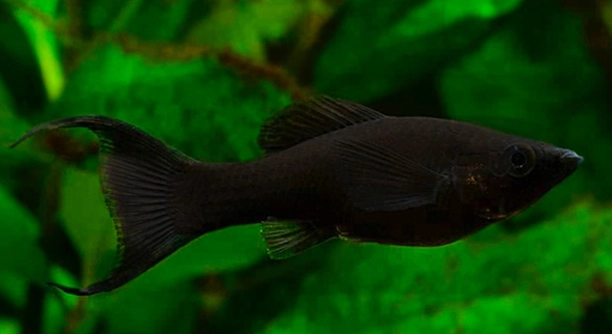
Black Mollies are popular freshwater fish known for their striking appearance and active behavior. They are social creatures but sometimes display nipping behavior, which can be surprising or frustrating for aquarium owners. Observing these actions helps prevent issues.
Nipping in Black Mollies is primarily caused by stress, overcrowding, or a lack of proper nutrition. Inadequate tank size, aggressive tank mates, or insufficient food can trigger fin-biting behavior as a response to environmental or social pressures.
Understanding why nipping occurs can improve tank harmony and fish health, making your aquarium a calmer and more enjoyable environment for everyone.
Common Reasons Black Mollies Nip at Fins
Black Mollies may nip at fins due to environmental stress or social dynamics within the tank. Overcrowding is a frequent trigger because it limits space for swimming and escaping. Aggressive tank mates, especially other fin-nipping species, can increase tension. Inadequate hiding spots or vegetation can also contribute, as fish feel exposed and insecure. Poor water quality affects behavior as well. Elevated ammonia or nitrate levels, fluctuating temperatures, or improper pH can lead to irritation and fin-biting. Nutrition plays a role, too. A diet lacking in variety or essential nutrients can make fish more aggressive or restless. Even minor changes, like rearranging decorations or introducing new fish, can temporarily increase nipping. Observing tank conditions and maintaining proper care routines often reduces these behaviors. Patience and consistency are key to managing aggression in a Black Molly tank and ensuring a peaceful environment.
Addressing these factors early prevents injury and promotes healthier interactions among tank mates.
Providing a balanced diet, proper space, and hiding areas significantly reduces fin-nipping behavior in most cases.
Strategies to Reduce Fin-Nipping
Reducing nipping starts with adjusting the environment and tank conditions to lower stress.
Regular water testing is essential to maintain stable conditions. Clean tanks prevent irritation that can lead to aggression. Providing enough space and separating aggressive individuals helps calm tense groups. Introducing plants and decorations gives fish areas to hide and feel secure. Feeding a varied diet, including protein-rich and vegetable-based foods, supports overall health and reduces irritability. Avoid sudden changes in lighting, temperature, or decorations, as these can increase anxiety. Observe behavior closely after adding new fish to prevent escalation. Sometimes rearranging the tank in stages allows fish to adjust without stress. Monitoring interactions ensures that persistent nippers are identified and managed before injury occurs. Consistency in care, combined with environmental adjustments, usually minimizes fin-nipping and maintains a peaceful tank. With careful attention, your Black Mollies can thrive and display natural, calm behavior without harming each other.
Tank Setup and Space Requirements
Black Mollies need enough swimming space to prevent stress and aggression. A small or overcrowded tank can trigger fin-nipping. Providing at least 20 gallons for a small group helps maintain calm behavior. Proper filtration ensures clean water and stable conditions.
A well-planned tank setup reduces stress and improves overall health. Mollies prefer open swimming areas combined with plants and decorations for hiding. Overcrowding increases tension, so avoid keeping too many fish together. Filtration and regular water changes maintain water quality, which directly impacts behavior. Adequate lighting and a stable temperature also contribute to a balanced environment. Monitoring interactions and ensuring each fish has enough space can prevent persistent nipping and injuries. Proper layout supports both activity and security for your Mollies.
Adding plants and decorations strategically helps reduce aggression by giving Mollies visual barriers. Varied textures and heights create hiding spots, preventing dominance struggles. The combination of open swimming zones and secure areas keeps fish relaxed. Avoid sharp objects that could damage fins, and ensure decorations do not block filter flow. Rotating or rearranging elements gradually allows fish to adjust without triggering stress. A thoughtful tank design promotes healthier interactions and reduces the risk of fin damage.
Diet and Nutrition Considerations
A balanced diet prevents irritability and fin-nipping. Poor nutrition can make Mollies restless or aggressive.
Feeding a mix of high-quality flakes, pellets, and occasional live or frozen foods ensures proper growth and vitality. Vegetables like spinach or zucchini provide essential fiber, supporting digestion and overall well-being. Avoid overfeeding, as excess food can pollute water and stress fish. Dividing daily rations into smaller portions encourages natural foraging and reduces competition. Supplementing with vitamins or minerals may help, particularly for tank environments lacking diversity. Consistent, nutritious feeding routines help maintain calm and healthy fish.
Diet directly impacts behavior and aggression in Mollies. Nutritional deficiencies can lead to fin-nipping as fish compete for resources or become restless. A varied diet with plant matter, protein, and occasional treats meets their needs and supports immune function. Feeding smaller portions multiple times a day prevents overfeeding and maintains water quality. Observing which foods your Mollies prefer and adjusting accordingly ensures all fish receive adequate nutrition. Well-fed, healthy Mollies are less likely to display stress-related aggression, creating a more harmonious aquarium. Proper diet, combined with clean water and sufficient space, forms the foundation for a peaceful tank.
Recognizing Aggressive Behavior
Fin-nipping is often linked to stress, boredom, or territorial disputes. Early recognition allows intervention before injuries occur.
Signs of aggression include chasing, repeated nipping, and torn fins. Observing these behaviors helps identify which fish are affected or causing issues.
Introducing New Fish
Adding new fish can disrupt tank harmony. Gradual introductions reduce stress for all inhabitants.
Quarantining newcomers before adding them prevents disease spread and allows slow acclimation. Introducing fish in stages or using a divider helps established Mollies adjust. Careful observation during the first few weeks is essential to prevent escalation of aggression.
Water Quality and Maintenance
Clean water is crucial for healthy behavior. Poor conditions increase stress and nipping.
Tank Companions
Choosing compatible tank mates prevents conflict and fin damage. Mollies thrive with peaceful species that do not compete aggressively for space or food.
FAQ
Why does my Black Molly keep nipping at fins even though the tank seems fine?
Even if the tank looks healthy, subtle stressors can trigger nipping. Overcrowding, minor water fluctuations, or aggressive tank mates may cause irritation. Sometimes Mollies react to boredom or insufficient hiding spots. Observing the fish carefully often reveals patterns linked to stress or territorial behavior.
Can nipping cause serious injury to my Mollies?
Yes, repeated nipping can tear fins, which may lead to infection or slower healing. Injured fins also increase stress and vulnerability to other fish. Promptly addressing aggressive behavior and maintaining optimal tank conditions prevents injuries and supports overall health.
Does diet really affect fin-nipping behavior?
Nutrition has a direct effect on aggression. A diet lacking variety or essential nutrients can make Mollies restless or more likely to nip. Providing a mix of high-quality flakes, pellets, vegetables, and occasional protein sources keeps them healthy and reduces aggressive tendencies.
Will adding more plants stop fin-nipping?
Plants and decorations provide visual barriers and hiding spots, which can reduce aggression. They allow fish to escape and feel secure. However, plants alone may not solve nipping if stressors like overcrowding or poor water quality persist. Combining environmental enrichment with proper care is more effective.
How can I tell which Molly is doing the nipping?
Observing interactions closely is key. Nippers usually chase specific fish repeatedly, especially those with long fins. Isolating aggressive fish temporarily or using a divider helps identify the individual and prevents further injury to tank mates.
Is tank size really important for reducing aggression?
Yes, limited space increases stress and territorial disputes. Black Mollies need room to swim freely. A minimum of 20 gallons for a small group is recommended, with more space for larger numbers. Adequate tank size reduces stress and lowers the likelihood of fin-nipping.
Can introducing new fish cause existing Mollies to nip?
Yes, new fish can disrupt social balance and trigger fin-nipping. Gradual introductions, quarantine procedures, and using dividers help reduce stress and allow existing fish to adjust. Observing interactions during the first weeks ensures aggressive behavior is managed early.
Are there specific tank mates that worsen nipping behavior?
Aggressive or fast-moving species can increase stress and provoke nipping. Peaceful fish that occupy different levels of the tank and do not compete aggressively for food are better companions. Choosing compatible tank mates is essential for a calm, healthy environment.
Does water quality directly influence nipping?
Absolutely. Poor water quality causes stress, which can lead to aggression and fin-biting. Regular testing for ammonia, nitrite, nitrate, pH, and temperature ensures a stable environment. Clean water keeps fish healthy and reduces behavioral issues.
How long does it take to stop fin-nipping once changes are made?
Behavior improvement depends on the cause. Addressing diet, tank size, hiding spaces, and water quality may show results within days to weeks. Persistent nippers may require isolation or behavioral observation to ensure long-term harmony.
Can fin-nipping be completely prevented?
While fin-nipping may not be entirely avoidable, proactive care minimizes it. Proper tank setup, compatible tank mates, balanced diet, clean water, and attention to social dynamics significantly reduce aggressive incidents and protect your Mollies’ fins.
Should I separate fish if nipping continues?
Temporary separation is sometimes necessary to prevent injury. Using a divider or quarantine tank allows aggressive individuals to calm down while injured fish recover. After adjustment, gradual reintroduction can restore tank balance without causing additional stress.
Does the age or size of Mollies affect nipping behavior?
Larger or older fish may dominate smaller or younger tank mates, leading to fin-nipping. Juveniles may nip while establishing social hierarchy. Monitoring group dynamics and providing enough space and hiding spots reduces conflicts caused by size or age differences.
Can stress from lighting or decoration changes cause nipping?
Yes, sudden changes in lighting or rearranging decorations can temporarily increase stress. Gradual adjustments and observing fish reactions prevent escalation. Consistent tank conditions help maintain calm and reduce aggressive incidents over time.
Are there any signs that a nipping problem is worsening?
Signs include repeated chasing, torn fins, visible injuries, and heightened activity or hiding. Early detection allows for intervention through environmental adjustments, dietary improvements, or temporary isolation to prevent serious harm.
Is it normal for Mollies to nip occasionally?
Occasional nipping can be part of natural behavior, especially during social interactions or establishing hierarchy. However, consistent or severe fin-biting indicates underlying stressors that need to be addressed to maintain a safe and healthy tank environment.
How does overcrowding contribute to fin-nipping?
Overcrowding increases competition for space and resources. Fish have less room to swim freely, leading to frustration and stress. Stressed Mollies are more likely to nip at fins, so maintaining an appropriate number of fish per tank volume is essential for calm behavior.
Does temperature affect aggression in Mollies?
Temperature fluctuations or extremes can stress Mollies, increasing nipping behavior. Keeping water within the recommended range for Black Mollies (around 72-82°F) ensures comfort and reduces stress-induced aggression. Stable conditions support normal behavior and overall health.
Can stress from illness trigger nipping?
Yes, sick or weakened fish may behave unpredictably, including increased aggression. Conversely, healthy fish stressed by illness in tank mates may nip defensively. Maintaining overall health through proper care, quarantine, and observation minimizes behavior-related issues.
Are there any behavioral cues that indicate a nipper is about to act?
Signs include chasing specific fish, flaring fins, or sudden bursts of activity near others. Recognizing these behaviors allows early intervention, such as adding barriers or separating aggressive individuals to prevent injury and reduce stress in the tank.
Black Mollies are active and social fish that can sometimes show nipping behavior. This action is usually a response to stress, overcrowding, diet issues, or environmental changes. While nipping may seem minor at first, repeated incidents can harm fins and increase stress levels in the tank. Recognizing the causes early allows for proper adjustments. Maintaining adequate space, clean water, and a balanced diet helps reduce tension among Mollies and promotes a peaceful environment. Observing their behavior regularly is key to understanding their needs and preventing potential problems.
Proper tank setup is essential for minimizing aggression. Black Mollies thrive in tanks that provide open swimming areas combined with plants or decorations for hiding. These elements allow fish to establish territory, retreat when needed, and feel secure. Overcrowding or poorly arranged tanks can lead to constant chasing or fin-nipping. Maintaining stable water conditions, including temperature, pH, and filtration, also reduces stress that may trigger aggression. Regular water changes and monitoring ensure the tank remains healthy. Providing a diet that includes both plant matter and protein sources supports overall health, making the fish less likely to engage in fin-biting.
Even with the best care, occasional nipping may occur as part of natural social interactions. It is important to distinguish between normal behavior and persistent aggression that causes injury. If consistent nipping is observed, steps like separating aggressive individuals, adding visual barriers, or adjusting tank conditions can help restore balance. Understanding your Mollies’ behavior and needs fosters a calmer tank and healthier fish. By addressing environmental, dietary, and social factors, fin-nipping can be minimized, creating a safe and enjoyable aquarium for all inhabitants. Regular attention and small adjustments often lead to long-term improvements in both behavior and overall fish well-being.

Hello,
If you enjoy the content that we create, please consider saying a "Thank You!" by leaving a tip.
Every little bit helps us continue crafting quality advice that supports the health, happiness, and well-being of pets around the world, for pets of all shapes, sizes, and species.
We really appreciate the kindness and support that you show us!