
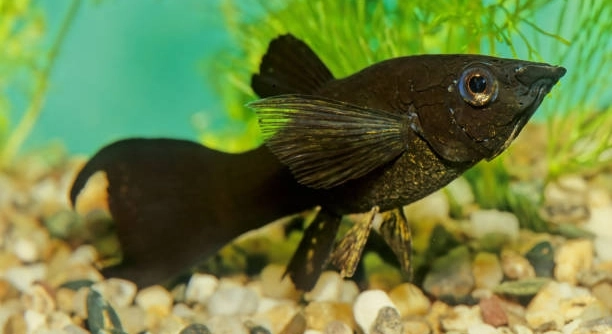
Keeping Black Molly fish can be a joyful hobby, but many aquarists underestimate the impact of too many fish in a tank. Overcrowding can quietly affect their behavior, health, and overall happiness in the aquarium environment.
Overcrowding Black Molly fish leads to increased stress, aggression, and disease transmission. High population density disrupts their natural swimming patterns, reduces water quality, and can compromise immune function, ultimately threatening the long-term survival and well-being of the fish.
Proper care and tank management are key to avoiding these issues, ensuring your Black Mollies thrive in a healthy, balanced environment.
Stress and Aggression
When Black Mollies are kept in a crowded tank, their natural behavior changes. These fish need space to swim freely and establish small territories. Overcrowding often causes frequent chasing, nipping, and hiding. Even subtle stress can reduce their appetite, making it harder for them to maintain proper nutrition. Stress weakens their immune system, leaving them more vulnerable to illnesses and parasites. Fish may also become lethargic or show unusual swimming patterns. Providing adequate space helps maintain social balance and reduces aggressive interactions. Proper tank size, plants, and hiding spots give each fish a sense of security. Observing your Black Mollies daily allows you to notice early signs of stress and intervene before serious health issues develop. Maintaining stable water conditions alongside sufficient space is essential for promoting calm behavior. The calmer the fish, the more likely they will live longer, healthier lives.
Managing tank density ensures that your Black Mollies remain calm, active, and less likely to injure one another through aggression or stress-related behavior.
Overcrowding also affects breeding behavior. Males may become too aggressive toward females, chasing them constantly and preventing proper mating. Stress can cause reduced egg production and lower hatch rates. Juvenile fish may also struggle to compete for food or hiding spaces, leading to stunted growth or injury. In extreme cases, constant stress can shorten lifespans and make the population harder to manage. Careful attention to tank size, the number of fish, and environmental enrichment can help prevent these issues. By spacing the fish appropriately and monitoring their interactions, you can create a balanced aquarium where each Black Molly has room to swim, feed, and reproduce naturally. Observing feeding habits, social interactions, and swimming patterns regularly will guide you in making adjustments before serious problems occur. Maintaining water quality through regular changes and filtration also reduces stress, allowing the fish to remain healthy and active.
Water Quality and Health
Overcrowding directly affects water quality. More fish produce more waste, raising ammonia, nitrite, and nitrate levels, which can harm Black Mollies’ health. Poor water quality leads to infections and diseases, making regular maintenance essential.
Maintaining proper filtration and frequent water changes help prevent dangerous chemical build-ups. Monitoring water parameters ensures your fish remain in a safe environment.
When too many Black Mollies share a tank, waste accumulates quickly, and uneaten food can decompose, further contaminating the water. Elevated toxins weaken immune systems, making the fish susceptible to fin rot, fungal infections, and internal parasites. Overcrowded tanks often have low oxygen levels, causing labored breathing and lethargy. Fish may compete aggressively for limited space, food, or clean hiding spots, which increases stress and vulnerability to disease. Proper filtration, regular water changes, and careful stocking levels are essential. Providing plants or other decorations helps maintain water quality by absorbing some waste products while offering hiding spaces. Testing water regularly for ammonia, nitrite, nitrate, and pH keeps conditions safe. By controlling density and monitoring health indicators, you reduce the risk of chronic stress, illness, and premature death, ensuring your Black Mollies thrive over the long term.
Stress and Aggression
When Black Mollies are kept in a crowded tank, their natural behavior changes. These fish need space to swim freely and establish small territories. Overcrowding often causes frequent chasing, nipping, and hiding. Even subtle stress can reduce their appetite, making it harder for them to maintain proper nutrition. Stress weakens their immune system, leaving them more vulnerable to illnesses and parasites. Fish may also become lethargic or show unusual swimming patterns. Providing adequate space helps maintain social balance and reduces aggressive interactions. Proper tank size, plants, and hiding spots give each fish a sense of security. Observing your Black Mollies daily allows you to notice early signs of stress and intervene before serious health issues develop. Maintaining stable water conditions alongside sufficient space is essential for promoting calm behavior. The calmer the fish, the more likely they will live longer, healthier lives.
Managing tank density ensures that your Black Mollies remain calm, active, and less likely to injure one another through aggression or stress-related behavior.
Overcrowding also affects breeding behavior. Males may become too aggressive toward females, chasing them constantly and preventing proper mating. Stress can cause reduced egg production and lower hatch rates. Juvenile fish may also struggle to compete for food or hiding spaces, leading to stunted growth or injury. In extreme cases, constant stress can shorten lifespans and make the population harder to manage. Careful attention to tank size, the number of fish, and environmental enrichment can help prevent these issues. By spacing the fish appropriately and monitoring their interactions, you can create a balanced aquarium where each Black Molly has room to swim, feed, and reproduce naturally. Observing feeding habits, social interactions, and swimming patterns regularly will guide you in making adjustments before serious problems occur. Maintaining water quality through regular changes and filtration also reduces stress, allowing the fish to remain healthy and active.
Water Quality and Health
Overcrowding directly affects water quality. More fish produce more waste, raising ammonia, nitrite, and nitrate levels, which can harm Black Mollies’ health. Poor water quality leads to infections and diseases, making regular maintenance essential.
Maintaining proper filtration and frequent water changes help prevent dangerous chemical build-ups. Monitoring water parameters ensures your fish remain in a safe environment.
When too many Black Mollies share a tank, waste accumulates quickly, and uneaten food can decompose, further contaminating the water. Elevated toxins weaken immune systems, making the fish susceptible to fin rot, fungal infections, and internal parasites. Overcrowded tanks often have low oxygen levels, causing labored breathing and lethargy. Fish may compete aggressively for limited space, food, or clean hiding spots, which increases stress and vulnerability to disease. Proper filtration, regular water changes, and careful stocking levels are essential. Providing plants or other decorations helps maintain water quality by absorbing some waste products while offering hiding spaces. Testing water regularly for ammonia, nitrite, nitrate, and pH keeps conditions safe. By controlling density and monitoring health indicators, you reduce the risk of chronic stress, illness, and premature death, ensuring your Black Mollies thrive over the long term.
Limited Swimming Space
Overcrowded tanks leave little room for Black Mollies to swim freely. Restricted movement can lead to weaker muscles and abnormal swimming patterns, reducing their overall vitality. Adequate space allows them to exercise naturally and maintain proper physical health, which is critical for long-term survival and growth.
Fish confined to small spaces often compete for swimming areas, increasing stress and aggression. Crowded conditions prevent natural exploration and reduce their ability to establish personal territories. Providing enough open water ensures each fish can move comfortably and stay active, promoting healthier behavior and a balanced social structure.
Oxygen Depletion
High fish density consumes oxygen quickly, leading to lower oxygen levels in the tank. Insufficient oxygen causes gasping at the water surface and slow, lethargic movements. Proper aeration and limiting fish numbers maintain a stable, breathable environment for all Black Mollies.
Growth and Development Issues
When Black Mollies are overcrowded, competition for food becomes intense, affecting their growth. Smaller or weaker fish may receive less nutrition, leading to stunted growth and developmental problems. Juveniles are particularly vulnerable, as they struggle to access adequate food and space to mature properly. Stress from crowding further slows metabolism, and chronic malnutrition can weaken immune responses, making them more susceptible to disease. Over time, overcrowding can result in uneven sizes and unhealthy populations, creating ongoing care challenges. Providing sufficient space and balanced feeding routines ensures that each fish grows normally and reaches its full potential, supporting a healthier, more harmonious tank overall.
Disease Spread
Overcrowding increases the risk of infections spreading quickly. Close contact makes it easy for parasites and bacteria to affect multiple fish.
FAQ
How many Black Mollies can I keep in one tank?
The number of Black Mollies depends on tank size and filtration. A common guideline is one inch of fish per gallon of water. Overcrowding can quickly create stress, disease, and poor water quality. Providing extra space ensures healthier behavior, better growth, and longer lifespans.
What size tank is ideal for Black Mollies?
For a small group of 4–6 fish, a 20-gallon tank is recommended. Larger tanks are better if you plan to keep more fish or breed them. More water volume reduces waste concentration and allows sufficient swimming space, which lowers stress and aggression.
How does overcrowding affect water parameters?
More fish produce more waste, increasing ammonia, nitrite, and nitrate levels. Poor water quality can cause fin rot, fungal infections, and other diseases. Frequent water changes, good filtration, and careful monitoring of chemical levels help maintain a safe and healthy environment.
Can overcrowding cause behavioral problems?
Yes, overcrowded Black Mollies often show aggression, chasing, and nipping. Fish may hide constantly or compete for food. Stress can also cause lethargy and irregular swimming. Proper tank management and providing hiding spaces reduce conflict and promote calmer interactions.
Does overcrowding affect breeding?
Overcrowding can prevent successful breeding. Males may harass females excessively, and juveniles may struggle to find food. Stress reduces egg production and lowers hatch rates. Spacing fish properly ensures healthier mating behavior and higher survival rates for fry.
What signs indicate my tank is overcrowded?
Look for constant chasing, nipping, hiding, slow growth, or weak fish. Water quality issues like cloudy water, foul smell, or algae overgrowth are also indicators. Monitoring behavior and water parameters can help detect overcrowding early.
How can I prevent disease in crowded tanks?
Maintaining clean water through regular changes, using proper filtration, and avoiding overfeeding are essential. Separating sick fish, monitoring water parameters, and providing adequate space prevent rapid disease spread. Healthy fish with less stress are more resistant to infections.
Are there alternatives if my tank is overcrowded?
Yes, reducing the number of fish, upgrading to a larger tank, or creating separate tanks for breeding can help. Adding plants and hiding spaces can also improve social dynamics and reduce stress while maintaining a balanced environment.
Does overcrowding affect growth rates?
Crowded fish often grow slower due to limited food access and higher stress. Juveniles are particularly affected. Uneven growth can occur, leaving some fish stunted or underdeveloped. Sufficient space and careful feeding help maintain consistent and healthy development.
How often should I check water quality in a populated tank?
Testing at least once a week is recommended, especially in crowded tanks. Check ammonia, nitrite, nitrate, and pH. High stocking levels require more frequent monitoring to prevent toxic buildup, keeping fish healthy and preventing long-term damage.
Can overcrowding shorten the lifespan of Black Mollies?
Yes, chronic stress, poor water quality, and disease in overcrowded tanks can reduce lifespan significantly. Ensuring enough space, proper filtration, and careful monitoring helps fish live longer and healthier lives.
What is the best way to introduce new fish to an existing tank?
Quarantine new fish for at least two weeks to prevent introducing diseases. Add them slowly to avoid sudden population spikes. Gradual acclimation reduces stress for both existing and new fish, maintaining a stable social environment.
How do I know if my filtration system is adequate?
A strong filtration system should handle the bio-load of your tank comfortably. It should remove waste efficiently without creating strong currents. Overcrowded tanks may require additional filters or larger units to maintain stable water conditions.
Can plants help in overcrowded tanks?
Yes, live plants absorb some waste products, provide hiding spaces, and reduce aggression. They improve water quality and make the tank feel more spacious. Careful selection of plant types ensures they do not overcrowd swimming areas further.
How do I balance fish numbers for a healthy tank?
Calculate based on tank volume, fish size, and filtration capacity. One inch of fish per gallon is a general guideline, but consider species behavior and growth potential. Regular observation and adjustments help maintain a healthy, stress-free environment for Black Mollies.
How often should I feed in a crowded tank?
Feed small portions 1–2 times daily to ensure all fish get enough food. Overfeeding can worsen water quality. Spread food evenly to reduce competition and aggression, ensuring juveniles and smaller fish receive proper nutrition.
What are long-term effects of overcrowding?
Chronic stress, reduced immunity, stunted growth, shortened lifespan, and behavioral problems are common. Over time, overcrowding creates ongoing maintenance challenges. Prioritizing space, water quality, and careful management prevents these issues and ensures a thriving tank.
How can I reduce aggression without reducing numbers?
Adding hiding spots, plants, and decorations creates territories. Maintaining stable water conditions and providing sufficient food also help. Strategic arrangement of the tank can reduce conflicts and make the fish feel more secure, even with a higher population.
Is it possible to recover fish health after overcrowding?
Yes, by reducing population density, improving water quality, and providing adequate nutrition, stressed or sick fish can recover. Early intervention is key, and consistent care allows Black Mollies to regain vitality and normal behavior over time.
What monitoring routine should I follow in crowded tanks?
Check water parameters weekly, observe behavior daily, and inspect for signs of stress or disease. Record feeding habits and growth rates. Regular monitoring allows early detection of problems, ensuring timely corrective measures to maintain a healthy environment.
How does temperature affect overcrowded Black Mollies?
Higher temperatures reduce oxygen levels, which worsens the effects of overcrowding. Maintain stable temperatures suitable for Black Mollies, usually 72–82°F. Proper temperature management supports metabolism, immunity, and overall tank stability in crowded conditions.
Can overcrowding affect coloration?
Yes, stressed or poorly nourished fish may lose vibrant colors. Adequate space, proper nutrition, and low-stress environments help maintain their natural coloration and overall appearance. Healthy, calm fish display brighter, more consistent colors throughout their lives.
Are Black Mollies compatible with other species in crowded tanks?
Compatibility depends on temperament, size, and space. Aggressive or fast-moving species can stress Black Mollies. Providing enough room and hiding spots reduces tension, ensuring peaceful cohabitation even in moderately populated tanks.
How often should I trim plants in crowded tanks?
Plants can grow quickly and reduce swimming space. Trim regularly to maintain open areas while still offering hiding spots. Balancing plant coverage helps reduce stress and aggression, allowing fish to move freely and maintain healthy behavior.
What role does tank layout play in overcrowding?
Strategic layout with decorations, plants, and open swimming areas can reduce conflict and stress. Dividing space visually helps fish establish territories, even in smaller tanks, supporting calmer interactions and better overall health.
Can overcrowding affect breeding success long-term?
Yes, constant stress, competition, and poor nutrition reduce reproductive success. Proper spacing, clean water, and careful population control are essential for maintaining healthy breeding populations over time.
How do I handle sudden overpopulation?
Consider rehoming, separating juveniles, or upgrading tank size. Gradual adjustments reduce stress and maintain water quality. Monitoring population and planning ahead prevents overcrowding before serious problems arise.
Does overcrowding impact the aquarium’s ecosystem?
Yes, high fish density affects plants, beneficial bacteria, and water balance. Overcrowding can create unstable conditions, harming both fish and the overall ecosystem. Careful management and population control maintain a healthy, balanced tank environment.
What is the safest way to increase population gradually?
Add a few fish at a time while monitoring water quality, behavior, and growth. Ensure adequate filtration, space, and hiding spots. Gradual introduction prevents stress and maintains a stable, healthy community for all Black Mollies.
How long can Black Mollies survive in an overcrowded tank?
Survival depends on severity of overcrowding, water quality, and stress levels. While some may survive weeks or months, chronic overcrowding shortens lifespan and increases disease risk. Timely adjustments are essential to preserve health and vitality.
Are there warning signs before severe health problems occur?
Yes, watch for fin damage, color fading, lethargy, irregular swimming, and reduced appetite. Early recognition allows intervention through population control, water maintenance, and feeding adjustments, preventing serious long-term consequences for Black Mollies.
How does diet interact with overcrowding effects?
Proper feeding helps counter some stress effects, but overfeeding worsens water quality. Balanced portions and distribution ensure each fish receives nutrition, supporting growth, immunity, and resilience in moderately crowded conditions.
Can stress from overcrowding be reversed?
Yes, by improving space, water quality, and environmental enrichment. Stress recovery takes time, but consistent care restores normal behavior, appetite, and social interactions, improving overall health and lifespan.
How important is observation in managing crowded tanks?
Daily observation is critical. Noticing subtle changes in behavior, swimming patterns, or appetite helps detect stress and overcrowding early. Prompt action prevents disease, aggression, and long-term health issues, keeping the tank balanced and fish thriving.
Can overcrowding affect filtration efficiency?
Yes, excessive fish waste can overwhelm filters, reducing water quality. Regular maintenance, adding additional filtration, and monitoring water parameters help maintain efficiency and a safe environment for all Black Mollies.
What is the best way to space fish in a community tank?
Consider species size, temperament, and swimming habits. Provide open areas, hiding spots, and visual breaks to reduce conflict. Proper spacing ensures a harmonious, low-stress environment, even with multiple species in the same tank.
How does overcrowding influence molly behavior during feeding?
Crowded tanks lead to competition and aggression during feeding. Some fish may get less food, resulting in stunted growth. Distributing food in multiple locations and feeding small portions helps ensure all fish are adequately nourished.
Is overcrowding a common mistake among Black Molly keepers?
Yes, it is a frequent issue, especially in small tanks or when acquiring multiple fish at once. Understanding tank capacity, behavior, and filtration needs prevents overcrowding and promotes healthier, longer-living Black Mollies.
What immediate steps should I take if overcrowding is detected?
Reduce population, upgrade tank size, or add partitions. Increase water changes and monitor parameters closely. Observing fish behavior helps adjust the environment quickly, minimizing stress, disease risk, and long-term harm.
Can adding decorations help manage crowding effects?
Yes, decorations create territories, reduce aggression, and provide hiding spots. Strategic placement allows fish to feel secure while maintaining open swimming areas. This improves social behavior and reduces stress without physically reducing numbers.
How long does it take for a tank to stabilize after reducing overcrowding?
Stabilization may take several days to weeks. Water quality improves gradually, and stressed fish regain normal behavior. Consistent care, monitoring, and proper feeding accelerate recovery, resulting in a healthier, calmer community.
Does overcrowding affect molly social hierarchy?
Yes, overcrowding disrupts natural hierarchy, increasing aggression and stress. Fish may constantly challenge each other or hide excessively. Adequate space, territories, and hiding spots help restore social balance and reduce conflicts in the tank.
How can I safely add more fish in the future?
Introduce fish gradually, ensure proper tank size, and monitor water quality. Maintain hiding spots and stable conditions to prevent stress and aggression. Gradual additions help the community adjust without compromising health or balance.
Is there a maximum recommended number of Black Mollies per tank size?
Yes, for a 20-gallon tank, 4–6 adult Black Mollies is ideal. Larger tanks allow proportionally more fish, but always consider swimming space, filtration, and social behavior to prevent overcrowding issues.
How do I prevent overcrowding long-term?
Plan tank capacity before adding fish, monitor growth, and consider breeding control. Regular observation, proper feeding, and water maintenance maintain a stable, healthy environment for all Black Mollies.
Overcrowding is one of the most common issues in keeping Black Mollies, and its effects can be surprisingly serious. Fish kept in tight spaces experience constant stress, which affects their behavior, health, and growth. When there isn’t enough room to swim or hide, aggression increases, and weaker fish often struggle to get enough food. Stress also reduces their immune response, making them more vulnerable to diseases that could spread quickly in a crowded tank. Maintaining a proper balance between the number of fish and the size of the tank is essential. By providing enough swimming space, hiding spots, and stable water conditions, you create an environment where Black Mollies can behave naturally and remain healthy.
Water quality is another critical factor that overcrowding directly impacts. More fish produce more waste, which increases ammonia, nitrite, and nitrate levels. Even small imbalances can harm the fish, leading to illness, fin damage, or slower growth. Overcrowded tanks also have reduced oxygen levels, which can cause labored breathing or lethargy. Regular monitoring of water parameters, combined with proper filtration and frequent water changes, helps prevent these problems. Plants, decorations, and hiding spaces can further support water quality while also reducing stress. By controlling both the population and the tank environment, fish are less likely to experience chronic health problems and can live longer, more active lives.
Proper care of Black Mollies means understanding their basic needs and how overcrowding disrupts them. Space, water quality, nutrition, and social balance are all interconnected. A tank that is too full may seem manageable at first, but it leads to long-term challenges that affect both the fish and the maintenance of the aquarium. Taking steps to limit population density and provide a stable, enriched environment promotes natural behavior, healthier growth, and fewer diseases. Observing the fish closely for signs of stress, aggression, or health decline allows for timely interventions. When Black Mollies have enough space and care, they thrive, display vibrant colors, and remain active, making your aquarium a more balanced and enjoyable space overall.

Hello,
If you enjoy the content that we create, please consider saying a "Thank You!" by leaving a tip.
Every little bit helps us continue crafting quality advice that supports the health, happiness, and well-being of pets around the world, for pets of all shapes, sizes, and species.
We really appreciate the kindness and support that you show us!