
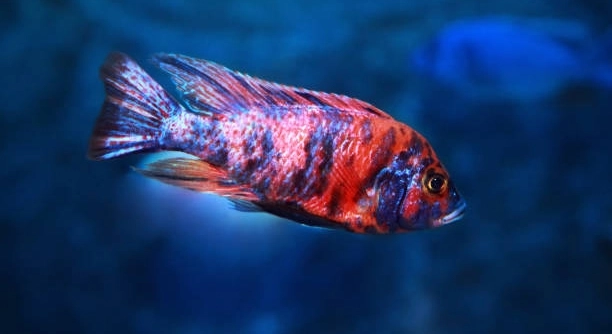
African cichlids are popular aquarium fish known for their bright colors and active behavior. Sometimes, these fish may appear slow or tired, which can worry their owners. Understanding why they act lethargic is important for their care and wellbeing.
Lethargy in African cichlids is often caused by poor water quality, inadequate nutrition, stress, or illness. Factors such as improper temperature, high ammonia levels, or parasites can significantly reduce their energy and activity levels. Addressing these causes is crucial to restoring their health.
Recognizing the reasons behind their sluggishness can help you take timely action. This knowledge supports better care and a healthier environment for your cichlids.
Water Quality Issues
Poor water quality is a common reason African cichlids become lethargic. When ammonia, nitrites, or nitrates build up in the tank, fish can suffer from stress and health problems. High ammonia levels irritate their gills and reduce oxygen intake, causing weakness. Water that is not changed regularly can also contain harmful bacteria and toxins. pH levels that are too high or low make the environment uncomfortable for cichlids, affecting their behavior. It’s important to test the water frequently and maintain clean conditions. Using a good filter and doing partial water changes each week can keep water safe. Avoid overfeeding, as leftover food breaks down and pollutes the water. Healthy water promotes active, vibrant fish and reduces the chance of disease.
Maintaining proper water parameters helps prevent lethargy and keeps cichlids comfortable. Regular checks are a simple way to support their health.
Keeping the water clean and stable improves your cichlids’ energy. It also lowers stress, making them more likely to swim actively and display natural behaviors. Small steps in water care go a long way in supporting your fish’s vitality.
Stress and Environment
Stress can cause African cichlids to slow down or hide. Changes in their surroundings, such as moving tanks or new tank mates, can upset them. Too much noise, bright lights, or sudden temperature shifts also add stress. Overcrowding limits space and causes aggression, which tires fish out. To reduce stress, create hiding spots with rocks or plants and keep a stable environment. Introducing new fish slowly helps cichlids adjust without feeling threatened. Keeping a routine feeding and lighting schedule builds a sense of security. Stress weakens the immune system, making fish vulnerable to illness and lethargy. A calm, balanced habitat encourages activity and natural behavior in your cichlids.
Poor Nutrition
A lack of proper nutrition can make African cichlids lethargic. They need a balanced diet with protein and vitamins to stay active and healthy.
Feeding cichlids only one type of food or low-quality pellets can lead to nutrient deficiencies. These fish benefit from a varied diet that includes flakes, pellets, and occasional live or frozen foods like brine shrimp or bloodworms. Fresh vegetables such as spinach or peas can also provide important nutrients. Poor nutrition weakens their immune system, reduces energy, and slows growth. Overfeeding can cause obesity and water pollution, further affecting their health. Careful feeding with proper portions is essential to keep your cichlids lively.
Monitoring their diet closely ensures your fish get what they need. A healthy diet supports their bright colors, strong immune system, and natural activity. Balanced feeding helps prevent lethargy and promotes long-term wellbeing in your aquarium.
Illness and Parasites
Illnesses and parasites are common reasons for lethargy in African cichlids. Signs like faded color, clamped fins, or unusual swimming indicate health problems. Diseases such as ich, fin rot, or bacterial infections often cause fatigue. Parasites like protozoa can also drain energy. Quarantining new fish and maintaining good water quality reduce risks. If illness appears, early treatment with appropriate medications is important to prevent worsening conditions. Regular observation of behavior and physical condition helps catch problems early. Addressing illness quickly supports recovery and restores your fish’s activity and health.
Temperature Problems
Temperature changes can make African cichlids sluggish. Too cold or too warm water slows their metabolism and energy levels.
Consistent temperature is key. Sudden shifts stress the fish and weaken their immune systems. Using a reliable heater and thermometer helps maintain steady warmth.
Overcrowding Effects
Overcrowding causes stress and aggression in cichlids. Limited space increases fights, leading to injury and exhaustion.
Providing enough room and hiding places reduces tension. Proper stocking levels help fish stay active and healthy.
Poor Oxygen Levels
Low oxygen in the tank can cause lethargy. Poor circulation, overstocking, or dirty filters reduce oxygen availability.
Using air stones, keeping plants healthy, and ensuring good water movement improves oxygen levels, helping cichlids stay alert and energetic.
Why is my African cichlid acting lethargic all of a sudden?
Sudden lethargy often signals a change in the tank environment or health. Check for water quality issues, temperature shifts, or signs of illness. Stress from new tank mates or overcrowding can also cause quick changes in behavior. Identifying the cause early helps prevent further decline.
How often should I test the water for my cichlids?
Testing water at least once a week is ideal, especially for ammonia, nitrites, nitrates, and pH levels. More frequent checks may be necessary if the tank is new, heavily stocked, or if the fish show signs of stress or illness. Regular testing ensures a safe environment.
What diet is best to keep African cichlids active and healthy?
A balanced diet includes high-quality pellets or flakes formulated for cichlids, plus occasional live or frozen foods like brine shrimp or bloodworms. Adding some fresh vegetables such as spinach or peas provides extra nutrients. Avoid overfeeding to prevent water pollution and obesity.
Can poor water temperature cause lethargy in African cichlids?
Yes, water temperature greatly affects their activity. Too cold slows metabolism, making fish sluggish, while too warm can increase stress. Keep water between 74°F and 82°F using a heater and thermometer for stability.
How does overcrowding affect my cichlids’ behavior?
Overcrowding leads to competition for space and food, increasing aggression and stress. This stress often results in lethargy as fish become tired or hide to avoid conflict. Ensure enough space and provide hiding spots to reduce tension.
What signs of illness should I watch for in lethargic cichlids?
Look for faded colors, clamped fins, rapid gill movement, white spots, or unusual swimming patterns. Loss of appetite and isolation from other fish also indicate health issues. Early detection makes treatment more effective.
How can I prevent parasites from affecting my fish?
Quarantine new fish for at least two weeks before adding them to the main tank. Maintain good water quality and avoid overcrowding. Regular observation and prompt treatment at the first sign of parasites keep your cichlids healthy.
Is lethargy always a sign of a serious problem?
Not always. Sometimes fish rest or adjust to a new environment, which can look like lethargy. However, persistent inactivity combined with other signs like poor appetite or discoloration usually indicates a problem needing attention.
What should I do if my cichlid remains lethargic despite good water and diet?
Consider consulting a vet or experienced aquarist. Illnesses or parasites might require medication or specialized care. Testing water parameters again and checking for tankmate aggression can also reveal hidden issues.
How can I improve oxygen levels in my aquarium?
Increase water movement with air stones, filters, or powerheads. Avoid overstocking and keep the tank clean. Live plants also help oxygenate the water, contributing to healthier, more active fish.
Does lighting affect cichlid activity?
Yes, consistent light cycles help regulate their behavior. Too bright or sudden changes can stress them. A natural day-night rhythm with 8-12 hours of light daily supports healthy activity patterns.
Can stress cause long-term lethargy in African cichlids?
Chronic stress weakens the immune system and causes ongoing lethargy. Minimizing stress factors like overcrowding, sudden changes, and aggression is important for long-term health and energy levels.
What are some common illnesses that cause lethargy in African cichlids?
Ich, fin rot, bacterial infections, and parasites often lead to fatigue. Each disease has specific symptoms but generally causes reduced movement and appetite. Early treatment is key to recovery.
How do I create a less stressful environment for my cichlids?
Provide adequate space, hiding spots with rocks or plants, and stable water conditions. Avoid sudden changes and introduce new fish slowly. A calm tank encourages natural behavior and activity.
Are certain cichlid species more prone to lethargy?
Some species tolerate different water conditions better than others. Sensitive species may show lethargy quicker under poor conditions. Knowing your species’ needs helps prevent problems before they start.
What role does tank maintenance play in preventing lethargy?
Regular cleaning, water changes, and filter maintenance keep toxins low and water stable. Neglecting tank care allows waste to build up, which can cause stress, illness, and lethargy in your fish.
Can medications for illness cause lethargy?
Some treatments may temporarily reduce activity as fish recover. Follow dosing instructions carefully and monitor your fish closely. If lethargy worsens, consult an expert.
How long does it take for lethargic cichlids to recover?
Recovery time varies depending on the cause. Minor stress or water changes may show improvement in days, while illness treatment can take weeks. Patience and consistent care are important during recovery.
What is the best way to introduce new fish without causing stress?
Acclimate new fish slowly to tank water temperature and chemistry. Use a quarantine tank first, and add them during calm times. Observe for aggression and give plenty of hiding spaces.
Are there natural ways to boost my cichlids’ energy?
Improving diet variety, maintaining clean water, and providing a peaceful environment naturally increase activity. Regular, gentle feeding routines and stable conditions make a big difference in their energy.
African cichlids can show signs of lethargy for many reasons. It is important to pay attention to their behavior and environment to understand what might be causing the issue. Factors like water quality, nutrition, stress, temperature, and illness all play a role in how active these fish are. Taking time to observe and care for their needs helps keep them healthy and lively. Knowing the common causes of lethargy can guide you in making the right changes in your aquarium.
Maintaining good water quality is one of the most important steps. Regular water testing, cleaning, and partial water changes prevent harmful substances from building up. Keeping the water temperature steady and within the right range helps fish maintain their energy. Providing a balanced diet with varied food supports their health and immune system. It is also necessary to avoid overcrowding and reduce stress by creating a calm and stable environment with hiding spots and proper tank mates.
When fish show signs of illness or parasites, early treatment is key. Quarantining new fish before adding them to the main tank can help prevent infections. Watching for physical changes or unusual behavior helps catch problems before they get worse. Sometimes, despite best efforts, fish may remain lethargic due to underlying health issues. In those cases, seeking advice from a veterinarian or aquarium specialist is the best option. Overall, caring for African cichlids takes attention and patience, but it leads to a healthy, happy aquarium.

Hello,
If you enjoy the content that we create, please consider saying a "Thank You!" by leaving a tip.
Every little bit helps us continue crafting quality advice that supports the health, happiness, and well-being of pets around the world, for pets of all shapes, sizes, and species.
We really appreciate the kindness and support that you show us!