
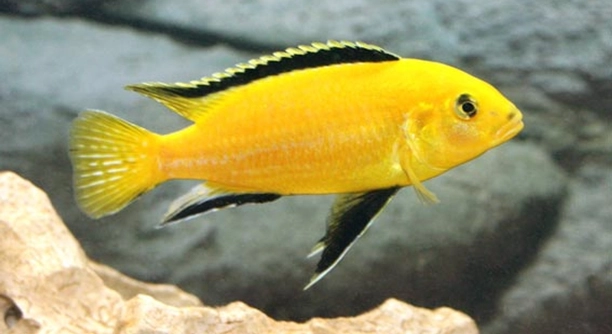
African cichlids are colorful fish that many people enjoy keeping in their home aquariums. These fish have natural behaviors that make watching them very interesting. Helping them show these behaviors can improve their health and happiness.
Encouraging natural behavior in African cichlids involves creating a habitat that mimics their natural environment, providing appropriate tank mates, and offering a diet that suits their needs. Proper tank setup and maintenance are essential to support their territorial, social, and breeding activities.
Learning how to support your cichlids’ natural habits can make your aquarium more lively and rewarding to watch. This article shares simple tips to help you create a better environment for these beautiful fish.
Creating a Natural Habitat for African Cichlids
African cichlids come from lakes with rocky shores and plenty of hiding places. To encourage their natural behavior, it’s important to recreate this environment in your tank. Use rocks, caves, and plants that give them space to explore and claim territory. These fish feel safer when they have spots to hide or rest. The layout also helps reduce stress by letting them avoid aggressive tank mates. Keep the water clean and maintain stable temperatures around 75-82°F, as cichlids are sensitive to sudden changes. Using a good filtration system keeps their water clear and healthy. Avoid overcrowding your tank because too many fish can lead to fights and stress. A tank size of at least 30 gallons is usually recommended for most African cichlids to have enough room to swim and establish territories.
A well-planned tank setup lets cichlids show their natural colors and behaviors, making your aquarium more lively and interesting.
Adding proper decorations and controlling tank size creates a comfortable space for your cichlids to thrive.
Choosing Suitable Tank Mates
Not all fish get along with African cichlids, so picking compatible tank mates is key. These fish can be territorial and aggressive, especially males during breeding. Avoid small, slow, or peaceful species that may become targets. Instead, choose fish that can hold their own but won’t outcompete cichlids for food or space. Other robust cichlids from similar environments often work well. Monitor the tank carefully after introducing new fish to catch any signs of stress or fights. Separating overly aggressive fish early can prevent injury or death. Remember, a balanced community tank helps reduce tension and allows all fish to behave naturally.
Good tank mates keep aggression manageable and promote social behaviors.
Selecting the right companions helps your cichlids interact naturally without constant conflict or stress.
Feeding to Encourage Natural Behavior
A varied diet is important for African cichlids to stay healthy and active. Feeding them foods similar to what they eat in the wild encourages natural foraging and hunting behaviors. Include high-quality pellets, flakes, and occasional live or frozen foods like brine shrimp or bloodworms.
Offering different food types helps stimulate their natural instincts. Herbivorous cichlids need more plant-based foods, while carnivorous species require protein-rich meals. Feeding small amounts multiple times a day mimics their natural feeding patterns. Avoid overfeeding, which can lead to poor water quality and health problems. You can even hide food around the tank or in decorations to promote exploration and reduce boredom. This way, your fish will stay more active and engaged, showing behaviors closer to their natural ones.
Feeding habits affect behavior strongly. A balanced, varied diet helps cichlids remain lively and healthy.
Maintaining Proper Water Conditions
Stable water parameters are critical for African cichlids’ well-being and natural behavior. They thrive in slightly alkaline water with pH levels between 7.8 and 8.6 and a hardness of 10-20 dGH. Sudden changes in temperature or chemistry can stress them and cause unusual behavior. Regular water testing and partial water changes keep the environment safe. Maintaining a temperature between 75 and 82°F supports their metabolic and reproductive needs. A clean tank with efficient filtration prevents the buildup of harmful toxins. Aeration is also important to ensure enough oxygen in the water. Proper water quality helps your cichlids feel comfortable, reducing stress and encouraging their natural activities like territorial defense and breeding.
Encouraging Territorial Behavior
African cichlids naturally claim areas within their habitat. Providing enough space and hiding spots allows them to establish and defend territories without excessive fighting. This promotes healthy social structures within the tank.
Using rocks and caves creates boundaries and reduces conflicts. It also helps shy fish feel secure and encourages natural exploration and dominance displays.
Providing Enrichment
Introducing objects like plants, rocks, or tunnels stimulates curiosity and activity. Changing decorations occasionally keeps the environment interesting for your fish. Enrichment prevents boredom and encourages natural behaviors like digging, hiding, and exploring.
A dynamic tank setup supports your cichlids’ mental and physical health.
Monitoring Behavior Regularly
Observe your fish daily to catch any signs of stress or illness early. Notice changes in aggression, eating habits, or swimming patterns. Prompt action helps maintain a peaceful and healthy aquarium environment.
Regular observation is key to long-term success with African cichlids.
How often should I change the water in my African cichlid tank?
Regular water changes are essential to maintain good water quality. It is recommended to change 20-30% of the tank water every week. This helps remove waste, excess nutrients, and toxins that build up over time. Consistent water changes keep the environment stable and healthy for your fish, supporting their natural behavior and overall well-being. Avoid changing too much water at once, as sudden changes can stress the fish.
What is the best diet for African cichlids to encourage natural feeding behavior?
A varied diet is best. Include high-quality cichlid pellets or flakes as a staple, and supplement with live or frozen foods like brine shrimp, bloodworms, or daphnia. Herbivorous cichlids need plenty of plant-based foods like spirulina or blanched vegetables. Feeding small amounts two to three times daily mimics their natural foraging habits. Occasionally hiding food in rocks or decorations encourages exploration and keeps them active. Avoid overfeeding to prevent poor water quality and health issues.
Can African cichlids live with other fish species?
Yes, but careful selection is necessary. African cichlids are territorial and can be aggressive. Choose tank mates with similar size, temperament, and environmental needs. Other robust cichlids from similar African lakes often work well. Avoid small, slow, or peaceful fish that may be bullied. Monitor interactions closely, especially when introducing new fish, to prevent stress or injury.
Why do African cichlids dig in the substrate?
Digging is a natural behavior used to create nests, search for food, or establish territory. It helps them feel secure and express instincts. Providing a soft substrate like sand encourages this activity without harming the fish. If your cichlids dig often, it shows they feel comfortable and are exhibiting normal behavior.
How important is tank size for natural behavior?
Tank size greatly impacts behavior. A larger tank gives cichlids enough space to explore, establish territories, and reduce aggressive encounters. For most species, a minimum of 30 gallons is recommended, with bigger tanks better for groups. Overcrowding leads to stress and unnatural behavior. Proper tank size supports a balanced social environment and healthier fish.
What water parameters are ideal for African cichlids?
African cichlids prefer slightly alkaline water with a pH between 7.8 and 8.6. Water hardness should be moderate to hard, around 10-20 dGH. Temperatures between 75 and 82°F are ideal. Stable parameters are crucial; sudden changes can cause stress and illness. Regular testing and maintenance keep the water within this range, encouraging natural behavior and good health.
How can I tell if my African cichlids are stressed?
Signs of stress include hiding more than usual, loss of appetite, rapid breathing, and faded colors. Aggression or lethargy can also indicate stress. Stress results from poor water quality, overcrowding, sudden changes, or incompatible tank mates. Addressing these causes quickly helps your fish return to normal behavior and reduces health risks.
Do African cichlids need a specific lighting setup?
Moderate lighting works best. It should mimic their natural environment with a day-night cycle to regulate their behavior. Too much light can cause stress, while too little affects their activity and coloration. Providing a balance with some shaded areas created by rocks or plants lets cichlids choose where to stay comfortably.
Is breeding African cichlids difficult in a home aquarium?
Breeding is possible but requires proper conditions. A stable environment with suitable water parameters, plenty of hiding places, and compatible pairs helps. Many cichlids show strong parental care, which you can observe when conditions are right. Avoid disturbing the tank during breeding to reduce stress. Successful breeding encourages natural behaviors and can be rewarding to watch.
How do I reduce aggression among African cichlids?
Reducing aggression involves providing enough space, hiding spots, and tank mates that match their temperament. Overcrowding increases stress and fights, so avoid it. Rearrange decorations occasionally to disrupt established territories. Monitoring fish behavior lets you intervene if conflicts become serious, such as separating aggressive individuals. Maintaining good water quality and stable conditions also lowers stress and aggression.
Creating a comfortable and natural environment for African cichlids takes some effort but is very rewarding. These fish are lively and colorful, and when they show their natural behaviors, it makes the aquarium more enjoyable to watch. By paying attention to their needs—like proper tank setup, good water quality, and the right diet—you help them stay healthy and active. Small changes like adding rocks, caves, and plants can make a big difference in how your cichlids behave. It also reduces stress and aggression, making your tank a peaceful place for all the fish.
Understanding African cichlids’ natural behaviors helps in caring for them better. These fish come from specific habitats and have instincts like digging, establishing territories, and social interactions. Mimicking their natural environment lets them act normally. Choosing compatible tank mates and feeding them a balanced diet encourages positive behaviors. Watching them interact, dig, or defend their space feels more natural when the tank is set up properly. Keeping water conditions stable and clean supports their health, which also reflects in their behavior. The happier and healthier your fish are, the more natural their actions will be.
Encouraging natural behavior isn’t just good for the fish; it also makes aquarium care more satisfying. When cichlids behave as they do in the wild, you get to see their true colors and interesting habits. Taking time to maintain the tank and observe your fish helps catch any problems early, like stress or illness. This means you can make changes to keep your fish comfortable and safe. Overall, a well-cared-for African cichlid tank creates a lively, balanced, and enjoyable space that benefits both you and your fish.

Hello,
If you enjoy the content that we create, please consider saying a "Thank You!" by leaving a tip.
Every little bit helps us continue crafting quality advice that supports the health, happiness, and well-being of pets around the world, for pets of all shapes, sizes, and species.
We really appreciate the kindness and support that you show us!