
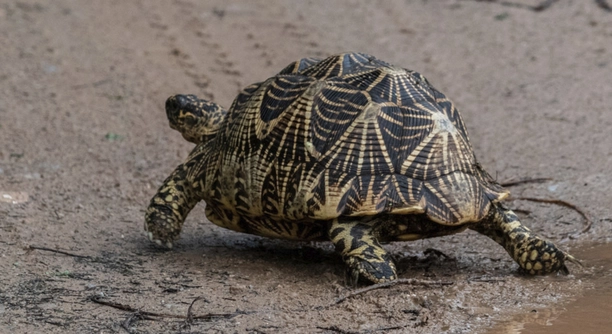
Star tortoises are fascinating creatures, known for their beautiful shell patterns and slow movements. However, in the wild, they face threats from predators that can jeopardize their survival. Understanding these dangers is important for their protection.
Star tortoises are at risk from predators such as wild dogs, birds of prey, and even humans. These animals hunt them for food, and in some cases, humans capture them for illegal pet trade or exploitation.
There are effective ways to reduce the risks these tortoises face, from habitat conservation to better regulations on their capture. Taking action to protect them is essential for their survival.
What Are the Main Threats to Star Tortoises?
Star tortoises face numerous threats in their natural habitats. One of the primary dangers comes from wild predators like foxes and jackals. These animals may attack young tortoises, while adults are usually safe due to their protective shells. Birds of prey, such as eagles, also pose a risk, especially to young and vulnerable tortoises. Another significant threat is human activity, particularly illegal hunting and the pet trade. Star tortoises are often captured and sold, disrupting their populations. Deforestation and habitat loss due to urban expansion also reduce the tortoises’ safe living areas.
While these threats are significant, there are steps we can take to help. Laws are already in place to protect star tortoises, but enforcing these regulations is key. In addition, educating local communities about the importance of preserving these animals can reduce the impact of human activities. Conservation efforts such as creating protected areas also play a role in ensuring the survival of star tortoises.
Proper management of their natural environment and increased awareness could help mitigate the risks these animals face. Protecting star tortoises requires cooperation from local communities, governments, and conservation organizations. Efforts to preserve their habitats and regulate trade are crucial to ensuring their continued existence in the wild.
How Can We Protect Star Tortoises?
A key part of protecting star tortoises is to reduce the illegal pet trade. Conservation laws must be strictly enforced to prevent poaching and trafficking.
Protecting star tortoises also involves addressing their habitat loss. Deforestation and land development disrupt their homes. By promoting reforestation and designating wildlife reserves, we can provide safe spaces for them to live and reproduce. Moreover, educating people about the importance of these tortoises in the ecosystem helps foster respect for wildlife and discourages hunting. Engaging local communities in conservation efforts is vital to the success of these programs.
Role of Predators in the Star Tortoise’s Survival
Predators play an important role in the survival of star tortoises by controlling their population. Wild animals like jackals and birds of prey tend to target the younger tortoises, which are easier to catch. Although adults have a tough shell for protection, it is not always enough to escape from larger predators.
The threat from predators forces star tortoises to rely on their shells as defense. However, young tortoises are vulnerable to attacks due to their smaller size and less developed shells. Birds of prey, such as hawks and eagles, are especially dangerous to smaller tortoises. As the tortoises grow, they become harder targets for predators, but the risks for younger ones remain high. The natural cycle of predation can help keep populations in balance but also presents a significant challenge for star tortoises.
In some areas, the loss of predators has led to overpopulation, which can cause environmental imbalances. Predators ensure that only the strongest tortoises survive, preventing the spread of disease and helping maintain a healthier population. While predators may seem harmful, they contribute to the natural checks and balances that keep ecosystems intact.
How Humans Contribute to the Risk of Star Tortoises
Humans are one of the biggest threats to star tortoises. Illegal hunting, habitat destruction, and the pet trade all contribute to their decline. The tortoises are often taken from the wild to be sold in markets, which leads to a reduction in their natural population.
In addition to poaching, humans cause habitat loss through deforestation and urbanization. As forests are cleared for farming or construction, the available land for star tortoises becomes smaller, leaving them with fewer places to live. This fragmentation of habitats makes it harder for tortoises to find food and shelter. In some areas, people also use tortoises for traditional medicine, further adding to the pressure they face.
The impact of human activity can also extend to the introduction of non-native species. When people bring in new animals, they may disrupt the balance of the local ecosystem. These new animals can prey on star tortoises or compete with them for food and shelter. The combination of habitat loss, illegal hunting, and invasive species continues to put the survival of star tortoises at risk.
Efforts to Protect Star Tortoises
Several organizations are working hard to protect star tortoises in their natural habitats. By creating wildlife reserves and enforcing laws against poaching, they aim to reduce the risks these tortoises face. Awareness programs also play an important role in educating the public about the importance of these creatures.
Conservationists are also focusing on habitat restoration. This involves planting native plants and ensuring that areas are safe from human interference. These efforts help provide the tortoises with a secure environment where they can thrive without constant threats from predators or humans.
Through these conservation programs, local communities are involved in the process, making sure they understand the importance of preserving star tortoises. The success of these efforts depends on consistent action and collaboration among governments, organizations, and the public. By protecting their environment, we can help ensure the survival of these unique creatures.
Community Involvement in Conservation
Involving local communities is essential to protecting star tortoises. By working with locals, conservationists can raise awareness and reduce human-caused threats. Communities are encouraged to take an active role in monitoring and reporting illegal activities like poaching.
Educating people about the significance of star tortoises and their role in the ecosystem makes a big difference. When people understand how important these creatures are, they are more likely to protect them. Local involvement ensures that conservation efforts are sustainable in the long term, helping to create a lasting change for star tortoises.
Laws Protecting Star Tortoises
Laws designed to protect star tortoises are in place in many countries. These laws aim to prevent the illegal capture, trade, and sale of the tortoises. While the laws are crucial, their enforcement is key to their success.
Without strict enforcement, these laws may be ineffective, allowing poachers to continue their harmful activities. Ensuring that law enforcement is well-equipped to combat poaching and illegal trade is critical in the fight for star tortoises’ survival.
FAQ
What are the main predators of star tortoises?
Star tortoises face several predators in their natural habitats. Wild animals like foxes, jackals, and large birds of prey such as eagles and hawks are common threats. These predators often target the younger tortoises, who are easier to catch due to their smaller size. While adult star tortoises have a protective shell that offers some defense, they are still at risk from larger predators, especially if they are injured or stressed. However, adult tortoises are less likely to fall prey to these animals because of their hardened shell.
How does human activity impact star tortoises?
Human activity poses significant threats to star tortoises. Habitat destruction, primarily caused by deforestation and urbanization, reduces the available land for them to live. As forests are cleared for agriculture or development, the tortoises’ natural homes are taken away, forcing them to find new, often unsafe, places. Additionally, star tortoises are often targeted for the illegal pet trade, where they are captured and sold, depleting their wild population. Over-hunting and poaching for traditional medicine are other major concerns. These actions put unnecessary pressure on the already vulnerable species.
Can star tortoises be kept as pets?
Yes, star tortoises are sometimes kept as pets, but this practice is illegal in many countries due to the over-exploitation of these animals from the wild. Keeping them as pets often involves removing them from their natural habitat, which can severely impact their health and well-being. Many star tortoises that are kept as pets suffer from improper care and unsuitable living conditions. It is important to check local laws and regulations before attempting to keep any species of tortoise as a pet. Ideally, star tortoises should remain in the wild, where they can thrive in their natural environment.
How do star tortoises protect themselves from predators?
Star tortoises rely mainly on their hard, dome-shaped shells to protect themselves from predators. When threatened, they can withdraw their heads, legs, and tails into their shells to shield themselves. The tough outer layer provides protection against bites and scratches from many predators. However, while the shell is a strong defense mechanism, it is not foolproof. Birds of prey, for example, can sometimes carry off smaller or younger tortoises before they have a chance to retreat into their shell. The tortoises also use their ability to remain still and camouflaged in their environment to avoid detection.
Why are star tortoises considered endangered?
Star tortoises are classified as vulnerable and endangered primarily due to human activities. The destruction of their natural habitats through deforestation, agricultural expansion, and urban development poses a serious threat. The illegal pet trade and poaching further exacerbate their population decline. Additionally, the slow reproductive rate of star tortoises makes it difficult for their numbers to recover quickly. Conservation efforts are critical to reversing this decline, including habitat restoration, better enforcement of wildlife protection laws, and community engagement.
What can be done to protect star tortoises?
Protecting star tortoises requires a multi-faceted approach. First and foremost, enforcing laws against poaching and the illegal pet trade is essential. Conservation efforts should focus on preserving and restoring natural habitats by establishing wildlife reserves and protected areas. Public awareness campaigns that educate local communities about the importance of protecting these tortoises can help reduce hunting and trade. Additionally, involving local communities in conservation initiatives, such as monitoring populations and reporting illegal activities, can make a significant difference. Supporting organizations that are working to protect star tortoises and their habitats is another important way to help.
Are star tortoises endangered everywhere they live?
Star tortoises are mainly found in India and Sri Lanka, and while their populations are endangered in many parts of these regions, some areas have more stable populations due to better protection efforts. In certain protected habitats, conservation programs have helped stabilize populations. However, many parts of their range still face high levels of poaching and habitat loss. Efforts to protect them vary by region, with some countries and regions having stronger regulations and enforcement than others. Protecting star tortoises on a global scale requires international cooperation to stop the illegal wildlife trade and ensure habitat preservation.
How long do star tortoises live?
Star tortoises have a relatively long lifespan. In the wild, they can live up to 50 years or more. The exact lifespan depends on various factors such as environmental conditions, availability of food, and the presence of predators. In captivity, they may live even longer if provided with proper care. However, their survival rate in the wild is often lower due to the various threats they face, such as predation, habitat loss, and poaching. The longevity of star tortoises makes them vulnerable to prolonged human threats, as their slow reproductive rate means populations take a long time to recover.
How can we support star tortoise conservation?
Supporting star tortoise conservation can be done in several ways. Donating to or volunteering with wildlife conservation organizations helps fund efforts to protect their habitats and enforce laws against poaching. Educating others about the importance of these tortoises and the challenges they face also raises awareness. Avoiding the purchase of star tortoises or products made from them helps prevent demand for illegally traded animals. Lastly, advocating for stronger wildlife protection policies and working with local communities to implement conservation efforts can create lasting change in preserving these remarkable creatures.
Final Thoughts
Star tortoises are fascinating creatures that play an important role in their ecosystems. Despite their tough appearance, these animals face serious threats from both natural predators and human activities. From wild animals like jackals and birds of prey to illegal hunting and habitat destruction, the challenges star tortoises face are vast. While their hard shells offer some protection, they cannot escape the dangers posed by predators or the loss of their natural homes. Without the proper conservation efforts, these beautiful creatures could continue to decline, which would have negative impacts on their ecosystems.
Efforts to protect star tortoises are ongoing, and there is hope for their future. Creating protected areas, enforcing laws against poaching, and restoring natural habitats can help ensure that star tortoises have a safe environment to thrive. Involving local communities in conservation efforts is key to long-term success, as people who live near these animals are the ones most likely to be directly affected by their conservation. Raising awareness about the importance of these tortoises and the threats they face can also lead to more support for their protection. When communities understand the role these animals play, they are more likely to get involved in protecting them.
The survival of star tortoises depends on collective action. Governments, conservation organizations, and local communities must work together to create lasting solutions. While it may take time to reverse the damage that has been done, small changes can lead to big improvements for star tortoises and other endangered species. By focusing on habitat preservation, stricter laws, and public education, there is hope that future generations will be able to see these amazing animals thriving in the wild. Protecting star tortoises is not only important for their survival but also for maintaining the balance of their ecosystems.

Hello,
If you enjoy the content that we create, please consider saying a "Thank You!" by leaving a tip.
Every little bit helps us continue crafting quality advice that supports the health, happiness, and well-being of pets around the world, for pets of all shapes, sizes, and species.
We really appreciate the kindness and support that you show us!