
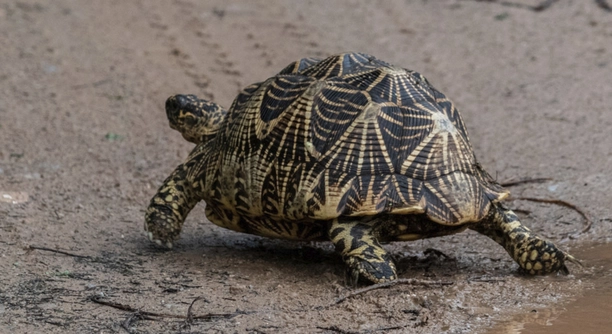
Finding the best substrate and bedding for your star tortoise is essential for its well-being. Proper care ensures a comfortable and safe environment for your pet to thrive in. Understanding these needs helps you create a suitable habitat.
The ideal substrate for a star tortoise should be absorbent, easy to clean, and provide a natural environment. Some good options include coconut coir, cypress mulch, or a mix of both. Avoid using substrates like sand or gravel, which can cause health issues.
Choosing the right bedding for your star tortoise can help maintain proper humidity levels and provide a comfortable, natural habitat. Understanding the factors that affect their health will ensure your pet thrives in a safe environment.
Importance of Proper Substrate for Star Tortoises
Choosing the right substrate for your star tortoise is crucial for their overall health. Tortoises naturally thrive in environments that mimic their wild habitats. A suitable substrate helps regulate humidity, provides comfort, and makes your tortoise feel more at home. A good substrate also encourages natural behaviors like burrowing and digging. For star tortoises, it’s essential to avoid substrates that might cause issues, such as sand or gravel. These materials can lead to impaction, which is dangerous and often difficult to treat. Instead, consider using a mixture of coconut coir and cypress mulch. These materials are absorbent, safe, and easy to clean, providing the perfect environment for your tortoise.
Choosing the right bedding helps avoid health issues like dehydration and stress, ensuring your tortoise stays happy and healthy. The substrate plays a big role in preventing unnecessary complications that could arise.
Proper care extends to choosing the right type of substrate, as it can affect how much moisture is retained in the enclosure. Star tortoises need a balanced humidity level to stay hydrated, and the right bedding keeps moisture in the air without soaking up too much water.
Types of Bedding for Star Tortoises
There are several bedding options to consider for your star tortoise’s habitat. Coconut coir is a popular choice because it is soft, absorbent, and easy to maintain. Cypress mulch also works well because it is natural, smells pleasant, and holds moisture. Both materials are safe for your tortoise to interact with.
Another good choice is sphagnum moss, which can be added to provide extra humidity. Be sure to avoid using wood shavings like pine or cedar, as they can cause respiratory issues for your tortoise.
It is important to keep the bedding clean by regularly removing waste and replacing soiled areas. While coconut coir and cypress mulch are great options, they need to be replaced about once a month to maintain a fresh, clean environment for your pet. Be cautious about using materials that could be harmful to your tortoise’s health. Choosing bedding that’s non-toxic and easy to clean will ensure that your tortoise’s habitat remains comfortable and safe. The right bedding also makes it easier to maintain a proper humidity level, which is crucial for the well-being of your tortoise.
How to Maintain the Right Humidity Levels
Humidity is important for your star tortoise’s health, as it helps keep their skin hydrated and supports proper digestion. A humidity level between 50% and 70% is ideal. Using a hygrometer can help monitor the humidity in their enclosure.
To maintain the right humidity, lightly mist the substrate daily. You can also add a humidity box with sphagnum moss or place a shallow water dish in the enclosure. Ensure the enclosure has adequate ventilation to avoid excessive moisture buildup. Keeping the humidity consistent helps prevent respiratory issues and dehydration.
If the humidity is too low, your tortoise may become dehydrated, leading to health problems. Too much humidity can also cause mold growth or respiratory infections. Balancing the moisture levels in the substrate and enclosure is key. Regular monitoring and adjustments help ensure that the environment stays comfortable and safe.
Cleaning the Substrate
Cleaning your tortoise’s bedding regularly is crucial for maintaining a healthy habitat. Remove waste daily and replace soiled areas to keep the enclosure fresh. Changing the bedding entirely every 3 to 4 weeks ensures a clean environment.
To clean the substrate, remove any waste such as uneaten food, feces, and urates. Replace the soiled bedding with fresh material to maintain cleanliness and proper hygiene. Regular cleaning prevents the buildup of bacteria and other harmful microorganisms that could affect your tortoise’s health.
Spot cleaning can be done daily, but a complete substrate change should be done at least once a month. Using a dustpan and scoop can make removing waste more efficient. When replacing the bedding, consider thoroughly cleaning the enclosure itself with a safe disinfectant to keep everything in top condition. Regular cleaning is an important part of creating a safe, healthy home for your star tortoise.
Common Substrate Mistakes to Avoid
Using the wrong substrate can cause issues for your star tortoise. Materials like sand or gravel are not ideal and can lead to serious health problems. Make sure to avoid these when setting up the enclosure.
Substrates that are too damp or dry can also create problems. Too much moisture can lead to mold growth, while overly dry bedding can cause dehydration. The key is finding a balance and regularly checking the substrate for moisture levels.
The Role of UVB Lighting
UVB lighting is essential for your star tortoise’s health, as it helps them produce Vitamin D3, which is crucial for calcium absorption. Without UVB light, your tortoise may develop metabolic bone disease or other calcium-related issues.
Place the UVB light above the tortoise’s basking area to simulate natural sunlight. Ensure the bulb is changed regularly, as UVB rays lose their effectiveness over time. UVB lights should be on for about 10 to 12 hours a day to provide proper exposure.
Temperature Regulation
Maintaining the right temperature is just as important as humidity for your star tortoise. They need a warm basking spot of around 95°F (35°C) and a cooler side at about 75°F (24°C). This range allows your tortoise to regulate its body temperature effectively.
FAQ
What is the best substrate for a star tortoise?
The best substrates for a star tortoise are coconut coir, cypress mulch, or a mix of both. These materials are soft, absorbent, and easy to clean. They also help maintain the proper humidity levels in the enclosure. Avoid using sand or gravel, as they can cause health issues such as impaction or difficulty digesting food. Coconut coir is particularly popular because it’s natural, and it keeps moisture in the air while being easy to replace. Cypress mulch is also a good choice, offering a pleasant scent and retaining humidity well.
How often should I clean the substrate?
You should spot-clean your star tortoise’s substrate daily to remove waste like feces and uneaten food. This keeps the environment fresh and reduces the buildup of bacteria. A full substrate change should be done every 3 to 4 weeks, depending on how quickly the bedding becomes soiled. When doing a full replacement, make sure to clean the enclosure thoroughly to ensure there are no lingering bacteria. Regular cleaning helps maintain the health of your tortoise and prevents unwanted odors from developing.
Can I use sand as bedding for my star tortoise?
Sand is not recommended as a bedding material for star tortoises. While it might seem natural, it can lead to serious health problems. Tortoises often ingest sand while eating, which can cause impaction in their digestive system. This can result in painful and sometimes life-threatening conditions. Instead, opt for substrates like coconut coir or cypress mulch, which are safer and provide a better environment for your tortoise.
How do I maintain humidity in the enclosure?
To maintain proper humidity, lightly mist the substrate daily with water. You can also add a humidity box filled with sphagnum moss, which retains moisture and helps create a humid microclimate. Make sure there is a shallow water dish available for your tortoise, as it will drink from it and help regulate humidity. Monitoring the humidity levels with a hygrometer can ensure that it stays within the ideal range of 50% to 70%. If your enclosure is too dry, it can lead to dehydration or other health problems.
How often should I replace the substrate?
You should replace the substrate entirely every 3 to 4 weeks. Regular spot cleaning will help extend the life of the bedding, but it’s important to do a full change to ensure cleanliness and prevent the buildup of bacteria or mold. When replacing the bedding, make sure the enclosure is cleaned properly to remove any remnants of old substrate or waste that could harbor harmful bacteria. Keeping the substrate fresh ensures a healthy environment for your tortoise.
Can I use pine or cedar shavings as bedding?
No, pine and cedar shavings should be avoided as bedding for star tortoises. Both types of wood contain oils that can irritate a tortoise’s respiratory system, leading to respiratory infections or other health issues. The strong aroma from these shavings is also harmful to your tortoise’s sensitive respiratory system. Stick to natural, non-toxic materials like coconut coir or cypress mulch to create a safe and comfortable habitat.
How do I know if the humidity is too high or low?
The ideal humidity level for a star tortoise should be between 50% and 70%. If the humidity is too low, your tortoise might become dehydrated, leading to issues like dry skin, shell problems, and difficulty digesting food. On the other hand, if the humidity is too high, it can cause mold growth and respiratory issues. You can measure the humidity with a hygrometer, which gives you an accurate reading of the moisture in the air. Adjust your misting routine or add a humidity box if necessary to maintain the correct levels.
What temperature should the enclosure be?
Your star tortoise needs a temperature gradient to regulate its body temperature. The basking area should be around 95°F (35°C), while the cooler side of the enclosure should be around 75°F (24°C). This temperature range allows your tortoise to move between the warm and cool areas to maintain its body temperature. Using a heat lamp over the basking spot and a regular thermometer to monitor the temperature will help you keep things balanced. Be sure not to let the temperature drop below 75°F (24°C) or rise above 100°F (38°C), as extreme temperatures can be harmful.
Can I use a heating pad under the substrate?
Heating pads are not recommended for star tortoises. They can create hot spots that are difficult to regulate and may cause burns or overheating. Instead, use a heat lamp or ceramic heat emitter to provide warmth for the basking area. A heat lamp is a more controlled method of creating a temperature gradient that allows your tortoise to move between different areas of the enclosure to regulate its body heat.
Is it safe to use artificial turf as bedding?
Artificial turf is not a good option for star tortoises. While it may seem easy to clean, it doesn’t mimic the natural environment that your tortoise needs. It doesn’t provide the proper humidity levels or allow the tortoise to exhibit natural behaviors like burrowing. Additionally, artificial turf can become slippery and uncomfortable for your tortoise, which might make it feel stressed or unsettled. Stick to natural, absorbent substrates that are easy to clean and provide a better environment for your pet.
Final Thoughts
Choosing the right substrate and bedding for your star tortoise is essential for their health and comfort. While it may seem like a small detail, the type of substrate you use can greatly impact your tortoise’s well-being. Opting for natural, safe materials like coconut coir and cypress mulch creates a comfortable environment that promotes healthy behaviors, such as burrowing. It’s important to avoid harmful substrates like sand or cedar, which can cause serious health problems for your pet. The right bedding ensures your tortoise has the right humidity, comfort, and a clean space to live in.
Maintaining the proper humidity and temperature levels is just as important as choosing the right bedding. Star tortoises need a balanced environment to thrive, and by keeping the humidity between 50% and 70%, you help prevent dehydration and other related health issues. Be sure to monitor these factors regularly, and make adjustments as necessary. Providing a temperature gradient, with a basking area at 95°F and a cooler side around 75°F, allows your tortoise to regulate its body temperature naturally. Keeping these environmental factors in check will help ensure your tortoise stays healthy and happy for many years to come.
Finally, regular cleaning and maintenance of the enclosure are essential to keep everything in good condition. Spot-cleaning daily and replacing the bedding entirely every 3 to 4 weeks helps prevent the buildup of harmful bacteria and ensures a fresh, comfortable habitat for your tortoise. With the right substrate, proper humidity, and temperature control, your star tortoise will thrive in its new home. Careful attention to these details will help you create a safe and healthy environment that meets all of your tortoise’s needs.

Hello,
If you enjoy the content that we create, please consider saying a "Thank You!" by leaving a tip.
Every little bit helps us continue crafting quality advice that supports the health, happiness, and well-being of pets around the world, for pets of all shapes, sizes, and species.
We really appreciate the kindness and support that you show us!