
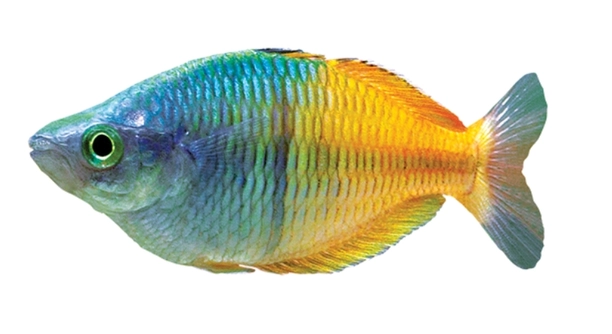
Are your rainbow fish acting differently or hiding more often than usual? These subtle changes might be telling you something important. Stress in fish can appear in small ways that are easy to overlook at first.
The first signs of stress in rainbow fish include clamped fins, color fading, erratic swimming, and a loss of appetite. These indicators suggest discomfort in their environment, often caused by poor water conditions, overcrowding, or sudden changes in routine.
Recognizing these early signs is essential to keeping your rainbow fish calm, healthy, and thriving in their aquarium environment.
Common Early Signs to Watch For
Rainbow fish are sensitive to changes in their environment, and stress often shows up through small physical or behavioral changes. Clamped fins are one of the first visible signs—this means the fins are held close to the body instead of fanned out. Faded coloration is another common sign; rainbow fish usually have vibrant colors, and any dullness may indicate they’re not feeling well. You might also notice erratic swimming patterns or increased hiding. These changes are often responses to discomfort in their surroundings, whether it’s water quality, temperature, or aggressive tankmates. Loss of appetite is another concern. A healthy rainbow fish will eagerly eat during feeding times, so skipping meals is a clear warning sign. Keeping a close eye on these behaviors and reacting early can help prevent more serious health issues from developing. Stress in rainbow fish can weaken their immune system and lead to illness if not addressed quickly.
Try to observe your fish every day for any changes in how they swim, eat, or interact with others.
Making small adjustments early can reduce stress and help keep your fish comfortable and active without needing medication or treatments later.
Stress Triggers in the Tank
Many factors inside the tank can cause stress in rainbow fish, and it’s not always easy to tell what’s wrong.
Water quality plays a major role in your fish’s comfort. High ammonia, nitrite, or nitrate levels are unsafe and will quickly lead to stress. Make sure you test the water regularly and keep conditions stable. Sudden temperature changes or poor oxygenation can also upset rainbow fish, so maintain a consistent water temperature and ensure your filter is working properly. Lighting matters too—bright or inconsistent lighting can cause anxiety, especially if there’s no place for the fish to retreat or rest. Tankmates are another important factor. Rainbow fish are peaceful by nature and may become stressed if paired with aggressive or overly active species. Overcrowding the tank can lead to competition for space and food, adding unnecessary pressure. It helps to create a balanced environment with enough room, gentle lighting, proper filtration, and compatible tankmates to support their well-being and reduce ongoing stress.
How to Help Rainbow Fish Relax
Start by checking your water parameters using a reliable test kit. Make sure the ammonia and nitrite are at zero, and nitrates stay low. Stable water temperature, gentle filtration, and consistent lighting can help your rainbow fish feel safe and less anxious.
If your fish are hiding more than usual, try adding more plants or decorations to give them secure spaces. A proper balance between open swimming areas and hiding spots can ease tension. Avoid tapping the glass or making loud noises near the tank, as sudden disturbances may worsen their stress. Feed them high-quality food in small amounts and avoid overfeeding, which can harm water quality. It’s also helpful to perform regular partial water changes without changing everything at once. Keep tank maintenance consistent, not drastic. With patience and the right setup, most rainbow fish bounce back quickly once their environment feels stable and safe again.
Monitor their interactions with other tankmates. If any fish are chasing or nipping, consider rearranging the decorations to break sight lines or moving the aggressive fish to another tank. Keeping rainbow fish in proper school sizes—usually six or more—can reduce anxiety, as they feel more secure in groups. Avoid mixing different rainbow fish species that don’t share similar temperaments or care needs. Introducing tankmates gradually rather than all at once also reduces stress. Make sure the tank size is appropriate, with enough space for all fish to swim comfortably. When rainbow fish are supported with the right conditions, they tend to display their colors fully, remain active, and eat well. These are signs that they feel calm and comfortable in their habitat.
Signs Stress Is Getting Worse
Watch for signs like heavy breathing, rapid gill movement, or gasping at the surface. These can indicate low oxygen or poor water quality. If ignored, stress may lead to serious health problems or even death in rainbow fish.
Frayed fins, white spots, or sudden weight loss can point to illness caused by prolonged stress. At this stage, it’s important to act quickly by improving tank conditions and possibly isolating the sick fish. Delaying care could affect the rest of your aquarium.
When to Consider Medical Treatment
If your rainbow fish continues to show signs of stress despite a clean, stable tank and compatible tankmates, it may be time to consider treatment. Stress can lead to secondary infections like ich or fin rot. Over-the-counter medications may help, but they must be used carefully. Follow instructions closely, avoid overdosing, and treat in a quarantine tank if possible. Always remove activated carbon from the filter before using medicine, as it can absorb the treatment. Continue water testing and feeding a high-quality diet throughout recovery. Medical treatment is only effective when paired with good care and stable conditions.
Final Thoughts on Monitoring Behavior
Keep an eye on your rainbow fish daily. Sudden changes in behavior are often the first sign something isn’t right. Acting early keeps them healthier and more relaxed.
FAQ
What is the best way to prevent stress in rainbow fish?
Maintaining a stable environment is key. Regularly check water quality, including ammonia, nitrite, nitrate levels, and pH. Keeping the water temperature consistent and ensuring proper filtration is crucial. Provide enough space, hiding spots, and compatible tankmates to reduce stress. Feed them a varied, balanced diet and avoid overfeeding. Keep the tank clean with regular water changes, but avoid making drastic changes all at once.
How can I tell if my rainbow fish is stressed?
Look for signs like clamped fins, faded colors, erratic swimming, or hiding more than usual. Stress can also cause loss of appetite or increased breathing. If your fish seems lethargic, it’s important to check the water quality and adjust the tank conditions.
Can stress in rainbow fish cause illness?
Yes, prolonged stress can weaken their immune system, making them more susceptible to infections and diseases like fin rot or ich. Stress also reduces their appetite and overall health, which can lead to further complications if not addressed promptly. A stressed fish is more vulnerable to parasites and bacteria.
What tank mates are best for rainbow fish?
Rainbow fish are generally peaceful and do well with other non-aggressive species. Good tankmates include peaceful community fish like tetras, rasboras, and Corydoras catfish. Avoid aggressive or fin-nipping species, as these can stress out rainbow fish. Make sure the size and behavior of potential tankmates align with their needs.
How can I help my rainbow fish if it’s not eating?
If your rainbow fish isn’t eating, check the water parameters first. Poor water quality can cause loss of appetite. Make sure the food you’re offering is fresh and appropriate for their diet. Try offering different types of food, such as live, frozen, or high-quality flakes. Ensure you’re not overfeeding, as leftover food can degrade water quality.
Can rainbow fish live with other rainbow fish species?
Yes, rainbow fish usually thrive when kept with others of their kind. However, ensure they are compatible in terms of size and temperament. Some species, like the Boesemani rainbow, are more active and may stress out smaller or slower varieties. It’s best to keep at least six of the same species together to reduce stress.
Is it normal for rainbow fish to hide?
Rainbow fish may hide when they feel stressed, scared, or unwell. Providing plenty of plants, decorations, and hiding spaces can help them feel more secure. However, frequent hiding is a sign that something is wrong, either with their environment or their health. Check the water quality and tank conditions.
What should I do if my rainbow fish is swimming upside down?
Swimming upside down is usually a sign of severe distress or a health issue. This can be caused by swim bladder disease, which affects a fish’s buoyancy. If this happens, immediately check the water conditions and temperature. If the fish is still swimming upside down after adjustments, consult a vet for possible treatments.
How can I reduce stress caused by tank lighting?
Rainbow fish may get stressed by too much or inconsistent lighting. To help, use a dimmer or adjustable light timer to simulate a natural day-night cycle. Avoid bright, harsh lights that can cause anxiety. You can also provide shaded areas in the tank using plants or decorations for the fish to retreat to.
What do I do if my rainbow fish is gasping for air?
If your rainbow fish is gasping at the surface, it could be a sign of poor water oxygenation or elevated toxins like ammonia. Check your filtration system to ensure it’s working well, and perform a water change. Increase aeration by adding an air pump or adjusting the filter flow to improve oxygen levels.
Why are my rainbow fish’s colors fading?
Fading colors in rainbow fish can be a sign of stress, poor water quality, or illness. Stress often leads to a dulling of their natural bright colors. Ensure the water is clean and stable, and check for any signs of disease. A varied diet can also help maintain vibrant coloration.
Can rainbow fish live with live plants?
Yes, rainbow fish can live comfortably with live plants. In fact, plants can help create a more natural, secure environment for them. They provide hiding spots and help improve water quality by absorbing excess nutrients. Just be sure the plants you choose are compatible with the fish and tank conditions.
What should I do if my rainbow fish is swimming in circles?
If your rainbow fish is swimming in circles, it could indicate a problem with water quality, stress, or a neurological issue. Check the water parameters first to ensure the tank conditions are stable. If the behavior continues, try isolating the fish to monitor its condition closely and seek professional advice if needed.
Can rainbow fish recover from stress?
Yes, rainbow fish can recover from stress if the underlying causes are addressed quickly. Improving water conditions, reducing overcrowding, and removing any aggressive tankmates can help. Make sure they have a balanced diet, plenty of space, and a stress-free environment to encourage their recovery.
Final Thoughts
Stress in rainbow fish can be a result of various factors, including poor water quality, improper tank mates, and environmental disturbances. Addressing these stressors early is important for their health and well-being. Regular water testing is crucial to ensure the proper levels of ammonia, nitrites, and nitrates, as these can cause stress or even illness if they’re out of balance. Maintaining a consistent water temperature and providing a proper filtration system also help in creating a stable environment for your fish. Keeping the tank clean and free from debris can further reduce the risk of stress-related issues.
Rainbow fish are peaceful and social creatures, so having compatible tank mates is essential. They do well with other non-aggressive species and should be kept in schools for the best results. A well-planned aquarium with enough plants and decorations provides a secure environment, allowing them to retreat if they feel stressed or threatened. Keeping the tank free from loud noises and sudden movements will also help your rainbow fish feel safer. When you observe any signs of stress, such as fading colors, rapid swimming, or hiding, it’s crucial to act quickly and make adjustments to the tank conditions.
With proper care and attention to their environment, rainbow fish can thrive and live healthy, happy lives. It’s essential to be patient and give them time to adjust to changes in their tank. If stress-related issues persist, more specific medical treatment may be necessary. However, most rainbow fish recover well when their environment is stable and their needs are met. By keeping the water quality high, avoiding aggressive tank mates, and providing plenty of space, your rainbow fish will enjoy a peaceful, low-stress habitat.

Hello,
If you enjoy the content that we create, please consider saying a "Thank You!" by leaving a tip.
Every little bit helps us continue crafting quality advice that supports the health, happiness, and well-being of pets around the world, for pets of all shapes, sizes, and species.
We really appreciate the kindness and support that you show us!