
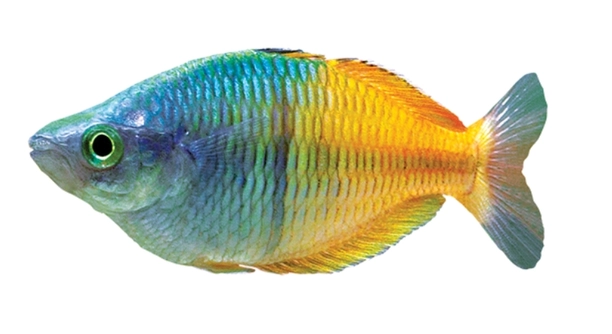
Oxygenating a fish tank is a crucial part of maintaining a healthy environment for your rainbow fish. Proper oxygen levels support their health and well-being, but it’s important to know how much oxygen is enough for your tank.
Overoxygenating a rainbow fish tank can cause negative effects such as excessive water movement and stress on the fish. Too much oxygen can disturb the balance, leading to a less stable and more difficult environment for the fish to thrive.
Finding the right balance is key to ensuring your rainbow fish remain comfortable and healthy in their tank. Keep reading to learn more about maintaining optimal oxygen levels.
How Does Overoxygenation Affect Your Rainbow Fish?
Overoxygenating a tank can lead to issues like rapid water movement, which may stress out your rainbow fish. They need a calm environment to feel secure, and excessive oxygen can disturb their natural behavior. High oxygen levels can also lead to poor gas exchange, as the water may become saturated with oxygen, reducing the tank’s ability to exchange gases properly. This imbalance can negatively impact your fish’s health.
Too much oxygen can make the fish more active, but it can also cause them to tire easily. It disrupts their comfort levels, leading to reduced appetite or abnormal swimming behavior. When fish are constantly overexerting themselves, they become vulnerable to other health issues, like weakened immune systems.
This is why it’s essential to maintain the right oxygen levels. Adjusting aeration equipment, like air stones or filters, will help ensure the tank’s oxygen levels are balanced, providing a better environment for your rainbow fish.
How to Maintain Optimal Oxygen Levels
A good starting point is monitoring the water temperature and surface agitation. Fish need oxygen, but it must be distributed evenly. You can achieve this by using adjustable air pumps or filters.
Maintaining a healthy balance between oxygenation and water quality is vital for your rainbow fish’s well-being. A tank that is too oxygenated might look lively but can cause stress in the long run. The key to a healthy tank is moderation, which you can easily manage with a few simple adjustments. Regular water testing is the best way to track the levels of dissolved oxygen and adjust accordingly.
How to Recognize Overoxygenation in a Fish Tank
Excess oxygen in your tank can show up in several ways. If your fish seem overly active or are swimming erratically, it could be a sign. Another sign is if the surface water is constantly moving, which may suggest too much aeration.
Rainbow fish are more sensitive to rapid water movement. If you notice them gasping near the surface or avoiding certain areas of the tank, it’s likely a sign that there’s too much oxygen. Overoxygenation can also cause the water to appear unusually bubbly, especially near aerators or filters. If the fish seem stressed and don’t feed normally, check the oxygen levels.
This behavior often stems from an imbalance that affects their comfort. Over time, stress from too much oxygen can weaken the fish’s immune system, making them more prone to illnesses. It’s important to adjust the air flow if you notice these signs to prevent further stress.
How to Adjust Oxygen Levels in Your Tank
The best way to adjust oxygen levels is by controlling the aeration system. Start by lowering the output of air stones or adjusting filter settings. If the water is agitated too much, it can increase oxygen levels too quickly.
Make sure your filtration system is not creating excess movement, especially near the surface of the water. Adding plants can also help maintain the right balance of oxygen without overdoing it. Plants absorb carbon dioxide during the day and release oxygen, naturally helping to stabilize oxygen levels.
Regular water changes can also help, as fresh water may have different oxygen levels. You don’t need to completely overhaul your tank’s setup, but small adjustments and routine care will ensure your fish stay comfortable without the risk of overoxygenation.
The Impact of Overoxygenation on Other Tank Inhabitants
While rainbow fish may show signs of stress, other tank inhabitants can be affected too. Shrimp, snails, and plants are also sensitive to changes in oxygen levels. Too much oxygen can disrupt their natural behaviors or make them more vulnerable to other environmental stressors.
Invertebrates, like shrimp and snails, may become less active if the water is over-oxygenated. Some species can’t handle high oxygen concentrations, leading to poor health or death. If you notice abnormal behavior in these creatures, it’s time to reassess the tank’s oxygen levels. Balanced oxygen is essential for maintaining a healthy ecosystem.
How to Keep Oxygen Levels Balanced
Maintaining a balance of oxygen isn’t just about controlling the air pump. The overall water quality plays a major role. Ensure your filter is working properly and avoid overfeeding, which can lead to excess waste and lower oxygen levels.
Test the water regularly to monitor oxygen content. Keep an eye on the tank’s temperature as well since warmer water holds less oxygen. If you notice cloudy water or rising ammonia levels, make adjustments to improve filtration and aeration.
By taking these steps, you can ensure your rainbow fish and other tank residents stay healthy and stress-free.
When to Seek Professional Advice
If you’ve adjusted the oxygen levels and the tank still isn’t thriving, it may be time to seek professional help. A knowledgeable aquarium specialist can analyze the tank environment and suggest further solutions.
Consulting an expert ensures you don’t miss any subtle factors affecting your fish. They can provide tips tailored to your specific setup, whether it’s a large or small tank, or whether you’re dealing with unique water conditions.
FAQ
Can rainbow fish survive in tanks with too much oxygen?
Rainbow fish can survive in tanks with high oxygen levels, but it can cause stress. Excess oxygen leads to increased water movement, which makes them feel uncomfortable and anxious. Over time, this constant stress can weaken their immune system and lead to health problems. Maintaining the right oxygen balance is crucial for their long-term well-being.
How do I know if my rainbow fish are stressed from too much oxygen?
Stressed rainbow fish often exhibit erratic swimming behavior, such as darting or swimming at the water surface. They may also avoid certain areas in the tank and seem more active than usual. In severe cases, they might stop eating. These are clear indicators that oxygen levels may be too high.
What are the signs of overoxygenation in a tank?
Signs of overoxygenation include excessive bubbling near air stones, filters, or aerators. The surface of the water may be agitated too much, and your fish may appear overly active. Invertebrates like shrimp and snails may also display abnormal behavior, such as reduced activity or hiding more than usual.
How do I reduce oxygen levels in my fish tank?
To reduce oxygen levels, you can adjust or reduce the output of your aeration devices. Lowering the flow rate of air stones or filters can calm water movement. Adding more live plants will help maintain a stable oxygen level, as they naturally absorb CO2 and release oxygen. Regular water changes can also help, especially if the water temperature is too high.
Is it possible to have too little oxygen in a fish tank?
Yes, tanks with insufficient oxygen can cause serious health issues for your fish. When oxygen levels are too low, fish will gasp for air near the surface, and their behavior may become lethargic. If the water is stagnating or the tank has too many fish, oxygen levels may not be enough for them to thrive.
How can I prevent overoxygenation in my tank?
To prevent overoxygenation, ensure your aeration devices are appropriate for the size of your tank. Avoid using overly powerful air pumps or filters that create excessive water movement. Regularly monitor the tank’s oxygen levels, and ensure it’s well-balanced by adjusting aerators as needed. It’s always good to have plants in your tank, as they help naturally stabilize oxygen levels.
What happens if oxygen levels in a tank are too low?
If oxygen levels drop too low, fish may become stressed and less active, and their growth may be stunted. Low oxygen levels can also lead to fish suffocating over time, as they aren’t getting enough oxygen to breathe. Keeping an eye on water temperature and regular tank maintenance can help prevent this.
Can plants help with overoxygenation?
Plants can help with oxygen levels, but too many plants or a dense plant setup can contribute to overoxygenation if the light conditions are too intense. While plants absorb carbon dioxide and release oxygen, excessive plant growth may lead to an oxygen surplus during the day when photosynthesis is at its peak. Monitor plant density and adjust light conditions as needed.
How can I monitor the oxygen levels in my tank?
Oxygen levels can be monitored using an oxygen test kit, available at pet stores or online. These kits typically give you a reading of the dissolved oxygen levels in your water. If you notice any changes in fish behavior, check the oxygen levels immediately to ensure they are within a healthy range.
How do I keep my tank’s oxygen levels stable?
To maintain stable oxygen levels, regularly check the condition of your filter and aeration system. Avoid overfeeding, as leftover food decomposes and consumes oxygen. Ensure that water temperature remains consistent, as warmer water holds less oxygen. Regular water changes and adding plants will also contribute to a balanced oxygen environment.
Can I use a bubble wall to help oxygenate my tank?
A bubble wall can help to oxygenate the tank by increasing surface agitation, which promotes gas exchange. However, too much surface agitation can lead to overoxygenation. Make sure your bubble wall is not overly powerful and adjust it if you notice your fish reacting to the increased water movement.
Final Thoughts
Maintaining proper oxygen levels in your rainbow fish tank is crucial for the health and well-being of your fish. While it’s important to ensure enough oxygen for their survival, too much can cause stress and health issues. Overoxygenation may lead to erratic swimming patterns, excessive activity, or avoidance of certain areas in the tank. These signs should not be ignored, as they can signal that the tank’s environment is no longer suitable for your fish.
The key to keeping your tank balanced is regular monitoring and adjusting the aeration system. A small adjustment to the air stones or filter settings can make a significant difference. It’s also important to ensure that the water movement is not too intense for your rainbow fish, as they prefer calmer water. Keeping a close eye on the water temperature is also essential, as warmer water holds less oxygen. Adding plants can help regulate the oxygen levels naturally, providing a more stable environment.
If you notice any changes in your fish’s behavior, it’s always worth testing the oxygen levels and other water parameters. If overoxygenation is not addressed, it can lead to long-term health issues for your fish. By being proactive and making small adjustments as needed, you can ensure that your tank stays healthy and your rainbow fish thrive in a comfortable, balanced environment. Regular water changes, proper filtration, and controlling aeration are simple steps that will help keep everything in check.

Hello,
If you enjoy the content that we create, please consider saying a "Thank You!" by leaving a tip.
Every little bit helps us continue crafting quality advice that supports the health, happiness, and well-being of pets around the world, for pets of all shapes, sizes, and species.
We really appreciate the kindness and support that you show us!