
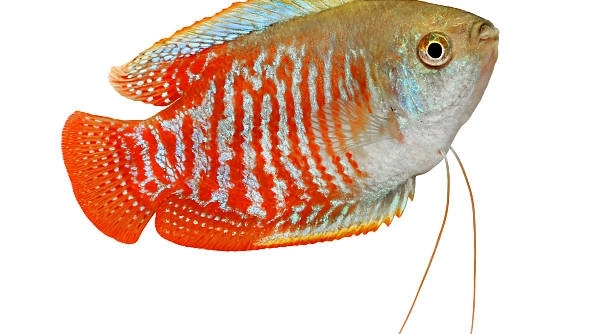
Gouramis are colorful freshwater fish known for their graceful swimming and unique body movements. These subtle actions can tell you a lot about their mood, health, and environment. Observing them carefully helps in better understanding these peaceful pets.
The seven main body movements of gouramis reveal important information about their behavior, including signs of stress, aggression, mating readiness, and social interaction. Recognizing these cues is essential for proper care and maintaining a healthy aquarium environment.
Knowing what these movements mean can improve how you care for your gouramis and enhance your enjoyment of watching them. Understanding their language will help you respond to their needs more effectively.
Understanding Gourami’s Gill Flare
Gouramis often flare their gills, which is a clear sign of communication. When they do this, it usually means they want to appear larger, often to warn others or show dominance. This movement can happen during territorial disputes or when they feel threatened by another fish. It’s important to watch how often and how intensely your gourami flares its gills. Frequent gill flaring may suggest stress or overcrowding in the tank. On the other hand, occasional flares during feeding time or when meeting new tank mates are normal behaviors. Ensuring the aquarium has enough space and hiding spots can help reduce aggressive gill flaring. When you see this behavior, check water quality and tank conditions because poor environments often increase stress signals like gill flaring. Overall, gill flaring is an important visual cue about your gourami’s comfort and interactions with others.
Gill flaring is a defensive or territorial signal that helps gouramis communicate their mood clearly. Recognizing this can improve tank harmony.
By paying attention to gill flare patterns, you can adjust tank conditions or separate aggressive fish if needed. This simple observation helps maintain a calm and balanced aquarium where your gouramis feel secure.
Tail Flicking and Its Meaning
Tail flicking is a quick movement where the gourami flicks its tail sideways. This action is usually a sign of irritation or alertness. Tail flicks can occur if there is an unwelcome tank mate or sudden changes in the environment. Sometimes, it’s a reaction to water currents or reflections in the glass. Frequent tail flicking might indicate discomfort or stress. If you notice this behavior often, check water temperature and cleanliness to ensure everything is suitable. Tail flicking also plays a role during social interaction, especially in courtship, where males may use it to catch the female’s attention. Understanding this movement helps in identifying if your gourami is uneasy or simply engaging with its surroundings. Observing tail flicking alongside other behaviors gives a clearer picture of your fish’s emotional state and overall health.
Fin Spreading
Fin spreading in gouramis is often a sign of confidence and curiosity. When a fish spreads its fins wide, it shows it feels secure or is exploring its environment. This behavior is common during feeding or when greeting other fish.
Fin spreading can also signal dominance, especially among males competing for territory. The display makes the fish appear larger and more intimidating to rivals. If your gourami spreads its fins often without signs of stress, it generally means the fish is comfortable in its surroundings. However, sudden or constant fin spreading paired with other aggressive behaviors may suggest tension in the tank.
Monitoring fin spreading alongside other body movements helps assess social dynamics within your aquarium. This behavior gives insight into how your gouramis are feeling and interacting, helping you maintain a peaceful tank environment.
Head Bobbing
Head bobbing is a movement where the gourami gently nods its head up and down. This often occurs during courtship, signaling readiness to mate or interest in a tank mate. It’s a subtle but important behavior in their reproductive process.
Aside from mating, head bobbing can also mean your gourami is curious about something new in its tank or adjusting to changes. In some cases, it’s a way to communicate attention or mild excitement. If the movement becomes rapid or accompanied by erratic swimming, it might indicate irritation or discomfort that needs attention.
Watching head bobbing in combination with other signs allows you to better understand your gourami’s mood. Recognizing these cues helps you provide a suitable environment that supports both social interaction and wellbeing.
Bubble Nest Building
Bubble nest building is a natural behavior seen mostly in male gouramis. It shows they are preparing for breeding by creating a safe place for their eggs. The nests are made of saliva bubbles at the water surface.
This behavior indicates the fish is healthy and ready to reproduce. It’s a good sign that your gourami feels secure in its environment.
Body Shaking
Body shaking in gouramis usually means the fish is trying to remove irritants or parasites from its skin. It is a quick, repetitive movement that helps keep them clean. If shaking is frequent, checking water quality and health is important.
Slow Swimming
Slow swimming often reflects a relaxed and comfortable gourami. When fish move slowly and smoothly, it shows they are calm and not feeling threatened. It is a positive sign in a well-balanced tank.
FAQ
Why does my gourami flare its gills so often?
Frequent gill flaring usually means your gourami feels threatened or stressed. It may be reacting to overcrowding, aggressive tank mates, or poor water conditions. Ensuring enough space, hiding spots, and clean water often reduces this behavior. Sometimes, gill flaring is normal during feeding or when establishing territory, but constant flaring should be checked.
What does tail flicking tell me about my gourami?
Tail flicking is a quick sign of irritation or alertness. It can happen when your gourami is disturbed by sudden movements, reflections, or aggressive neighbors. Occasional flicking is normal, but if it becomes frequent, review tank conditions to rule out stress or discomfort. Tail flicking also plays a role in social signals during mating or disputes.
Is fin spreading a good sign or a warning?
Fin spreading usually means your gourami feels confident and secure. It helps fish appear bigger during social interactions, which can be friendly or competitive. If paired with chasing or other aggressive behaviors, it might signal dominance or territorial disputes. In a calm tank, fin spreading shows curiosity and well-being.
Why does my gourami build bubble nests?
Bubble nest building is a breeding behavior shown mostly by males. It means your gourami is ready to mate and creating a safe place for eggs. This indicates the fish is healthy and comfortable in its environment. Providing calm water surfaces and stable conditions encourages this natural behavior.
What should I do if my gourami shakes its body often?
Body shaking is often a response to skin irritation or parasites. Frequent shaking means you should check water quality and inspect for possible infections or parasites. Treating the tank and improving conditions helps your gourami feel better and stops this behavior.
Is slow swimming a sign of illness?
Slow swimming usually shows your gourami is relaxed and calm. Healthy gouramis often glide smoothly through the tank when they feel secure. However, if slow movement is accompanied by other signs like loss of appetite or discoloration, it could mean illness and should be checked.
Can gouramis’ body movements indicate stress?
Yes, many body movements reveal stress. Frequent gill flaring, tail flicking, and constant shaking often signal discomfort or poor water conditions. Watching these behaviors helps catch problems early, allowing you to improve your fish’s environment and prevent health issues.
How can I tell if my gourami is aggressive?
Aggressive gouramis often flare their gills, spread fins widely, and chase other fish. These behaviors are used to defend territory or compete for mates. If aggression is causing stress in your tank, consider separating fish or increasing space and hiding places to reduce tension.
What does head bobbing mean in gouramis?
Head bobbing is usually a sign of courtship or curiosity. Males use it to attract females, but it can also show interest in something new. Rapid or constant bobbing alongside other unusual behaviors might indicate irritation or discomfort needing attention.
How important is observing gourami body language?
Observing body language is key to understanding your gourami’s health and mood. These signals help you detect stress, illness, or social problems early. Paying attention to movements like gill flaring, fin spreading, and tail flicking allows you to create a better environment and enjoy happier fish.
Final Thoughts
Gouramis communicate a lot through their body movements. Paying close attention to how they behave can give important clues about their health and mood. Movements like gill flaring, fin spreading, and tail flicking are not random. They serve as signals that help you understand what your fish might be feeling, whether it is stress, comfort, or readiness to breed. By observing these signs, you can create a better environment for your gouramis and meet their needs more effectively.
Understanding gourami behavior also helps prevent problems in your aquarium. When you notice unusual movements or changes in their usual patterns, it could be a sign that something is wrong. For example, frequent gill flaring or constant body shaking might mean poor water quality or illness. Catching these signs early allows you to take action before the situation gets worse. Regularly watching your fish and learning what is normal for them will make it easier to spot when they are not feeling well.
Finally, watching gouramis and recognizing their body language adds to the enjoyment of keeping these fish. It creates a stronger connection between you and your pets because you start to understand their needs and feelings better. This knowledge not only helps keep your aquarium peaceful and healthy but also makes caring for your gouramis more rewarding. Being aware of their subtle movements allows you to provide a safe, comfortable home where they can thrive.

Hello,
If you enjoy the content that we create, please consider saying a "Thank You!" by leaving a tip.
Every little bit helps us continue crafting quality advice that supports the health, happiness, and well-being of pets around the world, for pets of all shapes, sizes, and species.
We really appreciate the kindness and support that you show us!