
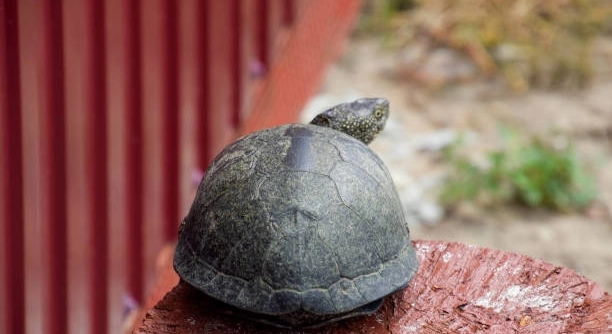
Musk turtles can sometimes show signs of lethargy, making them appear less active than usual. Understanding the causes behind this behavior is essential to ensure their well-being. There are several factors that could contribute to their sluggishness.
One of the most common reasons your musk turtle may be lethargic is improper water temperature. If the water is too cold, it can cause them to become sluggish as they are ectothermic animals that rely on warmth to regulate their activity levels.
There are many factors to consider in order to help your turtle feel more active and healthy again. Keep reading to find out more.
1. Incorrect Water Temperature
Water temperature is one of the most crucial factors in keeping a musk turtle active. When the water is too cold, it affects their metabolism and energy levels. Musk turtles are cold-blooded creatures, meaning their body temperature is regulated by their environment. If the water temperature drops below their preferred range, typically between 75-80°F (24-27°C), they will become lethargic. This can cause them to move slowly, eat less, and even hide more than usual. Over time, prolonged exposure to cold water can lead to serious health issues, such as respiratory infections or digestive problems.
A water heater in the tank can help maintain the right temperature. Make sure it’s set to the correct range for your turtle’s species. If you are unsure, research your turtle’s specific needs or consult an expert.
Proper water temperature is key for maintaining a healthy, active musk turtle. Keeping the water consistently warm will promote their well-being and help prevent lethargy from setting in.
2. Inadequate Lighting
Lighting plays a significant role in your turtle’s health and energy levels. Without proper UVB light, musk turtles may suffer from vitamin D deficiency, which can make them sluggish and inactive. UVB light is crucial for calcium absorption and overall health.
Musk turtles require UVB lighting to process calcium and maintain strong bones and shells. Without this, they may become weak, lethargic, and vulnerable to shell deformities. Ensure your turtle’s enclosure is equipped with a UVB light source and that it is on for 10-12 hours each day to mimic the natural day-night cycle.
3. Poor Diet
A poor diet can lead to lethargy in musk turtles. These creatures need a balanced diet with a variety of nutrients to stay active. If your turtle isn’t getting enough protein, vitamins, and minerals, it could result in low energy levels and sluggish behavior.
Offer your musk turtle a diet that includes a mix of commercial pellets, fresh vegetables, and occasional live prey like worms or small fish. Lack of proper nutrition, especially if you feed them too much of one thing, can cause them to become lethargic. Ensure you are providing food that mimics their natural diet for optimal health.
A healthy diet contributes significantly to their activity and vitality. Over time, a balanced diet will help your turtle maintain energy levels and avoid periods of sluggishness, ensuring they stay lively and strong.
4. Stress
Stress can affect your turtle’s energy levels, causing them to act lethargic. Common stressors include environmental changes, tank mates, or lack of hiding spaces. When turtles feel threatened or uncomfortable, they may retreat and remain inactive for longer periods.
Ensure your turtle has a calm environment with the right tank size, clean water, and sufficient hiding spots. Avoid overcrowding the tank, as it can cause stress and lead to lethargy. If your turtle shares a tank with other species, observe their interactions to ensure there are no signs of aggression or competition for resources.
Maintaining a peaceful environment is crucial to keeping your turtle active and healthy. A stress-free space allows your turtle to feel secure, encouraging them to move around and enjoy a more active lifestyle.
5. Illness
Illness is another common reason for lethargy in musk turtles. If your turtle is feeling under the weather, it may become less active or stop eating. Signs of illness include swelling, discharge, or changes in their shell or skin.
If you notice any unusual symptoms, it’s important to consult a vet. Some common health issues in musk turtles include respiratory infections or parasites, both of which can cause lethargy. A professional will be able to diagnose the problem and provide treatment to get your turtle back to its active self.
Prompt care is crucial for preventing further health complications. Early intervention can help your turtle recover faster and return to its usual energetic behavior.
6. Inadequate Space
Lack of space can contribute to a lethargic behavior in musk turtles. When their tank is too small or doesn’t offer enough room for swimming, they may become inactive. Musk turtles are naturally active swimmers and need space to roam.
Make sure your turtle’s enclosure is large enough for them to move around freely. A cramped space can make them feel confined and stressed, which leads to low activity levels. Proper tank size not only promotes physical health but also helps with mental well-being, reducing the chances of lethargy.
A spacious tank allows your turtle to express its natural behaviors, helping to keep it healthy and engaged.
FAQ
What are the signs that my musk turtle is sick?
If your musk turtle is sick, you may notice a few changes in its behavior or appearance. Common signs include swollen eyes, labored breathing, lack of appetite, and noticeable changes in the shell, such as discoloration or soft spots. If the turtle is unusually inactive, it may be struggling with a health issue. Any of these symptoms should prompt you to consult a veterinarian specializing in reptiles. Early intervention can prevent serious complications and help your turtle recover more quickly.
How do I know if my turtle’s water is too cold?
Musk turtles are sensitive to water temperature. If the water is too cold, they will likely become lethargic and slow. Their activity levels will drop, and they might not eat or bask as much. The ideal water temperature for a musk turtle should be between 75-80°F (24-27°C). A water thermometer can help you keep track of the temperature, and a reliable aquarium heater can maintain the proper conditions. If the water is consistently cold, your turtle will struggle to stay active and healthy.
Can stress affect my turtle’s energy levels?
Yes, stress is a common cause of lethargy in musk turtles. Stress can be triggered by several factors, including overcrowded tanks, aggressive tank mates, or changes in the environment. A stressed turtle may retreat to its hiding spot more often, eat less, or become less active. To reduce stress, provide a calm environment with ample space, clean water, and hiding spots. Avoid moving the tank frequently or introducing new animals without proper introductions. A stress-free space is essential for keeping your turtle healthy and energetic.
How often should I feed my musk turtle?
Feeding frequency depends on the age and size of your musk turtle. Juveniles should be fed daily, while adults can typically be fed every other day. Musk turtles are omnivores, so their diet should include a variety of protein (like worms or small fish) and plant matter (like leafy greens and aquatic plants). Overfeeding or feeding too much of one type of food can lead to health problems like obesity or lethargy. Monitor your turtle’s diet and adjust accordingly to ensure it gets the right balance of nutrients.
Why is my turtle not eating?
Loss of appetite in musk turtles is often a sign of stress, illness, or improper conditions. If your turtle is not eating, check the water temperature and quality to make sure they are within the ideal range. Also, assess whether the turtle is feeling stressed or threatened by other tank mates. If there are no environmental issues and the turtle continues to refuse food, it may be a sign of an underlying health problem. In such cases, a visit to a veterinarian is recommended for a proper diagnosis.
What can I do to keep my turtle’s tank clean?
Maintaining a clean tank is essential for your turtle’s health and energy levels. To keep the tank clean, perform regular water changes, ideally every week or two, depending on the size of the tank. Use a high-quality filtration system to remove waste and debris. Avoid overfeeding, as uneaten food can cause water contamination. You should also scrub the tank’s surfaces, decorations, and any areas where algae might grow. A clean tank helps prevent bacterial infections and keeps your turtle active and healthy.
Can poor lighting make my turtle lethargic?
Yes, inadequate lighting can cause lethargy in musk turtles. UVB light is essential for their health, as it helps them absorb calcium and maintain proper metabolism. Without UVB light, they may become weak, lethargic, or even develop shell deformities. Make sure to provide a proper UVB light source and ensure it is on for 10-12 hours per day. A basking light should also be used to provide warmth, helping your turtle regulate its body temperature and stay active.
How can I prevent my turtle from getting sick?
Preventing illness in your musk turtle involves keeping its environment clean, maintaining proper water conditions, providing a balanced diet, and reducing stress. Regularly check the water temperature and make sure it stays within the ideal range. Provide UVB lighting to support calcium absorption, and ensure your turtle has space to move freely. A varied and nutritious diet will keep your turtle strong, while avoiding overcrowding and stress can help maintain its energy levels. Regular vet check-ups are also important to catch any potential health issues early.
Final Thoughts
Understanding why your musk turtle may be lethargic is key to providing proper care. There are various reasons your turtle could be showing less energy, including poor diet, stress, illness, or even inadequate space. Identifying the root cause is essential for making the necessary adjustments to improve your turtle’s health and activity. Ensuring that your turtle has a balanced diet, a suitable environment, and proper care will help keep it lively and active.
It’s important to remember that musk turtles, like all reptiles, are sensitive to changes in their environment. If the tank is too small, the water is too cold, or the water quality is poor, your turtle might start to act sluggish. Providing the right conditions for your turtle to thrive is essential. This includes making sure they have clean water, proper lighting, and a safe, stress-free space. Taking these steps can prevent issues and promote better health.
By paying close attention to your turtle’s behavior and making the necessary changes, you can help it live a longer, healthier life. Regular monitoring, proper feeding, and creating an ideal habitat are the most important factors in preventing lethargy and other health issues. If you’re ever unsure about your turtle’s condition, it’s always a good idea to consult a veterinarian who specializes in reptiles. A little effort can make a big difference in keeping your musk turtle active and happy.

Hello,
If you enjoy the content that we create, please consider saying a "Thank You!" by leaving a tip.
Every little bit helps us continue crafting quality advice that supports the health, happiness, and well-being of pets around the world, for pets of all shapes, sizes, and species.
We really appreciate the kindness and support that you show us!