
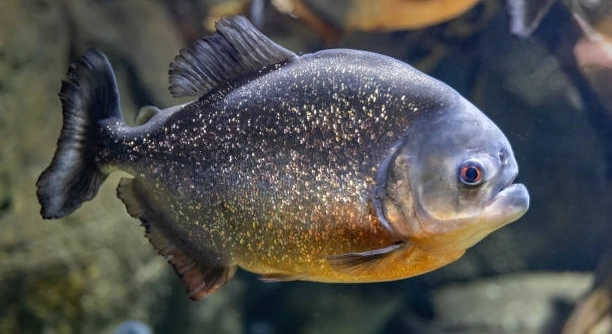
Keeping a piranha tank clean and comfortable is important for the fish’s health. Choosing the right substrate can make a big difference in how well your tank functions. Many hobbyists wonder if sand or gravel is better for their piranhas.
Sand is often preferred because it mimics the piranhas’ natural riverbed environment, reduces the risk of trapped debris, and is less likely to cause injury. Gravel, while easier to clean, can trap waste and may not be as safe for the fish.
Deciding on the right substrate affects both the tank’s look and your piranhas’ wellbeing, so it’s worth exploring the details carefully.
Why Sand Feels Natural for Piranhas
Sand closely resembles the natural riverbeds where piranhas live. Its fine texture lets piranhas dig and forage easily without harming their delicate mouths. Sand also settles quickly when disturbed, keeping the water clearer than gravel often does. This helps reduce stress for the fish and makes cleaning easier. Additionally, sand prevents leftover food and waste from getting stuck deep between particles, which lowers the chance of harmful bacteria growing. However, sand needs regular stirring or vacuuming to avoid compacting and oxygen loss in the substrate. It also can be harder to clean at first compared to gravel because debris is not as visible on sand. Overall, sand provides a gentle and safe environment for piranhas, encouraging natural behaviors and promoting better tank health.
Sand tanks require frequent monitoring to keep them healthy and prevent anaerobic spots.
Maintaining sand in your piranha tank means balancing cleanliness with creating a natural setting. Regular light stirring prevents compacting and helps oxygen reach beneficial bacteria. Using a gentle siphon during water changes removes waste without disturbing the sand too much. Avoid overfeeding to reduce leftover food buildup. Sand also allows live plants to root well, adding to the tank’s stability and oxygen levels. While sand can be more work upfront, its benefits for piranha behavior and tank clarity often outweigh the extra effort. Proper care keeps the tank environment stable and supports your fish’s wellbeing over time.
Gravel as a Practical Option
Gravel is easier to clean and doesn’t compact like sand.
Gravel offers simplicity in maintenance, especially for new tank keepers. Its larger particles allow water to flow freely through the substrate, which reduces the risk of dead zones where bacteria might grow without oxygen. Gravel makes it easier to spot leftover food and waste, so cleaning can be more straightforward. However, gravel can trap debris between particles, requiring more frequent deep cleaning to prevent buildup. The rough texture might not suit all piranha species, as some prefer softer substrates. Gravel also tends to be less natural for piranhas but can be a good choice when paired with frequent maintenance and strong filtration. Choosing gravel often depends on your willingness to commit to regular tank care and your fish’s comfort.
Cleaning and Maintenance Differences
Sand requires gentle cleaning to avoid disturbing the substrate too much. A siphon with low suction works best for removing debris on the surface. Stirring the sand occasionally prevents compaction and helps oxygen reach beneficial bacteria. Overfeeding should be avoided to keep waste buildup minimal.
Regular maintenance with sand involves careful vacuuming that doesn’t suck up the sand itself. It’s important to clean regularly because compacted sand can lead to poor water quality. A well-maintained sand substrate supports healthy bacteria growth, which breaks down waste naturally. While cleaning sand takes more patience, it helps create a stable environment where your piranhas can thrive without stress or injury.
Unlike gravel, sand can hide debris beneath the surface, so it’s crucial to monitor water quality closely. Using a gentle approach during cleaning maintains the sand’s texture and prevents harm to the fish. Overall, sand maintenance demands more attention but rewards with a natural, healthy habitat.
Aesthetic and Tank Setup Considerations
Gravel comes in many colors and sizes, making it easier to match your tank’s look. It also supports plant roots well and doesn’t cloud the water as much during cleaning. Gravel is often better suited for tanks where a clear, decorative look is desired.
When setting up a piranha tank, gravel can help create visual contrast with the fish and decorations. It’s less likely to cause water clarity issues during initial cleaning, which helps maintain a pleasant appearance. Gravel’s porous surface provides space for beneficial bacteria, supporting biological filtration. It also allows easier rearranging of decorations without worrying about compacting substrate. While gravel might not feel as natural as sand to the fish, its versatility and appearance make it a practical choice for many tank owners.
Impact on Water Quality
Sand tends to keep water clearer because it traps less debris deep within. It allows waste to be easily removed from the surface. This helps reduce harmful bacteria growth that can affect piranha health.
Gravel can trap more food and waste between its particles, which may cause water quality issues if not cleaned often. Proper filtration and regular cleaning are essential when using gravel to maintain a healthy tank environment.
Cost and Availability
Sand and gravel are both widely available at pet stores and online. Sand is usually slightly more expensive, but the price difference is small.
Choosing between them often comes down to personal preference and how much time you want to spend on maintenance. Both substrates can work well with proper care.
Final Substrate Choice
Selecting the right substrate depends on balancing natural habitat needs with practical tank management.
Benefits of Mixing Substrates
Using a mix of sand and gravel can provide the benefits of both. It allows piranhas to enjoy natural textures while making cleaning easier.
FAQ
Is sand better for piranhas than gravel?
Sand is often considered better because it mimics the natural riverbed of piranhas. It allows them to dig and forage without injuring their mouths. Sand also prevents waste from getting trapped deep below the surface, reducing harmful bacteria buildup. However, sand requires more careful maintenance to avoid compacting and oxygen loss in the substrate.
Can piranhas live happily in a gravel tank?
Yes, piranhas can live well in gravel if the tank is properly maintained. Gravel allows for easier cleaning and better water flow through the substrate, which supports beneficial bacteria. But gravel may trap more debris, so regular vacuuming and strong filtration are necessary to keep the environment healthy.
How often should I clean sand in a piranha tank?
Cleaning sand requires gentle, regular care. It’s best to siphon the surface lightly once a week, stirring the sand occasionally to prevent compaction. Avoid deep vacuuming, which can disturb beneficial bacteria. Overfeeding should be avoided to minimize waste buildup.
Is gravel easier to maintain than sand?
Gravel generally is easier to clean because debris stays visible on the surface or between particles, making vacuuming straightforward. It doesn’t compact like sand, so there’s less risk of oxygen depletion in the substrate. However, gravel still needs regular cleaning to prevent buildup that can harm fish health.
Will sand make my tank cloudy?
Initially, sand may cause some cloudiness during setup or cleaning because fine particles become suspended in water. This usually clears quickly with good filtration and gentle water changes. After settling, sand typically helps keep water clearer than gravel by preventing trapped waste.
Can I mix sand and gravel in the same tank?
Yes, mixing sand and gravel can combine the benefits of both substrates. The sand offers a natural feel and safe foraging area, while the gravel improves water flow and ease of cleaning. Just be mindful to maintain both carefully and monitor water quality regularly.
Does the substrate affect piranha behavior?
Substrate choice can influence behavior. Sand encourages natural digging and foraging, which reduces boredom and stress. Gravel may limit these activities but can still support healthy behaviors if the environment includes plenty of hiding spots and stimulation.
Are live plants better with sand or gravel?
Live plants generally root better in sand because its fine texture holds roots securely. Gravel can also support plants but may require heavier pots or decorations to keep them stable. Plants improve water quality by absorbing nitrates and providing shelter for piranhas.
What’s the best way to set up sand in a piranha tank?
Rinse sand thoroughly before adding it to remove dust. Spread it in a layer about one to two inches deep. Add water slowly to prevent stirring up the substrate. Use gentle filtration and start feeding sparingly until the tank cycles and beneficial bacteria establish.
Can sand cause health issues for piranhas?
Sand is generally safe but if it compacts and creates anaerobic zones, harmful gases can build up and hurt fish health. Regular stirring and proper cleaning prevent this. Also, sharp or coarse sand should be avoided to protect delicate mouths.
How does gravel impact tank filtration?
Gravel allows water to flow more freely through its particles, providing more surface area for beneficial bacteria that break down waste. This supports the biological filtration system, helping keep water clean and balanced.
Is one substrate better for breeding piranhas?
Sand may be better for breeding because it mimics natural riverbeds where piranhas lay eggs. Its fine texture allows eggs to stay safe and undisturbed. Gravel can be used but may require extra care to protect eggs from slipping between particles.
Can I switch substrates after setting up the tank?
Changing substrates is possible but stressful for fish and can cause water cloudiness. It’s best done carefully, with gradual removal of the old substrate and gentle rinsing of the new one. Planning ahead reduces the need for switching later.
What type of sand is best for piranhas?
Choose smooth, fine, aquarium-safe sand without sharp edges or harmful chemicals. Avoid construction or play sand, which may contain unsafe materials. Pool filter sand or specially sold aquarium sand are good options.
How deep should the substrate layer be?
A depth of one to two inches is usually enough for piranhas to dig and for plants to root. Too deep may cause compaction and poor water flow; too shallow limits natural behaviors and plant growth.
Does substrate color matter?
Color is mostly a matter of preference, but darker substrates often make piranhas’ colors stand out more. Some fish feel more secure over natural tones like brown or tan, which mimic riverbeds.
Can substrate affect water pH?
Certain substrates, like crushed coral or limestone gravel, can raise pH and hardness, which may not be ideal for piranhas. Sand and inert gravel usually do not alter water chemistry, making them safer choices.
What tools help with substrate cleaning?
A gentle siphon vacuum designed for aquarium use is best. Look for models with adjustable suction to avoid disturbing sand. Gravel vacuums work well for gravel but should be used carefully to avoid removing too much substrate.
Choosing the right substrate for your piranha tank is an important decision that affects the health and comfort of your fish. Both sand and gravel have their advantages and drawbacks. Sand offers a more natural environment and allows piranhas to display their natural digging behavior. It helps keep water clearer by not trapping debris deep below the surface. However, sand requires gentle and regular maintenance to prevent compaction and to keep beneficial bacteria healthy. On the other hand, gravel is easier to clean and supports good water flow through the substrate. It is less likely to compact and can make tank cleaning more straightforward. However, gravel can trap waste between particles and may require more frequent cleaning to maintain good water quality.
Maintenance is a key factor when deciding between sand and gravel. Sand needs careful siphoning and occasional stirring to avoid compacting, which can cause oxygen loss and harmful gases. This means spending more time gently cleaning the tank to keep the environment stable. Gravel tends to be simpler to maintain because debris is easier to spot and remove, and it does not compact like sand. However, gravel still needs frequent cleaning, or waste buildup can affect your piranhas’ health. Both substrates work well if you stay consistent with your tank cleaning and monitoring water quality. Your choice may come down to how much time and effort you want to dedicate to upkeep.
At the end of the day, both sand and gravel can support a healthy piranha tank when properly cared for. Sand offers a more natural feel and encourages natural behaviors but requires more attention during cleaning. Gravel provides easier maintenance and good filtration support but needs regular vacuuming to avoid waste buildup. Some tank keepers even choose to mix sand and gravel to get the benefits of both. Ultimately, your decision should match your preferences, maintenance habits, and your piranhas’ needs. With the right care, either substrate can help create a comfortable and healthy home for your fish.

Hello,
If you enjoy the content that we create, please consider saying a "Thank You!" by leaving a tip.
Every little bit helps us continue crafting quality advice that supports the health, happiness, and well-being of pets around the world, for pets of all shapes, sizes, and species.
We really appreciate the kindness and support that you show us!