
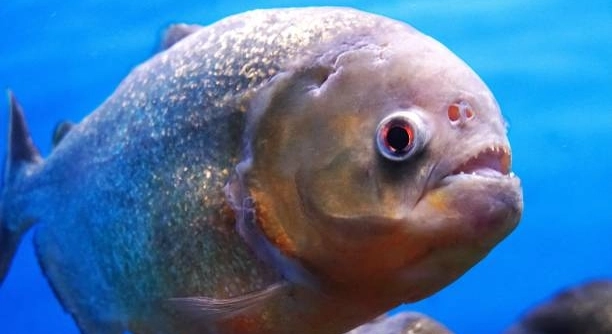
Piranhas are known for their sharp teeth and strong appetites. They usually follow a regular eating schedule to stay healthy and active. However, certain things can interfere with their feeding habits in unexpected ways.
Several factors disrupt a piranha’s eating schedule, including water temperature changes, stress from tank mates, inconsistent feeding times, poor water quality, illness, lack of proper diet, and environmental disturbances. Each of these elements impacts their hunger and feeding behavior differently.
Understanding these disruptions helps in maintaining a stable environment for piranhas. This knowledge ensures they stay healthy and continue to thrive in captivity or the wild.
Changes in Water Temperature
Piranhas are sensitive to shifts in water temperature. When the water becomes too cold or too warm, their metabolism slows down or speeds up, which affects how often they feel hungry. Sudden temperature changes can stress them, making them less likely to eat. This is common when the tank’s heater malfunctions or when the water is changed too quickly. Maintaining a stable temperature between 74°F and 82°F is essential for their eating habits. If temperatures are off, piranhas may refuse food or eat less frequently. Keeping the tank in a consistent environment helps prevent these disruptions and keeps their appetite steady. Proper monitoring and gradual temperature adjustments are key to avoiding stress and ensuring they maintain a healthy eating schedule.
Stable water temperature supports regular feeding times. Temperature swings cause discomfort and disrupt their natural rhythm.
Piranhas rely on consistent water temperature for normal bodily functions. Large temperature swings trigger stress responses that affect digestion and hunger signals. Keeping the tank warm enough without sudden changes allows piranhas to maintain their energy levels and appetite. Frequent temperature checks and slow adjustments during water changes are necessary. When water is too cold, piranhas slow down and eat less, risking malnutrition. Too warm, and their metabolism speeds up, which can cause exhaustion if not fed accordingly. A steady environment means piranhas feel secure and hungry at regular times, avoiding unexpected feeding disruptions.
Stress from Tank Mates
Stress caused by other fish in the tank can interfere with a piranha’s appetite. Aggressive or overly active tank mates make piranhas feel unsafe, leading them to hide instead of eat. They may compete for food or be bullied, causing a drop in their feeding frequency.
Stress reduces feeding behavior noticeably.
A calm tank environment is important to keep piranhas eating well. Piranhas are territorial and prefer to have enough space without too many other fish crowding them. When placed with incompatible species, they may feel threatened and stop eating altogether. Quiet, stable companions or solitary housing often help them eat on schedule. Observing their behavior around other fish can indicate whether stress is affecting their appetite. Reducing overcrowding, removing aggressive tank mates, or providing hiding spots are practical ways to reduce stress and encourage regular feeding. Stress can weaken their immune system, making a proper eating schedule even more critical to their health.
Inconsistent Feeding Times
Feeding piranhas at irregular times can confuse their internal hunger signals. They may start eating less or refuse food altogether. Routine helps them expect meals and keeps their appetite steady.
Piranhas develop a rhythm when fed consistently. Skipping meals or changing feeding hours often disrupts this rhythm. They rely on predictable schedules to maintain energy and digestion. Without this, their metabolism can slow, causing irregular feeding behavior and even health problems. Consistent timing also reduces stress, as they feel secure knowing when food will come. Inconsistent feeding can lead to overeating when food appears suddenly or underfeeding when meals are delayed. Keeping to a fixed feeding schedule helps piranhas stay healthy and active.
Establishing a regular feeding routine is key for piranhas. It prevents stress-related appetite loss and promotes steady growth. Feeding them once or twice a day at the same time reinforces their natural eating pattern.
Poor Water Quality
Dirty or polluted water negatively impacts piranhas’ willingness to eat. High ammonia, nitrites, or nitrates levels cause discomfort and health issues, which reduce their appetite. Clean water is critical for their wellbeing.
Maintaining good water quality involves regular tank cleaning and water changes. Testing water parameters ensures levels remain safe for piranhas. Poor water conditions cause stress and weaken immune systems, leading to a lack of interest in food. Contaminants can irritate gills and skin, making feeding difficult or painful. Even slight changes in water quality may cause noticeable drops in eating. Piranhas in clean, well-maintained tanks show more consistent and healthy feeding behaviors. Taking time to monitor and improve water conditions will prevent feeding disruptions and support long-term health.
Illness and Injury
When piranhas are sick or injured, their appetite often decreases. They focus on healing rather than eating. Observing behavior changes can help spot health problems early.
Common illnesses include bacterial infections and parasites. Injuries from fights or sharp objects also reduce feeding. Prompt treatment is necessary to restore appetite and prevent worsening conditions.
Lack of Proper Diet
Feeding piranhas the wrong types of food can disrupt their eating habits. They need a balanced diet with protein-rich items to stay healthy and interested in meals.
A diet lacking variety or nutrition leads to boredom or malnutrition. Piranhas thrive on fresh fish, insects, and occasional plant matter. Feeding only pellets or low-quality food causes them to eat less or reject meals. Variety helps stimulate appetite and provides essential nutrients. Rotating food types and offering live or frozen options keeps them engaged and nourished. Proper diet management supports regular eating schedules and overall well-being.
Environmental Disturbances
Sudden loud noises or frequent changes in lighting can stress piranhas, causing them to skip meals. A calm, stable environment helps keep their feeding routine steady.
How often should I feed my piranha?
Feeding frequency depends on the piranha’s age and size. Young piranhas usually need to eat once or twice a day to support growth, while adult piranhas can be fed every other day or three times a week. Overfeeding can cause health problems, so it’s important to give only what they can finish in a few minutes. Watching their behavior after feeding helps adjust portions. A consistent feeding schedule is more important than feeding too often.
What foods are best for piranhas?
Piranhas are carnivorous and prefer protein-rich diets. Their ideal food includes small fish, shrimp, insects, and bloodworms. You can also offer frozen or live food to keep them interested. Avoid feeding only pellets or flakes, as these don’t provide enough nutrients. Occasionally, adding fresh vegetables can support their health, but protein should remain the main part of their diet. Variety is key to maintaining appetite and nutrition.
Can stress really stop piranhas from eating?
Yes, stress is a major factor in appetite loss. Stressful conditions like overcrowded tanks, aggressive tank mates, or sudden environmental changes make piranhas feel unsafe. This fear leads to hiding or refusing food. Providing plenty of hiding spots, avoiding aggressive fish, and keeping tank conditions stable helps reduce stress. Calm, quiet environments encourage piranhas to eat regularly.
What signs indicate my piranha is sick?
Common signs include lethargy, loss of appetite, abnormal swimming, faded color, or visible wounds. You might also notice bloating or rapid gill movement. Sick piranhas often isolate themselves and stop responding to food. Early detection and treatment are critical to prevent illness from worsening. Regular observation helps catch these signs quickly.
How do water conditions affect piranha feeding?
Poor water quality can make piranhas uncomfortable and unhealthy, leading to reduced appetite. High levels of ammonia, nitrites, or nitrates are toxic and stress the fish. Clean, well-filtered water with proper pH and temperature keeps them active and willing to eat. Regular water testing and maintenance prevent feeding issues related to water problems.
What should I do if my piranha stops eating suddenly?
First, check water quality and temperature to ensure the environment is stable. Look for signs of illness or injury. Consider tank mates that might be causing stress. Evaluate feeding routines and food types to ensure proper diet and schedule. If the issue persists, consult a vet experienced with fish. Sometimes a short fasting period followed by a change in food can help reset their appetite.
Is it normal for piranhas to eat less during certain times?
Yes, piranhas can naturally eat less during colder periods or when adjusting to new environments. Their metabolism slows down in cooler water, reducing hunger. Stress from changes like tank moves or new tank mates can also temporarily lower appetite. These phases are usually short, but monitoring is important to make sure they don’t refuse food for too long.
Can lighting affect my piranha’s eating habits?
Lighting influences their behavior and comfort. Too much bright light or frequent changes can stress piranhas, making them less likely to eat. Dim or moderate lighting with regular day-night cycles helps them feel secure. Providing shaded areas or plants gives them places to hide from harsh light, supporting better feeding behavior.
How important is tank size for a piranha’s feeding schedule?
Tank size plays a role in how comfortable piranhas feel. Crowded or small tanks increase stress, which can cause eating disruptions. Piranhas need space to swim and establish territory. A larger tank reduces aggression and competition for food. Ensuring enough room supports calmer behavior and a more consistent feeding schedule.
Can I feed piranhas human food?
Feeding human food is generally not recommended. Many foods can upset their digestion or lack necessary nutrients. Some safe options include small pieces of fish or seafood without seasoning. Avoid processed or fatty foods. Sticking to a proper diet designed for carnivorous fish ensures they get what they need to stay healthy and maintain a regular eating routine.
Piranhas have specific needs when it comes to their eating schedule, and several factors can disrupt their feeding habits. Keeping their environment stable is key to helping them eat regularly. Changes in water temperature, poor water quality, and stress from other fish or loud surroundings can make them less interested in food. It is important to provide a clean tank with steady temperatures and calm conditions. This helps piranhas feel safe and comfortable, which encourages healthy feeding behavior. Paying attention to these details can prevent many common problems that affect their appetite.
Feeding piranhas on a regular schedule with the right types of food is just as important. They do best with protein-rich diets that include small fish, insects, or specially prepared foods designed for carnivorous fish. Avoid feeding them too often or giving food that lacks nutrients, as this can cause health issues or make them eat less. Watching their behavior after feeding will give clues about whether they are getting enough food or if their routine needs adjusting. Making small changes to their diet and feeding times can improve their overall well-being and help maintain a steady eating pattern.
Finally, it is important to observe piranhas closely for any signs of illness or injury that might affect their appetite. When piranhas are sick, they often stop eating and become less active. Prompt attention to health issues and maintaining good tank conditions can help prevent long-term problems. If a piranha suddenly stops eating, checking water quality, tank mates, and feeding habits is necessary. Taking good care of the environment and their diet ensures piranhas stay healthy and keep a consistent eating schedule. This makes caring for them easier and helps them thrive.

Hello,
If you enjoy the content that we create, please consider saying a "Thank You!" by leaving a tip.
Every little bit helps us continue crafting quality advice that supports the health, happiness, and well-being of pets around the world, for pets of all shapes, sizes, and species.
We really appreciate the kindness and support that you show us!