
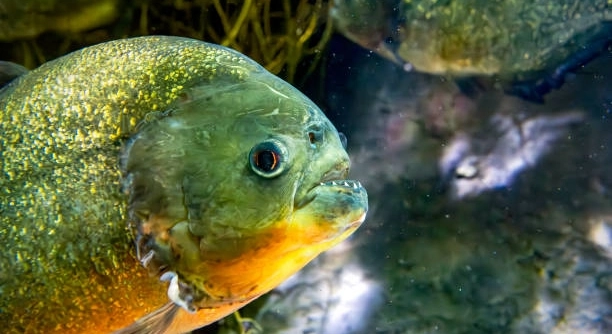
Have you ever set up a piranha tank and found yourself wondering if adding a filter is really necessary?
Using a filter in a piranha tank is essential for maintaining water quality, controlling ammonia levels, and supporting overall fish health. Without proper filtration, waste builds up quickly, leading to stress and potential illness for the piranhas.
Learning how filters support the tank’s ecosystem can help you make informed choices and keep your piranhas healthy and active.
Why Filtration Matters in a Piranha Tank
Keeping the water clean is one of the most important parts of having a piranha tank. Piranhas eat a lot and produce waste quickly, which can make the water dirty fast. A filter helps remove leftover food, fish waste, and harmful chemicals that build up over time. Clean water keeps your piranhas less stressed and less likely to get sick. A good filter also keeps the tank looking clear, which makes it easier to enjoy watching your fish. You don’t need anything fancy, but you do need something reliable. Even a simple filter can make a big difference in how healthy and active your piranhas stay. Without it, you’d be cleaning the tank constantly and still not keeping up. It’s not just about looks—it’s about giving your fish a stable and safe environment they can live in. Skipping the filter can lead to more problems than it’s worth.
Filters help balance ammonia, nitrite, and nitrate levels.
Without a filter, waste builds up fast, making the water dangerous. Piranhas won’t eat well or act normally if the water quality drops. Filtration removes debris and supports helpful bacteria that break down toxins. This creates a safer space for your fish.
Choosing the Right Filter Type
Piranhas need strong filtration due to their size and messiness. A simple sponge filter won’t cut it. Look for canister or hang-on-back filters with high flow rates that suit the size of your tank. These filter types can handle solid waste and support good bacteria. Choose one that is quiet but strong enough to move water through the whole tank. Make sure to clean it regularly to keep it working right. Don’t forget to check the instructions for how often to change or rinse parts of the filter. Dirty filters can stop working and harm your piranhas.
A canister filter is often the best choice for larger tanks. It sits outside the tank and connects with hoses, making it easier to clean without disturbing the fish. It usually includes multiple types of media—mechanical, biological, and chemical—which help tackle waste and support good water conditions. These filters also let you customize what goes inside, which is useful if your piranhas have specific needs. Some models even have built-in UV sterilizers that fight algae and harmful bacteria. If your tank is smaller, a strong hang-on-back filter might be enough, especially if it has a bio-wheel or sponge to support bacteria growth. Whatever you choose, match it to your tank’s size and the number of fish. Your filter should cycle all the water in the tank at least four to six times per hour.
Cleaning and Maintenance Tips
Filters don’t clean themselves, and leaving them dirty can lead to more harm than good. A clogged filter won’t move water properly, and bacteria may start to die off, affecting the tank’s balance.
Clean your filter about once every two to four weeks, depending on how many piranhas you have and how messy they are. Rinse mechanical parts like sponges or foam in old tank water, not tap water, to keep the helpful bacteria alive. Replace chemical media like carbon every month if you use it. Biological media should not be replaced unless it’s falling apart. When cleaning, unplug everything and avoid over-scrubbing parts. Too much cleaning can remove the good bacteria your tank needs. You don’t need to clean everything at once—just a section at a time helps keep things stable and running well.
Staying on top of filter care also means checking for wear and tear. Look at the impeller, tubing, and seals for any signs of damage. A weak or noisy filter may mean it’s time for a part replacement or a full upgrade. Don’t wait until the water smells bad or turns cloudy. Having a regular routine helps your fish stay healthy and active. Set reminders if needed, and always keep backup parts on hand just in case.
Common Mistakes to Avoid
Many people forget to match the filter size to their tank. A weak filter might not clean the water enough, especially with piranhas. It’s better to go slightly bigger than too small when choosing a filter.
Another mistake is changing all the filter media at once. This can remove the helpful bacteria that keep ammonia and nitrite levels safe. Doing this could lead to a sudden spike in toxins, putting your fish at risk. When replacing parts, do it gradually. Clean sponges and biological media using tank water, not tap water, which kills the bacteria. Also, don’t turn off your filter for long periods—bacteria start to die without oxygen. Avoid overfeeding your piranhas since leftover food quickly dirties the water and strains the filter. Lastly, skipping maintenance or using the wrong media can make the filter less effective. A few small habits can make a big difference.
Signs Your Filter Isn’t Working Well
If the water looks cloudy or smells bad, your filter may not be doing its job. You might also notice your piranhas acting stressed, staying still, or refusing food. These are signs that the water quality has dropped.
Check for weak water flow or noise coming from the filter. A clogged impeller or dirty media can slow things down. If debris is floating around or building up on the tank floor, the filter might need cleaning or replacing. Always inspect the filter right away when you notice these changes.
What to Do During Power Outages
Power outages can stop the filter and cause problems fast. Without water movement, bacteria start dying within hours, and toxins may rise. As soon as the power goes out, stop feeding your piranhas to reduce waste. Keep the filter media wet using tank water if the outage lasts too long. If safe, stir the water gently every few hours to keep oxygen levels up. Once power returns, check the filter before turning it back on. Clean it if needed and monitor your piranhas closely for signs of stress or sickness.
Backup Options for Safety
Battery-operated air pumps and sponge filters can help during short outages. Keep one on hand just in case.
FAQ
Do piranhas really need a filter in their tank?
Yes, piranhas produce a lot of waste, and their tanks can get dirty quickly. A filter helps remove harmful chemicals like ammonia and nitrites that build up from fish waste and leftover food. Without a filter, water quality drops fast, which can stress or even harm your piranhas. Filters also support beneficial bacteria that break down toxins naturally. Keeping the water clean with a filter helps your piranhas stay healthy and active. While you can do frequent water changes without a filter, it’s much harder to keep stable water conditions that way. For any piranha tank, a reliable filter is highly recommended.
What type of filter works best for piranha tanks?
Strong filters like canister filters or hang-on-back (HOB) filters work best for piranhas. These filters have enough power to move water through all the media types needed to clean well. Canister filters are great because they sit outside the tank and can hold mechanical, biological, and chemical filter media. Hang-on-back filters with bio-wheels or sponge inserts also support bacteria growth, which is key for water health. Sponge filters alone are usually not enough for piranhas because these fish create a lot of waste. Always pick a filter rated for your tank size and with a flow rate that cycles the water 4-6 times per hour.
How often should I clean the filter?
Typically, cleaning the filter every 2 to 4 weeks works well, but this depends on how many piranhas you have and how much waste they produce. When cleaning, use water from the tank to rinse mechanical parts like sponges and foam. Avoid tap water because chlorine kills helpful bacteria. Replace chemical media like activated carbon about once a month if used. Biological media should not be cleaned too much or replaced unless it’s breaking down. Regular cleaning keeps the filter working properly without removing the good bacteria that keep your tank balanced.
Can I turn off the filter at night or when I’m not home?
It’s best to keep the filter running continuously. The beneficial bacteria in your filter need oxygen, which comes from water flow. Turning off the filter for long periods can kill these bacteria, causing toxins to build up quickly when the filter is turned back on. If you turn off the filter for a short time, make sure to monitor your piranhas closely for signs of stress. Continuous filtration helps maintain a healthy environment and reduces the risk of sudden water quality issues.
What should I do if my filter breaks?
If your filter breaks, try to fix it quickly or replace it with a backup. In the meantime, perform partial water changes often to keep the water clean. Use battery-operated air pumps or sponge filters as temporary solutions to provide oxygen and some water movement. Avoid feeding your piranhas too much during this time to reduce waste buildup. Once you have a working filter again, check water parameters like ammonia and nitrites to make sure conditions are safe. Fast action helps prevent stress and illness in your fish.
Is it okay to use a filter with a heater in a piranha tank?
Yes, using both a filter and heater together is important. Piranhas need warm, stable water, usually between 75-80°F (24-27°C). The filter helps clean the water, while the heater keeps the temperature steady. Filters with adjustable flow are best because strong currents can stress piranhas. Position the heater near the filter’s output to help circulate warm water evenly. This combination supports healthy water quality and temperature, which are both essential for piranha health.
Can over-filtering harm piranhas?
Too strong a filter flow can stress piranhas, making them swim hard against currents or hide more. However, under-filtering causes worse problems with water quality. Choose a filter with adjustable flow or add decorations to break the current if needed. A filter cycling water 4-6 times per hour is ideal for most tanks. Balancing good filtration with gentle water movement keeps your piranhas comfortable and healthy.
How do I know when to replace filter media?
Mechanical media like sponges or foam should be cleaned regularly and replaced when they start to break down or lose shape. Chemical media like activated carbon typically lasts about 3-4 weeks before losing effectiveness. Biological media lasts longest but should be replaced only if it’s crumbling or falling apart. Never replace all media at once; do it gradually to keep beneficial bacteria alive. Following the manufacturer’s guidelines helps maintain filter performance.
Can filters remove piranha waste completely?
Filters help remove a lot of waste but can’t do it all. Regular water changes are still necessary to keep the tank clean. Filters capture solid waste and support bacteria that break down harmful chemicals, but leftover food and fish waste can build up over time. Cleaning the tank and changing some water weekly or biweekly helps keep everything balanced. Using a filter reduces how often you need to do big water changes, making tank care easier overall.
What are signs of poor filtration I should watch for?
Cloudy or smelly water, fish acting stressed or hiding, and visible waste or debris in the tank are common signs. Also, weak water flow or noisy filters can indicate clogging or parts wearing out. If ammonia or nitrite levels spike, it means your filter isn’t handling the waste well. Test your water regularly and clean or replace filter parts when needed. Prompt attention helps avoid health problems for your piranhas.
Using a filter in a piranha tank is one of the most important steps to keep the water clean and safe for your fish. Piranhas produce a lot of waste, and without a filter, harmful chemicals like ammonia and nitrites build up quickly. These chemicals can make your piranhas stressed, sick, or even cause death if left untreated. A filter helps remove waste and supports good bacteria that break down these toxins naturally. This makes the tank environment healthier and more stable for your piranhas to live in. It also means you don’t have to do big water changes as often, which can be stressful for both you and the fish.
Choosing the right filter depends on the size of your tank and how many piranhas you keep. Larger tanks and more fish need stronger filters like canister or hang-on-back filters that can handle the volume of waste. These filters are also easier to maintain and clean compared to smaller or weaker filters. Cleaning your filter regularly and using the right filter media are just as important as choosing the right filter. Keeping beneficial bacteria alive in your filter helps maintain balance in the tank. Avoid over-cleaning or changing all the filter media at once, as this can harm the helpful bacteria. A good cleaning routine will help your filter work well and keep your piranhas healthy.
Filters are not the only thing to consider for a healthy piranha tank. Regular water testing and partial water changes are still necessary to keep water quality high. It’s also important to watch your piranhas for any signs of stress or illness that might indicate water problems. Power outages and broken filters can happen, so having backup plans like battery-operated air pumps or sponge filters is a good idea. Overall, using a filter with your piranha tank is a practical and effective way to support your fish’s health and make tank maintenance easier. With proper care and attention, your piranhas can thrive in a clean and stable environment.

Hello,
If you enjoy the content that we create, please consider saying a "Thank You!" by leaving a tip.
Every little bit helps us continue crafting quality advice that supports the health, happiness, and well-being of pets around the world, for pets of all shapes, sizes, and species.
We really appreciate the kindness and support that you show us!