
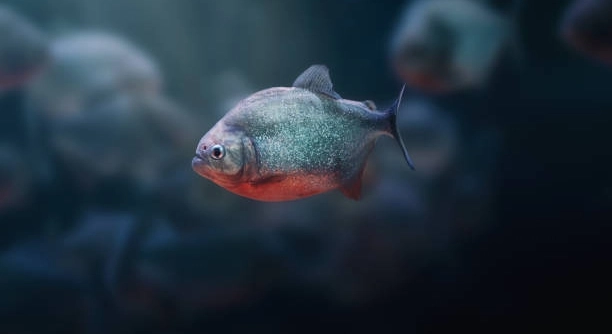
Many piranha owners want to keep their fish healthy and active. Feeding them well is important but sometimes their appetite can be unpredictable. Knowing how to encourage natural eating habits helps maintain their wellbeing and growth.
Improving piranha appetite naturally involves providing a balanced diet, maintaining clean water conditions, and offering stimulating environments. These factors promote feeding behavior without relying on artificial enhancers or unnecessary additives. Consistency and patience are key.
These simple strategies can make a noticeable difference in your piranha’s eating habits. Understanding them will help you support your fish’s natural instincts and overall health.
Provide a Balanced Diet
A balanced diet is essential for encouraging your piranha’s appetite. Offering a variety of foods such as fresh fish, shrimp, and occasional live insects mimics their natural diet. Avoid feeding too much processed or pellet food as it can reduce their interest in eating. Fresh foods are rich in nutrients and help stimulate hunger. Make sure to feed them in small portions multiple times a day rather than one large meal. This approach keeps their digestive system active and prevents overfeeding, which can lead to health issues. Keeping a consistent feeding schedule also trains your piranha to expect food at regular times. Variety is important because piranhas can become bored with the same food, leading to less interest during feeding times. Freshness and food quality affect how eager they are to eat. When you choose foods close to what they would find in the wild, your piranhas are more likely to show a natural appetite.
Feeding small amounts several times a day encourages steady growth and better digestion.
Offering diverse food choices prevents boredom and supports your piranha’s natural instincts, keeping them eager to eat and healthy overall.
Maintain Clean Water Conditions
Keeping the water clean is crucial for piranhas’ appetite. Dirty or polluted water stresses fish, which often leads to reduced feeding. Frequent water changes and good filtration keep the environment stable and safe. Piranhas need well-oxygenated water with a balanced pH level. Testing water parameters regularly ensures the tank stays within ideal limits. High ammonia or nitrate levels can harm their health and appetite, so monitoring is important. Proper tank maintenance also prevents the buildup of harmful bacteria and algae that can discourage feeding. When the water is clean, piranhas feel more comfortable and confident, which encourages normal eating behavior. Clean water also supports their immune system, reducing the risk of disease and loss of appetite.
Regular water maintenance creates a healthy environment that supports your piranha’s natural feeding habits and overall well-being.
Consistent care in water quality prevents stress and keeps your fish active and ready to eat. This approach not only improves appetite but also promotes a longer, healthier life for your piranhas. Maintaining cleanliness involves changing 20-30% of the water weekly and using a good filtration system. Avoid overcrowding, as too many fish produce excess waste that can deteriorate water quality quickly. Keeping the tank temperature stable between 74-82°F also plays a role, as piranhas are sensitive to sudden changes. With these measures, you create the best conditions to help your piranhas thrive and maintain a healthy appetite naturally.
Offer Live or Frozen Foods
Live or frozen foods can greatly increase piranhas’ interest in eating. These options more closely resemble what they would hunt in the wild, making feeding time more stimulating and natural. Common choices include small fish, shrimp, and bloodworms.
Using live or frozen food adds excitement to mealtime and provides important nutrients. Live food triggers hunting instincts, encouraging your piranha to be more active and eager to eat. Frozen options are convenient and safe, reducing the risk of introducing diseases. Rotating between live and frozen foods keeps their diet interesting and balanced, preventing boredom. It’s important to source these foods from reputable suppliers to ensure quality and safety. Avoid overfeeding, as too much rich food can cause digestive problems. Incorporate live or frozen treats a few times a week to boost appetite naturally.
This feeding method supports natural behaviors while promoting better health. It also helps maintain your piranha’s appetite by varying textures and tastes, which processed foods often lack.
Create a Stimulating Environment
Piranhas need an environment that feels safe yet stimulating to maintain their appetite. Adding plants, hiding spots, and decorations helps reduce stress and encourages natural behavior. A tank with varied textures and areas to explore keeps them engaged.
A stimulating environment promotes regular activity, which increases hunger naturally. Stress from a bare or overcrowded tank can suppress appetite. Including plants and rocks provides shelter and reduces aggressive interactions among tank mates. Proper lighting that mimics their natural habitat also influences feeding patterns positively. Maintaining a balance between hiding spaces and open swimming areas is key to their comfort. When piranhas feel secure, they are more likely to display normal feeding habits and enjoy their food. Creating this environment helps your fish stay active, healthy, and interested in meals.
Regularly changing tank decorations or rearranging some elements can refresh their environment and keep their curiosity alive, further supporting appetite and wellbeing.
Monitor Tank Mates
Choosing the right tank mates affects your piranha’s appetite. Aggressive or overly active fish can stress them out, leading to reduced feeding. Keep compatible species to maintain a peaceful environment.
Stress from fighting or competition makes piranhas hesitant to eat. Calm, non-threatening tank mates help your piranhas feel secure and focused on feeding.
Avoid Overfeeding
Overfeeding can cause digestive problems and decrease appetite. Feed small portions that your piranha can finish in a few minutes, and remove uneaten food promptly.
Keeping feeding amounts moderate ensures your piranha stays healthy and interested in mealtime. Overfeeding often leads to poor water quality, which further suppresses appetite.
Keep a Stable Temperature
Piranhas need consistent water temperature to maintain good health and appetite. Sudden changes can cause stress and reduce feeding behavior.
A stable temperature between 74°F and 82°F supports normal metabolism and encourages regular eating habits.
FAQ
How often should I feed my piranha?
Feeding your piranha small meals 2 to 3 times a day is ideal. This frequency supports healthy digestion and keeps their appetite steady. Overfeeding can lead to health issues and dirty water, so avoid large portions at once. Stick to what they can eat in about 5 minutes.
What types of live foods are best for piranhas?
Small feeder fish, shrimp, and bloodworms are excellent choices. These foods mimic what piranhas hunt in the wild and help trigger natural feeding instincts. Be sure to source live food from trusted suppliers to avoid introducing diseases to your tank.
Can I feed piranhas pellets or flakes?
Pellets and flakes can be part of their diet but shouldn’t be the main food source. These processed foods often lack the variety and nutrition found in live or frozen options. Use pellets or flakes as supplements, not replacements, to keep your piranha’s diet balanced.
Why is my piranha not eating despite clean water and good food?
Stress, illness, or improper tank conditions may be the cause. Check water parameters like temperature, pH, ammonia, and nitrate levels carefully. Observe your fish for signs of disease or injury. Sometimes piranhas naturally reduce appetite during breeding or growth phases.
How important is tank size for piranha appetite?
A properly sized tank helps reduce stress and aggression, which can affect appetite. Piranhas need space to swim and establish territories. Crowded tanks often cause anxiety, leading to decreased feeding. Aim for at least 20 gallons per adult piranha.
What water temperature encourages the best feeding behavior?
Keep the tank temperature stable between 74°F and 82°F. This range supports metabolism and normal activity levels. Avoid sudden temperature changes, as they can stress your fish and suppress their appetite.
Can piranhas eat vegetables or plant-based foods?
Piranhas are primarily carnivores, so plant-based foods are not recommended as a main diet. Occasionally, they might nibble on soft vegetables, but these should only be a very small part of their diet, if at all.
How do I know if I am overfeeding my piranha?
If uneaten food remains in the tank after feeding or you notice cloudy water, you might be overfeeding. Also, watch your fish for bloating or sluggishness. Feeding smaller amounts and removing leftover food promptly helps avoid these problems.
Will changing the tank setup affect my piranha’s appetite?
Yes, rearranging decorations or adding hiding spots can help reduce stress and encourage feeding. However, make changes gradually to avoid startling your fish. A comfortable environment helps piranhas feel safe and more willing to eat.
Is it normal for piranhas to sometimes refuse food?
Yes, piranhas may skip meals occasionally due to changes in environment, stress, or natural cycles like molting or breeding. If refusal lasts more than a few days, check water quality and health to rule out problems.
These answers aim to help you create the best conditions for your piranha’s appetite. Consistency in care and attention to detail will make a big difference in their feeding behavior.
Keeping your piranhas healthy and happy takes some effort, but it is very rewarding. The key to improving their appetite naturally lies in providing the right conditions and diet. When piranhas feel safe and comfortable, they will be more likely to eat regularly and grow strong. Feeding them a balanced diet that includes fresh, live, or frozen foods helps keep their interest in eating. It also gives them the nutrients they need to stay active and healthy. Avoiding processed foods as the main diet is important because piranhas thrive on variety and freshness.
Water quality plays a big role in your piranha’s appetite and overall health. Regularly changing the water and maintaining proper filtration creates a clean environment that reduces stress. Stress can cause piranhas to lose interest in food, so keeping the tank stable and clean encourages them to eat normally. Monitoring water temperature and making sure it stays consistent is also important. Piranhas do best in water that is neither too hot nor too cold, and sudden changes can affect their feeding habits. Along with water care, making the tank environment interesting by adding plants and hiding spots supports their natural behaviors and reduces anxiety.
Patience and observation are key when caring for piranhas. Sometimes they may eat less for a short time due to natural reasons like breeding or changes in the environment. It is important to watch for any signs of illness or stress that could affect appetite. When you provide consistent care, a varied diet, and a clean, comfortable tank, you help your piranhas thrive. Over time, you will notice how small changes can make a big difference in their feeding habits. By understanding their needs and respecting their natural behaviors, you can enjoy watching your piranhas stay healthy and active.

Hello,
If you enjoy the content that we create, please consider saying a "Thank You!" by leaving a tip.
Every little bit helps us continue crafting quality advice that supports the health, happiness, and well-being of pets around the world, for pets of all shapes, sizes, and species.
We really appreciate the kindness and support that you show us!