
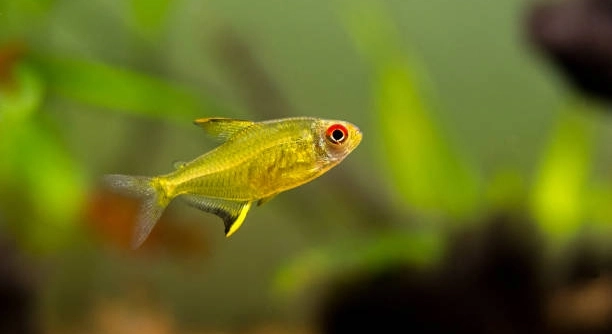
Arowanas are striking, elegant fish that many aquarists love keeping at home. Their size, strength, and unique behavior make them fascinating to watch, but maintaining a safe and healthy environment requires careful attention to tank setup.
Using a cover on an Arowana tank is generally recommended for both safety and environmental stability. Covers prevent fish from jumping out, reduce evaporation, maintain water temperature, and help control debris, ensuring a healthier and more secure habitat for the fish.
Choosing the right cover involves more than just safety. Its design, material, and ventilation impact both the fish and overall tank maintenance.
Benefits of Using a Cover on Your Arowana Tank
A cover offers more than just a safety barrier. It prevents Arowanas from jumping out, which is a common risk due to their natural agility and strength. Covers also help maintain stable water conditions, limiting evaporation and temperature fluctuations. By reducing exposure to open air, covers minimize dust and debris entering the tank, keeping the water cleaner for longer periods. Proper coverage can also reduce stress for your fish by creating a more secure environment. Some covers include built-in lighting options, which can enhance viewing while maintaining a natural day-night cycle. Choosing a sturdy, well-fitted cover ensures that it stays in place even when the fish moves suddenly. Regular cleaning and inspection of the cover help prevent mold or algae buildup. Ultimately, a well-chosen cover supports both the health and comfort of your Arowana, making daily maintenance simpler and more predictable for you as the caretaker.
Covers can also help in reducing aggressive behavior by limiting outside disturbances. A calmer environment supports healthier interactions.
A tank cover should fit tightly without restricting proper air exchange. Some materials allow visibility while still offering protection, and certain designs prevent accidental splashes. For larger Arowanas, durable materials are essential to withstand their strength. A combination of safety, hygiene, and environmental control makes covers a practical addition, enhancing both fish health and your experience observing them.
Choosing the Right Cover
Not all covers work for every tank. Materials, fit, and design must match your tank size and fish needs.
Glass, acrylic, and mesh covers each have advantages and drawbacks. Glass is sturdy and easy to clean but heavier, while acrylic is lighter and less likely to shatter but may scratch over time. Mesh or perforated designs allow for ventilation but may not prevent smaller debris from falling in. The cover should also accommodate feeding, filtration, and lighting access without frequent removal, reducing stress for the fish. For larger Arowanas, reinforced edges or locks can prevent accidental escapes. Some owners prefer partial covers to maintain airflow while keeping the fish secure. Attention to these details ensures the cover serves its purpose effectively. Investing in the right type of cover not only protects the fish but also simplifies ongoing maintenance and reduces unforeseen problems with water quality or tank safety.
Common Mistakes When Using a Cover
Many Arowana owners choose covers that are too loose or poorly fitted. Gaps can allow fish to jump out or let debris enter. Using fragile materials may lead to cracks or breaks, especially with larger, stronger Arowanas.
A frequent issue is neglecting ventilation. Covers that completely seal the tank can trap heat and reduce oxygen levels, stressing the fish. Improper cleaning can lead to algae or mold buildup, affecting water quality. Some covers block access to feeders or filters, making daily maintenance cumbersome. Ensuring the cover balances protection, ventilation, and ease of use prevents these problems and supports healthier fish.
Another common mistake is using covers that do not accommodate the Arowana’s growth. Young fish may fit fine initially, but as they grow, the cover can become inadequate. Adjusting or upgrading the cover over time ensures continued safety. Additionally, ignoring the cover’s stability or weight-bearing capacity can lead to accidents. Selecting a durable and appropriately sized cover protects the fish and reduces the risk of damage to the tank or surroundings.
Additional Tips for Tank Safety
Weighted or secured covers prevent accidents and keep fish contained. Simple adjustments can improve both safety and maintenance efficiency.
It is helpful to check the cover regularly for any signs of wear, gaps, or loosened edges. Cleaning should be done on a consistent schedule to avoid mold, algae, or water contamination. Consider covers with built-in feeding access or removable panels, allowing for minimal disruption to the fish. Positioning the cover to accommodate lighting and filtration also maintains proper tank conditions. Small enhancements like rubber seals or edge guards can prevent accidental slips or jumps, ensuring that both the Arowana and the tank environment remain secure and stable.
Monitoring the tank environment under the cover is essential. Covers can slightly alter humidity and airflow, which may affect water temperature and gas exchange. Installing a thermometer and observing fish behavior can reveal if adjustments are needed. Some owners add ventilation slots or small fans to improve air circulation without compromising safety. Choosing a cover that aligns with tank size, fish behavior, and equipment placement reduces long-term issues. Thoughtful selection and regular upkeep create a balanced environment, protecting the fish while maintaining convenience for the owner.
Maintenance Considerations
Regular cleaning of the cover is essential. Dust, algae, and water stains can accumulate, affecting visibility and hygiene. Simple wipe-downs prevent buildup and maintain a clear view of your Arowana.
Checking for cracks, loose edges, or warping ensures the cover remains safe. Small repairs prevent accidents and extend its lifespan.
Materials and Durability
Glass and acrylic are the most common materials. Glass is heavier and resistant to scratches, offering a stable, long-lasting option. Acrylic is lighter and less likely to shatter, but it can scratch more easily. Each material requires specific care to maintain clarity and strength over time.
Placement and Fit
A properly fitted cover should sit flush on the tank edges. Gaps compromise safety and can reduce environmental stability.
FAQ
Should I always keep a cover on my Arowana tank?
Keeping a cover on your Arowana tank most of the time is recommended. It prevents accidental jumps, reduces evaporation, and helps maintain water temperature. However, brief periods without a cover can be fine during maintenance or when feeding, as long as you supervise the tank.
Can Arowanas jump even with a cover?
A well-fitted, secure cover significantly reduces the risk of jumps. Most incidents happen with loose or poorly fitting covers. Ensure the cover edges are flush with the tank, and avoid gaps that could allow the fish to escape or get stuck.
What material is best for an Arowana tank cover?
Glass and acrylic are common choices. Glass is sturdy and scratch-resistant but heavy. Acrylic is lighter and less likely to shatter but can scratch more easily. Mesh or perforated covers work for ventilation but may let debris in. Choose based on tank size, fish strength, and your maintenance preferences.
How often should I clean the tank cover?
Covers should be cleaned regularly to prevent algae, dust, and water stains. Wiping down once a week is usually enough. For more humid areas or heavily stocked tanks, cleaning more often may be necessary. Keep the cover dry to avoid mold or mildew.
Will a cover affect oxygen levels in the tank?
A tightly sealed cover can slightly reduce gas exchange, but most designs allow sufficient airflow. Covers with ventilation slots or small openings help maintain oxygen levels. Monitoring fish behavior and water quality ensures that your tank stays healthy.
Can I feed my Arowana with the cover on?
Yes, many covers have removable panels or feeding ports. If your cover does not, you can temporarily lift it while feeding. Keep this short to avoid stress or escape attempts by the fish. Always ensure the cover is securely replaced afterward.
Do covers reduce tank cleaning frequency?
Covers limit debris from entering the tank, which can reduce the frequency of surface skimming and water changes slightly. However, regular maintenance is still required to keep the water healthy, especially for larger Arowanas that produce more waste.
Is a partial cover better than a full cover?
Partial covers can allow better airflow while still offering some protection, but they may not prevent jumps or reduce evaporation as effectively. Full covers provide maximum safety and environmental stability. Balance protection with ventilation based on your tank setup and fish behavior.
Will the cover protect my Arowana from stress?
Covers create a more secure environment, reducing sudden disturbances from pets, children, or room movement. A calmer fish is generally healthier. Stress can be reduced further by proper tank placement, stable water parameters, and minimal handling.
Do I need to adjust the cover as my Arowana grows?
Yes, young Arowanas may fit smaller covers, but as they grow, the cover may become inadequate. Upgrade or adjust the cover to ensure it continues to prevent jumps and maintain safety. A properly sized cover grows with your fish.
Can a cover help maintain tank temperature?
Covers reduce evaporation, which helps stabilize water temperature. In cooler rooms, a cover can prevent heat loss, while in warmer areas, it helps retain warmth from heaters. Combining a cover with a thermometer ensures the tank remains within the optimal temperature range.
How do I prevent mold or algae on the cover?
Regular wiping and cleaning prevent buildup. Avoid leaving standing water on top, and ensure proper airflow if using a sealed cover. Covers made from glass or acrylic are easier to clean than mesh, which can trap moisture and debris.
Are there covers designed specifically for Arowanas?
Yes, some covers are made with reinforced edges, durable materials, and built-in feeding or lighting access. These designs consider the strength, size, and activity of Arowanas. Choosing a specialized cover reduces the risk of accidents and makes tank maintenance easier.
Can using a cover reduce water evaporation significantly?
Yes, covers prevent direct exposure to air, which lowers evaporation rates. This reduces the need to top off the tank frequently, helping maintain stable water chemistry and saving time in daily upkeep.
What should I do if my Arowana jumps despite the cover?
Check the cover for gaps, loose edges, or weak spots. Ensure it is properly fitted and made of sturdy material. Consider additional reinforcement or a different design to accommodate the fish’s size and activity level. Preventing jumps requires both a secure cover and proper tank setup.
Does a cover interfere with tank lighting?
Not if designed properly. Many covers allow lighting to be placed on or through them. Choose covers with cutouts or flat surfaces suitable for your light fixtures to maintain consistent illumination without compromising protection.
How do I know if my cover is the right fit?
The cover should sit flush against all tank edges with no visible gaps. It should support its weight without bending and allow for necessary equipment access. Observing the fish under the cover ensures it feels secure and unrestricted in movement.
Can covers help reduce fish aggression?
Yes, a stable environment with minimal external disturbances can reduce aggressive behavior. Covers block sudden visual stimuli and prevent fish from seeing movements outside the tank, creating a calmer atmosphere that encourages healthy interactions.
Are there safety considerations for children or pets?
Covers protect fish from curious hands or other pets. Ensure the cover is heavy enough or secured to prevent accidental removal. This prevents injuries to both the fish and people or pets interacting near the tank.
How long do covers typically last?
Glass and acrylic covers can last years with proper care. Mesh or plastic covers may wear faster due to exposure to humidity and cleaning. Inspect regularly and replace if cracks, warping, or damage appear to maintain safety and efficiency.
Can I customize a cover for my Arowana tank?
Yes, custom covers allow for perfect fit, ventilation, feeding access, and lighting placement. Working with a professional or using DIY methods ensures the cover meets your tank’s unique dimensions and your Arowana’s needs.
Do covers affect humidity in the room?
Covers slightly reduce water evaporation, which may lower local humidity near the tank. This is usually minimal and does not affect room conditions significantly, but it can help maintain more stable water parameters inside the tank.
Is it safe to leave a cover on overnight?
Yes, as long as ventilation and gas exchange are sufficient. Overnight covering protects the fish from drafts, pets, or sudden disturbances, providing a stable and secure environment while you sleep.
What is the main takeaway about using a cover?
A cover protects the fish, stabilizes water conditions, and simplifies maintenance. Choosing the right material, fit, and ventilation ensures the Arowana’s safety and comfort while supporting easier tank care.
Final Thoughts
Using a cover on your Arowana tank is more than just a safety measure. It plays a significant role in maintaining a stable environment for your fish. A well-fitted cover prevents the Arowana from jumping out, which can be a serious risk due to their strength and agility. Even small gaps or loose edges can lead to accidents, so choosing a cover that fits properly and is made of durable materials is essential. Beyond safety, a cover helps reduce evaporation, keeps the water temperature steady, and prevents dust or debris from entering the tank. These benefits make daily maintenance easier and help keep the tank cleaner for longer periods. When selecting a cover, consider both the material and design. Glass and acrylic are the most common, each with advantages and drawbacks, while mesh or perforated designs allow for better airflow but may not provide the same level of protection. The right cover balances durability, safety, and ease of maintenance, creating a healthier environment for your Arowana.
Regular upkeep of the cover is also crucial. Even a high-quality cover can develop issues if it is not cleaned and checked frequently. Algae, mold, or mineral buildup can accumulate on the surface, affecting both the appearance and functionality of the cover. Cleaning should be done on a schedule that suits your tank size, fish load, and local conditions. A simple weekly wipe-down can prevent most problems, while more thorough inspections help identify cracks, warping, or loosened edges before they become serious. Additionally, covers should be evaluated as the Arowana grows. Young fish may be secure under a smaller cover, but adult Arowanas require larger, stronger options to ensure continued safety. Investing in a cover that can accommodate growth or upgrading as needed protects the fish and reduces the risk of accidents. Attention to these details demonstrates care and ensures a more stable and predictable environment, which benefits both the fish and the owner.
Finally, a tank cover contributes to a calmer and more controlled setting. It reduces stress caused by sudden movements, loud noises, or pets in the room, allowing your Arowana to feel more secure. Proper ventilation, feeding access, and lighting integration can all be achieved without compromising safety. Covers also provide a level of convenience, allowing maintenance to be done with minimal disruption to the fish while maintaining consistent water quality. The combination of safety, stability, and practical benefits makes a cover an essential component for any Arowana tank. Thoughtful selection, regular maintenance, and ongoing evaluation create an environment that supports the fish’s health, growth, and well-being. A secure, well-maintained cover ensures that your Arowana can thrive, while also making tank care manageable and predictable for you.

Hello,
If you enjoy the content that we create, please consider saying a "Thank You!" by leaving a tip.
Every little bit helps us continue crafting quality advice that supports the health, happiness, and well-being of pets around the world, for pets of all shapes, sizes, and species.
We really appreciate the kindness and support that you show us!