
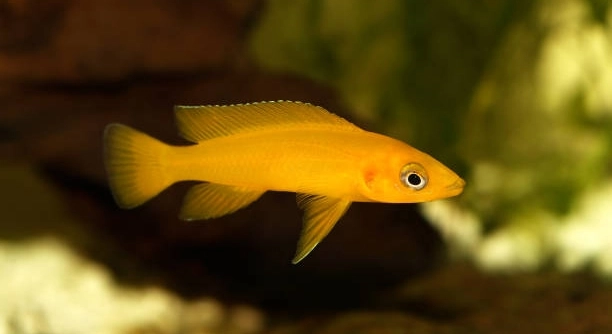
Keeping lemon tetras in a home aquarium can be a rewarding experience for many fish enthusiasts. These small, vibrant fish thrive best when housed in a calm and well-structured environment, encouraging healthy social behavior among the group.
Creating a peaceful lemon tetra community requires attention to tank size, water parameters, and proper schooling practices. Ensuring adequate hiding spaces, maintaining stable water conditions, and avoiding aggressive tank mates helps reduce stress and promotes harmonious group interactions.
Maintaining the right balance in their environment is key to their overall health and happiness. Following simple guidelines can make a noticeable difference in their behavior and wellbeing.
Setting Up the Right Tank Environment
Choosing the proper tank for lemon tetras is crucial for their comfort and social stability. A tank of at least 20 gallons provides enough swimming space for a small school, reducing stress and territorial behavior. Incorporating live plants such as Java fern or Amazon sword creates natural hiding spots that make the fish feel secure. Open swimming areas should also be left so the tetras can move freely, which encourages schooling and natural behavior. Soft lighting and gentle filtration help maintain calm water conditions, mimicking their native habitats and minimizing sudden disturbances. Substrate choice matters too; smooth gravel or sand prevents injury and allows plants to root properly. Regular water testing ensures stable pH and temperature levels, which are critical for long-term health. Adding small decorative elements like driftwood or rocks offers both shelter and visual interest, creating a balanced environment. Maintaining this setup consistently allows lemon tetras to thrive without unnecessary stress or conflict.
Proper tank setup reduces aggression and encourages natural schooling patterns, promoting a peaceful community that is easier to care for and observe daily.
A well-planned tank environment supports the overall wellbeing of lemon tetras by minimizing stress factors. Stability in water chemistry, temperature, and hiding areas allows them to express natural behaviors. Overcrowding or sudden changes can lead to conflict, so spacing and consistent care are key. Decorations should balance open areas and cover, allowing fish to explore while feeling safe. Monitoring their reactions regularly helps identify issues early. Using a reliable filtration system ensures water stays clean without creating strong currents that could disrupt schooling. Plants and gentle lighting not only enhance aesthetics but also simulate conditions similar to their native rivers. By observing their interactions and adjusting the layout as needed, conflicts can be minimized. Feeding routines should also be consistent to reduce competition. Providing a stable, thoughtfully arranged tank encourages calm, social behavior and supports long-term health, making the aquarium a peaceful habitat for lemon tetras.
Choosing Compatible Tank Mates
Lemon tetras do best with other peaceful, small fish that won’t challenge their space or compete aggressively for food.
Selecting tank mates carefully helps maintain harmony. Suitable companions include other small tetras, rasboras, and Corydoras catfish, all of which share similar water preferences and temperaments.
When adding new fish, quarantine them first to prevent disease introduction. Observing interactions after introduction ensures compatibility and reduces stress. Avoid large, aggressive species that may bully or eat smaller tetras. Gradually introducing new fish allows the existing school to adjust to changes in the environment. A peaceful community requires consistent monitoring of behavior, especially during feeding or changes in lighting, as these can trigger unexpected aggression. Maintaining proper tank density also minimizes territorial disputes. Even compatible species need adequate swimming space and hiding spots to feel secure. Using plants, rocks, and driftwood to create microhabitats encourages natural separation and reduces competition. By prioritizing calm, non-aggressive species and providing a well-structured environment, lemon tetras can coexist with other fish without constant stress. This approach leads to a stable, visually appealing aquarium where all species flourish and exhibit natural behavior patterns.
Feeding for Harmony
A consistent feeding schedule helps reduce competition and stress among lemon tetras. Small portions of high-quality flake or micro-pellets twice a day ensure all fish get enough nutrition without overcrowding or aggression.
Providing a varied diet strengthens health and supports vibrant colors. Including occasional live or frozen foods like brine shrimp or daphnia adds protein and encourages natural foraging behavior. Spreading food across different areas of the tank prevents dominant fish from monopolizing meals. Observing how the school feeds allows adjustments in quantity and placement to ensure slower fish receive food. Avoid overfeeding, which can degrade water quality and trigger conflicts. Maintaining this routine supports calm social interactions and promotes growth and vitality in the entire group, fostering a peaceful community.
Feeding should match tank size and school number to prevent uneaten food from decaying. Rotate diet options weekly to maintain interest and meet nutritional needs consistently.
Monitoring Water Quality
Regular water testing is essential for maintaining a peaceful environment. Checking pH, temperature, and ammonia levels helps prevent stress and disease that can trigger aggression.
Water changes should be performed weekly, replacing about 25% of the tank’s volume. Using a reliable filter maintains clarity and removes waste effectively. Observing fish behavior after water changes indicates if conditions are optimal. Sudden spikes in temperature or chemical levels can cause panic or illness, making regular testing critical. Stabilizing water parameters ensures lemon tetras remain active, healthy, and socially balanced.
Proper filtration, gentle water flow, and consistent temperature control are key factors. Including live plants also assists in maintaining water quality naturally. Combining these practices helps sustain a peaceful, thriving community where lemon tetras can school comfortably without stress or conflict.
Maintaining Proper School Size
Lemon tetras feel safest in groups of six or more. Smaller numbers can lead to stress and increased aggression, as fish may feel exposed without the comfort of a school.
Keeping the school consistent reduces bullying and helps maintain natural swimming patterns. Adding or removing fish should be done carefully to avoid disrupting social balance.
Providing Hiding Spots
Dense planting and decorations give fish secure areas to retreat. Floating plants or small caves help shy or stressed individuals feel safe and reduce conflicts.
When arranging the tank, balance open swimming areas with sheltered zones. Too many hiding places can limit schooling, while too few increase tension and territorial disputes. Proper placement ensures each fish has access to both space and cover.
Observing Behavior
Watch for signs of stress, fin nipping, or unusual swimming patterns. Early observation helps prevent conflicts from escalating and maintains harmony.
Regular Maintenance
Consistent cleaning and partial water changes are critical. Removing debris and monitoring filtration keeps the tank stable, reducing stress-related aggression and supporting a peaceful community.
FAQ
How many lemon tetras should I keep together?
Lemon tetras are schooling fish that feel safest in groups of six or more. Smaller groups can lead to stress and timid behavior. A school of eight to twelve is ideal for a standard 20-gallon tank. This allows natural swimming patterns and reduces aggression within the group.
What water conditions do lemon tetras need?
They thrive in soft to moderately hard water with a pH between 6.5 and 7.5. Temperature should be stable, around 72–78°F (22–26°C). Sudden changes in water chemistry or temperature can stress the fish, leading to disease or aggression. Regular water testing helps maintain stability and a healthy environment.
Can lemon tetras live with other fish?
Yes, but compatibility is important. Peaceful, small fish like other tetras, rasboras, or Corydoras catfish make good companions. Avoid large or aggressive species that might chase or bully them. Introduce new fish gradually and monitor behavior closely to ensure harmony within the tank.
What should I feed my lemon tetras?
Provide high-quality flake or micro-pellets as a staple diet. Supplement occasionally with live or frozen foods like brine shrimp, daphnia, or bloodworms. Feeding small amounts two times a day prevents overeating and reduces water quality issues. Spread food across the tank to ensure all fish eat.
How often should I clean the tank?
Partial water changes of 20–25% weekly help maintain water quality. Clean decorations and substrate gently to remove debris without disturbing beneficial bacteria. Check and clean the filter as needed, but avoid over-cleaning, which can destabilize the tank environment.
Do lemon tetras need plants?
Yes, live plants provide hiding spots and create a more natural environment. Java fern, Amazon sword, or floating plants work well. Plants help reduce stress, encourage schooling behavior, and assist with maintaining water quality. Balance dense areas with open swimming space for natural movement.
How can I tell if my tetras are stressed?
Signs include hiding excessively, fin clamping, loss of color, erratic swimming, or aggression toward tank mates. Stress can result from poor water quality, overcrowding, or aggressive companions. Identifying these signs early allows corrective measures to restore a peaceful environment.
What is the ideal tank size?
A minimum of 20 gallons is recommended for a small school. Larger tanks are better for bigger groups or mixed-species setups. Adequate space reduces stress, allows natural schooling, and minimizes territorial disputes.
Can lemon tetras breed in a community tank?
Yes, but conditions must be ideal. They prefer soft, slightly acidic water and dense planting for spawning. Eggs are often eaten by other fish, so a separate breeding tank is recommended if you want to raise fry successfully.
How do I prevent fin nipping or aggression?
Maintain proper school size, provide hiding spots, and avoid aggressive tank mates. Overcrowding or inconsistent feeding can trigger conflicts. Monitoring behavior and adjusting tank layout helps maintain a peaceful community.
How long do lemon tetras live?
With proper care, lemon tetras live around 3–5 years. Stable water conditions, a balanced diet, and a peaceful environment contribute to longevity. Regular observation ensures they stay healthy and maintain vibrant colors.
Can I keep lemon tetras in a small tank?
Small tanks under 20 gallons are not ideal, as they limit swimming space and increase stress. If a smaller tank is used, keep fewer fish and ensure excellent water quality to reduce conflicts.
Do lemon tetras need special lighting?
Moderate lighting is sufficient. Bright lights can stress them if there are no shaded areas. Floating plants or decor can provide relief while allowing their colors to show naturally.
How often should I test water?
Weekly testing for pH, ammonia, nitrite, and nitrate levels is recommended. Frequent testing helps detect problems early, preventing stress, disease, and aggressive behavior. Adjust water conditions gradually when needed.
Are lemon tetras suitable for beginners?
Yes, they are hardy and adaptable, making them a good choice for first-time fishkeepers. Following proper tank setup, feeding routines, and water maintenance ensures a thriving, peaceful community.
Lemon tetras are small, vibrant fish that can bring life and movement to a home aquarium. Creating a peaceful community with them depends largely on proper planning and consistent care. Tank size plays a major role in their comfort, with at least 20 gallons recommended for a small school. Larger tanks allow the fish to swim freely, reduce stress, and help prevent aggression. A well-structured environment includes both open swimming areas and places to hide, such as live plants, rocks, and driftwood. These elements provide security for timid fish and create natural spaces where the school can spread out comfortably. Regular water testing is also essential, as lemon tetras are sensitive to sudden changes in pH, temperature, or chemical levels. Stability in water conditions not only keeps them healthy but also minimizes conflict, ensuring the fish can maintain normal social behavior.
Feeding is another key factor in maintaining harmony within the tank. Providing small, balanced meals twice a day helps prevent overeating and reduces competition among fish. A mix of high-quality flakes or micro-pellets, supplemented occasionally with live or frozen foods like brine shrimp or daphnia, keeps their diet varied and nutritious. Spreading food evenly across the tank ensures that all members of the school have access, preventing dominant fish from monopolizing meals. Watching their feeding behavior allows adjustments to be made, keeping slower or shyer fish from being left out. Combined with careful observation of interactions, this approach supports peaceful coexistence and promotes the overall health of the group. Regular maintenance, such as partial water changes and gentle substrate cleaning, works hand-in-hand with feeding and tank setup to maintain stability, helping the tetras thrive in a calm environment.
Selecting compatible tank mates and maintaining a proper school size are equally important for peace within the aquarium. Lemon tetras do best when housed with other small, peaceful fish, such as rasboras or Corydoras catfish. Aggressive or much larger species should be avoided to prevent stress and bullying. Keeping a consistent school of at least six to eight lemon tetras allows them to display natural schooling behavior, which reduces fear and aggression. Observing the fish regularly helps identify early signs of stress, illness, or conflict, allowing timely adjustments in care or tank arrangement. By combining attention to water quality, feeding routines, environment setup, and social balance, it is possible to maintain a harmonious, thriving lemon tetra community. These practices create an aquarium where the fish can grow, interact, and display their vibrant colors naturally, providing a calming and enjoyable presence in the home.

Hello,
If you enjoy the content that we create, please consider saying a "Thank You!" by leaving a tip.
Every little bit helps us continue crafting quality advice that supports the health, happiness, and well-being of pets around the world, for pets of all shapes, sizes, and species.
We really appreciate the kindness and support that you show us!