
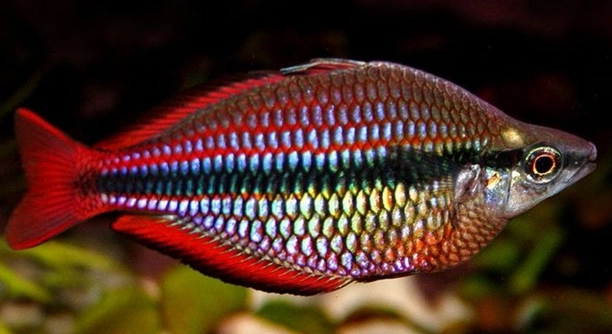
Introducing new rainbow fish to your tank is an exciting moment, but it comes with important decisions. Ensuring their health and safety from the start is essential for long-term success. Quarantining can help prevent future complications.
Quarantining new rainbow fish is highly recommended to minimize the risk of introducing diseases into your established aquarium. Isolating them for a period of time allows you to observe their health and behavior, ensuring they are disease-free.
Proper quarantine practices can help prevent the spread of illness to other fish, contributing to a healthier, more stable tank environment.
Why Quarantining is Important for New Rainbow Fish
Quarantining new fish is vital to prevent any potential diseases from entering your established tank. Rainbow fish, like many other species, can carry parasites, bacteria, or viruses that may not show symptoms immediately. Without a quarantine period, these hidden health issues can spread quickly and affect your existing fish. Even healthy-looking fish can harbor illness, which is why a quarantine is a precautionary step. A separate tank ensures the new fish are monitored for signs of illness before being introduced to the main aquarium. By doing this, you protect the overall health of your aquatic environment.
A quarantine period of two to four weeks is recommended to properly observe your new fish. This time frame gives you an opportunity to check for any symptoms of disease, stress, or aggression.
During this quarantine period, it’s important to observe not just physical health but behavior as well. Fish that act out of the ordinary may be indicating stress or discomfort. When introducing new fish to the tank after the quarantine, make sure the water conditions in both tanks match. This ensures a smoother transition for your rainbow fish.
The Ideal Quarantine Setup
Creating the right environment for quarantine is crucial for success. A separate tank with similar water parameters to the main aquarium should be set up. It’s essential to have a heater and filtration system to maintain stable water quality. Keep decorations minimal to make it easier to observe the fish.
In addition to water conditions, consider adding a small hiding place to give the fish some security. Although it’s not essential, it helps reduce stress.
Observing for Signs of Illness
During the quarantine period, it’s important to keep an eye on your rainbow fish for any unusual behavior. This can include abnormal swimming patterns, loss of appetite, or visible spots on the skin. These signs often indicate potential issues that may not be immediately obvious.
Be sure to check for any external parasites like white spots or discoloration, which are common symptoms of ich. Additionally, monitor their gills to ensure they are not labored or inflamed. A healthy rainbow fish will swim actively and maintain a strong appetite. Any changes should be noted and addressed as soon as possible.
Behavioral changes can also be a clue to potential health problems. If the fish are hiding excessively or swimming erratically, it might indicate stress or an illness. Stress can be caused by various factors, such as poor water quality, incompatible tankmates, or overcrowding. Keep the quarantine environment stable to reduce stress and help the fish adjust.
Medications and Treatments During Quarantine
If any signs of illness appear during quarantine, it’s essential to treat the fish before introducing them to the main tank. Use medications specific to the symptoms observed, and follow the dosage instructions carefully. Treating the fish early can prevent the spread of diseases to other aquarium inhabitants.
Different illnesses require different treatments. For example, if you notice white spots on your rainbow fish, you may need to treat for ich using copper-based medications or salt baths. For internal parasites, medicated food may be needed. Be sure to research the appropriate treatments for any specific condition your fish may have.
Using medications during quarantine also provides a chance to ensure your new fish’s overall health. Once the fish show no signs of illness and have been treated appropriately, they can be transferred to the main tank. The quarantine period offers the time to ensure their health before they interact with other fish.
Water Quality in Quarantine
Maintaining optimal water quality during quarantine is crucial for the health of your rainbow fish. Regular water changes and monitoring water parameters like pH, ammonia, and nitrites can prevent stress and promote a quicker adjustment to the new environment. A stable tank is key.
You should aim for water conditions similar to your main tank. This includes temperature, pH, and hardness levels. By maintaining these parameters, the new fish will be more likely to thrive and adjust smoothly once introduced to the main tank. Poor water quality can lead to stress and illness.
Acclimating New Fish
Acclimating your new rainbow fish properly is essential for their long-term health. Gradually introduce them to the tank’s water to reduce stress, especially if there is a temperature or pH difference. This helps the fish adjust more naturally.
Start by floating the bag containing the fish in the quarantine tank for 15-20 minutes. Then, slowly add small amounts of tank water to the bag to match the water parameters. After 30 minutes to an hour, gently release the fish into the quarantine tank. This process reduces shock.
Stress Management During Quarantine
Reducing stress in quarantine is crucial for your rainbow fish to stay healthy. Stress weakens the immune system, making the fish more susceptible to disease. Keep the quarantine tank quiet and avoid frequent disturbances.
FAQ
How long should I quarantine new rainbow fish?
The recommended quarantine period for new rainbow fish is typically 2 to 4 weeks. This gives enough time to observe them for any signs of illness or stress. During this period, the fish can be monitored closely for any changes in behavior, eating habits, or physical appearance. A longer quarantine period may be necessary if there are any health concerns or if you’re unsure of the fish’s origin.
Can I add new rainbow fish directly to the main tank?
It’s not advised to add new rainbow fish directly to your main tank without a quarantine period. Even if they appear healthy, there’s a risk they may carry diseases that could infect your existing fish. A quarantine period helps to identify and treat any potential issues before the new fish interact with your other tank inhabitants.
Do rainbow fish need a special quarantine tank?
While it’s not absolutely necessary to have a separate quarantine tank, it’s strongly recommended. A small, simple tank with a heater and filtration system is ideal for quarantining new rainbow fish. This allows for easy monitoring and treatment without affecting the main aquarium. A quarantine tank also prevents contamination if the new fish are carrying parasites or diseases.
What signs should I look for during quarantine?
During the quarantine period, keep an eye out for signs of illness such as unusual swimming patterns, loss of appetite, discoloration, or spots on the skin. Check the fish’s gills for any signs of labored breathing or inflammation. If any of these symptoms appear, isolate the fish and treat them accordingly.
How can I treat sick rainbow fish in quarantine?
If you notice any signs of illness during quarantine, you’ll need to treat the fish based on the symptoms. For external parasites like ich, copper-based medications or salt treatments may be needed. If the fish shows signs of internal parasites, medicated food can help. Always follow the treatment guidelines carefully to avoid harming the fish.
What should I do if the new fish don’t eat?
If the new rainbow fish refuse to eat during the quarantine period, this could be a sign of stress or illness. Make sure the water parameters are stable, as poor water quality can affect their appetite. You can try offering a variety of foods, including live or frozen options, to entice them to eat. If they still refuse, monitor their behavior closely for other signs of illness.
Can I treat the entire quarantine tank for disease prevention?
Yes, in some cases, treating the entire quarantine tank with a general anti-parasitic or antibiotic medication can be helpful for disease prevention. This can be especially beneficial if you’re unsure about the health of the new fish. However, always follow the treatment instructions carefully and make sure to remove any unneeded decorations or plants that may absorb the medication.
Do I need a filter in the quarantine tank?
Yes, having a filter in the quarantine tank is essential. It helps maintain water quality by removing excess waste and toxins. However, the filter should be gentle to avoid stressing out the new fish, especially if they are already feeling vulnerable. A sponge filter or a small internal filter is ideal for a quarantine tank.
Can I add plants or decorations to the quarantine tank?
It’s a good idea to keep decorations minimal during the quarantine period. This makes it easier to observe the fish and detect any signs of illness. Adding a small hiding spot, like a PVC pipe or a silk plant, can help reduce stress, but avoid adding too many objects that could complicate water changes or treatment processes.
How often should I change the water in the quarantine tank?
Water changes should be done regularly during the quarantine period. Aim for a 25-50% water change every 3-4 days to maintain good water quality and prevent the buildup of toxins. Always use a water conditioner to neutralize chlorine and chloramine in tap water before adding it to the quarantine tank.
What temperature should the quarantine tank be?
Rainbow fish generally prefer a water temperature between 75°F and 80°F (24°C to 27°C). Maintain the quarantine tank within this range to reduce stress and encourage optimal health. A stable temperature helps your fish adjust and recover if they are dealing with illness or stress.
Should I feed my rainbow fish during quarantine?
Yes, it’s important to feed your rainbow fish during quarantine to maintain their health. Offer high-quality foods to keep them well-nourished. However, avoid overfeeding, as uneaten food can lead to poor water quality. It’s best to feed small amounts at regular intervals, ensuring the food is consumed within a few minutes.
How can I tell if my rainbow fish is stressed during quarantine?
Stress in rainbow fish can manifest in several ways, such as hiding, erratic swimming, or a lack of appetite. The fish may also exhibit faded colors or clamped fins. If you notice these behaviors, assess the water quality, temperature, and tank conditions to ensure they are optimal. Reducing disturbances and providing a stable environment can help alleviate stress.
Should I add any medications as a preventative measure during quarantine?
It’s not necessary to add medications as a preventative measure unless you notice symptoms of illness. Overusing medications can lead to resistance or harm to the fish. However, if the fish are from an uncertain source or have been exposed to a stressed environment, adding a general parasite treatment can be beneficial for prevention.
What should I do if I notice something wrong after the quarantine period ends?
If you notice any issues with the fish after they’ve been moved to the main tank, it’s important to act quickly. Isolate the affected fish back into quarantine and treat them separately to prevent spreading any potential illness. You may need to review their behavior and adjust water conditions or diet to address the issue.
Can I skip quarantining if I buy fish from a reputable seller?
Even if you buy rainbow fish from a reputable seller, quarantining is still recommended. Fish can carry diseases without showing symptoms, and even a healthy-looking fish may bring problems into your tank. Quarantine serves as an extra precaution to ensure the health of both the new and existing fish.
Final Thoughts
Quarantining new rainbow fish is an essential step in maintaining the health of your aquarium. Even if the fish appear healthy, they may carry diseases or parasites that can affect your existing fish. A quarantine period allows you to monitor the fish for any signs of illness and treat them if necessary. Without this precaution, you risk introducing harmful conditions into your main tank, which could lead to the spread of disease or stress among your fish.
While setting up a quarantine tank requires some effort, it is a small investment compared to the potential harm that could occur by skipping this process. A simple quarantine tank doesn’t need to be expensive or elaborate. It should have proper filtration, a heater, and be sized appropriately for the number of fish. By maintaining stable water conditions and observing the new fish, you increase the chances of them thriving in their new environment. A calm and quiet quarantine setup will help the fish adjust better and reduce unnecessary stress.
Ultimately, the time spent quarantining your new rainbow fish can save you a lot of trouble in the long run. It helps you ensure that the fish are healthy and free from potential diseases before they join your main tank. Additionally, it provides peace of mind, knowing that your other fish won’t be exposed to any hidden risks. A successful quarantine process increases the chances of healthy, happy fish in your main aquarium, contributing to the overall balance and well-being of your aquatic environment.

Hello,
If you enjoy the content that we create, please consider saying a "Thank You!" by leaving a tip.
Every little bit helps us continue crafting quality advice that supports the health, happiness, and well-being of pets around the world, for pets of all shapes, sizes, and species.
We really appreciate the kindness and support that you show us!