
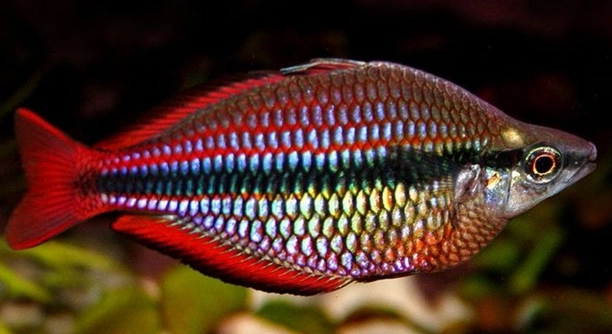
Are your rainbow fish not thriving the way you hoped, despite your efforts to create the perfect aquarium environment?
The most common mistakes with rainbow fish tanks stem from improper water conditions, overcrowding, and mismatched tank mates. These factors can lead to stress, disease, and reduced lifespan in rainbow fish if not corrected.
Proper care helps your rainbow fish stay active, colorful, and healthy while making the aquarium easier to maintain over time.
Overcrowding the Tank
Rainbow fish need space to swim and grow. Overcrowding can lead to stress, aggression, and poor water quality. Many people add too many fish too quickly, thinking it will create a lively tank. But rainbow fish do best in groups of their own kind, and even then, they need plenty of room. A small tank packed with fish leads to increased waste, which can make the water unhealthy fast. This can cause illness and reduce the lifespan of your fish. It also makes it harder for the fish to establish natural behaviors or find room to move around comfortably.
A good rule is to provide at least 20 gallons for the first group of rainbow fish, with additional space as the group grows.
Choosing the right tank size from the start makes it easier to manage the environment. It also means less cleaning, fewer health issues, and more natural, active fish behavior.
Poor Water Quality
Bad water conditions are one of the fastest ways to harm rainbow fish.
Ammonia, nitrites, and unstable pH levels can quickly stress your fish. These changes often happen from overfeeding, not cleaning the tank regularly, or skipping water changes. Rainbow fish need clean, stable water with good filtration to thrive. A filter helps remove waste and keeps the water moving, which supports oxygen levels. Testing your water weekly helps you catch small problems before they grow into serious ones. Use a test kit to check ammonia, nitrite, nitrate, and pH levels. Keeping your filter clean is also important—it can get clogged and stop working properly if neglected. Partial water changes should happen every week, replacing about 25% of the water. Always treat new tap water with a conditioner to remove chlorine. Rainbow fish also prefer slightly alkaline water with a pH between 7.0 and 8.0. Stable temperature matters too—keep it around 74°F to 78°F for their comfort.
Mixing Incompatible Tank Mates
Rainbow fish are peaceful, but not all fish get along with them. Choosing aggressive or fin-nipping species can lead to stress, injuries, or even death. Some slower fish may also be outcompeted for food.
Stick to calm, community-friendly fish that won’t pick on your rainbow fish or compete for the same space. Good tank mates include peaceful tetras, rasboras, or bottom-dwellers like corydoras. Avoid species known for aggression, such as tiger barbs or bettas. Size also matters—don’t add fish small enough to be eaten or big enough to bully others. Watch behavior closely during the first week after introducing any new fish. If there’s chasing or nipping, it may be a sign that the mix isn’t working. Separate aggressive fish before things get worse. Always research each fish’s needs before adding them to the tank. A calm, balanced tank makes rainbow fish more active and colorful.
Introducing fish gradually is another good way to prevent problems. When you add too many fish at once, the social structure becomes unstable. Rainbow fish do best when added in small groups, giving them time to settle in. Use a quarantine tank for new fish if possible—this avoids spreading illness to healthy tank mates.
Incorrect Feeding Habits
Feeding too much or too little can cause health problems and water issues. Rainbow fish need a balanced diet and regular feeding routine.
Overfeeding is common and leads to waste that pollutes the tank. Uneaten food breaks down and causes ammonia spikes. Feed your rainbow fish only what they can eat in about 30 seconds, twice a day. Use a mix of high-quality flakes or pellets made for tropical fish, along with occasional treats like brine shrimp or bloodworms. These extras support their color and energy. Be careful not to rely too much on one food type. Variety helps cover all their nutritional needs. Watch your fish during feeding—if they’re not interested, there may be stress or illness.
It’s also important to check how food spreads in the tank. Some rainbow fish may be shy or slower to eat, so use sinking foods or spread flakes across the surface to give all fish a chance. Always remove leftover food after a few minutes to keep the water clean. Feeding at the same times daily helps them develop a routine. A healthy feeding pattern supports strong immune systems, better colors, and long-term well-being.
Lack of Hiding Spots
Rainbow fish may be active swimmers, but they still need places to rest or feel safe. A bare tank leaves them exposed and stressed. Add plants, rocks, or driftwood to create hiding spaces and reduce tension.
These spots help reduce aggressive behavior, especially during breeding or when new fish are introduced. Even confident fish need a break from constant activity.
Inconsistent Lighting Schedule
Rainbow fish need a regular day-night cycle. Inconsistent lighting can affect their sleep, feeding, and overall mood. Use a timer to keep lights on for 8–10 hours each day. Too much light encourages algae, while too little causes dull colors and stress. A steady routine helps them stay active and healthy.
Ignoring Tank Maintenance
Skipping regular cleaning leads to cloudy water and stressed fish. Gravel vacuuming, filter checks, and weekly water changes keep everything running smoothly.
FAQ
How often should I clean my rainbow fish tank?
Clean your tank weekly to keep the water healthy and clear. This includes a 25% water change, wiping down the glass, and vacuuming the gravel. Check the filter and rinse it using tank water (not tap water) to avoid killing helpful bacteria. Monthly, inspect your equipment—make sure the heater, filter, and lights are working properly. Avoid over-cleaning, as that can remove beneficial bacteria. Stick to small, regular cleanings rather than large, infrequent ones. Consistency is key to maintaining a stable environment your rainbow fish can thrive in without stress or sudden changes.
What is the ideal tank size for rainbow fish?
Start with at least a 20-gallon tank for a small group of rainbow fish. They are active swimmers and need space to move freely. Larger species like Boesemani rainbow fish will need more space—about 30 to 40 gallons minimum. Always plan for the adult size of the fish, not the size when you first buy them. Long tanks are better than tall ones because rainbow fish enjoy swimming in open horizontal areas. A larger tank also helps with water stability and reduces stress between fish. More space usually means healthier, happier fish and easier care.
Can rainbow fish live with live plants?
Yes, rainbow fish do well in planted tanks. Live plants provide natural shelter, reduce stress, and help maintain water quality. Choose hardy plants like Java fern, Vallisneria, or Anubias. These plants won’t require high lighting or special care and can handle the movement of active fish. Plants also help with oxygen levels and reduce algae by using excess nutrients. Just make sure the plants are well-rooted and avoid sharp-edged decorations that could damage the fish’s fins. A planted tank also gives the aquarium a more natural look and helps your rainbow fish display brighter colors.
What temperature should the tank water be?
Keep the water between 74°F and 78°F. Rainbow fish are tropical and need steady, warm temperatures. Sudden changes in temperature can cause stress and illness. Always use a reliable heater with a thermostat. If the room gets cold at night, check that the heater keeps the temperature stable. Use a thermometer to monitor the water daily, especially during season changes or power outages. Consistent temperature helps with digestion, immune response, and overall activity levels. If your fish seem sluggish or stop eating, a temperature check is a good first step.
Do rainbow fish need to be in groups?
Yes, rainbow fish are schooling fish and prefer to live in groups. Keep at least six of the same species together to prevent stress and aggression. When alone or in small numbers, rainbow fish can become skittish or show dull colors. A proper group brings out their social behavior and active swimming patterns. Try to keep an even number of males and females to balance the group dynamics. If males outnumber females, there might be chasing or tension. Watching a group of rainbow fish interact can be one of the most enjoyable parts of owning them.
How do I know if my rainbow fish are stressed?
Signs of stress include faded colors, hiding more than usual, darting movements, not eating, or clamped fins. Stress can come from poor water quality, incompatible tank mates, sudden changes in lighting, or improper temperatures. Check water parameters first if you notice odd behavior. If everything looks fine, watch for bullying or overcrowding. Fixing the cause of stress early helps prevent sickness. Healthy rainbow fish swim actively, eat well, and show bright, vibrant colors. They should not stay near the surface or bottom for long unless resting or sleeping.
Can rainbow fish jump out of the tank?
Yes, rainbow fish can jump, especially when startled or if the water conditions are off. Always use a secure lid or cover to prevent accidents. Gaps near filters or heaters can also be escape points, so seal those as well. If you hear splashing or find fish outside the tank, recheck your setup and water quality. A calm, well-maintained tank reduces the chances of jumping. Reducing stress by avoiding overcrowding and sudden lighting changes can also help. Some hobbyists add floating plants to create a natural barrier, which also helps reduce surface stress.
Final Thoughts
Taking care of rainbow fish can be simple when you avoid common mistakes. These fish are colorful, active, and peaceful, but they still need the right conditions to stay healthy. Things like clean water, enough space, and proper food make a big difference. Problems often start small—like overfeeding or skipping a water change—but can grow quickly if ignored. Rainbow fish also do better when kept in groups, with enough room to swim and tank mates that won’t bother them. Even though they are hardy fish, they still react to stress and poor care. By paying attention to their behavior and sticking to a regular care routine, you can prevent many issues before they start.
Sometimes, new fish keepers think adding more fish or decorations will improve the tank, but that’s not always true. Overcrowding, for example, causes stress and poor water quality, even if the fish all seem friendly at first. It’s better to keep the tank simple, clean, and peaceful. A few live plants, some hiding spots, and the right amount of fish can make the tank feel natural and safe. It’s also important to remember that every change you make—like adding new fish or changing food—should be done slowly and with care. This gives your fish time to adjust and helps keep the water stable.
In the end, rainbow fish are enjoyable to watch and care for when their needs are met. You don’t have to be an expert to keep them happy, but being consistent and learning a little as you go will help a lot. Mistakes will happen sometimes, and that’s okay—what matters is how quickly you catch and fix them. Keeping an eye on water conditions, feeding just the right amount, and creating a calm tank environment are all part of making sure your rainbow fish stay active and colorful. Whether your tank is big or small, what matters most is that it’s clean, balanced, and safe for the fish living in it. When your fish are healthy, the whole tank looks better, and it becomes a more relaxing space for you too.

Hello,
If you enjoy the content that we create, please consider saying a "Thank You!" by leaving a tip.
Every little bit helps us continue crafting quality advice that supports the health, happiness, and well-being of pets around the world, for pets of all shapes, sizes, and species.
We really appreciate the kindness and support that you show us!