
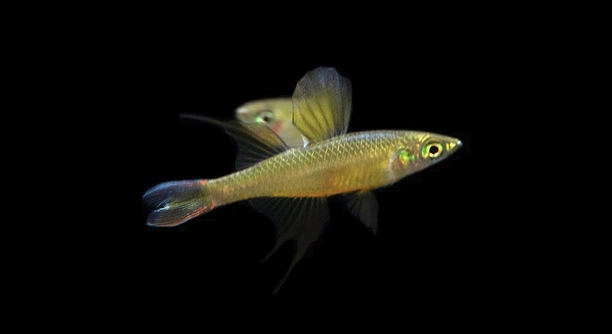
Do you ever find yourself tossing food into the water, hoping your threadfins will eagerly gather in the same familiar spot each time? Feeding routines often become habits, and fish owners may wonder if consistency is actually beneficial.
Feeding threadfins in the same spot every time can create predictability, reducing stress and encouraging healthy feeding behavior. However, it may also limit natural foraging instincts and create dependency, so moderation and variation are important for long-term balance.
Establishing feeding habits for your threadfins is not just about convenience, but also about understanding how routine impacts their behavior and overall well-being.
Why Feeding in the Same Spot Matters
Feeding threadfins in the same spot every time can make them feel secure. Fish often thrive when they know what to expect, and a regular feeding location helps build routine. This predictable habit reduces stress and allows them to eat without confusion or competition. In aquariums, where the environment is already limited, keeping some consistency can actually help fish feel more settled. For threadfins, which are sensitive and often shy, routine plays a bigger role than many realize. Establishing this habit also makes it easier for you to monitor their eating behavior and quickly notice any changes.
At the same time, using the same location has drawbacks. It can reduce their natural instinct to explore, since they may only focus on that spot.
If you want to balance both stability and stimulation, rotating feeding areas occasionally while maintaining some consistency can help threadfins stay active, curious, and comfortable.
When to Change Feeding Habits
Too much repetition can sometimes cause problems for threadfins. They may become overly dependent on one feeding zone and less willing to explore their space.
Changing your feeding habits does not need to be extreme. Small adjustments, such as scattering food in a wider area once or twice a week, can stimulate natural behaviors. Threadfins are active, and a slight variation encourages them to use their surroundings more fully. This helps them exercise while feeding, keeping them engaged instead of waiting passively in one spot. By observing how they respond to these small shifts, you can find a balance between consistency and variety. This balance ensures they stay comfortable while still maintaining healthy behaviors. It also helps prevent dominance issues in groups, since spreading food allows more fish to access meals without stress. With patience, you can adjust feeding practices in a way that supports their overall well-being.
How Routine Affects Behavior
Threadfins often respond positively to a predictable feeding routine. It gives them structure, reduces nervous swimming, and helps establish a calmer tank environment. Routine makes their behavior easier to observe and track, especially when watching for signs of stress or illness.
When food is always provided in one place, threadfins quickly learn where to gather. This can be useful when monitoring their appetite and interactions, as any unusual changes stand out more clearly. However, it can also create a hierarchy among fish, with dominant individuals guarding the feeding area. Smaller or timid threadfins may struggle to get enough food if they are pushed aside repeatedly. Establishing multiple feeding spots occasionally helps counter this behavior and ensures fairer distribution. By paying attention to these subtle changes, you can adjust routines to fit the needs of all fish, not just the most assertive ones.
Threadfins are naturally social, and feeding plays a big role in their group dynamics. Too much focus on one location may cause tension between fish and encourage chasing. Mixing in small changes, such as alternating feeding times or scattering food, prevents these issues from escalating. Routine is helpful, but flexibility ensures balance in the long run.
Balancing Consistency with Variety
Providing a stable feeding location has clear benefits, but variety is just as important for keeping threadfins healthy and stimulated. Too much consistency may cause boredom, while moderate changes help maintain natural instincts without creating stress or confusion.
One effective approach is to stick to a primary feeding spot most of the time while occasionally rotating to other areas. This creates familiarity without making the fish overly dependent on one place. Adding variety can also reduce aggression among threadfins, as food becomes more spread out and easier for each fish to access. Another way to introduce change is by alternating the type of food offered, such as flakes, pellets, or live options. These small adjustments encourage natural exploration and keep their feeding experience more dynamic. With thoughtful planning, consistency and variety can complement each other, supporting both comfort and engagement.
Creating a Feeding Schedule
Threadfins thrive on consistency, so feeding them at the same times daily helps establish balance. Regular schedules reduce stress and make it easier to monitor their appetite and detect unusual changes that could signal health concerns.
Feeding too often can lead to overeating, while feeding too little may cause malnutrition. Offering small, measured portions twice a day generally keeps threadfins healthy and active. Maintaining this schedule ensures stability and gives you control over their feeding habits, while also preventing food waste and tank pollution from uneaten food.
Encouraging Natural Foraging
Threadfins enjoy searching for food, and encouraging this behavior keeps them active. Dropping small amounts in different areas occasionally mimics natural conditions. This approach provides mental stimulation while reducing stress that can come from always feeding in one single location.
Avoiding Overfeeding
Overfeeding threadfins can quickly cause health issues like bloating and poor water quality. Offering smaller portions, watching their eating pace, and removing excess food immediately helps keep them healthy. Careful control of feeding strengthens both their well-being and the tank environment.
FAQ
How often should I feed my threadfins?
Feeding threadfins twice a day is generally ideal. Morning and evening feedings provide a routine that reduces stress and helps maintain a healthy appetite. Each feeding should be small enough that all the fish can finish it within a few minutes, preventing leftover food from polluting the water.
Can I feed them in the same spot every day?
Yes, feeding in the same spot can create predictability, helping threadfins feel secure. However, occasionally scattering food in different areas encourages natural foraging instincts and keeps them active. A mix of consistency and slight variation works best for long-term health.
What types of food are best for threadfins?
A balanced diet includes pellets, flakes, and occasional live or frozen foods like brine shrimp. Varying food types ensures proper nutrition and mental stimulation. Avoid overfeeding, as excess food can quickly degrade water quality and harm their health.
What happens if I overfeed my threadfins?
Overfeeding can lead to bloating, poor water quality, and increased algae growth. Uneaten food decomposes, producing harmful chemicals that stress the fish. Monitoring portion sizes and removing leftovers quickly prevents these issues and keeps the tank stable.
Is it okay if some threadfins don’t get enough food?
All fish should have equal access during feeding. If some are shy or slower, they may miss out. Using multiple feeding spots or spreading food gradually ensures smaller or timid fish get their share without stress.
How can I tell if my threadfins are stressed by feeding routines?
Signs include hiding, reduced appetite, or aggressive behavior around food. Sudden changes in movement or lethargy can also indicate stress. Adjusting feeding spots, portions, or timing can help alleviate these problems. Observation is key to maintaining a calm, healthy tank.
Should I change feeding times occasionally?
Minor changes can help threadfins stay adaptable, but consistency is more important than frequent adjustments. Gradual shifts prevent stress while still offering variety in their routine, supporting both natural behavior and overall comfort.
Do threadfins prefer live food over pellets?
Many threadfins enjoy live food because it mimics natural hunting behaviors. Pellets and flakes are nutritionally complete, but occasional live or frozen options add enrichment. Alternating food types encourages activity and reduces monotony in their diet.
How do I prevent dominant fish from taking all the food?
Scatter food in multiple locations or feed slowly to ensure all fish can eat. Observing interactions during feeding helps identify aggressive individuals and allows you to adjust placement to prevent bullying, supporting fair access for the entire group.
Can feeding in one spot affect their natural instincts?
Yes, if done exclusively, it can reduce exploration and foraging instincts. Combining routine with occasional variation helps maintain their natural behaviors, keeping threadfins active and engaged while still benefiting from a predictable feeding schedule.
Is it okay to feed threadfins human food?
Most human foods are not suitable and may harm their health. Stick to fish-specific foods to provide balanced nutrition and avoid introducing harmful ingredients or bacteria into the tank.
How much should I feed each time?
Feed small portions that all fish can finish within a few minutes. Overfeeding leads to water quality issues and health problems, while underfeeding may stunt growth. Observing their eating pace helps determine the right amount for your specific group.
What if my threadfins ignore food in their usual spot?
This may indicate stress, illness, or environmental changes. Try moving food slightly or adjusting portions and timing. Monitor water conditions and fish health, as consistent refusal to eat could signal a larger issue requiring attention.
Can feeding routines impact breeding behavior?
Yes, predictable and proper feeding supports healthy breeding conditions. Balanced nutrition and a calm environment improve reproductive readiness, while stress or inconsistent feeding may reduce interest or success in spawning.
How do I balance routine and variety effectively?
Stick to a primary feeding spot most of the time while occasionally rotating locations or changing food types. This ensures comfort, reduces stress, and encourages natural behaviors, creating a healthy balance between consistency and stimulation for threadfins.
How long does it take for threadfins to adapt to a new feeding spot?
Most threadfins adapt within a few days if changes are gradual. Sudden or drastic shifts may cause hesitation or stress. Introducing small adjustments slowly allows them to explore without disrupting their routine or causing anxiety.
Can feeding impact tank cleanliness?
Yes, leftover food quickly decomposes, leading to poor water quality and algae growth. Feeding measured portions and removing uneaten food promptly helps maintain a clean, healthy tank environment. Proper feeding supports both fish health and tank maintenance.
Do young threadfins need a different feeding approach?
Juvenile threadfins require smaller, more frequent feedings for proper growth. Their feeding spots should be accessible, and portions carefully measured. Adjusting food type and quantity as they grow ensures steady development without causing water issues.
How important is observation during feeding?
Observation is crucial for noticing health issues, aggression, or stress. Watching how threadfins eat helps you adjust routines, portions, and locations to meet their needs while maintaining a calm, balanced tank environment. Regular attention prevents small problems from becoming serious.
Can feeding times affect tank temperature or chemistry?
Indirectly, yes. Uneaten food can decompose, altering water chemistry and affecting oxygen levels. Regular feeding with careful monitoring helps maintain stable conditions, reducing stress on the fish and supporting overall tank health.
Is it necessary to track feeding habits?
Tracking helps identify patterns in appetite, growth, or behavior changes. Keeping notes on times, portions, and locations ensures adjustments can be made before issues arise, supporting long-term health and stability for your threadfins.
What is the best way to combine routine and exploration?
Feed mostly in one spot for stability, but scatter small amounts occasionally or vary food types. This encourages foraging and activity without causing stress. Over time, threadfins learn both predictability and adaptability, benefiting their mental and physical well-being.
How long should feeding sessions last?
A few minutes per session is enough. Fish should finish food quickly to prevent waste and water quality issues. Prolonged feeding may encourage overeating and stress, so keeping sessions brief and consistent is best.
Can I train threadfins to eat in multiple spots?
Yes, gradual introduction of new feeding areas encourages exploration. Start by placing small amounts near the primary spot and slowly expand. Positive reinforcement through consistent access to food helps them adapt naturally.
Do threadfins need different routines in different seasons?
Slight adjustments may be necessary, particularly if temperature or lighting changes affect activity levels. Monitor behavior and appetite, and modify portions or feeding times as needed to maintain health throughout seasonal variations.
How do I know if the feeding spot is effective?
A good spot ensures all fish access food easily, reduces competition, and allows easy observation. If fish hesitate or some consistently miss meals, it may be time to try a new location or adjust placement.
What role does tank size play in feeding routines?
Larger tanks may require multiple feeding spots to ensure all fish eat. Smaller tanks benefit from a central routine but still need attention to distribution to prevent dominant fish from taking all food. Proper planning supports healthy feeding behavior.
How can I minimize food waste?
Feed measured portions, watch the fish eat, and remove leftovers promptly. Using appropriate food types that sink slowly or disperse evenly helps reduce uneaten food. Minimizing waste protects water quality and supports fish health.
Is variety in food types more important than feeding location?
Both are important. Consistent locations provide security, while varied food maintains nutrition and mental stimulation. Balancing the two ensures threadfins remain healthy, active, and comfortable in their environment.
Can feeding habits affect fish growth?
Yes, proper portioning and balanced nutrition directly influence growth. Overfeeding may cause obesity or water problems, while underfeeding slows development. Consistent routines help regulate intake, supporting steady and healthy growth for threadfins.
What should I do if a fish refuses food entirely?
Check water quality, tank conditions, and health. Try small changes in food type or location. Persistent refusal may require veterinary advice, as it could indicate illness or stress. Early attention prevents long-term health issues.
How do I handle multiple species with different feeding needs?
Separate feeding areas or specialized portions may be necessary. Observing each species’ habits ensures everyone receives adequate nutrition without causing stress or competition, maintaining harmony in a mixed tank.
Are there signs my feeding routine is working?
Active fish, consistent appetite, minimal stress, and healthy growth indicate an effective routine. Calm interactions during feeding and little leftover food also suggest that your schedule and portions are well-suited to your threadfins’ needs.
How do I introduce changes without causing stress?
Make adjustments slowly, either in feeding time, location, or food type. Small, gradual changes help threadfins adapt without disrupting their routine or causing anxiety. Monitoring their behavior during these shifts ensures continued comfort and health.
What is the main takeaway for feeding threadfins?
Balance consistency with occasional variation. Provide measured portions in mostly predictable locations while offering variety to stimulate natural behaviors. Careful observation and gradual adjustments maintain health, prevent stress, and support a thriving tank environment.
Feeding threadfins consistently in one spot can make life easier for both the fish and their owner. When threadfins know where and when to find their food, they feel more secure and less stressed. This predictability helps them develop a routine, which is important for their overall well-being. Fish that are stressed or uncertain about their feeding environment may eat less or behave anxiously, which can lead to health problems. Keeping a familiar feeding spot allows you to easily monitor their eating habits and quickly notice any changes that could indicate illness or discomfort. Over time, this simple habit of feeding in the same area can create a calmer, more stable environment in the tank, making it easier to care for the fish effectively.
At the same time, relying exclusively on one feeding spot has some drawbacks. Threadfins are naturally active and curious, and too much predictability can limit their natural behaviors. Scattering food occasionally or rotating the feeding location encourages exploration and foraging, which keeps them engaged and mentally stimulated. These small changes also help prevent dominant fish from monopolizing food, giving all members of the group a fair chance to eat. Balancing routine with variety ensures that threadfins remain active, healthy, and socially balanced. It also helps maintain a cleaner and more stable tank environment, as food is more evenly consumed and less likely to build up in one spot, reducing waste and water quality issues.
Ultimately, the best approach to feeding threadfins is a mix of consistency and flexibility. Providing measured portions at the same spot most of the time creates a sense of security and makes monitoring easier. At the same time, introducing minor variations in food placement, type, or timing encourages natural behavior and keeps the fish active. Observing your threadfins closely during feeding allows you to adjust as needed, ensuring that all fish are eating well and remaining stress-free. By combining these strategies, you can maintain a healthy, balanced tank while supporting the long-term physical and mental well-being of your threadfins. A thoughtful, consistent approach to feeding makes a noticeable difference in their behavior, health, and overall comfort.

Hello,
If you enjoy the content that we create, please consider saying a "Thank You!" by leaving a tip.
Every little bit helps us continue crafting quality advice that supports the health, happiness, and well-being of pets around the world, for pets of all shapes, sizes, and species.
We really appreciate the kindness and support that you show us!