
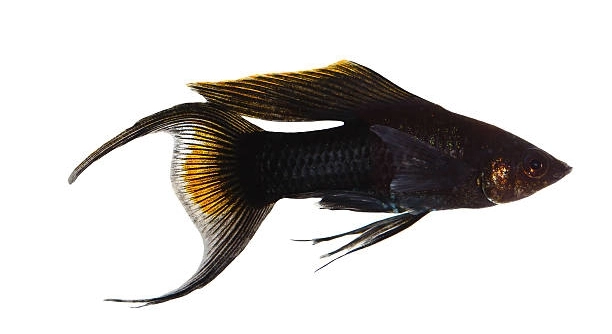
Do you ever notice your Black Molly swimming around the tank and wonder if it is more than just moving for food or exploring? These small, dark fish have gentle personalities that can be surprisingly engaging to observe.
Black Mollies do exhibit playful behaviors, including chasing, weaving through plants, and interacting with other fish. Their activity levels vary depending on water quality, tank size, and social environment, suggesting that their movements often reflect curiosity and natural instincts rather than aggression.
Watching them move through different areas of the tank can reveal subtle behaviors that go beyond mere swimming and can be quite entertaining to observe.
Signs That Black Mollies Enjoy Playing
Observing Black Mollies in a tank can reveal many subtle behaviors that suggest playfulness. They often swim in loops, chase bubbles, or dart after floating objects. Some may even nudge plants or decorations lightly, showing curiosity rather than aggression. Their social interactions are important. Black Mollies tend to engage more when in groups, responding to each other’s movements with small bursts of speed or synchronized swimming. You may notice a fish pausing to hover in place, then suddenly spinning or darting forward, which looks like playful energy. Their reactions to changes in the tank environment, like new plants or objects, can also show exploration tendencies. Keeping the tank clean, maintaining proper temperature, and providing open swimming space encourages these behaviors. Even subtle changes in their patterns of movement or interaction can indicate engagement and enjoyment, giving you a chance to better understand their personalities.
Play behaviors vary widely among individual Black Mollies, with some being more active and others reserved.
Providing floating toys or varied decorations can encourage more interaction, making observation more rewarding.
How Environment Affects Black Molly Behavior
Tank size, water conditions, and décor all impact how Black Mollies behave. A cramped or poorly maintained tank can reduce activity, while spacious, well-planted tanks promote exploration and interaction. Temperature, pH, and water hardness play a role in energy levels and general health. Even minor fluctuations in these parameters can make fish more lethargic or stressed, reducing signs of playfulness. The presence of compatible tank mates also affects behavior. Black Mollies are social, and interactions can stimulate natural instincts like chasing or following. Plants, rocks, and other hiding spots provide areas to explore, encouraging movement and curiosity. Observing them in different setups can help identify which conditions allow them to express their natural behaviors most freely. Tank enrichment, including floating items or mild currents, can promote more visible playful patterns. Understanding how these environmental factors interact ensures that Black Mollies remain active, healthy, and engaged.
Adjusting conditions gradually while monitoring behavior helps fish adapt without stress.
Regular tank maintenance, along with careful attention to social dynamics, will support natural play and improve overall wellbeing.
Feeding and Play Behavior
Feeding times can trigger active behaviors in Black Mollies. They may dart to the surface, chase flakes, or swim in quick loops. This energy often resembles playful activity, especially when they interact with other fish during feeding.
Black Mollies respond strongly to food, showing bursts of speed and curious chasing behaviors. Even small floating treats can encourage swimming patterns that look like games. Observing them at feeding time reveals how their instincts for foraging overlap with playful tendencies. When multiple fish are present, they may compete lightly or follow each other, demonstrating both social and active traits. The way they weave through plants or hover briefly before snapping at food shows coordination and alertness. These behaviors indicate mental stimulation, which is essential for keeping them healthy and engaged in the tank environment. Regular feeding routines combined with occasional varied treats can enhance these natural behaviors.
Overfeeding should be avoided, as it can reduce activity and cause sluggish movements. Providing structured feeding times keeps their energy levels consistent while maintaining tank health.
Interactions With Tank Mates
Black Mollies often engage with other fish in subtle ways, including chasing, mirroring movements, or exploring spaces together. Social interaction is a key factor in their playful behavior.
Tank mates influence how active Black Mollies are. In a well-balanced group, fish follow each other, swim side by side, or compete gently for territory. Too many aggressive or slow-moving fish can suppress these behaviors. Plants and hiding spots allow them to engage without conflict, providing safe spaces for bursts of movement. The presence of similar species often encourages synchronized swimming or brief playful chasing. Observing these interactions helps understand how social dynamics shape their activity levels and overall well-being.
Introducing compatible companions gradually prevents stress and allows Mollies to establish routines. Social enrichment supports both physical health and natural behaviors.
Toys and Tank Enrichment
Floating items and gentle currents can encourage Black Mollies to explore and move actively. They often investigate new objects with brief nudges or circling patterns, showing natural curiosity.
Plants, rocks, and decorations create safe spaces for sudden bursts of swimming. Mollies enjoy weaving through these areas, which can resemble playful activity.
Recognizing Signs of Stress
Lethargy, clamped fins, or hiding constantly can indicate stress in Black Mollies. Monitoring these behaviors helps maintain a healthy tank environment.
Timing and Routine
Black Mollies tend to show more active and playful behaviors at specific times, often following light cycles or feeding schedules. Consistent routines help them anticipate movement opportunities and maintain engagement.
Safe Play Practices
Ensuring open swimming space and non-sharp decorations reduces injury risks. Observing their interactions ensures all tank mates remain safe while encouraging natural activity.
FAQ
Do Black Mollies really play or just swim randomly?
Black Mollies show behaviors that go beyond simple swimming. They chase bubbles, dart through plants, and interact with tank mates in ways that suggest curiosity. These movements often occur in bursts, similar to playful patterns seen in other animals, indicating engagement rather than random motion. Watching them during feeding or when new items are added to the tank often highlights these active behaviors. Over time, their movements can become predictable, showing preferences for exploring certain areas or interacting with specific companions. These subtle actions reveal their intelligence and awareness of their environment, making observation rewarding for anyone maintaining a tank.
Can all Black Mollies be playful, or does it depend on the individual?
Individual personality plays a big role in how active a Black Molly is. Some are naturally energetic and will swim in loops or interact with objects frequently, while others are more reserved and prefer to stay near plants or hiding spots. Environmental factors, such as tank size, water quality, and the presence of other fish, can influence how their personality is expressed. Younger fish tend to be more energetic than older ones, and a healthy diet also supports playful behaviors. Recognizing these differences allows fish keepers to cater to each Molly’s unique temperament, encouraging healthy activity without forcing interaction.
How does tank size affect their playful behavior?
Tank size directly impacts activity levels. A small, cramped tank limits swimming space and can reduce exploratory behavior. In larger tanks, Black Mollies have more room to dart, weave, and interact with each other or objects, which increases visible playfulness. Adding plants, floating decorations, and rocks in a spacious tank encourages movement and provides opportunities for hiding and chasing. Overcrowding can lead to stress, which diminishes playful behaviors, while a well-planned environment fosters natural activity. Ensuring enough space for each fish is essential for promoting physical exercise, mental stimulation, and social interactions that mimic their instincts in a safe, contained setting.
Does feeding influence how playful they are?
Yes, feeding time often triggers bursts of energetic behavior. Black Mollies chase floating flakes, dart after sinking pellets, and sometimes engage in brief playful interactions with other fish during feeding. Offering occasional live or frozen foods can enhance these behaviors, as Mollies respond strongly to movement and variety. Care should be taken to avoid overfeeding, as excess food can lead to sluggishness and reduce active behavior. Structured feeding schedules help maintain anticipation and consistent energy levels, encouraging natural swimming and chasing behaviors. Observing their reactions to food provides insight into both health and personality traits, making feeding more than just a routine task.
Are there signs that indicate they are not enjoying activity?
Lethargy, constant hiding, or clamped fins indicate stress or discomfort. Environmental issues like poor water quality, incorrect temperature, or aggressive tank mates can reduce playful behaviors. Regular observation of their swimming patterns and interactions can help detect these problems early. Adjusting tank conditions gradually—such as adding hiding spots, rearranging decorations, or monitoring water parameters—can restore normal activity. Healthy Black Mollies will actively explore their surroundings, engage with others, and respond to changes in the tank with curiosity. Recognizing the difference between normal rest periods and stress behaviors ensures they remain active and safe in their environment.
Can other fish encourage Black Mollies to play more?
Yes, social dynamics are important. Compatible tank mates stimulate movement and interaction, leading to chasing, synchronized swimming, or brief playful sparring. Species with similar activity levels are ideal, while overly aggressive or slow fish can inhibit playful behaviors. Introducing companions gradually allows Mollies to adjust without stress. Observing interactions helps ensure the group remains balanced. Social enrichment mimics natural behavior, provides mental stimulation, and reduces boredom. Mollies that have companions often display more energy and curiosity, making them easier to observe and care for. Careful selection of tank mates promotes both social and playful behaviors effectively.
How can I encourage more play without stressing them?
Providing space, gentle currents, and varied decorations can encourage activity. Rotating floating objects or introducing new hiding spots stimulates curiosity. Feeding with occasional live or moving foods increases bursts of movement. Avoid overcrowding or aggressive tank mates, and maintain consistent water quality. Gradual changes are key to promoting natural activity without causing stress. Watching how each fish responds to new items or environments helps fine-tune enrichment. Even small adjustments, like adding a plant cluster or creating a mild current, can increase interaction and swimming patterns. These methods encourage playful behavior while keeping fish healthy and comfortable.
Do Black Mollies play more at certain times of day?
Yes, light cycles and feeding schedules influence activity levels. Mollies tend to be more active during daylight hours and after meals. Sudden changes in light or inconsistent routines can reduce movement. Maintaining a predictable schedule supports regular bursts of playful swimming and social interaction. Observation at different times reveals when they are most energetic. Adjusting light and feeding patterns can help maximize activity, providing consistent opportunities for exercise and engagement. This timing also helps identify normal behavior versus lethargy, making it easier to monitor health and overall well-being.
Are there risks associated with encouraging play?
Play itself is generally safe if the tank is properly maintained. Sharp decorations, overcrowding, or aggressive tank mates can cause injury or stress. Safe enrichment, adequate space, and careful observation minimize risks. Ensuring water parameters are stable and feeding is balanced supports healthy activity. Mollies that have room to move freely, interact safely, and explore their environment exhibit natural behaviors without harm. Monitoring behavior during enrichment or new introductions allows intervention if needed. Encouraging activity enhances health and well-being while reducing boredom, but safety must always be a priority.
How do I know if my Black Mollies are happy?
Active swimming, chasing, exploring, and interacting with other fish are good indicators of engagement. Bright coloration, smooth movements, and responsive behavior suggest healthy and content fish. Lack of stress signals, such as hiding or lethargy, confirms a well-maintained environment. Observing regular playful behaviors helps gauge overall happiness. Adjusting environment, social setup, and enrichment allows Mollies to display natural instincts, providing satisfaction and stimulation. Happy fish are consistent in activity patterns, responsive to feeding, and comfortable exploring their space without signs of distress.
Black Mollies are more than just small, dark fish swimming in a tank. They have personalities that show through in their movements and interactions. Observing them carefully can reveal playful behaviors, such as chasing, weaving through plants, or investigating objects. These actions are often subtle, but over time, they become more noticeable, especially in well-maintained tanks. Their behavior is influenced by many factors, including tank size, water quality, feeding routines, and the presence of other fish. When these conditions are suitable, Mollies are more likely to engage in active swimming patterns that look like play. Even small bursts of energy, such as darting toward floating objects or following companions, indicate that they are alert and interested in their surroundings. Understanding their natural tendencies helps fish keepers provide environments where Mollies can express these behaviors safely.
Tank setup and enrichment are key to encouraging activity. Plants, decorations, and hiding spots allow Mollies to explore while feeling secure. Floating items, gentle currents, and varying swimming spaces also stimulate natural movement. Feeding time is another opportunity for activity, as Mollies respond strongly to food, chasing and interacting with flakes or pellets. Introducing compatible tank mates can further enhance playful behaviors, as social interactions often prompt chasing or synchronized swimming. Observing their behavior over time makes it easier to distinguish between normal activity and signs of stress. Healthy Mollies maintain energy, interact with objects and companions, and respond to changes in their environment. By maintaining proper water conditions and providing consistent care, fish keepers can support both the physical and mental well-being of their Mollies, encouraging natural behaviors that make them interesting to watch.
Regular observation is important to ensure Black Mollies remain healthy and active. Stress, poor water quality, or overcrowding can suppress movement and playful behaviors, while a well-balanced environment supports curiosity and engagement. Providing space, stable water parameters, and a predictable routine allows Mollies to thrive and express natural instincts. Small changes, like adding a new plant cluster or slightly adjusting the tank layout, can spark exploration and increase activity. Watching their interactions with companions and objects over time also helps in understanding their personalities and preferences. Ultimately, creating a stable, enriched, and safe environment ensures that Black Mollies can move freely, interact naturally, and display the playful behaviors that make them engaging to care for and observe.

Hello,
If you enjoy the content that we create, please consider saying a "Thank You!" by leaving a tip.
Every little bit helps us continue crafting quality advice that supports the health, happiness, and well-being of pets around the world, for pets of all shapes, sizes, and species.
We really appreciate the kindness and support that you show us!