
7 Ways to Improve Your Russian Tortoise’s Shell Strength
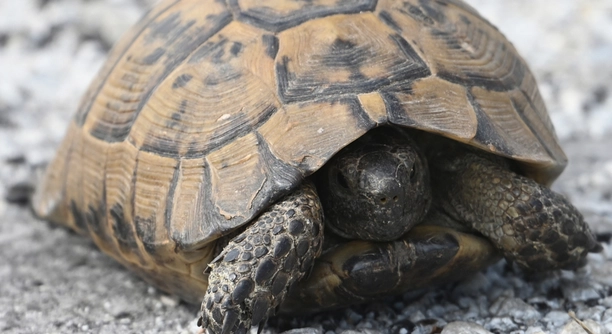
A healthy, strong shell is essential for the well-being of your Russian tortoise. Shell strength is influenced by various factors, and understanding these can help ensure your tortoise thrives. Here are some helpful tips for promoting a sturdy shell. To improve your Russian tortoise’s shell strength, ensure they receive proper nutrition, including calcium and vitamin … Read more


How to Tell If Your Russian Tortoise Is Too Hot

Russian tortoises need a controlled environment to thrive. Too much heat can affect their health and behavior. Understanding how to tell if your tortoise is too hot is essential for providing the best care for your pet. Excessive heat can lead to stress, dehydration, and even heatstroke in Russian tortoises. A sign of overheating may … Read more

7 Reasons Your Russian Tortoise Keeps Pacing Back and Forth

Russian tortoises are known for their curious and active nature. If your tortoise is pacing back and forth, it might be a sign of something more than just exploration. Understanding the reasons behind this behavior is important. The main reasons your Russian tortoise paces include environmental stress, lack of stimulation, inadequate habitat, or even health … Read more

How to Make a Russian Tortoise Habitat More Comfortable

Creating a comfortable habitat for your Russian tortoise is essential for their health and happiness. A few simple adjustments can make a big difference in their daily comfort and overall well-being. Let’s look at the key factors. The key to improving your Russian tortoise’s habitat involves providing a warm, dry environment with appropriate hiding spots, … Read more

Why Is My Russian Tortoise’s Skin Peeling?

Russian tortoises are popular pets, known for their unique behaviors and gentle nature. If you’ve noticed skin peeling, it could indicate a health issue. Understanding the reasons behind this is essential for maintaining their well-being. Skin peeling in Russian tortoises often results from dehydration, improper humidity, or shedding. A lack of proper hydration, either through … Read more

7 Mistakes People Make When Feeding Russian Tortoises

Russian tortoises can be delightful companions, but they have specific care needs. A few common feeding mistakes can affect their health and well-being. Proper nutrition is key to keeping them healthy and thriving in your care. One of the main mistakes people make is overfeeding their Russian tortoises. They have slow metabolisms and don’t require … Read more

How to Properly Transport a Russian Tortoise Safely

Transporting a Russian tortoise requires care and attention. Whether you’re moving your pet to the vet, on vacation, or to a new home, the right approach ensures their safety and comfort during the journey. To safely transport a Russian tortoise, place it in a secure, ventilated container that prevents escape and injury. Ensure the container … Read more

Why Is My Russian Tortoise Not Moving at All?

Sometimes, you may find your Russian tortoise not moving at all, and this can be concerning. Tortoises are usually active and curious creatures, so a sudden lack of movement can feel alarming. There are several reasons why your Russian tortoise may not be moving, ranging from environmental factors like temperature or light to health-related issues. … Read more

7 Signs Your Russian Tortoise Might Be Feeling Lonely

Russian Tortoises are charming and low-maintenance pets, but like all creatures, they need proper care and attention. If you have a tortoise, you might wonder if it ever feels lonely. Understanding your pet’s behavior can help ensure their happiness. Your Russian Tortoise may show signs of loneliness through unusual behavior, such as reduced activity, lack … Read more