
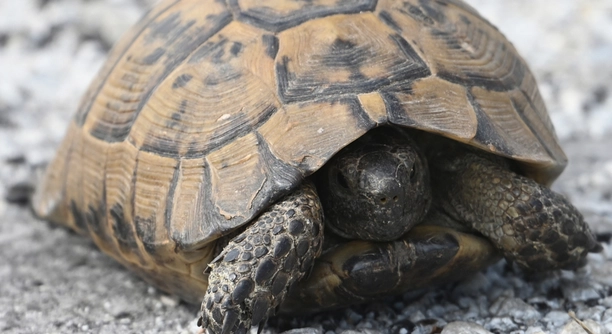
Creating a comfortable habitat for your Russian tortoise is essential for their health and happiness. A few simple adjustments can make a big difference in their daily comfort and overall well-being. Let’s look at the key factors.
The key to improving your Russian tortoise’s habitat involves providing a warm, dry environment with appropriate hiding spots, substrate, and a proper diet. Ensuring a consistent temperature gradient, access to UVB light, and safe outdoor time will help them thrive.
Making small adjustments to your tortoise’s habitat can go a long way in promoting a happy and healthy life.
Creating the Right Temperature Gradient
A key factor in your Russian tortoise’s comfort is providing a proper temperature gradient in their habitat. This means having a warm area for basking, a cooler area for retreating, and a consistent overall environment. Use heat lamps and ceramic heaters to create a suitable basking spot with temperatures around 95°F, while cooler areas should range between 75°F and 85°F. A temperature gradient helps your tortoise regulate its body heat naturally, allowing it to feel more secure and comfortable. Don’t forget to check the temperatures regularly to ensure they are consistent.
Providing this gradient is essential for your tortoise’s health. Without a warm spot to bask, they may not digest food properly, while being too hot or cold can stress them out. Use a thermometer to monitor both sides of the habitat regularly, adjusting heaters as needed.
In addition to the heat, a UVB light should be used to simulate sunlight, aiding in calcium absorption and preventing shell deformities. Tortoises need UVB for proper metabolic function. Make sure the UVB light is in the proper position for your tortoise to benefit from it.
Choosing the Right Substrate
The right substrate can make a big difference in your tortoise’s comfort.
Use materials like coconut coir or cypress mulch to line the floor of the habitat. These are soft enough for your tortoise to walk on while also helping maintain proper humidity levels.
Providing Hiding Spots
Tortoises need hiding spots to feel secure. Providing them with these safe areas helps reduce stress and lets them rest without feeling exposed. You can use small hides made of ceramic or plastic, or even create natural shelters using plants and rocks.
These hiding spots should be placed in the cooler areas of the habitat, allowing your tortoise to retreat when it needs a break from the heat. This helps maintain a healthy balance between basking and resting. Ensure the hide is easily accessible but offers enough cover for your tortoise to feel secure.
Make sure the hide is large enough for your tortoise to fit comfortably. Too small of a space might make them feel cramped, while a large one may not give them the sense of security they need. You want them to feel protected and relaxed.
Creating an Outdoor Enclosure
Outdoor time is beneficial for your Russian tortoise. A well-designed outdoor enclosure gives them a natural environment to roam in, which promotes exercise and mental stimulation.
The enclosure should be secure to prevent escapes and protect your tortoise from predators. Use strong materials like wood or metal to build the walls, ensuring they are tall enough to prevent your tortoise from climbing out. The bottom should also be secure to avoid burrowing. Include plenty of rocks and plants to mimic a natural habitat. This provides shelter and grazing opportunities, both important for your tortoise’s well-being.
Ensure the outdoor area has plenty of sunlight for basking. Exposure to natural sunlight helps your tortoise get the right UVB rays. However, always provide shade so your tortoise can escape from the heat when needed. Water should also be available at all times for drinking and soaking.
Providing a Balanced Diet
A balanced diet is essential for a comfortable and healthy tortoise. Offer a variety of leafy greens, vegetables, and some fruit. Avoid feeding them too much high-protein food or anything too rich in oxalates, like spinach. This ensures they get the nutrients they need for strong bones and overall health.
Fresh water should always be available for drinking. You can offer it in a shallow dish, making sure it’s easy for your tortoise to reach. Soaking them in shallow water for about 20 minutes a few times a week can also help with hydration and shell care.
Adding Proper Lighting
UVB lighting is essential for your Russian tortoise. Without it, they can suffer from calcium deficiencies and weakened bones. Place the UVB bulb over the basking area to mimic sunlight. Ensure it’s within the proper distance for your tortoise to absorb the rays effectively.
Be sure to replace the UVB bulb regularly as its effectiveness decreases over time, even if the light is still on. A timer can help you provide a consistent light cycle, simulating natural day and night patterns, which is important for your tortoise’s behavior and health.
Creating a Clean Environment
A clean habitat is crucial for your tortoise’s health and comfort. Regularly remove any uneaten food, waste, or moldy bedding to prevent bacteria buildup. Clean water dishes daily and wash them with mild soap to avoid contamination.
Depending on your substrate, you may need to spot clean the habitat frequently. Replace the bedding as needed, usually once a month, or more often if it becomes soiled. Keeping the environment fresh helps prevent health problems like respiratory infections or shell issues.
FAQ
How big should my Russian tortoise habitat be?
The size of your Russian tortoise’s habitat depends on its age. For a juvenile, a 40-gallon tank is fine, but as they grow, they will need more space. An adult Russian tortoise should have a habitat of at least 4 feet by 2 feet, or more if possible. If you provide an outdoor enclosure, make sure it is spacious enough for them to roam, hide, and explore. More space means more opportunities for exercise, which is crucial for their health.
What temperature should my Russian tortoise habitat be?
Your tortoise needs a temperature gradient. The basking area should be around 95°F, while the cooler side of the habitat should range from 75°F to 85°F. At night, the temperature can drop to 70°F, but it shouldn’t fall below 65°F. Use a reliable thermometer to monitor the temperatures regularly. This range allows your tortoise to regulate its body temperature and stay comfortable. Keep in mind that sudden changes in temperature can stress your tortoise out.
Can I keep my Russian tortoise with other pets?
Russian tortoises are best kept alone in their habitat. They are territorial and can become stressed or aggressive toward other animals. Keeping them with other pets can lead to injury or stress. If you want to introduce them to another tortoise, ensure that both tortoises have enough space and that there are no signs of aggression. For safety, it’s usually better to let them live alone unless you are experienced in managing multiple tortoises.
How often should I feed my Russian tortoise?
Your tortoise should be fed once a day, or every other day if it’s an adult. Offer a variety of leafy greens, like dandelion greens, collard greens, and mustard greens. You can add small amounts of vegetables and fruits as treats. Avoid feeding them too much fruit, as it’s high in sugar. Monitor your tortoise’s weight and adjust the amount of food if necessary. Overfeeding can lead to obesity, while underfeeding can cause malnutrition.
How can I keep my Russian tortoise hydrated?
Ensure your tortoise has access to fresh water at all times. You can use a shallow water dish, making it easy for your tortoise to drink. Russian tortoises also absorb moisture through soaking. Soak your tortoise in shallow, warm water for 20 minutes a few times a week. This helps with hydration and shell health. Make sure the water is not too deep to avoid the risk of drowning.
What do I do if my tortoise is not eating?
If your tortoise is not eating, it could be a sign of stress, illness, or an environmental issue. Check if the temperature and humidity are appropriate. Stress can be caused by poor habitat conditions, loud noises, or other pets in the area. If the issue persists for more than a few days, consider a vet check-up to rule out any health problems, such as parasites or respiratory infections.
How can I make sure my Russian tortoise gets enough UVB light?
UVB light is essential for your tortoise’s health. Place a UVB light over the basking area of the habitat, so they can absorb it while they bask. It’s important to replace the UVB bulb every 6 months, even if it still appears to be working, as its UVB output decreases over time. Be sure to check that the bulb is within the correct distance from your tortoise (usually 6-12 inches). Natural sunlight is also a good option if you provide outdoor time in a safe enclosure.
How do I know if my Russian tortoise is healthy?
A healthy Russian tortoise has clear eyes, a strong and intact shell, and moves around without difficulty. If your tortoise is lethargic, has a loss of appetite, or is showing signs of swelling or discharge from the eyes or nose, these may be signs of illness. Regular vet checkups are important for detecting any underlying issues. Also, monitor your tortoise’s weight to ensure they’re neither underweight nor overweight.
Can my Russian tortoise live outside year-round?
Russian tortoises can live outside for most of the year, especially in mild climates. However, they need to be brought inside if the temperature drops below 50°F. Make sure their outdoor enclosure is secure, with plenty of shade, sunlight, and hiding spots. In colder climates, you may need to bring your tortoise indoors during the winter. Be sure to keep the outdoor space safe from predators and avoid any sharp objects or toxic plants. Regularly check the environment to ensure it’s suitable for your tortoise.
How do I clean my Russian tortoise’s habitat?
Regular cleaning is essential to keep your tortoise’s environment healthy. Spot clean daily by removing uneaten food, waste, and any soiled bedding. Change the substrate monthly or more often if needed. Scrub the water dish daily with mild soap and rinse thoroughly. You can also disinfect the entire habitat every few months with a pet-safe cleaner. Avoid harsh chemicals that could harm your tortoise. Regular cleaning helps prevent bacterial infections and keeps the habitat fresh.
Final Thoughts
Creating a comfortable habitat for your Russian tortoise is essential to ensure its health and well-being. Providing the right environment, such as the correct temperature gradient, proper lighting, and enough space, will help your tortoise thrive. Russian tortoises are hardy animals but still need attention to their specific needs. By ensuring a balanced diet, proper hydration, and clean living conditions, you can prevent common health problems. Remember that a suitable habitat should mimic their natural environment as closely as possible, so consider the space, humidity, and lighting.
Proper care also includes regular health checks. Keep an eye on your tortoise’s behavior, appetite, and weight. If you notice any changes, it might be time to adjust the habitat conditions or consult a vet. Healthy tortoises are active and curious, and their shells should be intact and free from any cracks or injuries. Ensuring your tortoise has access to the proper UVB lighting and a varied diet will help them stay healthy for years. Taking these steps not only benefits your tortoise’s health but also ensures a happy and active pet.
While caring for a Russian tortoise may seem like a lot of work, the rewards are worth it. These creatures are long-lived and fascinating to observe. They have distinct personalities and will form routines over time. By providing the right environment and proper care, you give your tortoise the best chance for a long, happy life. With patience and attention, your Russian tortoise will thrive in a comfortable, healthy habitat, bringing enjoyment to your life and theirs.

Hello,
If you enjoy the content that we create, please consider saying a "Thank You!" by leaving a tip.
Every little bit helps us continue crafting quality advice that supports the health, happiness, and well-being of pets around the world, for pets of all shapes, sizes, and species.
We really appreciate the kindness and support that you show us!