
7 Things That Mess With Discus Breeding Cycles
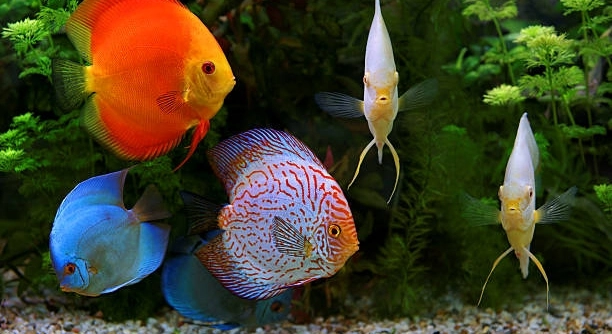
Are your discus fish refusing to breed even though you’ve done everything by the book? It’s frustrating when things don’t go as planned, especially with such sensitive and beautiful creatures. Discus breeding cycles can be disrupted by several factors, including water quality, tank conditions, diet, lighting, stress, and incompatible pairings. Understanding these influences is essential … Read more

7 Signs Your Discus Needs a Diet Change

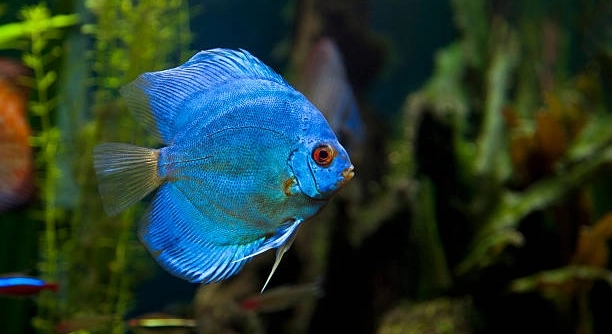
Is your discus acting oddly, refusing food, or seeming less vibrant than usual? These could be signs something is off with their diet. Subtle changes often mean it’s time to reassess what’s going into their tank. Diet-related issues in discus fish are often indicated by behavioral shifts, changes in color, poor growth, or unusual waste. … Read more

How to Calm a Nervous Discus Fish (7 Ideas)

Discus fish are known for their vibrant colors and unique shape, but they can easily become nervous in new or stressful environments. Keeping them calm is important for their health and overall well-being. Many fishkeepers seek effective ways to reduce their discus fish’s anxiety. Calming a nervous discus fish involves creating a stable environment with … Read more

Why Do Discus Fish Lock Lips? (What It Really Means)

Discus fish are known for their vibrant colors and unique behaviors in aquariums. One common behavior is when they appear to “lock lips” with each other. This action often puzzles many fishkeepers who notice it during tank observations. Discus fish lock lips primarily as a form of social interaction related to dominance, territory, or mating … Read more

Why Is My Discus Following Me Around?

Discus fish are known for their bright colors and graceful movements, making them popular among aquarium enthusiasts. Many owners enjoy watching their discus swim calmly around the tank. Sometimes, these fish may start following their owner’s movements closely. Discus fish follow their owners primarily due to recognition and curiosity. They learn to associate humans with … Read more

7 Early Signs of Gill Disease in Discus

Have you ever noticed your discus acting differently and started to worry it might be something more serious than just stress? Gill disease in discus often begins with subtle symptoms like labored breathing, faded color, and clamped fins. Identifying these early signs is critical to preventing long-term damage and maintaining a healthy aquarium environment. Recognizing … Read more

Do Discus Fish React to Tank Vibration?

Discus fish are popular freshwater aquarium pets known for their vibrant colors and graceful swimming. Many aquarium owners pay close attention to their environment to keep them healthy and stress-free. One common concern is how vibrations in the tank might affect these sensitive fish. Discus fish do react to tank vibrations, often showing signs of … Read more

7 Ways to Improve Discus Fish Color Naturally

Discus fish are admired for their vibrant colors, which can brighten any aquarium. Many fishkeepers aim to enhance these colors naturally through diet, environment, and care. This article shares seven effective ways to improve discus fish color without artificial additives. Improving discus fish coloration naturally involves optimizing water quality, providing a nutritious and varied diet, … Read more

7 Easy Fixes for Discus That Stop Spawning

Are your discus fish not spawning despite your best efforts? Many hobbyists face this challenge and seek simple ways to encourage breeding. Understanding common obstacles can help improve the conditions for successful discus spawning. Seven easy fixes can address the main reasons discus stop spawning. These include adjusting water quality, temperature, diet, tank setup, stress … Read more

7 Causes of Cloudy Film on Discus Tank Water

Is your discus tank water developing a cloudy film that’s ruining the look of your aquarium and worrying you about your fish’s health? Cloudy film in discus tank water is usually caused by poor filtration, excess organic waste, overfeeding, bacterial blooms, inadequate water changes, dirty substrates, or biofilm buildup on the surface. Each cause can … Read more