
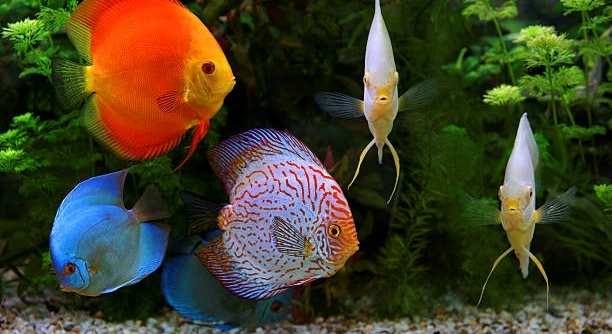
Are your discus fish refusing to breed even though you’ve done everything by the book? It’s frustrating when things don’t go as planned, especially with such sensitive and beautiful creatures.
Discus breeding cycles can be disrupted by several factors, including water quality, tank conditions, diet, lighting, stress, and incompatible pairings. Understanding these influences is essential to create a stable environment for consistent and successful breeding outcomes.
Learning what affects your discus helps you prevent common mistakes and make small changes that lead to better results over time.
Poor Water Quality
Water that isn’t clean or stable can quickly interfere with discus breeding. These fish need very specific conditions to feel safe and ready to reproduce. When the ammonia, nitrite, or nitrate levels get too high, their health starts to decline, and breeding behavior may stop altogether. Even small shifts in pH or temperature can be enough to throw off their cycle. Discus are sensitive, and dirty water leads to stress, which lowers their willingness to spawn. Make sure you’re doing regular water changes, keeping filters clean, and using a reliable test kit to monitor levels. Avoid sudden changes in temperature or adding tap water without treating it first. It’s not just about clean water—it’s about keeping it consistent every day. If the tank doesn’t feel like a stable and safe place, they won’t start or maintain breeding patterns. Consistency is key when dealing with discus and their environment.
Stable, clean water helps your discus feel safe enough to reproduce regularly and stay healthy through the process.
Test your water weekly and aim for soft, slightly acidic conditions with minimal waste buildup. Use gentle filtration that doesn’t disturb their space too much, and don’t skip water changes. A reliable maintenance schedule makes a real difference.
Incompatible Tank Mates
Stress from aggressive or overly active tank mates can make discus fish uncomfortable. They need a peaceful space to feel secure enough to breed.
When discus are forced to share their tank with fast-swimming or territorial species, it creates a constant sense of stress. Even small conflicts or quick movements around them can disrupt breeding behavior. Some fish may compete for food too aggressively, leaving your discus underfed or anxious. Other times, curious tank mates may harass breeding pairs or eat eggs soon after they’re laid. These interruptions break the focus and safety your discus need to go through their cycle. A proper breeding setup should limit distractions and allow the pair to bond and protect their chosen area. If you’re planning to breed discus seriously, it’s best to give them their own tank or carefully select peaceful, non-intrusive tank mates like small tetras or corydoras that won’t interfere. The calmer the tank, the better your breeding results.
Inconsistent Lighting
Discus rely on regular lighting to help regulate their internal clock. When the lights turn on and off at random times, it can confuse their natural breeding rhythm and reduce the chances of spawning. Sudden changes in brightness can also startle them, causing unnecessary stress.
Use a timer to keep lighting steady—ideally 10 to 12 hours of light per day. Avoid placing the tank near windows where sunlight patterns change. Sudden flashes from room lights or screens should also be avoided. A calm and consistent light cycle helps the fish feel like they are in a predictable environment. This predictability supports hormonal balance and improves breeding behavior. Make changes gradually if you need to adjust the lighting schedule. A reliable routine gives them a better sense of time and safety, which is important for encouraging reproduction. Overhead, soft lighting works best and prevents harsh glare or deep shadows.
Some breeders even mimic natural daylight hours that match seasonal patterns. This approach can support a natural breeding cycle by signaling the fish when it’s time to spawn. Discus are very sensitive to environmental cues, so anything that disrupts those signals—like leaving lights on too long or changing settings often—can make them stop showing interest in breeding altogether.
Poor Diet
Feeding your discus a low-quality or unbalanced diet affects their energy, health, and ability to breed. Fish that lack proper nutrition will not produce strong eggs or maintain spawning behavior.
A protein-rich diet with high-quality ingredients encourages good health and stronger breeding results. Look for foods specifically made for discus or breeding fish. Live or frozen foods like bloodworms, brine shrimp, and blackworms are great additions, especially during the conditioning phase. Avoid feeding only flake food or cheap pellets. Variety also helps—mixing up their meals keeps them interested and ensures they’re getting enough nutrients. Feed smaller portions two to three times a day instead of one large feeding. This supports their metabolism and keeps stress down. Always remove uneaten food to avoid water quality issues. A well-fed discus will be more active, colorful, and likely to pair off and spawn more reliably.
Frequent Disturbances
Loud noises, sudden movements, or too many people walking past the tank can make discus feel unsafe. When they’re constantly on edge, they won’t feel secure enough to spawn or care for their eggs properly. A calm environment makes a big difference.
Try placing the tank in a low-traffic area. Avoid tapping on the glass or moving decorations too often. Stability and calm surroundings help breeding pairs focus and build trust. When they’re less stressed, their natural behavior becomes more consistent, which supports the breeding cycle.
Incorrect Temperature
Water that’s too cold or too warm will interrupt your discus’s breeding rhythm. The best range for breeding is usually between 82°F and 86°F. If the water falls below or goes above this range, their bodies may not produce the hormones needed for spawning. Sudden drops or spikes in temperature are even more harmful and may cause your pair to stop spawning altogether. Use a reliable heater and thermometer to make sure the water stays steady. Check the temperature regularly, especially after water changes. Keeping the tank warm and stable is one of the easiest ways to encourage breeding behavior.
Weak Pair Bond
Some discus pairs simply aren’t compatible. If they don’t form a strong bond, they may not spawn, or they might eat their eggs. Re-pairing them sometimes helps.
FAQ
What is the ideal water condition for discus breeding?
The ideal water condition for discus breeding is soft, slightly acidic water with a pH around 6.0 to 6.5. Temperature should be stable between 82°F and 86°F. Ammonia and nitrite levels must be zero, while nitrates should be kept as low as possible, ideally below 20 ppm. Regular water changes and gentle filtration help maintain these conditions. Stability is just as important as cleanliness, so avoid sudden changes in water chemistry or temperature.
How often should I change the water during breeding?
During breeding, frequent small water changes are best. Changing about 25% of the water once or twice a week helps keep ammonia and nitrate levels low without causing stress. Use water that matches the tank’s temperature and pH to avoid shocking the fish. Large or sudden water changes can disturb the pair and interrupt their breeding cycle, so keep changes gradual and consistent.
Can I keep other fish with breeding discus?
It’s usually best to keep breeding discus alone or with very peaceful tank mates. Aggressive or fast-moving fish stress discus and disrupt spawning behavior. Small tetras or corydoras catfish are often recommended because they are gentle and unlikely to bother breeding pairs. Avoid species that eat eggs or fry, as this will ruin your breeding efforts.
Why do discus eat their eggs?
Discus may eat their eggs due to stress, poor water quality, or lack of readiness to breed. Sometimes, an incompatible pair or sudden disturbances cause this behavior. It can also happen if the parents feel the eggs are weak or unhealthy. Improving tank conditions and giving pairs time to bond can reduce this behavior. If it continues, consider re-pairing or isolating the breeding pair.
How long does discus breeding take?
After the eggs are laid, they usually hatch in about 2 to 3 days. The parents will guard the eggs and fry for several weeks. The entire breeding process, from pairing to fry swimming freely, takes around 3 to 4 weeks. Keeping stable conditions during this time is crucial for success.
What should I feed discus during breeding?
During breeding, discus need a high-protein diet to stay healthy and produce strong eggs. Feed a variety of foods like bloodworms, brine shrimp, and specially formulated discus pellets. Fresh, live, or frozen foods encourage spawning and provide the nutrients needed for fry development. Feeding smaller amounts multiple times a day supports their metabolism and keeps them active.
How can I tell if my discus are ready to breed?
Breeding discus often show signs like cleaning a flat surface, increased pair bonding, and changes in color intensity. They may become more territorial and display fin-flaring or gentle nudging between each other. If these behaviors are consistent, it’s a good indication that spawning is likely soon. Patience is important—sometimes pairs need several weeks to fully bond.
Is it necessary to remove the fry from the parents?
In most cases, it’s best to leave fry with the parents. Discus parents care for their young by secreting a mucus on their skin, which the fry feed on for the first few weeks. Removing the fry too early can reduce survival rates. Only separate them if the parents show aggressive behavior or fail to care for the fry properly.
What causes sudden drops in discus spawning?
Sudden drops in spawning often result from stress, poor water quality, temperature fluctuations, or tank disturbances. Illness and incompatible pairings can also cause abrupt changes. Reviewing all environmental factors and maintaining consistent conditions usually helps restore breeding behavior.
How important is tank size for breeding discus?
Tank size matters because discus need enough space to swim, establish territories, and avoid stress. A breeding pair should have at least a 30-gallon tank with plenty of hiding spots and flat surfaces for egg laying. Larger tanks help maintain better water quality and reduce aggression, improving breeding success. Overcrowding can cause stress and disrupt the breeding cycle.
When it comes to breeding discus fish, patience and careful attention are very important. These fish are sensitive and need the right environment to feel comfortable enough to reproduce. Keeping stable water conditions, feeding a good diet, and creating a calm space without too many disturbances all play a big role. Small changes, like using a timer for lighting or making sure the temperature stays steady, can make a big difference in how well your discus breed. It’s not always easy, but with consistent care, the chances of success improve.
It is also important to understand that every discus pair is different. Some pairs bond quickly and start breeding soon, while others may take longer or never fully develop a strong bond. This is normal and does not always mean something is wrong. Sometimes you may need to try different pairs or adjust tank conditions to find what works best. Watching the fish carefully and noting their behavior helps guide these decisions. When you provide a quiet, safe place with good food and clean water, your discus have the best chance to thrive and complete their breeding cycle.
Finally, breeding discus requires regular effort and observation. You need to keep an eye on water quality, tank mates, temperature, and the general health of your fish. Avoid rushing or making sudden changes that could stress the discus. Remember, breeding discus is a slow and steady process that rewards careful care. By focusing on stability and comfort, you help your fish stay healthy and ready to breed when the time is right. Over time, this attention will pay off with stronger pairs and healthier fry.

Hello,
If you enjoy the content that we create, please consider saying a "Thank You!" by leaving a tip.
Every little bit helps us continue crafting quality advice that supports the health, happiness, and well-being of pets around the world, for pets of all shapes, sizes, and species.
We really appreciate the kindness and support that you show us!