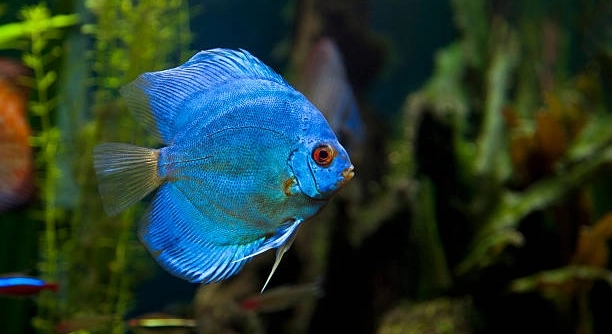
7 Causes of Uneven Color Patches on Discus

Uneven color patches on discus fish can be a common concern for many aquarists. These vibrant fish sometimes develop irregular coloration that affects their appearance. Understanding the reasons behind these changes helps maintain their health and beauty. Uneven color patches on discus fish are typically caused by factors such as stress, poor water quality, nutritional … Read more

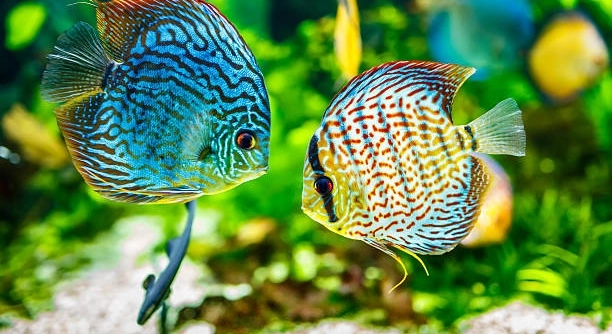
What Makes Discus More Active During the Day?

Are your discus fish more energetic during the day and resting quietly by night, leaving you wondering what drives this daily rhythm? Discus fish are more active during the day due to their diurnal nature, meaning they are biologically programmed to be alert and responsive during daylight hours. Light levels, tank activity, and feeding schedules … Read more

7 Breeding Cues to Watch for in Discus Fish

Discus fish are popular among aquarium enthusiasts for their vibrant colors and graceful movements. Breeding these fish can be rewarding but requires careful observation. Recognizing breeding cues helps ensure a successful and healthy reproduction process. Understanding the breeding cues in discus fish is essential for timely intervention and care. Key signs include changes in behavior, … Read more

Are Discus Fish Nocturnal or Diurnal?

Discus fish are popular in home aquariums for their vibrant colors and graceful movements. Understanding their daily activity patterns can help ensure they thrive in captivity. Knowing when these fish are most active can improve care and tank management. Discus fish are primarily diurnal, meaning they are most active during the day. Their behavior aligns … Read more

How to Keep Discus Happy in a Shared Tank

Keeping discus fish happy in a shared tank takes some care and attention. These colorful fish need the right environment to thrive alongside other tank mates. Providing a peaceful and stable setting is essential for their well-being. To keep discus happy in a shared tank, maintain clean water, stable temperature, and compatible tank mates. Proper … Read more

Are Discus Fish Better Alone or in Pairs?

Are your discus fish showing signs of stress or unusual behavior in your aquarium? Many aquarists wonder about the best way to keep these colorful fish happy and healthy. Understanding whether discus thrive better alone or in pairs can help improve their care. Discus fish generally do better in pairs or small groups rather than … Read more

7 Times to Dim the Lights in a Discus Aquarium

Discus fish need a carefully managed environment to stay healthy and calm in their aquarium. One important aspect is controlling the lighting. Knowing when to dim the lights can improve their well-being and reduce stress. Dimming the lights in a discus aquarium is essential during specific times such as feeding, acclimation, nighttime, illness recovery, tank … Read more

Is It Safe to Breed Discus in Community Tanks?

Have you ever tried keeping discus fish in a busy tank only to realize things may not be as peaceful as expected? Breeding discus in community tanks is generally not recommended due to territorial behavior, increased stress, and potential interference from other fish, which can result in unsuccessful spawning and poor fry survival rates. There’s … Read more

7 Breeding Triggers That Don’t Always Work

Breeding triggers are often used to encourage animals to reproduce more quickly or reliably. Many people rely on these methods hoping for consistent results. However, these triggers do not always lead to the expected outcomes in every case. Breeding triggers work by influencing animal behavior or physiology, but their effectiveness varies depending on species, environment, … Read more

Can You Keep Just One Discus for Observation?

Keeping a single discus fish in an aquarium is a common practice among hobbyists who want to observe its behavior closely. These colorful fish are known for their unique shape and vibrant patterns. Many wonder if it is possible to maintain just one discus successfully. Keeping only one discus fish for observation is generally not … Read more