
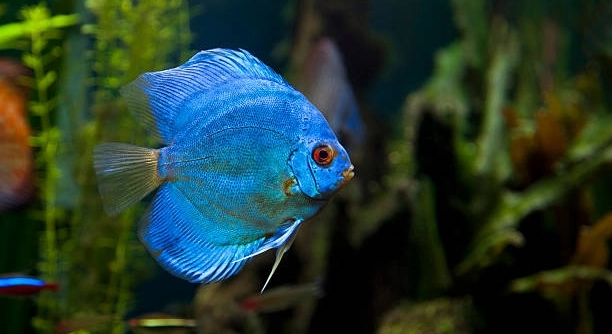
Keeping a single discus fish in an aquarium is a common practice among hobbyists who want to observe its behavior closely. These colorful fish are known for their unique shape and vibrant patterns. Many wonder if it is possible to maintain just one discus successfully.
Keeping only one discus fish for observation is generally not recommended. Discus are social animals that thrive in groups, and solitary confinement can cause stress and health problems. Proper care involves maintaining a suitable environment and companionship for their well-being.
Understanding the needs of discus fish and how to provide the right environment can improve their health and behavior in captivity. This article explains why keeping a single discus may not be the best choice.
Why Discus Fish Need Companionship
Discus fish are naturally social creatures that live in groups called schools. In their natural habitat, they depend on these groups for safety and social interaction. When kept alone, a discus may become stressed, which weakens its immune system and makes it more vulnerable to illness. Stress can also lead to erratic behavior or loss of appetite, both of which can affect the fish’s overall health. Providing at least three discus fish allows them to establish a social hierarchy and reduces anxiety. This social environment encourages natural behavior and helps keep the fish active and healthy. In addition to companionship, discus need stable water conditions, appropriate tank size, and a balanced diet to thrive. Without these elements, even a group of discus may struggle. Therefore, keeping a single discus for observation is not ideal if you want the fish to live a healthy and balanced life.
Keeping multiple discus promotes a healthier and more natural environment for them to grow and display their best colors.
Proper care and social interaction are key to maintaining discus health and happiness.
Observing One Discus: Challenges and Solutions
Observing a single discus fish can be challenging due to its social needs and sensitivity to stress. When alone, discus may hide more often or become less active, making observation difficult. Their natural behaviors, such as schooling and social interaction, cannot be seen in isolation. Additionally, the absence of companions can lead to health problems, which further reduces their visibility and activity. To minimize these challenges, a larger tank with stable water parameters and plenty of hiding spots is important. Some hobbyists keep one discus temporarily for quarantine or treatment, but this should not be a permanent setup. It is best to introduce a small group once the fish is healthy to encourage normal behavior. Observing discus in groups provides a better understanding of their social dynamics and natural habits.
Providing a suitable environment and companionship helps discus display their natural behavior more clearly.
Discourage long-term isolation to support the fish’s health and natural activity levels.
Tank Setup for a Single Discus
A single discus requires a tank of at least 30 gallons to have enough swimming space. The water temperature should be maintained between 82°F and 86°F for optimal health. Good filtration and regular water changes are necessary to keep the water clean and stable.
Besides size and temperature, the tank needs plants and hiding spots to reduce stress. Soft lighting and gentle water flow help mimic the discus’s natural environment. Monitoring water parameters like pH and hardness is important, as discus are sensitive to sudden changes. Maintaining these conditions supports the discus’s well-being when kept alone, though it still does not replace social interaction.
In a single-discuss tank, maintaining cleanliness and stability becomes even more critical. Without companions, the fish relies heavily on its environment to reduce stress and feel secure. Adding live plants and driftwood can create a more natural and calming habitat, encouraging healthier behavior. Regular water testing helps avoid fluctuations that can quickly affect a lone discus’s health. Overall, a proper setup can ease the challenges of keeping one discus but does not eliminate the need for social contact.
Feeding and Health Care for One Discus
Feeding a single discus involves providing a varied diet including flakes, pellets, frozen, and live foods to ensure balanced nutrition. Small, frequent feedings help prevent leftover food that could pollute the tank. Observing the fish’s eating habits is essential to detect early signs of illness.
Health care requires extra attention when keeping one discus. Watch for symptoms like lethargy, color fading, or abnormal swimming. A single fish under stress is more prone to infections, so quarantine before adding any tank mates is advised. Keeping the tank clean and maintaining water quality is the best defense against disease. If signs of sickness appear, prompt treatment is crucial to avoid severe health problems. Regular monitoring and proper diet support the discus’s immune system and overall vitality in solitary conditions.
Behavioral Changes in a Single Discus
A single discus may show signs of boredom or stress, such as hiding or reduced activity. Without companions, it might swim less and become less responsive to its environment. These changes can affect its overall health if left unaddressed.
Providing environmental enrichment, like plants and decorations, can help reduce stress. However, natural social behaviors like schooling will be missing, which impacts the discus’s well-being over time.
Signs of Stress to Watch For
Stress in a lone discus can cause color fading, loss of appetite, and erratic swimming. These symptoms often indicate poor water quality or loneliness. Early detection helps prevent serious health problems.
Adding Tank Mates Carefully
When introducing tank mates, choose peaceful species that tolerate similar water conditions. Avoid aggressive or overly active fish, as they can stress the discus further.
Temporary Isolation Considerations
Keeping one discus alone should only be temporary, such as during illness or quarantine. Prolonged isolation is not ideal for their health or happiness.
Can a single discus fish survive alone?
A single discus can survive alone for a time, but it is not ideal for its well-being. Discus are social fish that naturally live in groups, and isolation can cause stress. Stress weakens their immune system, making them more susceptible to disease. While they may live in solitude with proper care and environment, their health and behavior often suffer without companionship.
How many discus fish should be kept together?
It is best to keep discus in groups of at least three to five. This allows them to form a social structure that reduces stress and encourages natural behavior. Groups also help balance territorial disputes since the social hierarchy is spread out. Larger groups of six or more are ideal if the tank size permits, as discus tend to feel safer and more comfortable in numbers.
What tank size is suitable for a single discus?
A minimum tank size of 30 gallons is recommended for a single discus. This gives the fish enough swimming space and helps maintain stable water conditions. Larger tanks are always better because discus produce a fair amount of waste, which can quickly degrade water quality in small volumes. Proper filtration and regular water changes are crucial for keeping the tank environment healthy.
Can a single discus get lonely?
While fish do not experience loneliness exactly like humans, discus can suffer from the effects of isolation. Without other discus to interact with, they may become stressed and show less activity. Lack of social stimulation can also lead to behavioral problems. Providing tank mates or at least more than one discus helps keep them engaged and reduces stress-related issues.
What are signs that a discus fish is stressed?
Signs of stress in discus include color fading, hiding, loss of appetite, erratic swimming, and clamped fins. They may also become lethargic or more prone to infections. Stress usually comes from poor water quality, inadequate environment, or social isolation. Regular observation and maintaining stable water parameters can help detect and prevent stress early.
Is it possible to keep a discus alone temporarily?
Yes, keeping a discus alone temporarily is possible, especially for quarantine or treatment purposes. However, this should be short-term. Long periods of isolation increase stress and risk of illness. Once recovered, it is best to introduce the discus back to a small group to promote natural behaviors and social well-being.
What tank mates are suitable with discus?
Suitable tank mates for discus are peaceful species that prefer similar warm and soft water conditions. Examples include cardinal tetras, rummy nose tetras, and Corydoras catfish. Avoid aggressive or very active fish, as they may stress discus or compete for food. Proper tank mate selection helps maintain a calm and balanced aquarium environment.
How often should I feed a single discus?
Feed a single discus small amounts two to three times daily. Frequent feedings prevent leftover food from polluting the tank and mimic their natural feeding habits. Offer a varied diet including pellets, flakes, frozen foods, and live treats to provide balanced nutrition. Observing feeding behavior helps identify health issues early.
What water conditions do discus need to thrive?
Discus thrive in warm, soft, and slightly acidic water. Ideal temperature ranges from 82°F to 86°F, pH between 6.0 and 7.0, and low hardness. Consistent water quality is vital, so regular testing and water changes are necessary. Sudden changes in parameters can stress discus, especially if kept alone.
Can environmental enrichment replace social interaction?
Environmental enrichment like plants, driftwood, and hiding places helps reduce stress and encourages natural behaviors, but it cannot replace the need for social interaction. Discus fish gain comfort and stimulation from companions, which improves their health and reduces anxiety. Enrichment should complement, not substitute, keeping discus in groups.
How do I introduce new discus to an existing group?
Introduce new discus gradually by quarantining them first to avoid spreading disease. Use a separate tank for observation and treatment before adding them to the main aquarium. When introducing, rearrange tank decorations to disrupt established territories and reduce aggression. Monitor closely for signs of stress or bullying and separate if needed.
What are common health issues for discus kept alone?
Common health issues include stress-related infections, fungal growth, and parasitic infestations. Without social interaction, discus may weaken, making them vulnerable. Poor water quality worsens these problems. Preventing illness involves maintaining clean water, providing proper diet, and reducing stress through social or environmental means.
Can I keep a single discus for breeding purposes?
Keeping a single discus for breeding is not practical because discus form pairs and require partners. A single fish will not breed alone and may experience unnecessary stress. Breeding setups typically involve at least a pair or small group to allow natural courtship and spawning behaviors.
How important is water quality for a lone discus?
Water quality is extremely important for a lone discus. Without companions, the fish relies heavily on a stable, clean environment to reduce stress and prevent disease. Regular testing for ammonia, nitrites, nitrates, pH, and temperature is critical. Frequent water changes and strong filtration help maintain these conditions.
What are the risks of keeping only one discus?
The main risks are stress, poor mental stimulation, increased disease susceptibility, and unnatural behavior. Isolation can lead to inactivity, loss of color, and weakened immune response. While some care steps can lessen these effects, long-term health and happiness are compromised without social companions.
Keeping a single discus fish might seem like a simple way to enjoy its beauty and behavior up close. However, discus are naturally social animals that thrive best in groups. When kept alone, they often face increased stress, which can negatively affect their health and lifespan. Although it is possible to maintain one discus with careful attention to tank size, water quality, and diet, the absence of companions usually prevents the fish from displaying its natural behaviors fully. Observing a single discus can be rewarding but requires extra effort to meet its environmental and social needs.
A well-maintained tank is critical for a lone discus to stay healthy. This means keeping water parameters stable, feeding a varied and balanced diet, and providing plenty of hiding spots and decorations to reduce stress. However, no amount of environmental enrichment can replace the comfort discus get from being with others of their kind. Without social interaction, discus may become less active, lose their vibrant colors, and show signs of illness more quickly. For these reasons, keeping more than one discus is generally recommended to promote better health and well-being.
If keeping just one discus is necessary, it should be a temporary situation. For example, during quarantine or recovery, a single discus can be cared for carefully. Still, the goal should be to introduce it back into a group as soon as possible. Understanding the social nature of discus helps ensure they live longer, healthier lives. Providing companionship alongside proper tank conditions creates an environment where discus fish can truly thrive and display their beautiful, natural behaviors.

Hello,
If you enjoy the content that we create, please consider saying a "Thank You!" by leaving a tip.
Every little bit helps us continue crafting quality advice that supports the health, happiness, and well-being of pets around the world, for pets of all shapes, sizes, and species.
We really appreciate the kindness and support that you show us!