
7 Ways to Tell If Your Tetra Tank Is Too Dark
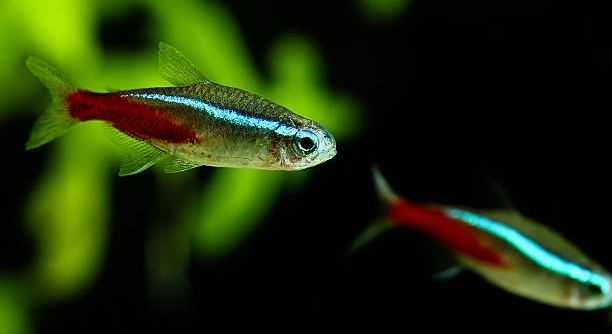
Is your tetra tank looking a little dim and leaving your fish less active than usual? Lighting plays a key role in their daily health. Understanding how much is too little can make a noticeable difference in behavior. A tetra tank that’s too dark can lead to stress, low activity, and disrupted sleep cycles. Inadequate … Read more
How to Calm Down a Skittish Tetra (7 Simple Ways)

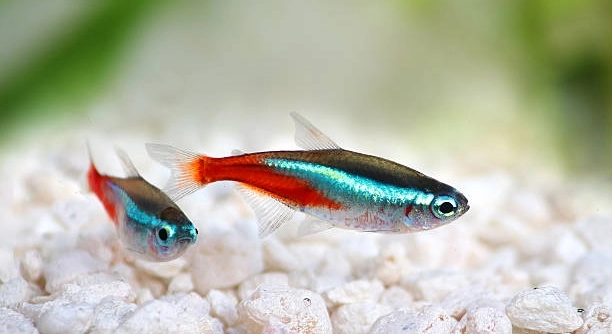
Tetras are small, colorful fish often kept in home aquariums. Some of them can be easily startled or nervous around changes in their environment. Understanding how to calm a skittish tetra helps create a peaceful tank atmosphere. Calming a skittish tetra involves reducing sudden movements, maintaining stable water conditions, and providing hiding spots. Minimizing noise … Read more

7 Best Tank Decorations for Tetra Comfort

Tetra Comfort tanks provide a cozy environment for your fish, but choosing the right decorations can enhance both the look and comfort of the space. Selecting suitable decorations helps create a natural and healthy habitat. The best tank decorations for Tetra Comfort combine aesthetics with functionality, ensuring safe materials, appropriate sizes, and hiding spots for … Read more

7 Causes of Tetra Gasping After a Water Change

Many aquarium owners notice their tetra gasping after a water change, which can be concerning. This common behavior might signal several underlying causes that affect the fish’s health and comfort in the tank environment. Understanding these causes is important for proper care. Tetra gasping after a water change typically results from stress, poor water quality, … Read more

7 Mistakes That Make Tetra Tanks Dangerous

Are your tetra fish acting stressed or getting sick more often than usual despite your best efforts to care for them? The most common reason tetra tanks become dangerous is due to a few overlooked mistakes. These include poor water conditions, overstocking, incompatible tank mates, and improper feeding routines, which can severely affect fish health … Read more

7 Causes of Hyperactivity in Tetra

Tetras are popular aquarium fish known for their lively behavior. Sometimes, they show signs of hyperactivity that can worry their owners. Understanding what causes this can help keep your tetra calm and healthy in its environment. Hyperactivity in tetras can result from several factors including poor water quality, inadequate tank size, stress from overcrowding, improper … Read more

How to Spot Early Signs of Tetra Stress (7 Tips)

Do your tetras seem less active than usual or suddenly hide more often in the corners of your aquarium? Subtle changes like these can sometimes be early signs of stress that shouldn’t be ignored. Early signs of tetra stress often include clamped fins, rapid breathing, dull coloration, and unusual swimming patterns. Identifying and addressing these … Read more

7 Ways to Tell if Your Tetra Are Ready to Spawn

Tetras are popular aquarium fish known for their vibrant colors and active behavior. Many fishkeepers enjoy watching them grow and thrive in home tanks. Understanding when your tetra are ready to spawn can enhance your experience with these lively pets. Tetras exhibit several signs when preparing to spawn, including changes in coloration, increased activity, and … Read more

7 Mistakes That Shorten a Tetra’s Life

Tetras are popular aquarium fish, admired for their vibrant colors and lively behavior. Many fishkeepers enjoy watching them, but sometimes these small fish don’t live as long as expected. Understanding common mistakes can help improve their lifespan. Several mistakes can shorten a tetra’s life, including poor water quality, overfeeding, inadequate tank size, lack of proper … Read more

7 Signs Your Tetra Is Sick (+How to Help)

Is your tetra acting differently or looking less vibrant than usual? Subtle changes in behavior or appearance could be signs of illness. Recognizing these early signals can make a big difference in your fish’s recovery and health. Tetras often show signs of sickness through changes in color, reduced activity, erratic swimming, or loss of appetite. … Read more