
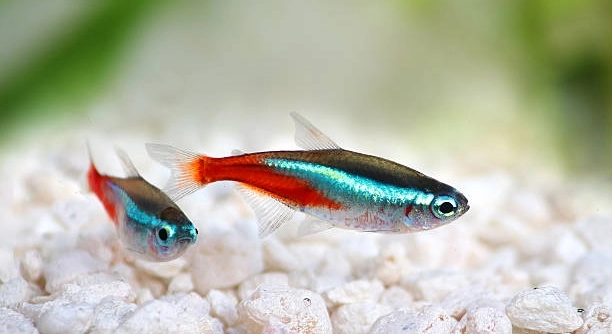
Tetras are small, colorful fish often kept in home aquariums. Some of them can be easily startled or nervous around changes in their environment. Understanding how to calm a skittish tetra helps create a peaceful tank atmosphere.
Calming a skittish tetra involves reducing sudden movements, maintaining stable water conditions, and providing hiding spots. Minimizing noise and avoiding overcrowding also helps lower stress levels, encouraging the fish to feel safe and more comfortable in its surroundings.
Learning simple ways to soothe your tetra can improve its health and behavior. These methods help you build a better connection with your aquatic pet over time.
Understanding Skittish Behavior in Tetras
Tetras can be naturally timid fish, often reacting quickly to changes or perceived threats. Their skittishness usually stems from sudden movements, loud noises, or drastic changes in their environment. In a tank setting, they rely heavily on stable water conditions and a sense of security. When these factors are disrupted, tetras may dart around nervously or hide more often. Recognizing these signs early helps prevent ongoing stress that could affect their health. Providing plenty of plants and decorations creates hiding places that make them feel safe. Additionally, keeping the tank in a low-traffic area reduces disturbances. It’s important to avoid tapping on the glass or sudden bright lights, as these can startle the fish. Consistency in feeding and maintaining water quality also contributes to a calm environment. Understanding these factors allows you to support your tetra’s well-being and create a peaceful space where they can thrive.
Skittish tetras respond best to gentle, gradual changes. Abrupt alterations only increase their anxiety and stress.
Maintaining stable conditions and minimizing disruptions ensures your tetra feels secure. This stability reduces nervous behavior and promotes a healthier fish.
Creating a Calm Environment for Your Tetra
A calm environment begins with the right tank setup. Use plants, rocks, and decorations to offer plenty of places where your tetra can hide or rest. A tank with natural cover mimics their natural habitat and helps reduce fear. Keep the lighting soft rather than harsh, as bright lights can overwhelm sensitive fish. It’s best to avoid placing the aquarium near loud appliances or in busy rooms where noise and movement are constant. Regular water tests and proper filtration are essential to keep the water clean and balanced. Changes in temperature or water chemistry can quickly stress tetras, so monitoring these factors is key. Feeding your fish at the same times each day also provides a predictable routine, which can calm their nerves. By focusing on these details, you create an environment that supports your tetra’s comfort and lowers their skittish reactions. These steps build a steady foundation for your fish’s well-being.
Keeping the tank environment stable and quiet is essential for reducing stress in skittish tetras. This foundation supports better health and behavior.
Making small but consistent improvements to the tank setup helps your tetra feel more at ease. Observing their behavior guides you in fine-tuning their habitat for long-term comfort.
Gentle Handling and Feeding Practices
Handling your tetra gently minimizes stress and helps them stay calm. Avoid sudden movements near the tank and be slow when feeding.
Feeding small amounts regularly encourages a sense of routine, which can reduce nervousness. Overfeeding may cause water quality issues, leading to stress. Use a feeding schedule to keep consistency. When adding food, do it slowly to avoid startling your tetra. Observing their eating habits also gives clues about their comfort level. If they quickly swim away, it might mean they feel threatened.
Using a feeding ring or placing food in one spot prevents chasing and competition among fish. This reduces chaos and promotes calm behavior. Patience during feeding times helps your tetra feel more secure and lowers their stress over time.
Reducing Noise and Vibrations
Excess noise and vibrations around the tank disturb tetras and make them jumpy. Place the aquarium away from loud appliances or heavy foot traffic. Limiting sudden sounds helps keep the environment peaceful. A quiet space allows your tetra to relax and reduces their flight response.
Soft background noise, like gentle water flow from the filter, is usually not a problem and can even be soothing. Ensure the tank is on a stable surface to avoid vibrations. Avoid tapping the glass or loud banging noises nearby, as these trigger skittish behavior. Controlling the noise level around your tank improves your tetra’s comfort and well-being significantly.
Providing Hiding Spots
Tetras feel safer when they have places to hide. Add plants, caves, or decorations that create cozy spaces. This helps reduce their stress and nervousness.
Hiding spots also let them rest away from bright light and movement. A well-decorated tank encourages natural behavior and a calmer fish.
Maintaining Consistent Water Conditions
Stable water temperature, pH, and cleanliness are crucial for your tetra’s comfort. Sudden changes can cause stress and lead to skittish behavior. Test the water regularly and perform partial water changes to keep the environment balanced. Using a reliable filter ensures good water quality. Maintaining consistency supports your tetra’s health and reduces anxiety in the tank.
Avoiding Overcrowding
Too many fish in one tank increase competition and stress. Keep the fish population at a healthy level to promote calm behavior.
FAQ
Why is my tetra always skittish?
Tetras are naturally sensitive fish and can become skittish due to stress or sudden changes. Loud noises, quick movements, poor water quality, or overcrowding in the tank often make them nervous. They rely on stable surroundings and calm conditions to feel safe.
How can I tell if my tetra is stressed?
Signs of stress include rapid swimming, hiding constantly, loss of appetite, and clamped fins. If your tetra darts around the tank or hides more than usual, it’s likely feeling uneasy. Maintaining good water conditions and a quiet environment helps reduce these symptoms.
Can tankmates affect my tetra’s behavior?
Yes, aggressive or overly active tankmates can scare tetras. Choose peaceful species that won’t chase or bully them. Keeping compatible fish together reduces stress and helps your tetra stay calm.
How often should I feed my tetra?
Feeding small amounts once or twice a day is ideal. Overfeeding leads to poor water quality, which stresses fish. A consistent feeding schedule creates a routine that helps your tetra feel secure.
What kind of hiding spots do tetras prefer?
Tetras enjoy plants, caves, and decorations that provide shelter. Live plants are especially good, as they mimic natural habitats. These spots allow your tetra to retreat when it feels threatened or needs rest.
Is tank size important for calming tetras?
Yes, a larger tank with enough space allows tetras to swim freely and avoid feeling crowded. Overcrowding increases stress, so keep the fish population balanced to promote calm behavior.
How does lighting affect my tetra’s skittishness?
Bright or flashing lights can scare tetras. Use soft, steady lighting and avoid sudden changes. Dimmer light helps them feel secure and reduces nervousness.
Can water temperature changes cause stress?
Absolutely. Sudden shifts in temperature can shock your tetra and cause skittish behavior. Keep the water temperature steady, ideally between 72-80°F (22-27°C), to keep them comfortable.
Will tapping on the glass make my tetra scared?
Yes, tapping or banging on the tank startles fish and increases stress. Avoid tapping to maintain a calm environment. Gentle interaction is better for building trust with your tetra.
Are there calming additives for tetra tanks?
Some products claim to reduce fish stress, but it’s best to focus on stable water quality, proper tank setup, and low disturbance. Natural methods work better for long-term calmness.
Can rearranging the tank decorations calm a skittish tetra?
Rearranging can sometimes cause stress, especially if done suddenly. Make changes slowly and give the fish time to adjust. Adding new hiding spots gradually is usually better.
How do I know if my tetra is healthy despite being skittish?
If your tetra is eating well, swimming normally, and shows bright colors, it is likely healthy. Skittish behavior alone doesn’t mean illness but watch for other signs like lethargy or spots.
Is it normal for tetras to hide a lot?
Yes, tetras often hide to feel safe. If hiding increases suddenly, it might indicate stress or poor tank conditions. Regular tank maintenance helps reduce excessive hiding.
Can music or white noise calm a tetra?
Soft background noise, like gentle water filter sounds, can be soothing. Loud music or sudden noises may frighten tetras. Keep noise levels low around the tank for a peaceful environment.
Should I quarantine new fish before adding them to the tank?
Quarantining new fish helps prevent introducing diseases that stress tetras. It also allows new fish to acclimate slowly, reducing stress for all tank inhabitants. This practice supports a calm, healthy aquarium.
Final Thoughts
Keeping a tetra calm takes patience and attention to detail. These fish are naturally sensitive, so small changes in their environment can affect how they behave. Creating a stable, quiet tank with plenty of hiding spots helps reduce their stress. Regular care, like maintaining water quality and feeding on a consistent schedule, supports their overall health and calmness. By focusing on these simple needs, you make a more comfortable home for your tetra where it can thrive.
It is important to remember that each tetra has its own personality. Some may always be a bit shy or quick to react, while others grow more relaxed over time. Avoid rushing changes or forcing interaction. Instead, give your fish time to adjust to its surroundings. Observing how your tetra responds to different conditions will guide you in making the right improvements. Over time, gentle care and a peaceful environment encourage your fish to feel safer and less skittish.
Maintaining a calm tank is an ongoing process. Regularly checking water conditions and minimizing disturbances keeps your tetra comfortable. Providing hiding places and avoiding overcrowding also play a big role. Although calming a skittish tetra requires effort, the rewards are worth it. A relaxed tetra displays better colors, eats well, and shows natural behavior. These signs reflect good health and a well-balanced environment that you have carefully created. Consistent care and patience help your tetra live a happier, calmer life in your aquarium.

Hello,
If you enjoy the content that we create, please consider saying a "Thank You!" by leaving a tip.
Every little bit helps us continue crafting quality advice that supports the health, happiness, and well-being of pets around the world, for pets of all shapes, sizes, and species.
We really appreciate the kindness and support that you show us!