Why Tiger Barbs Stay Still in the Morning
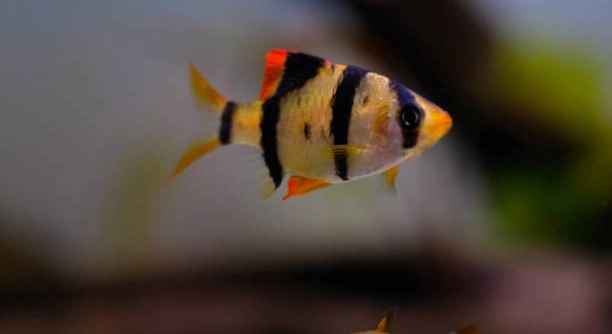
Tiger barbs often appear still and calm in the early morning hours. Many fish owners notice this quiet behavior but don’t always understand why it happens. This article explains the reasons behind their morning stillness and what it means for their well-being. Tiger barbs stay still in the morning mainly because their metabolism slows down … Read more
7 Ways to Boost Tiger Barb Activity Levels

Tiger barbs are lively fish that thrive best when their environment encourages activity. Many owners want to see their fish swimming energetically and displaying natural behaviors. This article shares practical ways to help boost the activity levels of your tiger barbs. Boosting tiger barb activity involves adjusting tank conditions such as water quality, temperature, lighting, … Read more

7 Ways to Support Older Tiger Barbs

Older tiger barbs need special care as they age to stay healthy and comfortable in their tanks. Supporting their unique needs helps them thrive and live longer, happier lives with proper attention and care. Supporting older tiger barbs involves maintaining clean water, providing a balanced diet, ensuring proper tank conditions, and monitoring their health closely. … Read more

7 Reasons to Avoid Small Tanks for Tiger Barbs

Small tanks might seem like a convenient option for keeping tiger barbs, especially if space is limited. However, these small environments often fail to meet the needs of this active and social fish species. Understanding why size matters is important for their well-being. Small tanks restrict swimming space and water quality, which are critical for … Read more

How to Spot Bullying in Tiger Barb Groups

Do you ever find yourself watching your tiger barbs and wondering if their chasing and nipping is playful or something more serious? Bullying in tiger barb groups is often identified through repeated fin nipping, aggressive chasing, and isolation of weaker fish. These behaviors can lead to stress, injury, and even death if not addressed early. … Read more

Why Did My Tiger Barb Disappear? (7 Possible Reasons)

Many fish owners enjoy keeping tiger barbs because of their bright colors and lively behavior. Sometimes, these active fish seem to vanish from the aquarium without a clear reason. Understanding what causes a tiger barb to disappear can help keep your tank healthy. Tiger barbs may disappear due to factors such as hiding, jumping out, … Read more

7 Things That Boost Tiger Barb Confidence

Do your tiger barbs seem skittish or unsure when swimming around their tank? Their behavior may be linked to a few key environmental factors that are easy to overlook but important for their well-being. Tiger barb confidence increases with consistent tank conditions, adequate space, and proper enrichment. These factors create a secure environment, encouraging natural … Read more

7 Foods That Tiger Barbs Love Instantly

Tiger barbs are popular aquarium fish known for their lively behavior and bright colors. Feeding them the right foods helps keep them healthy and active. Understanding their favorite foods can make caring for them easier and more rewarding. Tiger barbs thrive on a varied diet that includes high-quality flakes, pellets, live or frozen bloodworms, brine … Read more

7 Tips for Calming a Stressed Tiger Barb

Tiger barbs are lively, colorful fish that brighten many home aquariums. However, they can sometimes show signs of stress that affect their health and behavior. Knowing how to calm a stressed tiger barb is important for keeping them happy and thriving. Calming a stressed tiger barb involves creating a stable environment with proper water conditions, … Read more

Do Tiger Barbs Recognize Specific Objects?

Tiger Barbs are popular freshwater fish known for their bright colors and active behavior. Many aquarium enthusiasts enjoy watching their interactions and wonder about their mental abilities. Understanding how these fish perceive their surroundings can deepen the appreciation of their care. Research shows that Tiger Barbs do recognize specific objects in their environment. They use … Read more