
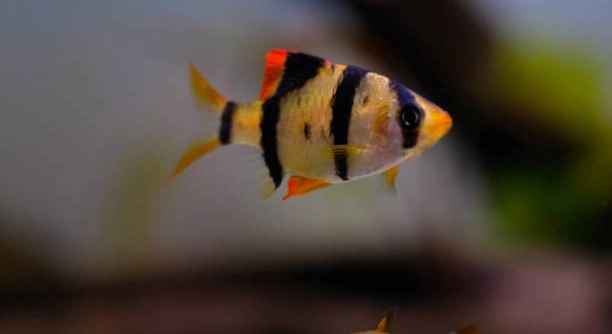
Tiger barbs often appear still and calm in the early morning hours. Many fish owners notice this quiet behavior but don’t always understand why it happens. This article explains the reasons behind their morning stillness and what it means for their well-being.
Tiger barbs stay still in the morning mainly because their metabolism slows down during cooler, low-light conditions. This natural resting phase helps conserve energy and reduces stress as they prepare for the day’s activity.
Learning about this behavior can improve how you care for your tiger barbs. It also helps you recognize when their stillness is normal or a sign of health concerns.
Why Tiger Barbs Are Less Active in the Morning
Tiger barbs tend to move less in the morning because their bodies are adjusting to the lower temperature and light. Fish are cold-blooded, so their metabolism depends on the environment. When the water is cooler early in the day, their metabolic rate slows down, making them less energetic. This slowdown allows them to save energy for later activities. Additionally, reduced light levels cause them to feel safer by staying still and hidden among plants or decorations. Morning stillness is a natural behavior and not usually a sign of illness. It is part of their daily rhythm, helping them balance rest and activity. This pattern can be seen in many fish species, not just tiger barbs. Watching this behavior helps aquarium owners understand their fish better and maintain proper tank conditions to keep them healthy and stress-free.
Fish slowing down in the morning is normal and shows their natural adaptation to their environment.
Knowing these habits helps improve the care you provide, ensuring your tiger barbs stay healthy throughout the day.
The Impact of Environment on Morning Behavior
Lighting and temperature play important roles in how tiger barbs behave in the morning. Low light signals that it’s time to rest, and warmer temperatures later in the day encourage movement. If the tank’s conditions are too cold or dim for too long, fish might stay still longer than usual, which could indicate stress. Proper lighting schedules and stable temperatures help support their natural routines. Regular water changes and monitoring also create a comfortable space. When fish feel secure, they show normal activity patterns, including brief periods of stillness. Keeping the tank environment stable allows tiger barbs to be active and healthy during the day while resting safely at dawn and dusk. Consistent care helps prevent unusual behavior that might signal health problems.
Fish are sensitive to their surroundings, so maintaining stable conditions is key to their well-being.
A balanced environment supports tiger barbs’ natural rhythms, encouraging healthy behavior from morning until night.
Morning Stillness and Feeding Patterns
Tiger barbs are less active in the morning because they tend to eat later in the day. Their feeding habits affect when they swim around more energetically.
In the early hours, tiger barbs rest and conserve energy, waiting for feeding time. Unlike some fish that graze continuously, tiger barbs prefer scheduled meals. This means their activity spikes around feeding times, which are usually mid-morning or afternoon. Their stillness early on helps them avoid unnecessary energy use. It also reduces competition and aggression, as they prepare mentally for social interaction during feeding. Understanding this helps tank owners schedule feeding at consistent times, supporting the fish’s natural behavior and health.
Regular feeding times create a predictable routine, encouraging tiger barbs to be more active after eating. This routine is important for their well-being and reduces stress within the tank community.
Social Behavior and Group Dynamics in the Morning
Tiger barbs often stay still in the morning because they feel safer in groups during low activity periods. Their social nature encourages close proximity and less movement at this time.
Being part of a group offers protection, so tiger barbs huddle and remain calm together. This quiet time helps reduce conflicts that might arise if they were more active when visibility is low. In addition, resting together in the morning strengthens their social bonds. As light increases, they spread out and become more playful or competitive. Watching this group behavior can guide how many fish you keep in a tank. A proper group size helps tiger barbs feel secure and express their natural patterns without stress or aggression. Maintaining these social conditions promotes a healthy and balanced aquarium environment.
Temperature Effects on Morning Activity
Cooler water in the morning slows tiger barbs’ metabolism, leading to less movement. This natural response helps conserve energy during cooler periods.
As the day warms, their activity levels increase. Temperature plays a key role in regulating their daily behavior and energy use.
Light Influence on Tiger Barb Behavior
Light levels directly affect how active tiger barbs are. Low light signals them to stay still and rest.
Increasing brightness throughout the day encourages more swimming and feeding activity.
How Stress Affects Morning Stillness
Stress can cause tiger barbs to stay still more than usual. Changes in environment or tankmates may lead to this behavior.
FAQ
Why do tiger barbs stay still in the morning?
Tiger barbs stay still in the morning mainly because their metabolism slows down due to cooler water and low light levels. This natural resting phase helps conserve energy and reduce stress. They are less active during these hours as part of their normal daily rhythm, preparing for more active periods later in the day.
Is it normal for tiger barbs to be inactive in the early hours?
Yes, it is completely normal. Like many fish, tiger barbs have natural cycles of rest and activity. Their early morning stillness is part of their behavior to conserve energy when the environment is cooler and darker. This behavior only becomes a concern if it continues all day or is accompanied by signs of illness.
Could illness cause tiger barbs to stay still?
Yes, illness could be a reason if the stillness is prolonged or unusual. If tiger barbs are staying still throughout the day, hiding excessively, losing appetite, or showing signs like clamped fins or discoloration, it may indicate health problems. In such cases, checking water quality and consulting a vet or aquatic specialist is recommended.
How does water temperature affect tiger barb activity?
Water temperature directly affects their metabolism. Cooler temperatures in the morning cause their metabolic rate to drop, leading to less movement. As the water warms up during the day, their metabolism speeds up, making them more active. Keeping tank temperature stable and within the ideal range (74-79°F) helps maintain healthy activity levels.
Does lighting schedule influence tiger barbs’ morning behavior?
Yes, lighting plays an important role. Tiger barbs react to low light by staying still and resting. A consistent lighting schedule helps them develop a routine of rest and activity. Sudden or irregular lighting changes can stress them and disrupt normal behavior. It’s best to simulate natural daylight patterns with gradual light transitions.
Should I feed tiger barbs in the morning if they are inactive?
Feeding in the morning is usually fine, but many tiger barbs eat better once they become more active later in the day. They tend to show increased movement around feeding times. Feeding small amounts multiple times a day can match their natural habits and encourage regular activity without overfeeding.
How important is tank environment for their morning stillness?
Very important. A well-maintained tank with stable water conditions, proper temperature, and enough hiding spots helps tiger barbs feel safe and comfortable. This encourages natural resting behavior in the morning without stress. Sudden changes in environment, poor water quality, or overcrowding can increase stress and affect their normal behavior.
Can social interactions affect their stillness in the morning?
Yes, tiger barbs are social fish that feel safer in groups. In the morning, they often stay close together, which reduces aggression and helps them rest. Proper group size reduces stress and encourages healthy social behaviors. Too few or too many fish can cause anxiety and disrupt their natural patterns.
What should I do if my tiger barbs remain still all day?
If tiger barbs remain still all day and show no interest in food or swimming, it’s important to check water parameters immediately—ammonia, nitrites, nitrates, pH, and temperature. Poor water quality or illness could be the cause. Quarantine sick fish and seek advice from an aquatic vet or specialist to address health concerns quickly.
Can feeding habits be adjusted to encourage morning activity?
Yes, feeding schedules can influence activity. Offering small meals at consistent times encourages tiger barbs to be more active around feeding. Avoid overfeeding, which can cause health issues. Some owners find feeding shortly after lights turn on stimulates morning movement, but it depends on the individual fish and tank conditions.
How can I create an ideal environment to support natural tiger barb behavior?
Maintain stable water temperature between 74-79°F, keep lighting on a regular schedule with gradual changes, and provide plants or decorations for hiding spots. Ensure water quality is high with regular changes and avoid overcrowding. These conditions promote natural cycles of rest and activity, including healthy morning stillness.
Is it normal for tiger barbs to hide during their stillness?
Yes, hiding during still periods is natural. It helps them feel secure, especially when light is low. Providing enough hiding places reduces stress and allows them to rest without disturbance. If hiding is constant or paired with other signs of distress, it may indicate a problem needing attention.
Can tankmates influence tiger barbs’ morning behavior?
Tankmates can affect behavior. Aggressive or overly active tankmates may stress tiger barbs, causing them to stay still or hide more. Choosing compatible species that have similar activity patterns helps maintain a peaceful tank environment and supports normal tiger barb behavior.
What signs show tiger barbs are healthy despite morning stillness?
Healthy tiger barbs will eat regularly, swim actively during the day, display bright colors, and interact with tankmates. Morning stillness accompanied by normal feeding and active periods later indicates natural behavior. Monitoring their overall condition helps differentiate between normal rest and health concerns.
How often should I monitor water conditions to ensure tiger barbs’ comfort?
Regular monitoring is key. Test water weekly for ammonia, nitrites, nitrates, pH, and temperature. More frequent checks may be needed during changes or if fish show unusual behavior. Keeping water clean and stable supports tiger barbs’ health and natural behavior patterns, including their morning stillness.
Tiger barbs staying still in the morning is a normal part of their behavior. Their metabolism slows down when the water is cooler and light levels are low, causing them to rest more during this time. This stillness helps them conserve energy and reduces stress, preparing them for more active periods later in the day. Understanding this natural cycle can help aquarium owners better care for their fish and know what to expect in their daily habits.
Creating a stable and comfortable environment is important for tiger barbs to follow their natural rhythms. Maintaining proper water temperature, clean water, and a consistent lighting schedule supports their health and activity levels. Providing enough hiding places in the tank also gives them safe spots to rest during their quiet times. A balanced social group helps reduce stress and encourages healthy behavior. When these conditions are met, tiger barbs show regular cycles of stillness and movement that are normal and healthy.
If you notice your tiger barbs staying still beyond the morning or showing signs like loss of appetite, discoloration, or unusual hiding, it may signal health issues. In such cases, checking water quality and observing other symptoms is necessary. Quick action can prevent more serious problems. Overall, the morning stillness of tiger barbs is part of their natural routine and not usually a cause for concern. Knowing what affects their behavior helps you provide the best care for your fish and enjoy watching their unique and interesting habits.

Hello,
If you enjoy the content that we create, please consider saying a "Thank You!" by leaving a tip.
Every little bit helps us continue crafting quality advice that supports the health, happiness, and well-being of pets around the world, for pets of all shapes, sizes, and species.
We really appreciate the kindness and support that you show us!