What Do Clownfish Do When They’re Bored?
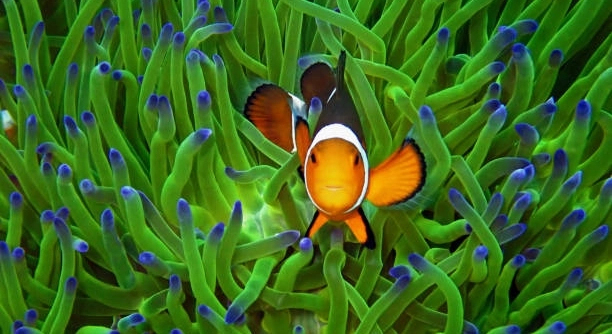
Clownfish are popular marine creatures known for their bright colors and lively behavior. They often live in coral reefs and are admired by many for their playful appearance and unique relationship with sea anemones. Their daily activities are interesting to observe. When clownfish are bored, they engage in swimming around their territory, exploring their environment, … Read more
7 Clownfish Care Habits That Make a Huge Difference

Clownfish are popular pets for many aquarium enthusiasts. Their vibrant colors and active nature make them a favorite. Proper care is essential to keep them healthy and thriving in a home environment. Maintaining stable water conditions, providing a balanced diet, and ensuring proper tank setup are crucial habits that significantly impact clownfish health. Regular monitoring … Read more

7 Reasons Clownfish Get Ich (+Prevention Tips)

Have you ever noticed white spots on your clownfish and started worrying about their health? Ich is more common than many people think. Knowing the signs early can help prevent serious issues in your tank. Clownfish often get ich due to stress, poor water conditions, sudden temperature changes, or exposure to infected fish. These factors … Read more

Do Clownfish Sleep With Their Host?

Clownfish are fascinating creatures known for their bright colors and close relationship with sea anemones. Many people find their behavior interesting, especially how they interact with their host anemones in the ocean. This article explores one aspect of their daily life. Clownfish do sleep near or within the protective tentacles of their host anemones. This … Read more

Can Clownfish Form Trios?

Clownfish are popular in home aquariums and marine biology alike. Their unique social structures and bright colors make them interesting to many. Understanding their group behaviors can reveal important insights about their natural lives and interactions. Clownfish do not typically form trios. They usually live in hierarchical groups dominated by a breeding pair. Social structures … Read more

Why Does My Clownfish Chase My Hand?

Clownfish are popular pets known for their bright colors and playful behavior. Many owners notice their clownfish chasing their hand when it moves near the tank. This common action often surprises new fish keepers. Clownfish chase hands primarily because they perceive movement as a potential threat or intrusion. This behavior is a natural territorial response, … Read more

7 Minor Tank Changes That Calm Clownfish Down

Many clownfish show signs of stress when their tank environment is not quite right. Small changes in the tank setup can help create a calmer atmosphere for these vibrant fish. Understanding these tweaks makes a big difference in their behavior. Seven minor tank adjustments can significantly reduce stress in clownfish. These include optimizing water flow, … Read more

Can Clownfish Bond with Other Species?

Clownfish are colorful and popular fish often seen in home aquariums. They live among sea anemones and are known for their bright orange color and white stripes. Many people wonder how these fish interact with other species around them. Clownfish can form bonds with certain other species, especially sea anemones, which provide shelter and protection. … Read more

Why Is My Clownfish Always Pacing?

Is your clownfish constantly pacing back and forth in its tank? This behavior can be puzzling and may cause concern for many aquarium enthusiasts. Understanding why your clownfish acts this way can help improve its environment and well-being. Clownfish pacing is often a sign of stress or discomfort caused by factors such as inadequate tank … Read more

Can Clownfish Live in Tap Water?

Clownfish are popular pets for many aquarium enthusiasts. Their bright colors and unique behaviors make them appealing. However, caring for clownfish requires understanding their specific water needs to keep them healthy and thriving in captivity. Clownfish cannot live in untreated tap water due to its chemical composition, including chlorine and heavy metals, which are harmful … Read more