Can Clownfish Sleep with Lights On?

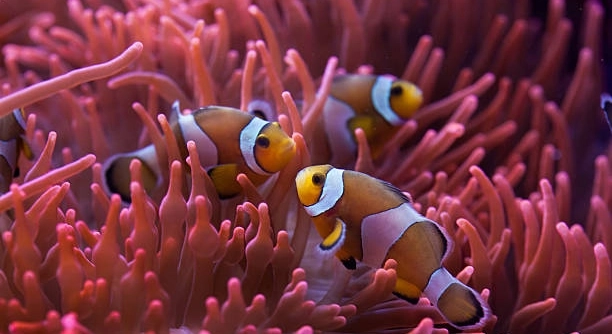
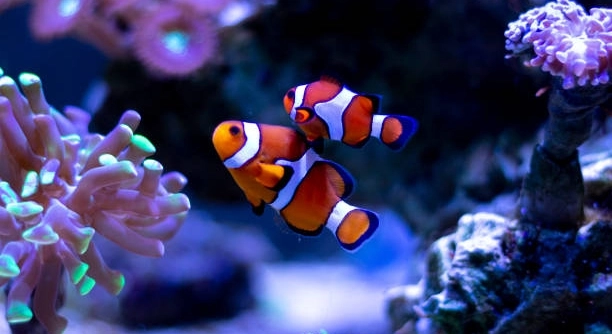
Clownfish are popular aquarium pets known for their bright colors and interesting behaviors. Many fish owners wonder about their sleeping habits and how light affects them during rest. Understanding these details helps in providing better care for these vibrant creatures. Clownfish can sleep with lights on, but they prefer dim or dark conditions. Bright light … Read more
Do Clownfish Prefer Calm or Busy Areas?

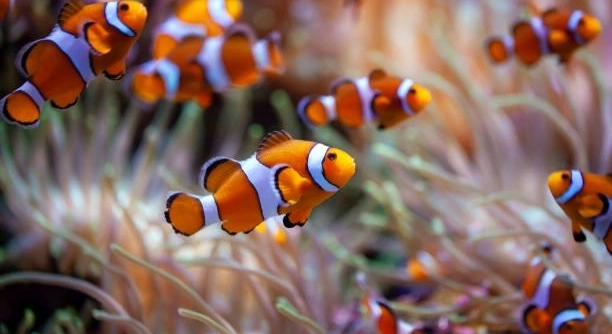
Many people enjoy watching clownfish and wonder about their favorite places to live. These colorful fish live among sea anemones, but their environment can be calm or full of activity. Understanding their preferences helps us learn more about their behavior. Clownfish generally prefer calm areas over busy ones. They seek shelter and safety, often choosing … Read more

7 Tips for a Stress-Free Clownfish Move

Moving clownfish to a new tank can be a careful process that requires attention and planning. Ensuring a smooth transition helps maintain their health and reduces stress during the change. Proper preparation is key for a successful move. A stress-free clownfish move involves controlling water parameters, acclimating fish slowly, and minimizing sudden changes. Maintaining stable … Read more

Why Is One Clownfish Chasing the Other?

Clownfish are known for their bright colors and lively behavior in coral reefs. Watching one clownfish chase another can seem puzzling at first. This common interaction is part of their natural social dynamics in the wild. One clownfish chases another mainly to establish or maintain dominance within their group. This behavior is essential for organizing … Read more

Can You Keep Baby Clownfish with Adults?

Keeping baby clownfish with adults is a common concern for many aquarium enthusiasts. These colorful fish are popular pets, but their social dynamics can be tricky. Understanding how they interact helps create a balanced and healthy tank environment. Baby clownfish can sometimes be kept with adults, but caution is necessary. Adults may show aggression toward … Read more

Are Clownfish Hardy for Beginners?

Clownfish are popular choices for home aquariums because of their bright colors and engaging behavior. Many beginners wonder if these fish are easy to care for in a new tank. This article explores their suitability for those new to fishkeeping. Clownfish are generally hardy and adaptable, making them suitable for beginner aquarists. They can tolerate … Read more

7 Clownfish Habits That Develop With Age

Clownfish are popular aquarium fish known for their bright colors and playful nature. As they grow older, their behavior changes in subtle but interesting ways. These changes reflect their natural instincts and adaptations over time. Clownfish develop specific habits as they age, including changes in territory defense, social hierarchy, feeding patterns, and breeding behavior. These … Read more

7 Environmental Shifts That Upset Clownfish

Clownfish are small, colorful fish that live in coral reefs. They play an important role in their ecosystem, but recent changes in the environment have started to affect them. Understanding these changes helps us protect clownfish and their homes. Seven major environmental shifts disrupt clownfish populations. These include rising ocean temperatures, ocean acidification, pollution, habitat … Read more

Why Is My Clownfish Twitching Near the Filter?

Many clownfish owners notice their fish twitching near the filter and wonder what it means. This behavior can be concerning, especially when it happens frequently or seems unusual. Understanding why this occurs is important for keeping clownfish healthy. Clownfish twitching near the filter is often caused by irritation from strong water currents or poor water … Read more

7 Early Clownfish Behaviors That Predict Bonding

Are your young clownfish acting a little different lately, making you wonder if it means something more? Subtle behaviors can tell you a lot about how they connect with others in their tank. Certain early behaviors in clownfish, such as synchronized swimming, gentle nudging, and territory sharing, strongly indicate the start of social bonding. These … Read more