7 Steps to Introduce New Cichlids Safely
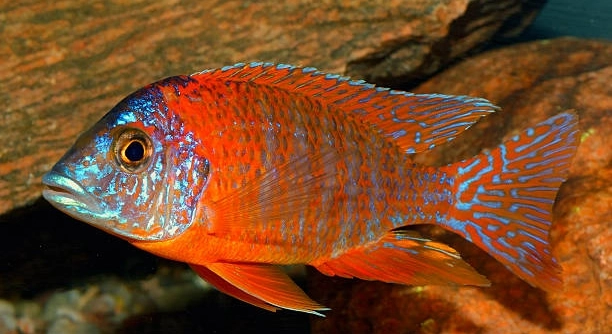
Introducing new cichlids to an established aquarium requires patience, planning, and care. A calm approach helps reduce stress, protect tank harmony, and support healthy adjustment for every fish involved during this important transition together now. The safest method to introduce new cichlids involves quarantine, gradual acclimation, territorial management, and consistent observation. Following structured steps minimizes … Read more
7 Times Fry Shouldn’t Be Moved Yet

Do you ever start frying food and feel tempted to move it too soon, hoping for faster results and even browning while cooking at home during busy evenings when patience feels short and timing matters? The primary reason fry should not be moved yet is surface adhesion during initial contact with hot oil. Early movement … Read more

7 Dangers of Too Much Current for Cichlids

Keeping cichlids in an aquarium can be very rewarding, but the water current plays a bigger role than many realize. Too much flow can affect their swimming, feeding habits, and overall comfort in their environment. Excessive water current can cause stress, injury, and disrupted behaviors in cichlids. Strong flows force them to overexert, damage delicate … Read more

Why Do Cichlids Stay Still for Hours?

Cichlids are fascinating fish that can often be seen resting in one spot for long periods. Watching them stay motionless can feel unusual, especially for owners used to more active aquarium fish behavior. Their calm presence adds a peaceful vibe to any tank. Cichlids remain still for hours primarily to conserve energy and maintain territory. … Read more

7 Natural Objects That Attract Spawning

Many people enjoy observing aquatic life, especially during spawning season when fish and amphibians gather naturally. Certain objects in their environment can play a big role in encouraging this behavior. Learning about these objects can be helpful. Natural objects such as rocks, submerged logs, aquatic plants, and leaf litter provide essential surfaces and shelter that … Read more

7 Natural Hiding Spots for Cichlid Tanks

Creating a comfortable and natural environment for cichlids is essential for their well-being. Providing hiding spots in the tank helps reduce stress and allows these fish to express natural behaviors more freely. Natural hiding spots in cichlid tanks can be achieved through the use of rocks, caves, driftwood, plants, and other structures that mimic their … Read more

7 Ways to Make a Peaceful Cichlid Tank

Are your cichlids constantly showing aggression or stress in their tank? Many hobbyists struggle with keeping these vibrant fish peaceful, despite having a well-decorated aquarium. Creating harmony requires careful attention to environment and fish selection. The most effective methods to maintain a peaceful cichlid tank include managing tank size, choosing compatible species, providing ample hiding … Read more

Why Did One Fry Suddenly Grow Faster?

Many fish keepers notice moments when one fry outpaces its siblings in size and strength. This change can feel surprising, yet it often reflects natural processes happening quietly within the tank over time in aquariums. Uneven fry growth is primarily caused by differences in genetics, access to food, and stress exposure. A dominant fry often … Read more

Why Are Convict Cichlids Obsessed With Bubbles?

Have you ever noticed convict cichlids spending hours blowing and chasing tiny bubbles in their tank? These small fish seem fascinated by the shimmering air, creating a lively scene that can be both entertaining and puzzling. Convict cichlids produce bubbles as part of their natural breeding and territorial behaviors. They use bubbles to communicate, attract … Read more

7 Things You’ll Notice Before Cichlids Spawn

Cichlids are fascinating fish that often show unique behaviors before spawning. Observing their actions closely can reveal early signs of breeding, helping aquarists prepare the tank and ensure a healthy environment for their fry. Before cichlids spawn, several behavioral and physical changes become apparent. These include increased territoriality, changes in coloration, nest preparation, frequent cleaning … Read more